

Dollies and Hand Trucks for Moving and Storage



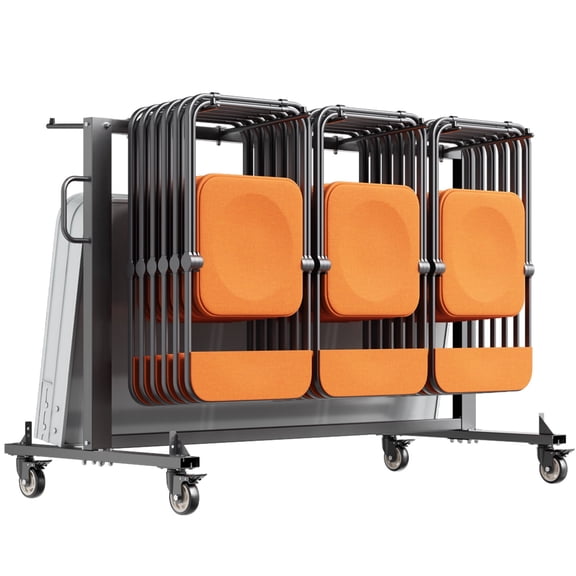
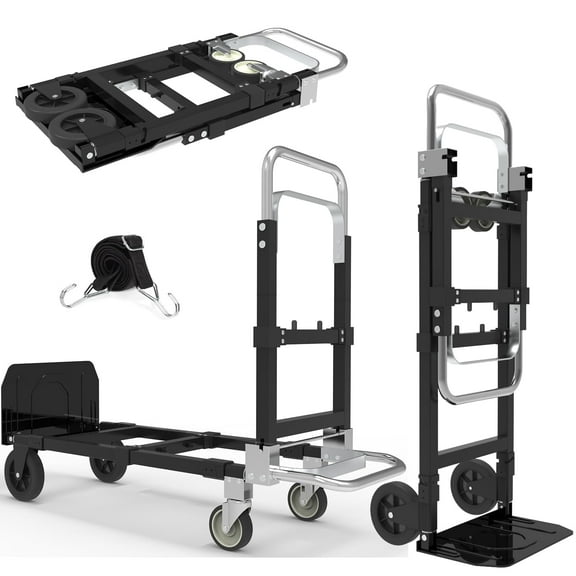


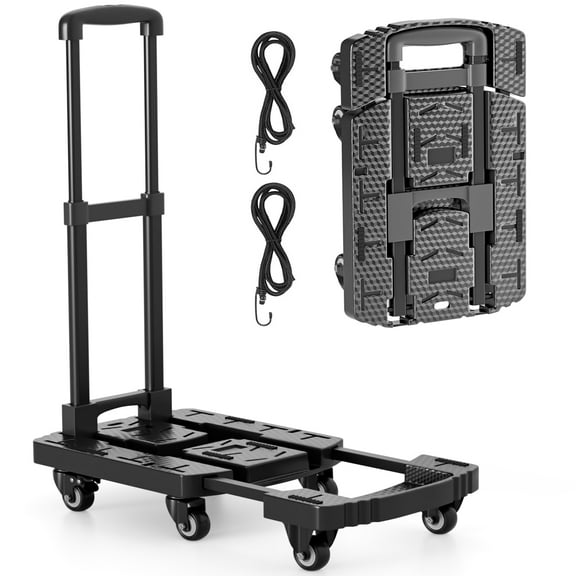
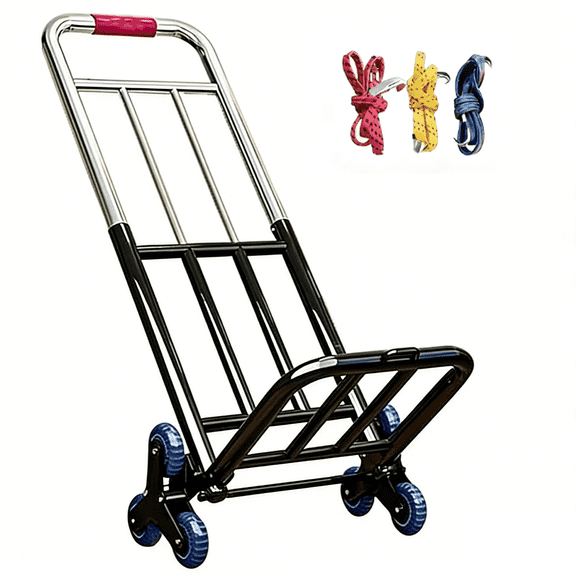



















About Dollies and Hand Trucks for Moving and Storage - Walmart.com
Dollies hand trucks help you move boxed, bulky, and stacked loads with more control. You can compare load ratings, wheel types, and frame designs to match home, office, warehouse, and moving tasks.
How to choose dollies hand trucks
You'll want to start with what you move most often and how far you move it. Your typical load, storage space, and floor surface shape which style makes sense.
When you compare dollies hand trucks, you'll notice real differences in frame shape and platform layout. You can also narrow choices faster by checking capacity, material, wheels, and handle style first.
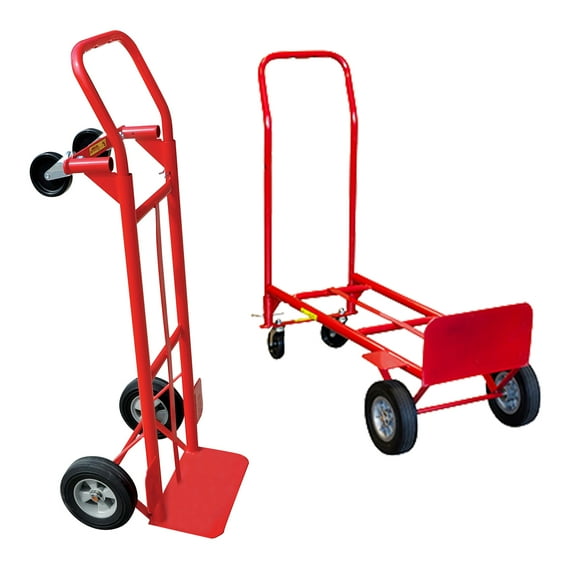
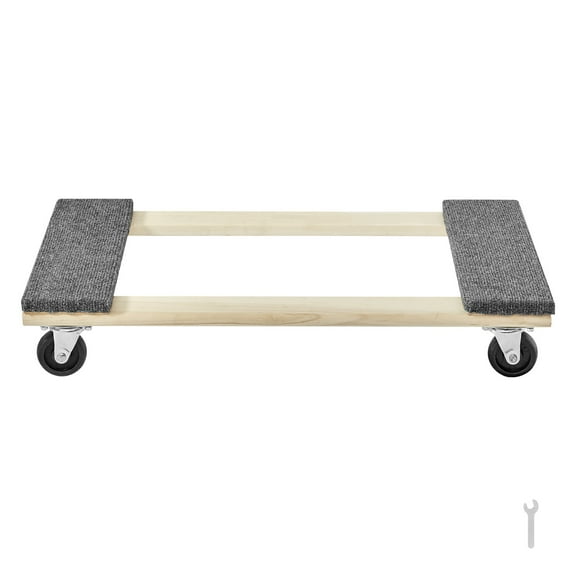
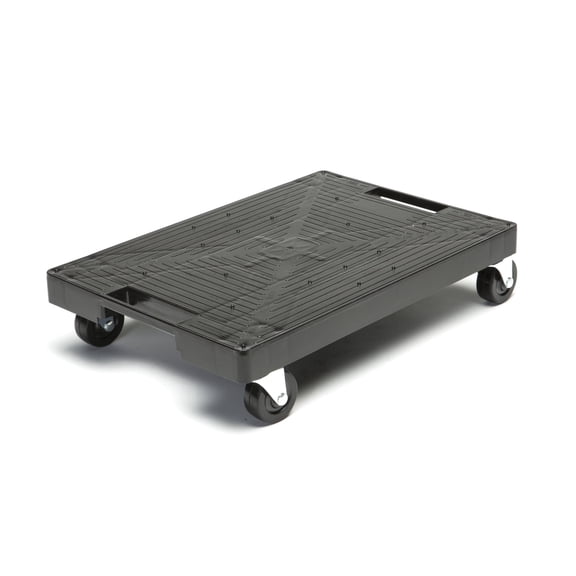
A two-wheel hand truck helps you tip and roll tall boxes, appliances, and stacked cartons. A utility dolly cart gives you a flat platform for bins, totes, furniture, and wider items.
- You can choose a heavy duty hand truck when your loads regularly reach higher weight ratings.
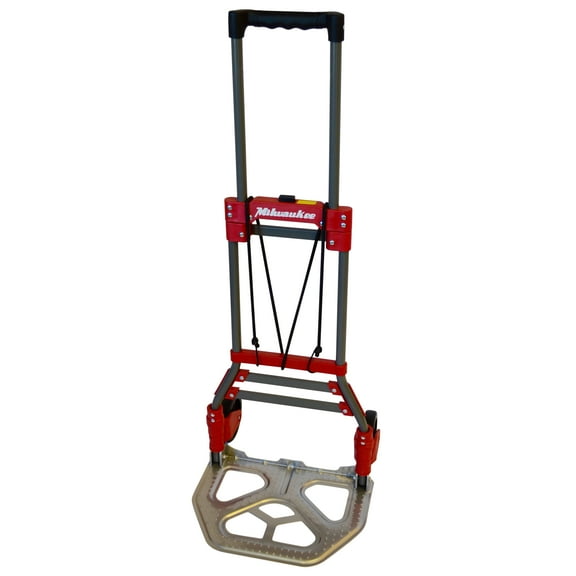
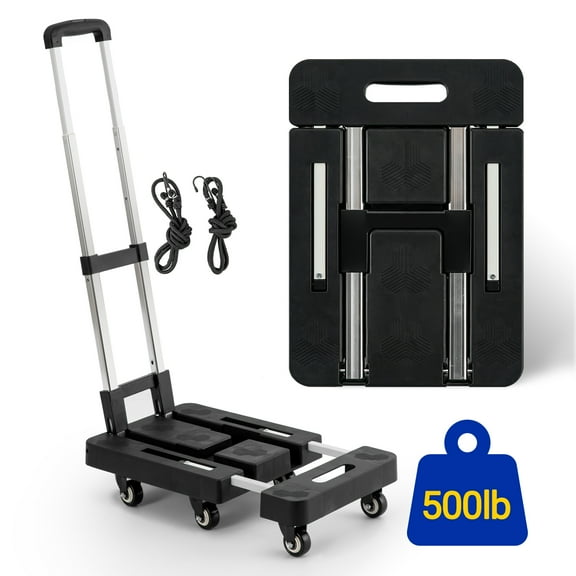
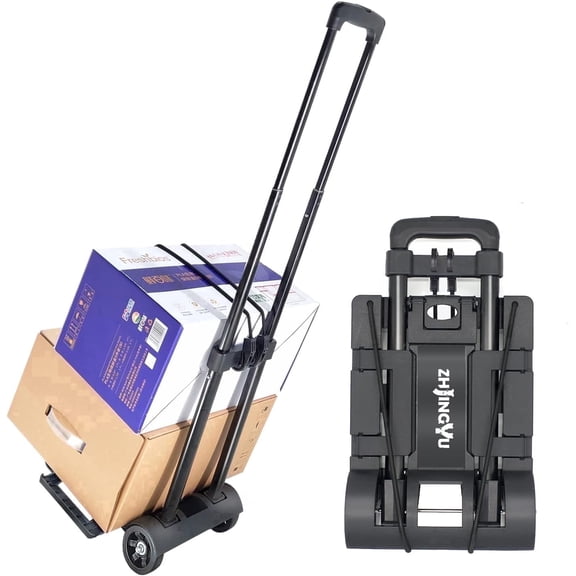
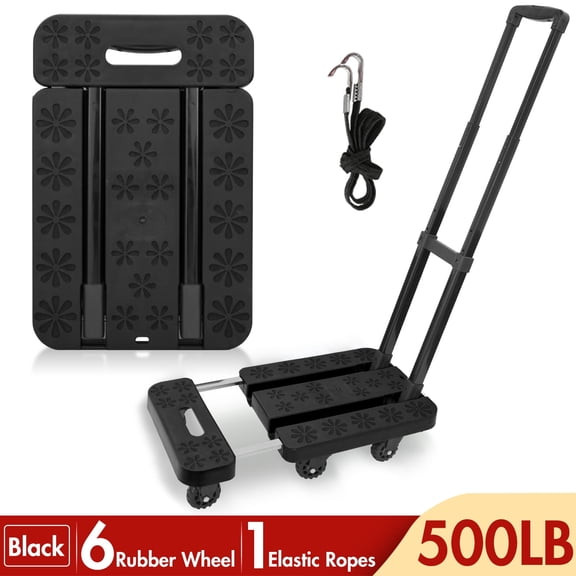
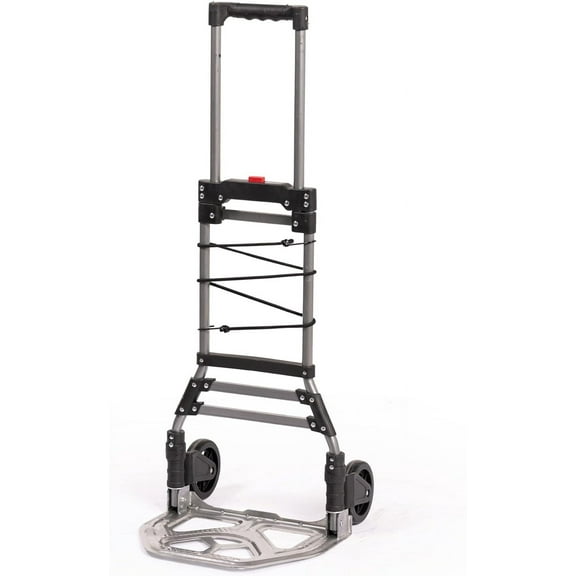
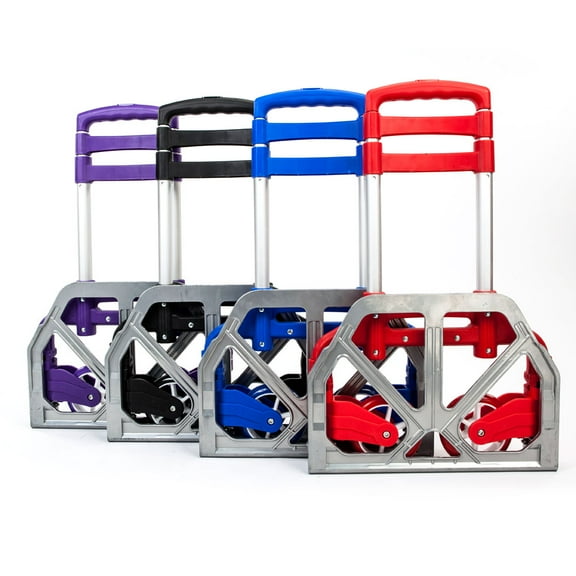
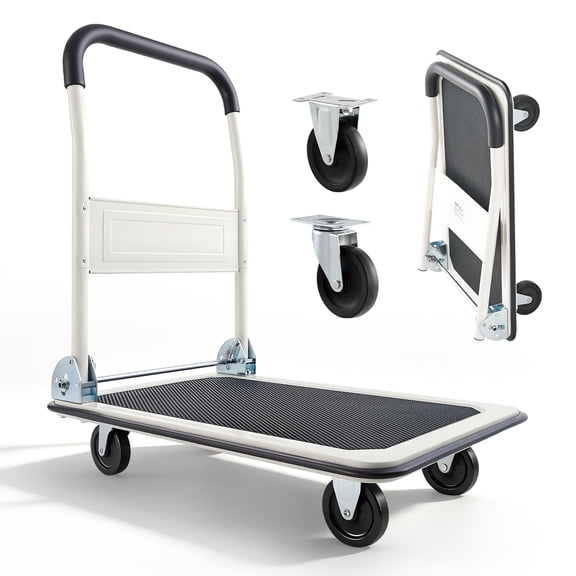
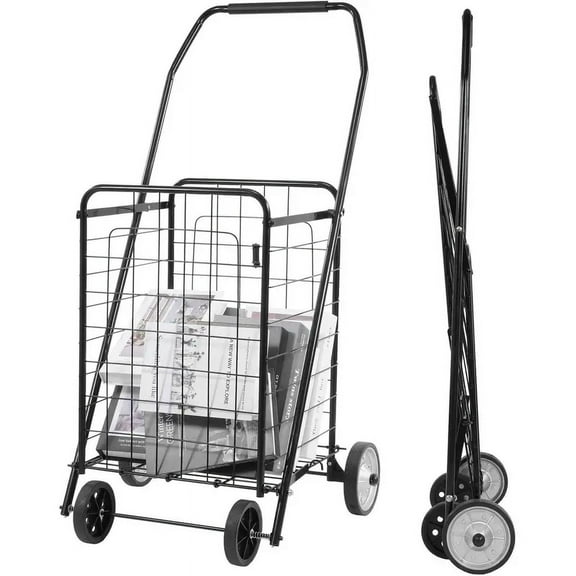
- You can pick a folding hand truck when your storage space is tight between jobs.
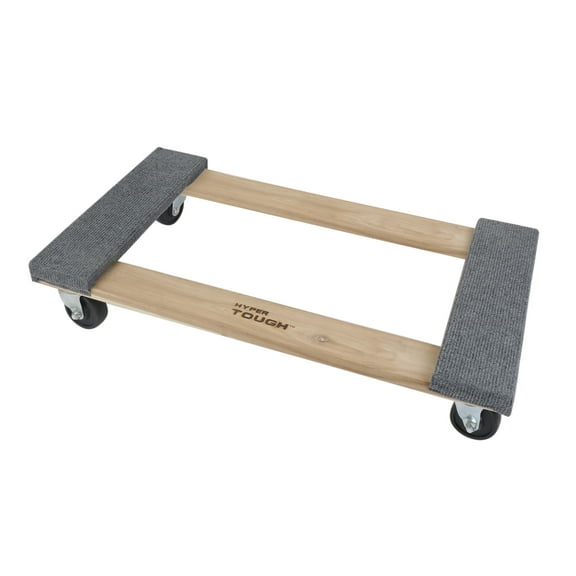
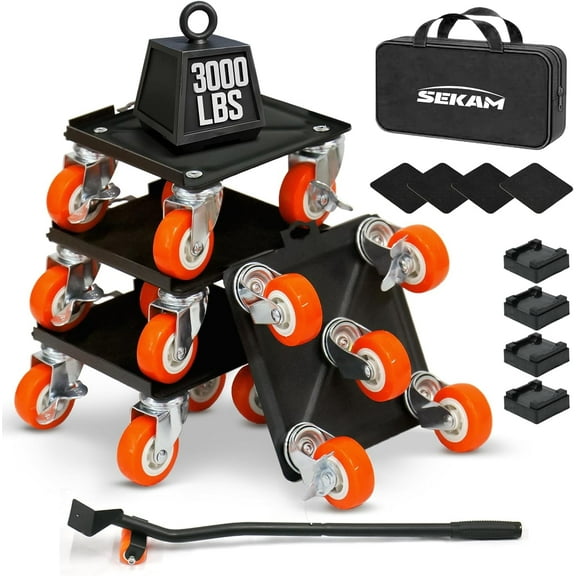
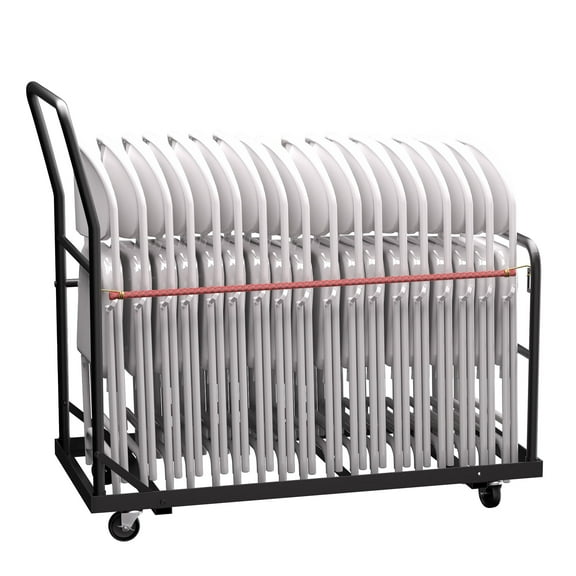
- You can use moving dollies for furniture, stacked boxes, and large containers with broad bases.
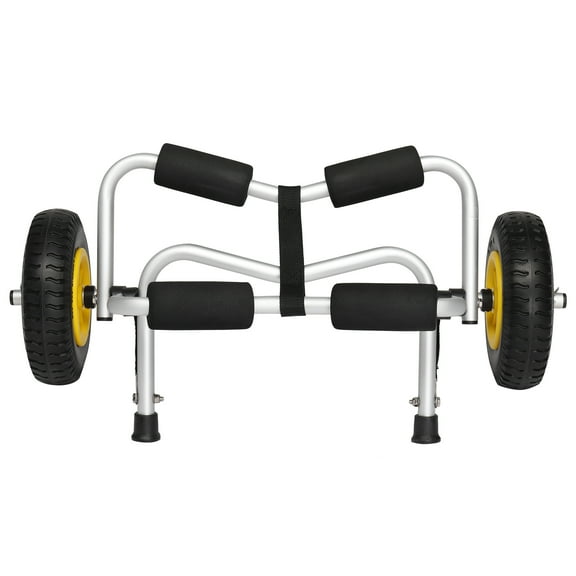
- You can compare wheel designs to match pavement, warehouse floors, ramps, and rougher outdoor paths.
Choosing load capacity and frame material
You should check load capacity first because it affects stability and confidence during every trip. Your options may include 300 lbs, 500 lbs, and 1000 lbs ratings for lighter or heavier tasks.
A 300 lbs rating often fits occasional moves, classroom supplies, office boxes, and household storage bins. A 500 lbs rating suits frequent transport, while 1000 lbs ratings support heavier commercial loads.
You can compare aluminum, steel, and heavy-duty plastic frames based on weight and handling feel. Your aluminum frame often feels lighter, while your steel frame usually adds rigidity for repeated demanding use.
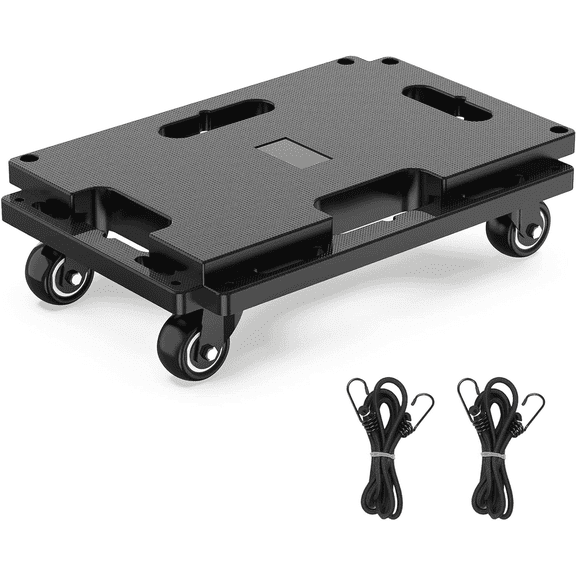
Heavy-duty plastic platforms can work well when you want a lighter push cart dolly for bins and cartons. You should measure both your load weight and item size before choosing a deck or toe plate.
You'll also want to check whether the frame converts between upright and platform positions. A convertible hand truck can help you handle tall boxes one day and wider loads the next.
Comparing wheel types and handling control
You should match wheel type to the surfaces you cross most often. Your wheel choice affects rolling feel, noise, and control over thresholds, cracks, and ramps.
Pneumatic wheels contain air, so you may notice a softer ride on uneven ground. They can suit outdoor paths, gravel driveways, and mixed surfaces during larger moving jobs.
Flat-free solid rubber wheels give you a firmer ride and simpler upkeep over time. You may prefer them for garages, stockrooms, hallways, and paved routes with fewer rough spots.
Swivel casters help you turn a utility dolly cart in tighter spaces and around corners. You'll often see them on moving dollies and platform carts for furniture and stacked totes.
You should also consider handle style because your grip changes how you guide a load. A loop handle can feel centered in your hands, while a P-handle can support one-handed steering.
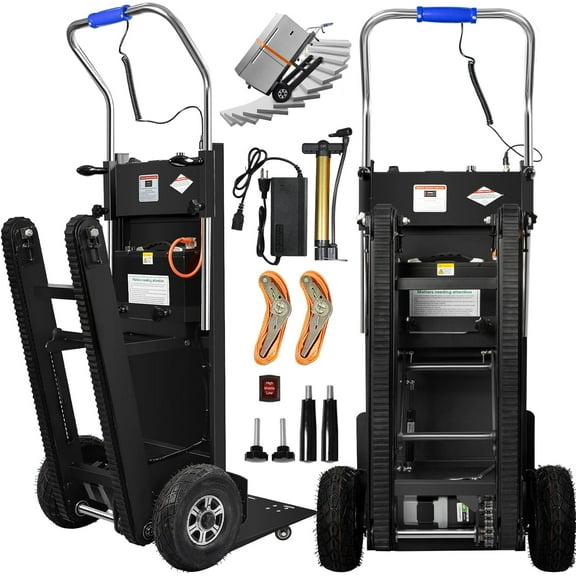
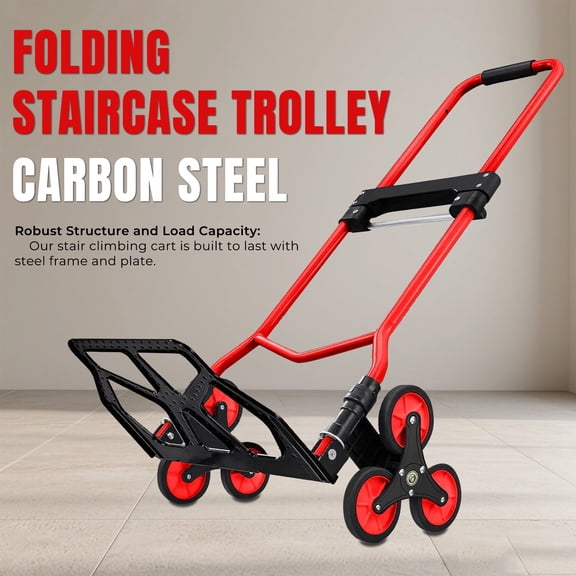
If you move items up steps, you may look for a stair climbing hand truck design. You should still compare wheel layout, frame angle, and load rating for your route.
Deciding between folding and rigid frames
You can save floor space by choosing a folding hand truck with a compact frame. Your folding or telescoping handle can tuck into closets, car trunks, or crowded supply rooms.
A rigid frame can make sense when you use your truck often and want quick grab-and-go access. You may prefer that design for loading docks, back rooms, and busy work areas.
Telescoping handles help you adjust carrying height and reduce bulk between uses. You should check folded dimensions if your storage area is narrow or shared.
You can also compare toe plate size and platform depth for the loads you carry. Your larger base can support wider cartons, while your smaller frame may fit tighter paths.
Matching the right cart to your tasks
You might need different designs for move-in day, deliveries, and routine restocking. Your task type usually determines whether you need upright support, a flat deck, or a converting frame.
For apartment moves, you may want moving dollies with swivel casters for furniture and storage tubs. You'll also want a hand truck for stacked boxes in hallways and elevators.
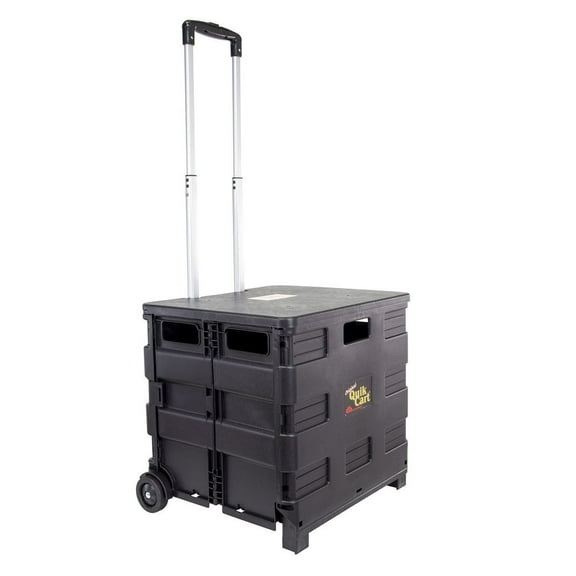
For offices and classrooms, you can use a push cart dolly for paper cases, file boxes, and supply bins. Your folding frame can store neatly when shared spaces stay busy.
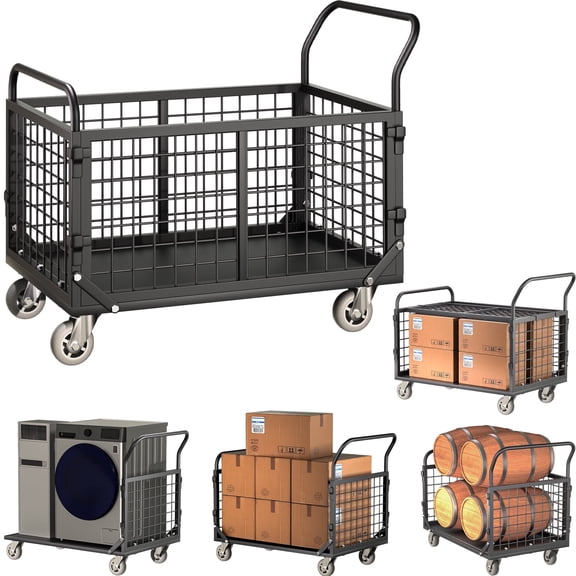
For workshops or stockrooms, you may lean toward a heavy duty hand truck with steel construction. You'll benefit from higher load ratings when you move toolboxes, cartons, and bulk materials.
For delivery routes, you can choose lighter aluminum frames that load easily into vehicles. Your compact setup helps when you make frequent stops and need quick storage between runs.
If your loads vary from tall to wide, a convertible hand truck adds welcome flexibility. You can switch configurations to fit boxed equipment, bins, or flat-packed items without changing tools.
With the right combination of capacity, wheels, and frame design, you can move loads more smoothly. Your setup can help you handle everyday transport with steadier control and easier storage.