










Cold Weather Clothing Shop


























































About Cold Weather Clothing Shop - Walmart.com
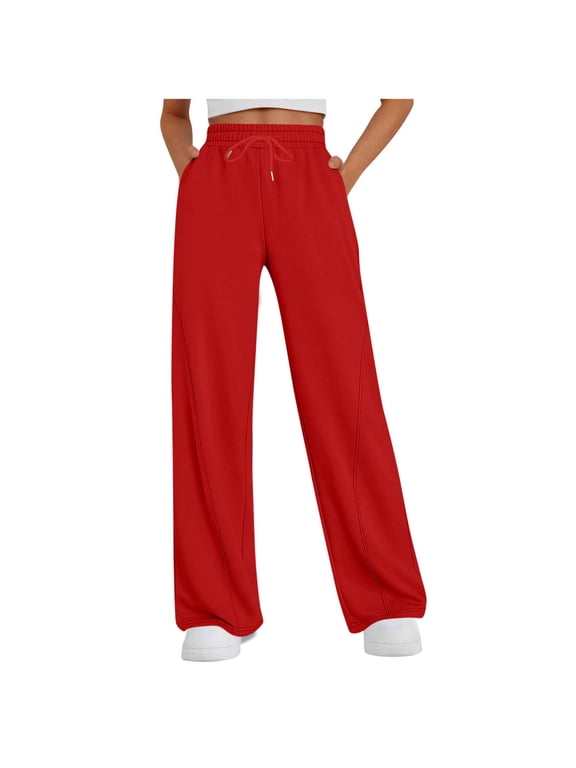
You can build a reliable winter wardrobe with cold weather apparel that layers easily, traps warmth, and fits your daily routine. You’ll find options for commutes, school mornings, outdoor walks, and freezing game days without guessing how each layer works together.
How to choose cold weather apparel
When you compare cold weather apparel, you’ll want to start with the three-layer system. You’ll get more flexibility when your base layer, mid layer, and outerwear each handle a specific job.
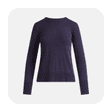
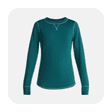
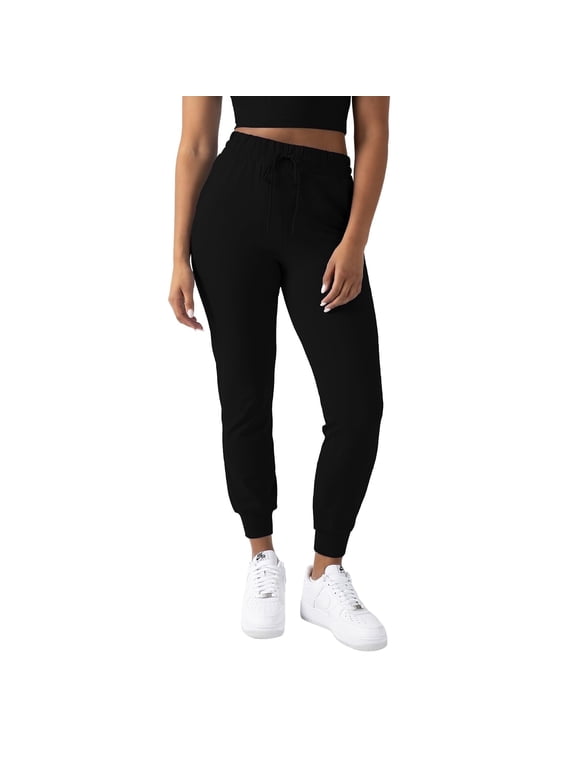
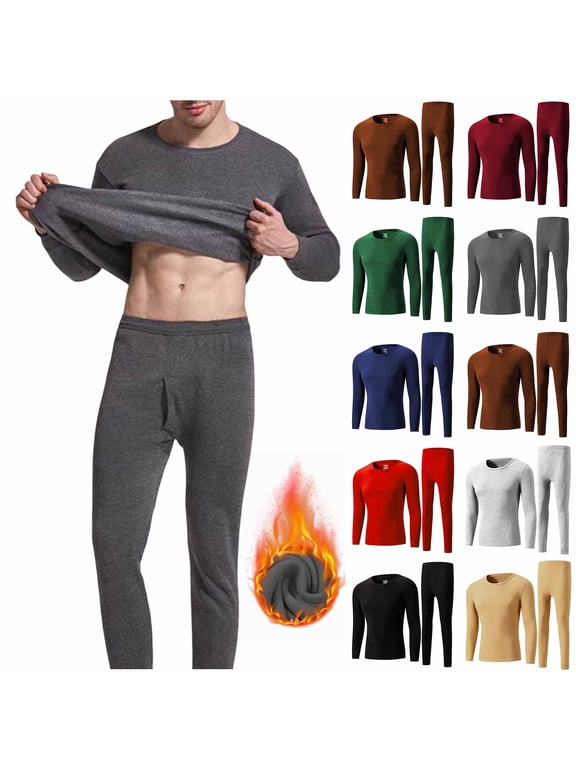
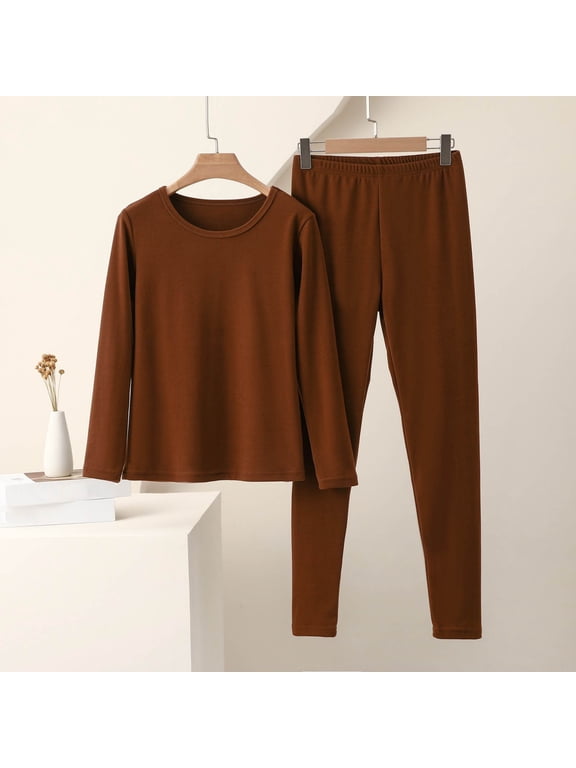
Your base layer sits closest to your skin and should feel light and easy to move in. You’ll want thermal base layers that help manage warmth without adding bulky weight.
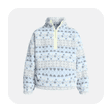
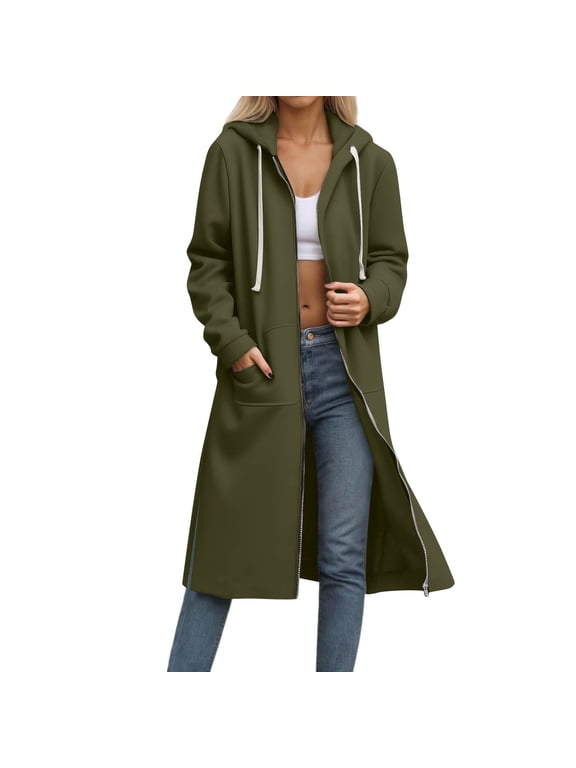
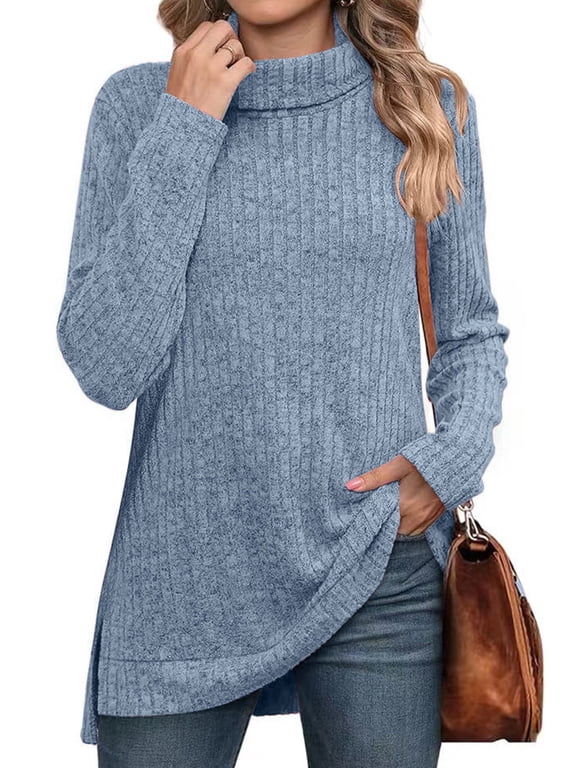
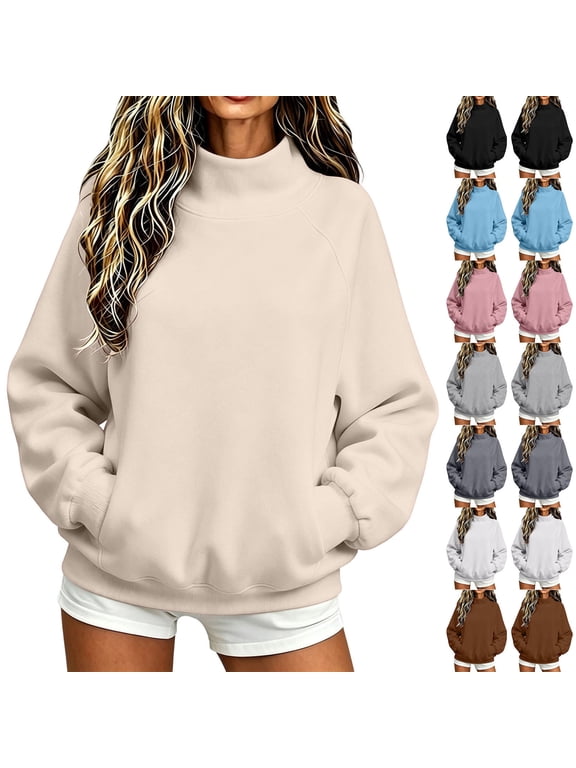
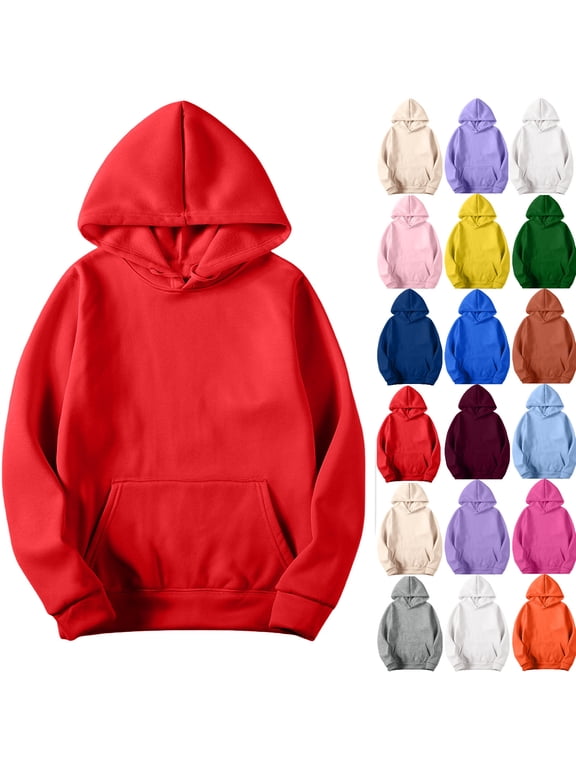
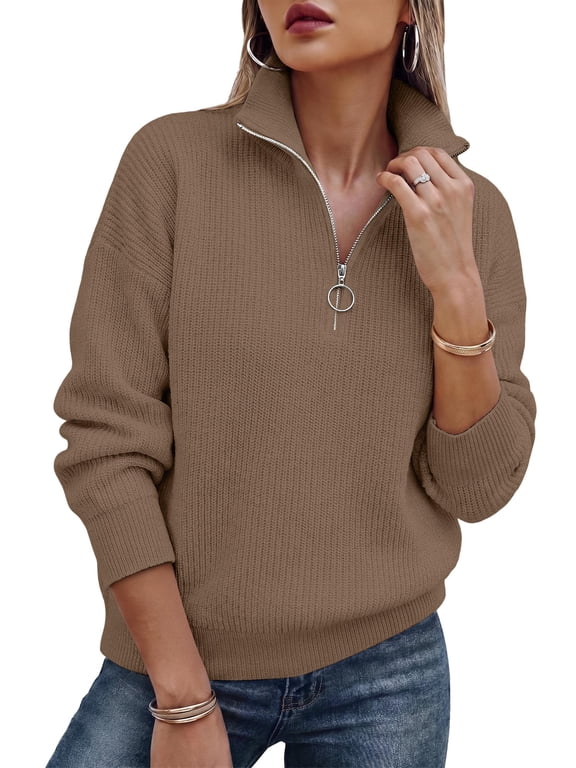
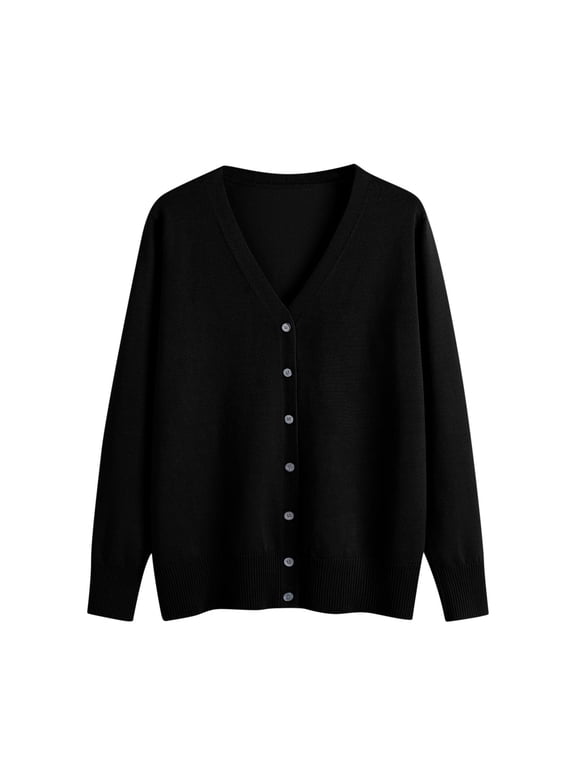
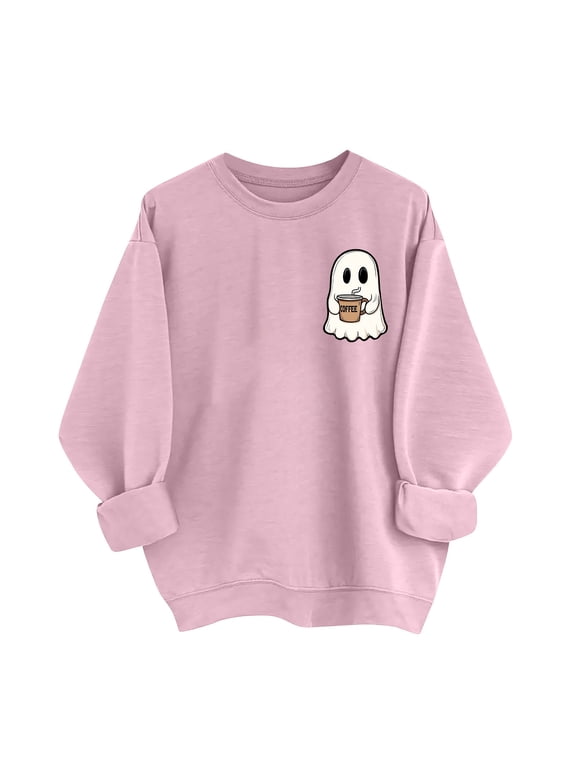
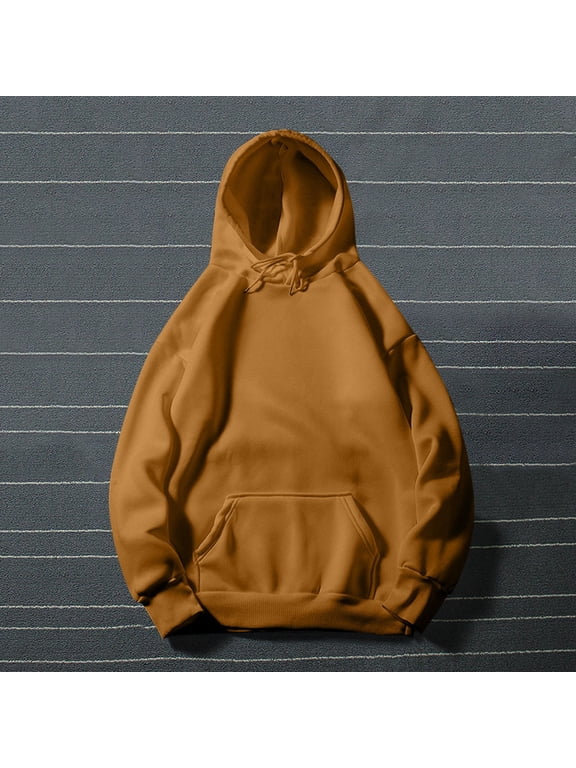
Your mid layer adds insulation, and you’ll often compare fleece, wool, thermal knit, and down fills. You’ll notice each material changes how warm winter apparel feels during long outdoor hours.
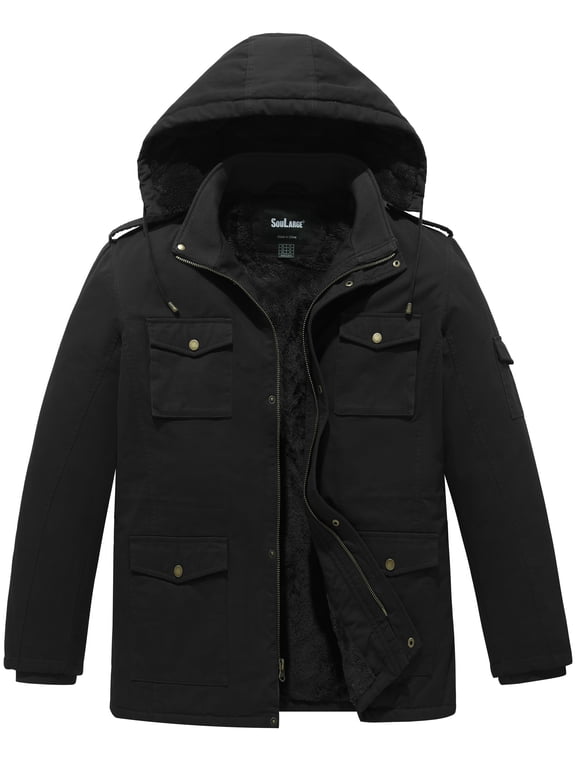
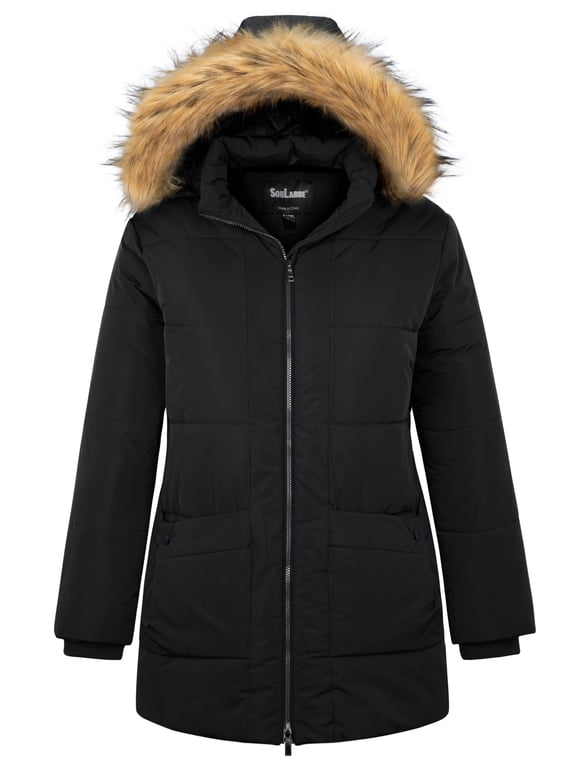
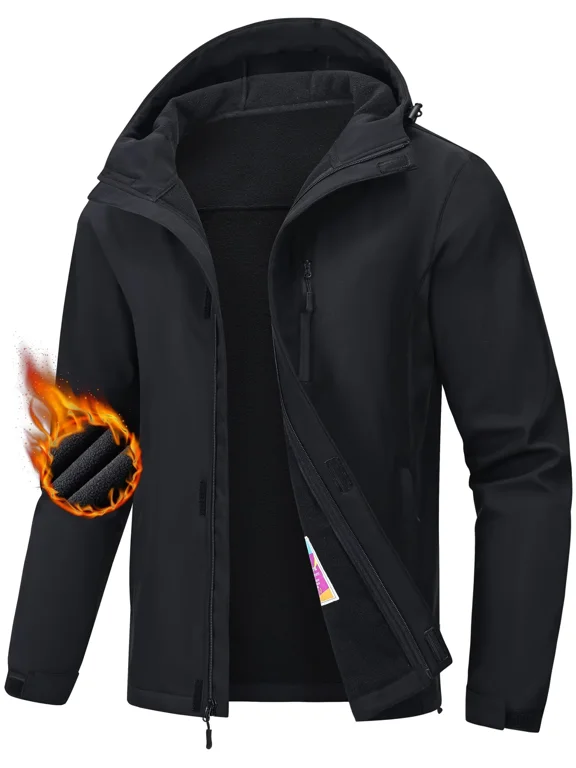
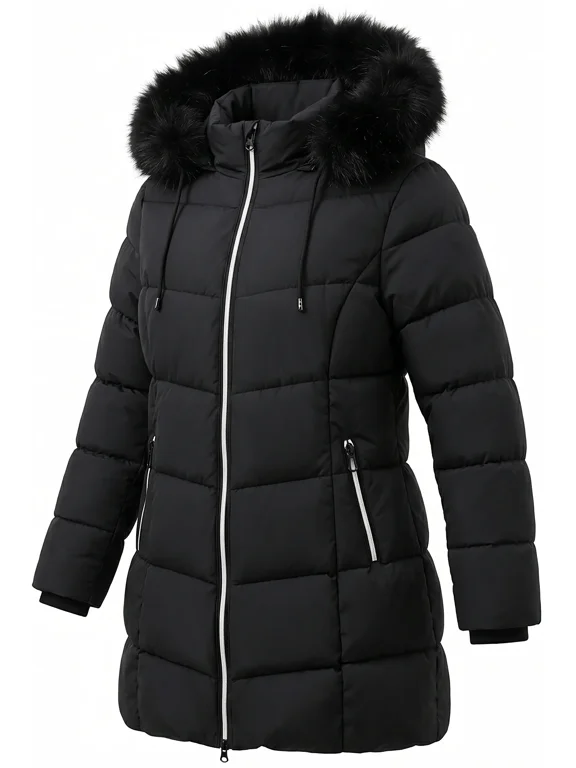
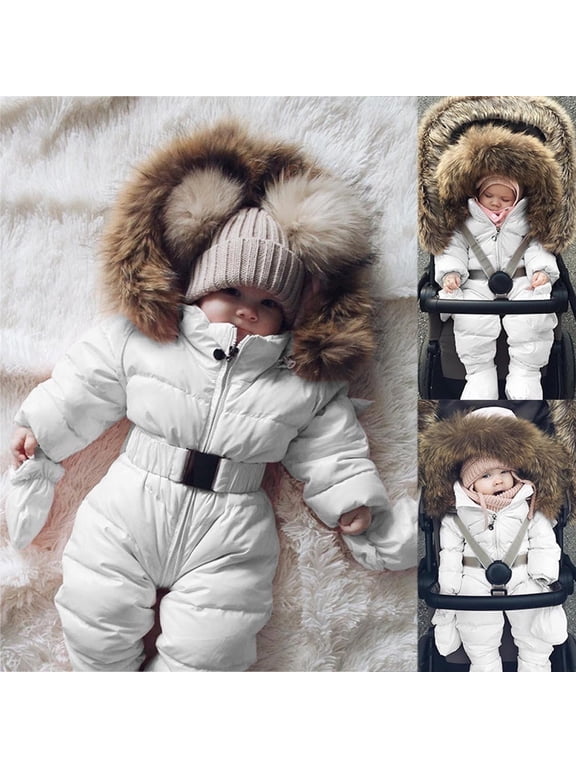
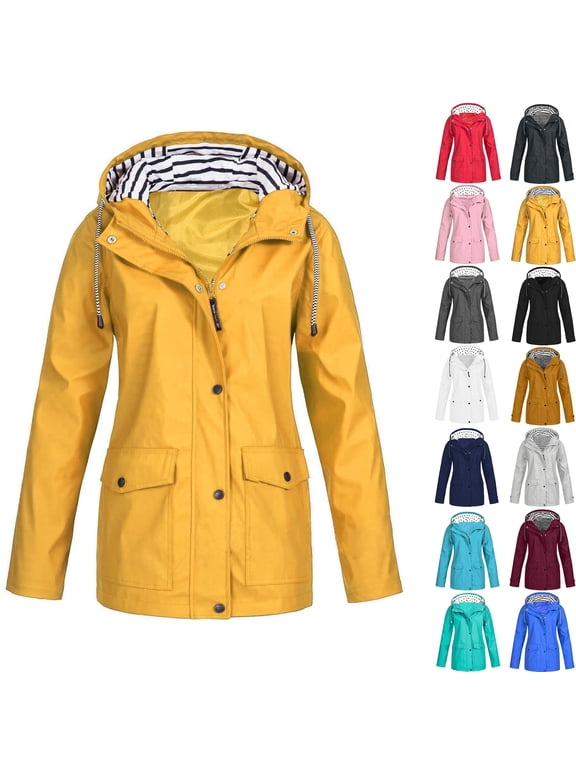
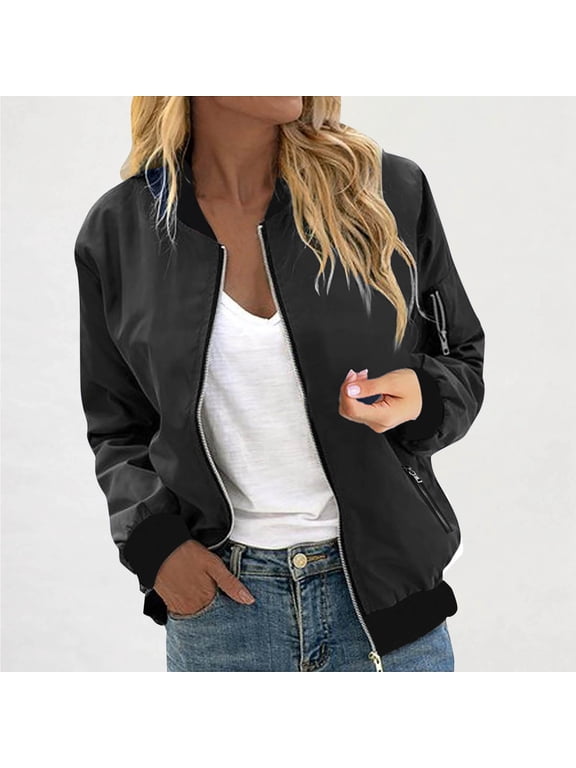
Your outerwear shields your layers from wind, light moisture, and cold air. You’ll want enough room for sweaters or hoodies underneath without losing comfortable movement.
Choosing cold weather clothing by material and warmth
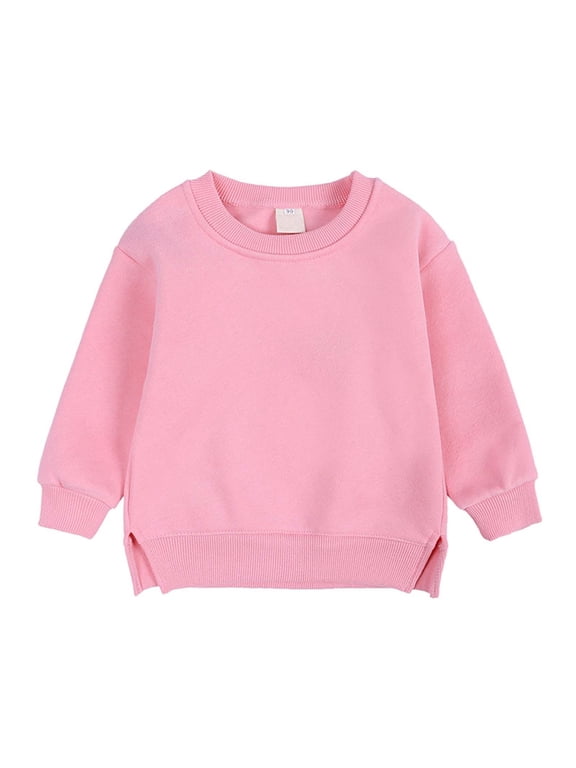
As you compare cold weather clothing, you’ll want materials that match your weather and activity level. You’ll usually reach for fleece when you want soft warmth and easy layering.
If you prefer natural texture and dependable insulation, you may look for wool blends. You’ll often choose thermal knit pieces when you want close-fitting warmth for everyday wear.
For heavier insulation, you may compare down-filled coats and puffers with fill power details. You’ll use higher fill power as a sign of lighter warmth for very cold conditions.
Thermal ratings can also help you compare warmth across jackets and base pieces. You’ll want those details when you’re dressing for early mornings, windy sidelines, or long stretches outdoors.
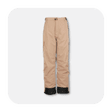
- You can use base layers for close-to-body warmth under jeans, uniforms, or snow pants.
- You can choose fleece or wool mid layers when your day includes changing indoor and outdoor temperatures.
- You can look for insulated outerwear when your routine includes wind, long waits, or extended time outside.
- You can compare breathability and weather resistance when you need comfort during walking, work, or active play.
What to look for in winter clothes and fit
Fit matters because your winter clothes need space for layering without feeling oversized. You’ll want slim base layers, relaxed mid layers, and outerwear that closes comfortably over everything.
If you plan to wear thick sweaters, you may need to size up in coats or parkas. You’ll want to check chest, sleeve, and hip measurements before choosing heavier outerwear.
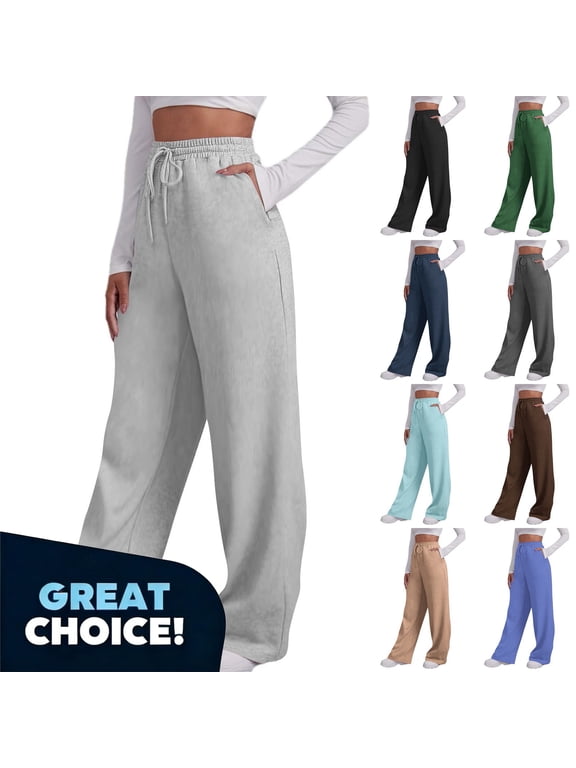
Family shopping also changes what you compare first. You may shop men’s, women’s, kids’, and unisex pieces differently because each fit supports different layers and movement.
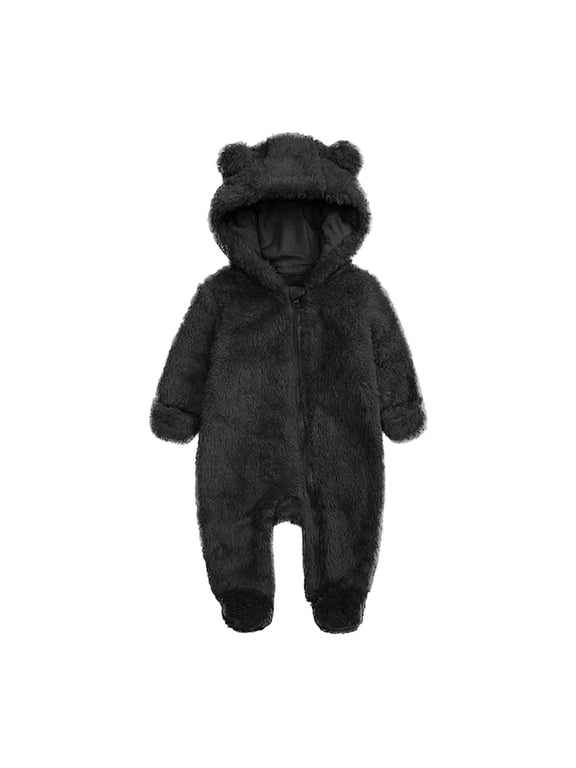
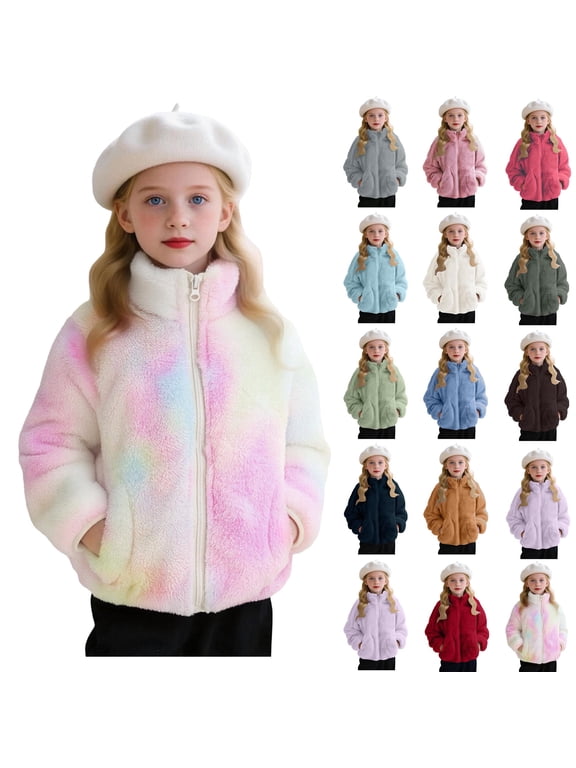
For school days, you may prefer kids’ outerwear with room for uniforms and fleece underneath. For commuting, you may want streamlined coats that still fit over office layers.
Comparing weather resistance and breathability
You’ll often balance weather resistance with breathability when choosing cold weather gear. You’ll want outer layers that block wind while still feeling comfortable during walking or active errands.
Water-resistant finishes can help when your forecast includes flurries or damp sidewalks. You’ll want breathable fabrics when your pace changes between outdoor movement and warm indoor stops.
For everyday casual wear, you may choose lighter insulation and flexible layering pieces. For outdoor active use, you’ll often prefer lighter bulk, easier movement, and quick-adjust coverage.
When you’re dressing for extreme cold, you’ll usually combine thermal base layers, a warmer mid layer, and insulated outerwear. You’ll get steadier comfort when each layer works together instead of competing for space.
How to match warm winter apparel to real routines
Your morning commute may call for a thermal top, a fleece layer, and a wind-blocking coat. You’ll stay comfortable on the walk in, then adjust easily once you’re indoors.
For school drop-offs and weekend errands, you may want winter clothes that move from car rides to sidewalks smoothly. You’ll appreciate lighter layers that still feel warm during repeated short trips.
If your plans include hiking, sledding, or long outdoor events, you may lean on cold weather gear with stronger insulation details. You’ll want coverage that feels warm without restricting your arms or shoulders.
For family packing, you can simplify choices by matching layers to each person’s day. You’ll make dressing easier when base, mid, and outer layers each have a clear role.
With the right cold weather apparel, you can dress for shifting temperatures with less guesswork and less bulk. You’ll feel prepared for everyday cold, active weekends, and deeper winter weather with layers that work together.