




Emergency Preparedness



























About Emergency Preparedness - Walmart.com
Emergency preparedness helps you organize food, water, light, and first aid before storms or outages interrupt your routine. You can compare kit type, supply duration, and portability to build coverage for home, travel, or evacuation.
Some households need a compact setup for one person, while others need broader coverage for relatives, children, or pets. You can also focus on category essentials like emergency food and water, backup lighting, warmth, and charging support.
How to choose emergency preparedness for your household
Start with household size and the number of days you want covered. Your decision often narrows quickly when you compare individual, family, pet, and vehicle survival kits.
A smaller setup may suit commuting, dorm living, or occasional road travel. A larger setup can help your household keep shared items grouped by person, day, and use.
Duration matters just as much as size when you compare supplies. You may want a 72 hour emergency kit for grab-and-go use, while longer coverage can fit extended outages.
- You can choose individual kits when your routine calls for lighter carry weight and simple organization.
- You can choose family kits when your household needs shared meals, water, lighting, and hygiene items together.
- You can choose pet kits when your plan includes food storage, bowls, cleanup items, and leashes.
- You can choose vehicle kits when your trunk needs emergency survival gear for storm delays or cold-weather travel.
Choosing disaster preparedness supplies by category
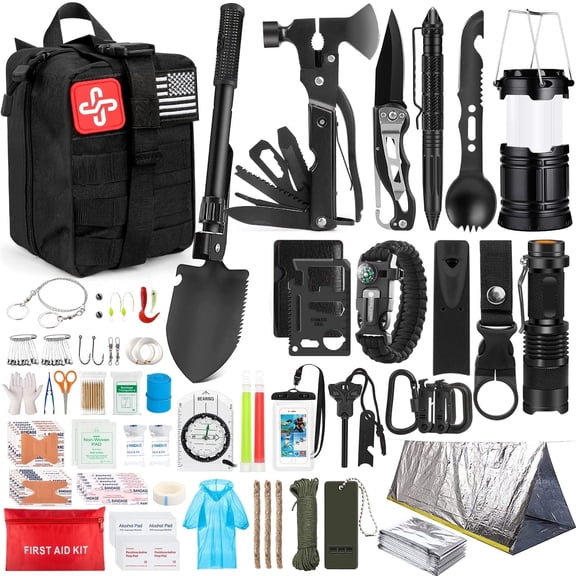
Category planning gives your emergency preparedness setup more complete coverage. You can combine food and water, first aid supplies, power tools, and shelter items around the situations you expect.
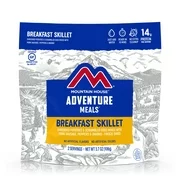
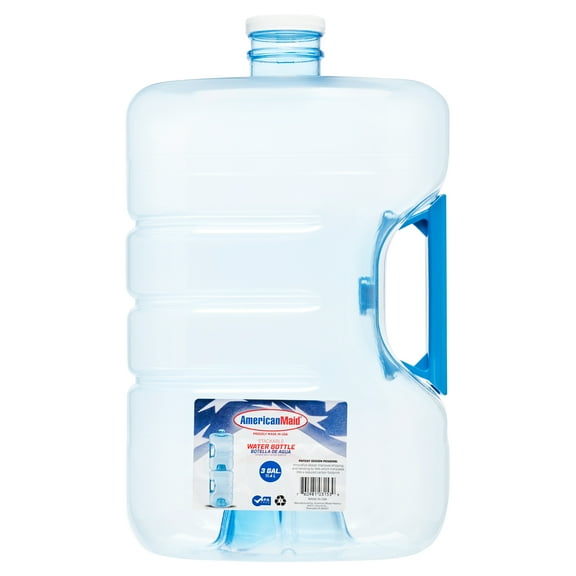
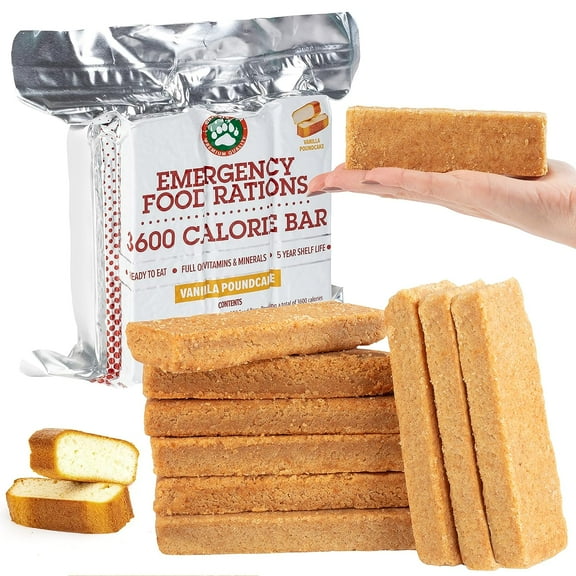
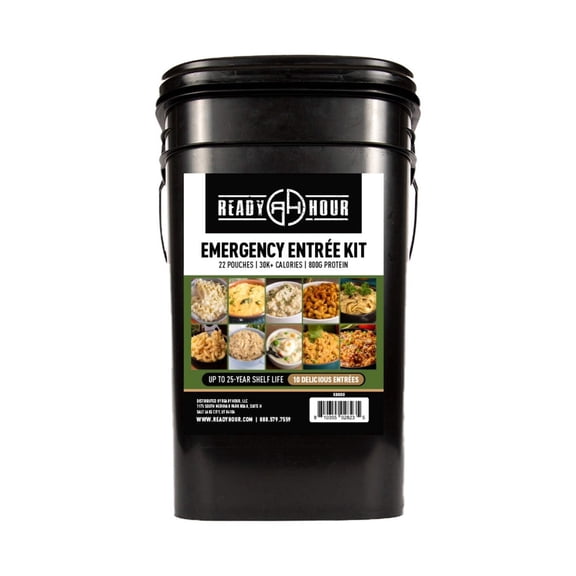
When you compare food and water, check serving counts, package style, and shelf life details. Clear dating helps you track replacement timing without second guessing what needs attention.
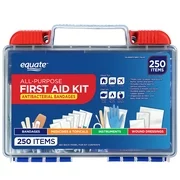
First aid supplies work well when your essentials stay sorted and easy to identify. Separate pouches and labeled sections help you find bandages, wraps, and small tools faster.
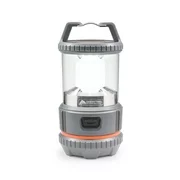
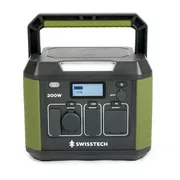
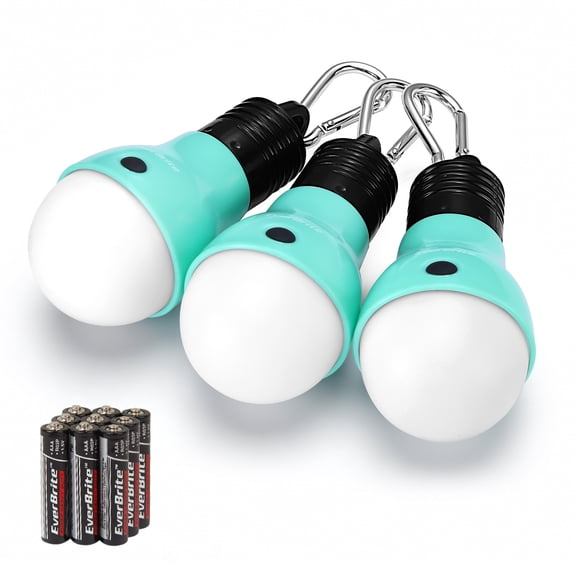
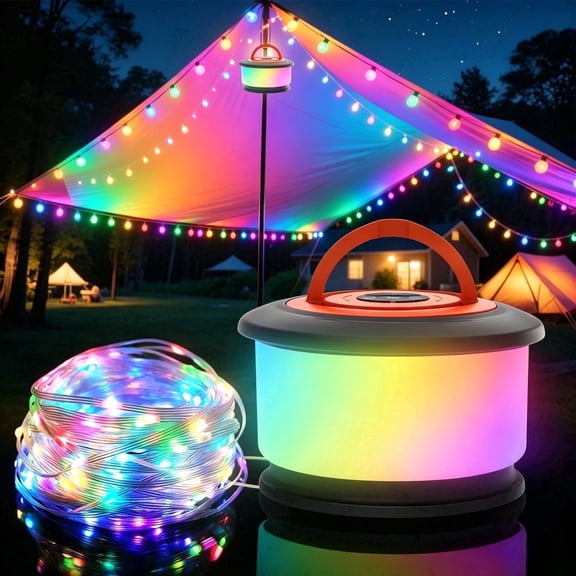
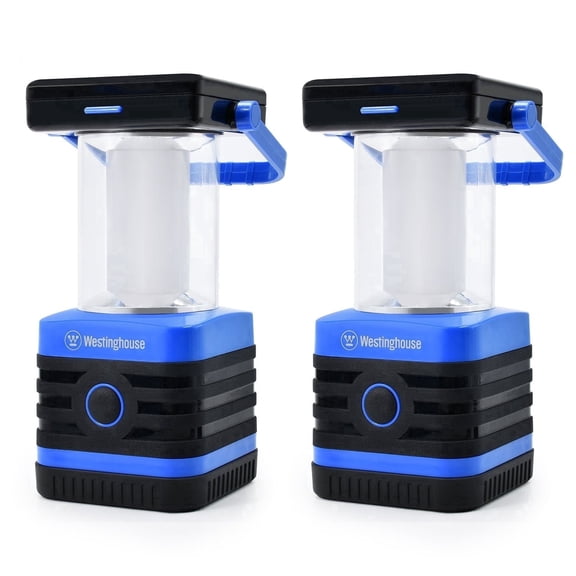
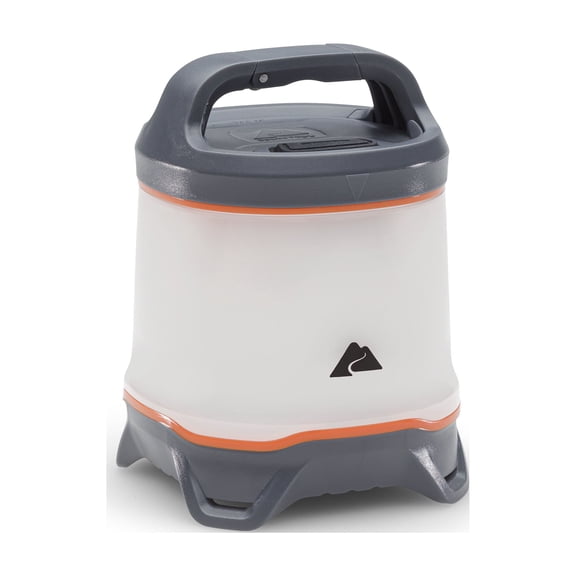
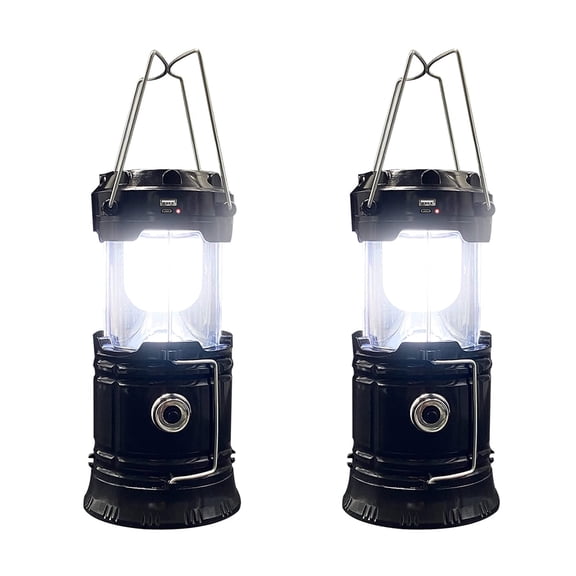
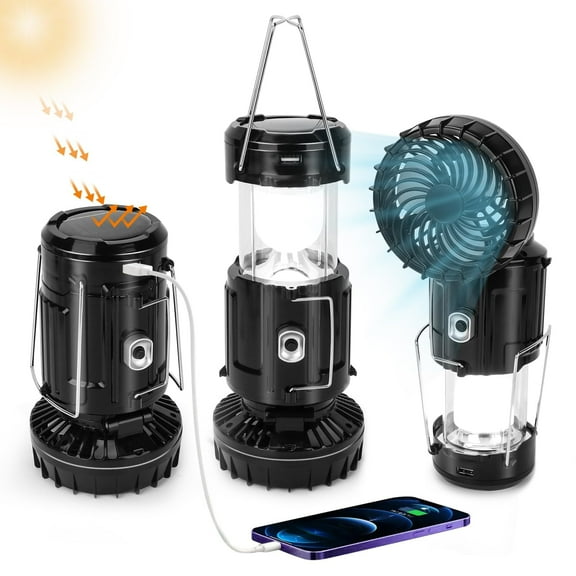
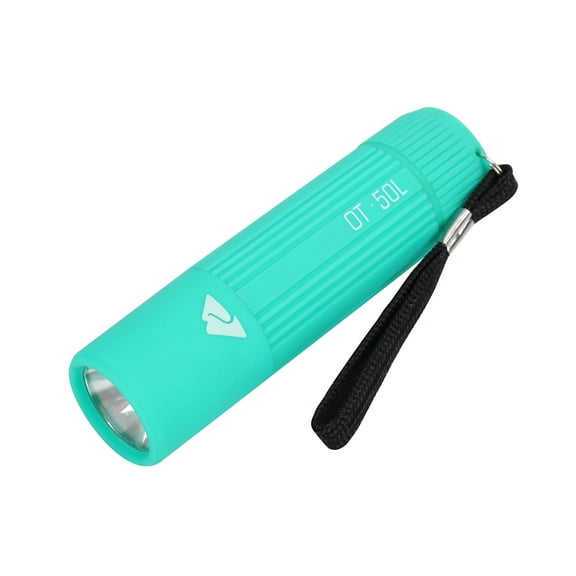
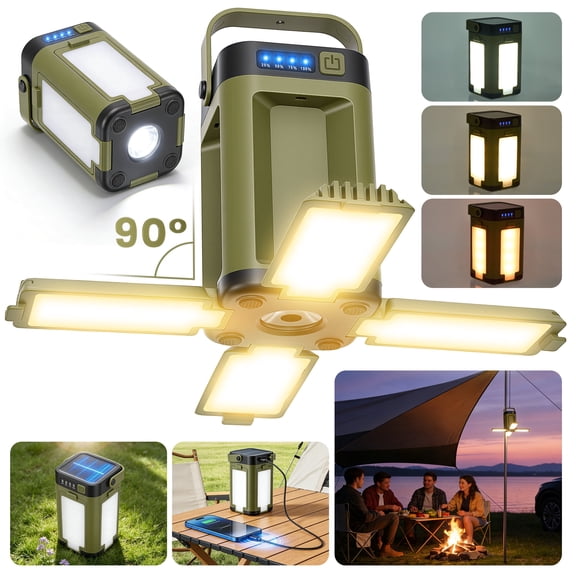
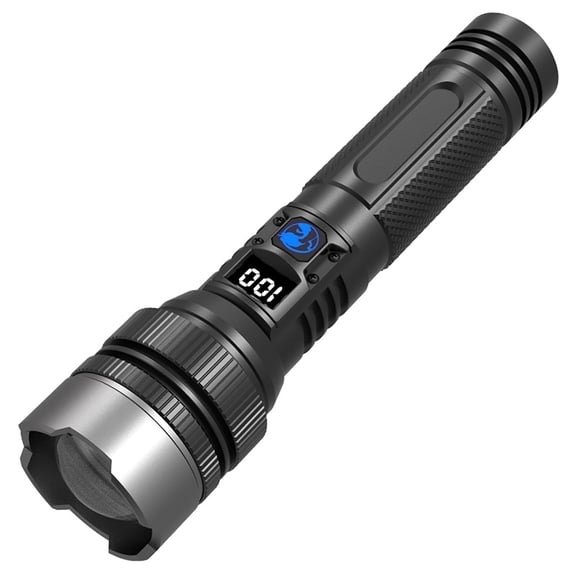
Power and lighting choices can shape how useful your setup feels during an outage. Flashlights, lanterns, batteries, and an emergency power generator can support visibility and device charging.
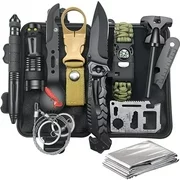
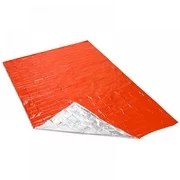
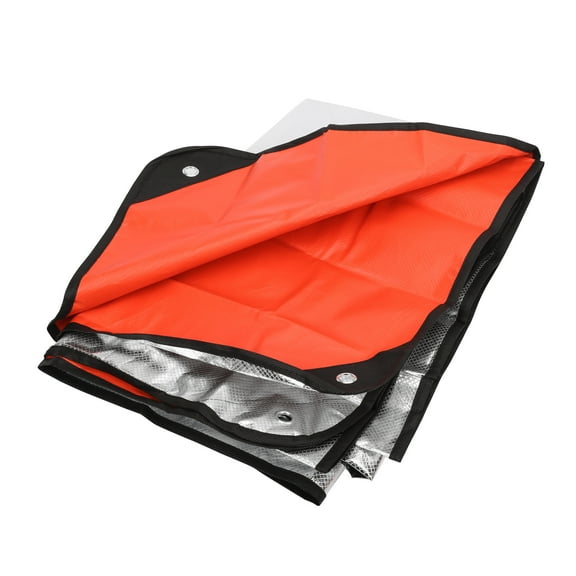
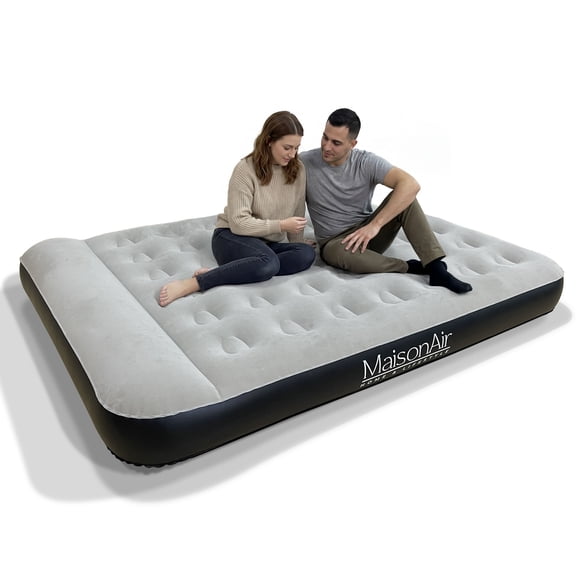
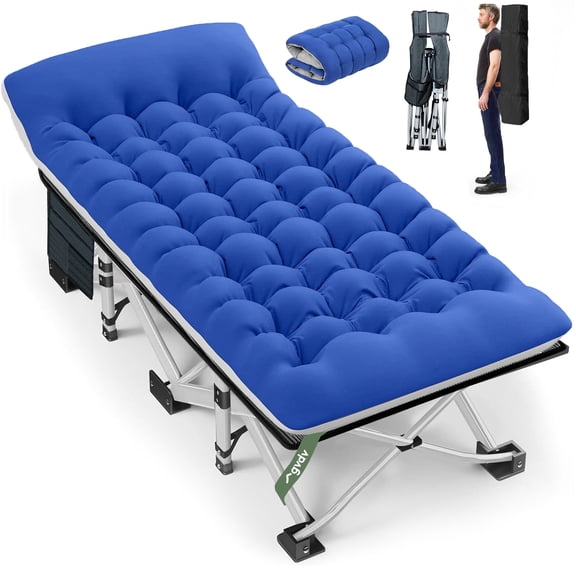
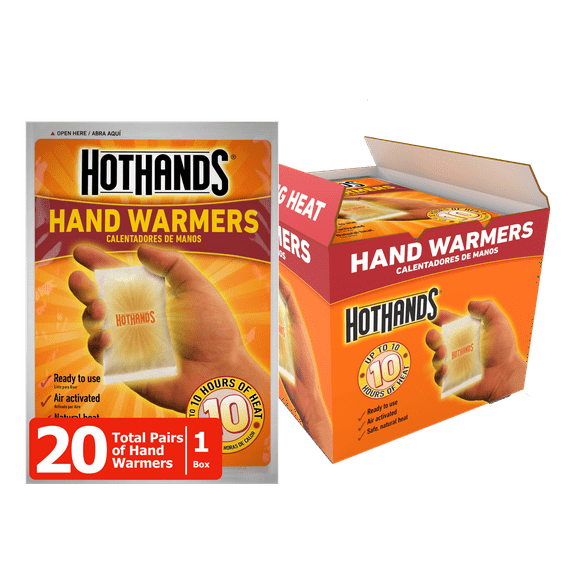
Shelter and warmth items round out your plan for waiting, travel, or temporary relocation. Blankets, ponchos, sleeping bags, and weather-ready coverings help your space feel more usable.
Choosing emergency survival gear by duration and portability
Portability matters when you may need to move supplies from a closet to a car quickly. You should compare backpack, heavy duty case, and wall-mounted formats based on access and carrying comfort.
A backpack can make evacuation prep easier because your hands stay free while you carry supplies. A heavy duty case can help you separate larger loads and stack household essentials neatly.
Wall-mounted storage can work well when you want a fixed location in a garage or utility area. You can spot lights, tools, and first aid items faster when your layout stays visible.
Weight also affects how practical your setup feels in real use. You should check whether you can carry your chosen supplies comfortably when you pack food pouches, water, and lights together.
Shelf life should guide your maintenance plan as much as your carry style. You can refresh dated components more easily when your storage method keeps contents organized and easy to review.
How to match survival kits to real situations
Different routines call for different combinations of disaster preparedness supplies. You can build one setup for home outages, another for your vehicle, and another for quick evacuation.
Storm season often calls for hurricane preparedness supplies that emphasize water, shelf-stable meals, lighting, and charging accessories. Keeping those items grouped together can make your response feel more organized.
Cold-weather travel may call for a winter emergency car kit with blankets, lights, and compact food items. Your vehicle setup stays easier to maintain when you store it separately from home supplies.
Apartment living can change how you approach storage and duration. You may prefer compact survival kits that fit entry closets while still covering several days with portable lighting.
Larger households often need multi-person packs and a clearer refill schedule. You can simplify upkeep when quantities, replacement dates, and daily coverage stay easy to track.
Guideline-based planning can also help you compare contents with more confidence. You may look for references to FEMA or Red Cross recommendations when you review a 72 hour emergency kit.
What to look for before you finalize emergency preparedness
Before you decide, review shelf life, carry method, and category coverage together. You should check whether your setup supports communication, light, warmth, cleanup, and basic first aid.
A clear plan makes emergency preparedness easier to maintain through changing seasons and routines. You gain a practical setup that keeps essential supplies organized and ready for real disruptions.