








All Cameras in Cameras & Camcorders


































About All Cameras in Cameras & Camcorders - Walmart.com
Digital cameras give you manual control over photos and video. You can compare camera types, zoom ranges, and recording options around how you shoot.
If you're choosing your next camera, you may find options for quick snapshots, guided beginner use, and advanced creative setups. You can also narrow your search by lens system, waterproof design, and video resolution.
Choosing digital cameras by camera type
When you compare digital cameras, you should start with camera type because it shapes handling, image control, and portability. You can usually sort your options into point and shoot cameras, mirrorless cameras, DSLR models, instant cameras, and action cameras.
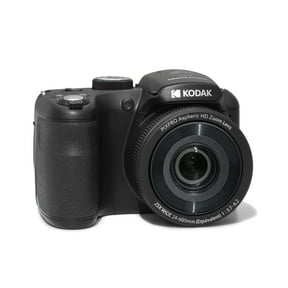
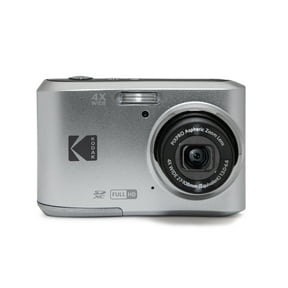
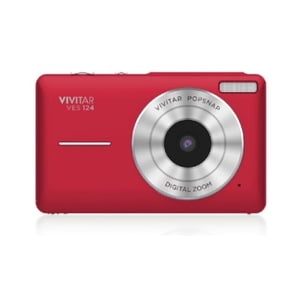
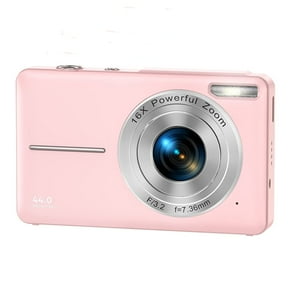
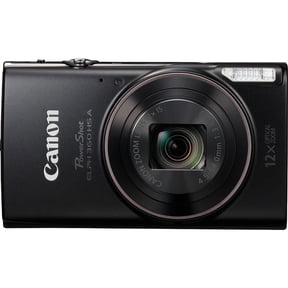
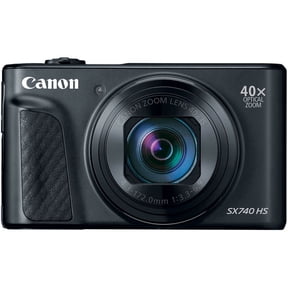
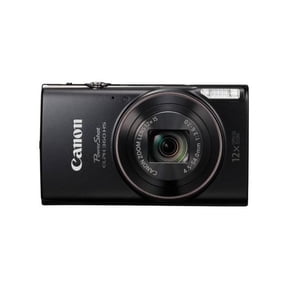
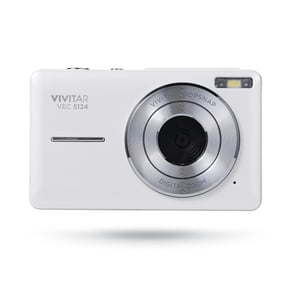
If you want simple setup and easy carrying, you may prefer compact digital cameras or point and shoot cameras. You can slip these into a bag, use built-in lenses, and start shooting quickly.
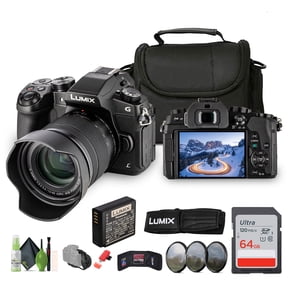
If you want interchangeable lenses and a lighter body, you may lean toward mirrorless cameras. You can change lenses for portraits, travel, or low-light scenes while keeping your kit easy to carry.
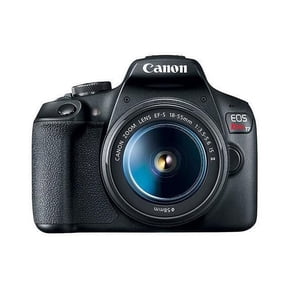
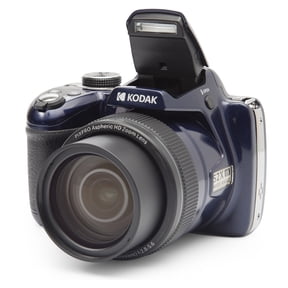
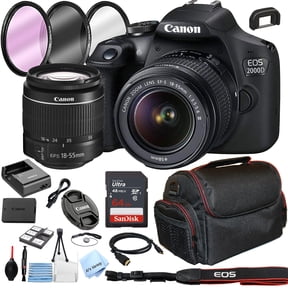
If you want a traditional grip and optical viewfinder, you may consider DSLR choices. You can match sensor size and lens compatibility to your shooting goals for more deliberate photography.
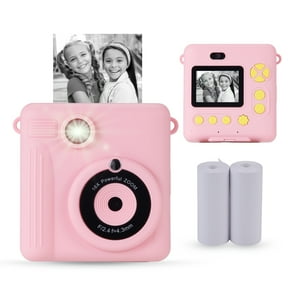
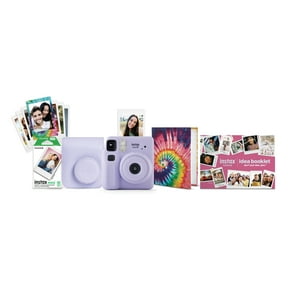
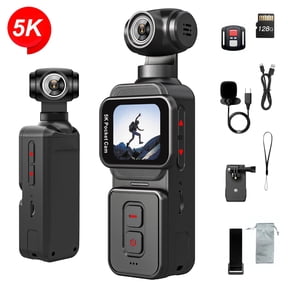
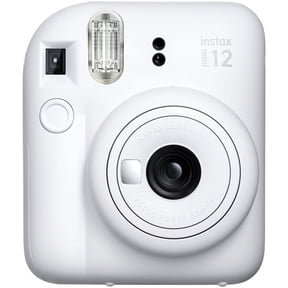
If you want instant prints or small action-ready bodies, you can compare instant and action styles. You may pick these formats when portability or on-the-go sharing matters to you.
How to choose features that match your use case
Your main use case should guide the features you compare first. You can narrow your search quickly when you know whether you need travel digital cameras, vlogging cameras, beginner-friendly controls, or kids' models.
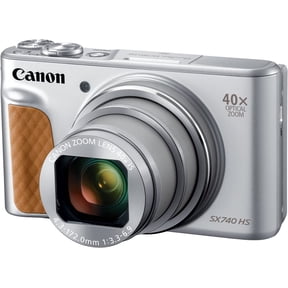
For travel, you may want a lighter body, a compact shape, and useful optical zoom. You can pack easily and still frame landmarks, street scenes, and family moments.
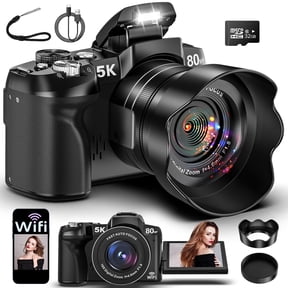
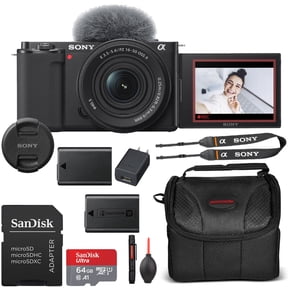
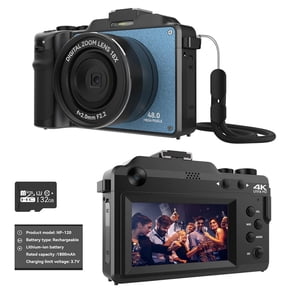
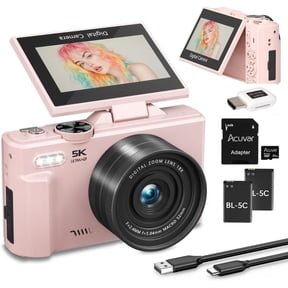
For content creation, you may look for vlogging cameras with a flip screen and 4K Ultra HD recording. You can frame yourself clearly and monitor your video while you record.
For learning photography, you may want guided menus, automatic shooting modes, and room to grow. You can start simply, then explore manual settings as your confidence builds.
For younger users, you may prefer simpler controls and smaller designs. You can keep the experience approachable while still capturing birthdays, vacations, and school events.
- If everyday convenience matters to you, point and shoot cameras can keep setup simple.
- When lighter carry and lens flexibility matter, mirrorless cameras can fit your routine.
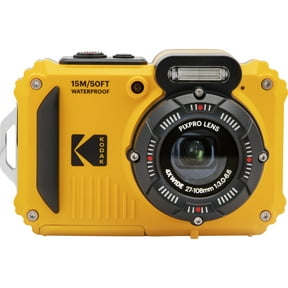
- For pool days, beach trips, and wet weather outings, waterproof digital cameras can suit your plans.
- If self-recording is part of your setup, vlogging cameras can give you flip-screen visibility.
- When manual controls matter to you, digital cameras for photography can support creative practice.
Comparing resolution, zoom, and image control
When you compare specs, you should focus on resolution, zoom, stabilization, and sensor size. You can use these details to match image quality and framing flexibility to your plans.
If you see 20MP+ resolution, you can expect more detail for prints and cropping. If you choose 12MP, you may still get clear everyday photos with smaller file sizes.
If you record video often, you may compare 4K Ultra HD with 1080p Full HD. You can choose 4K for sharper footage, while 1080p may suit casual clips and simpler storage needs.
You'll also want to compare optical zoom and digital zoom before you decide. You can count on optical zoom for clearer distance shots because the lens does the work.
If you shoot while walking or filming handheld, you may want image stabilization. You can get steadier framing for travel clips, casual family videos, and everyday snapshots.
Sensor size matters when you want more creative control or improved low-light performance. You can often pair larger sensors and lens compatibility with more flexibility for portraits and detailed scenes.
Matching digital cameras to real shopping scenarios
If you want an easy vacation companion, you may choose travel digital cameras with compact sizing and optical zoom. You can pack light and still capture wide views and distant details.
If you create videos for social platforms, you may compare vlogging cameras with a flip screen, stabilization, and 4K recording. You can frame yourself quickly and keep your setup manageable.
If you plan to grow into a hobby, you may prefer mirrorless cameras with interchangeable lenses. You can expand your setup over time for portraits, sports, landscapes, and home projects.
If you want straightforward family photos, you may like point and shoot cameras with automatic modes. You can hand the camera to different users and still get consistent shots.
If your plans include water, sand, or active days outdoors, you may look at waterproof digital cameras or action styles. You can bring your camera along when a standard body feels less practical.
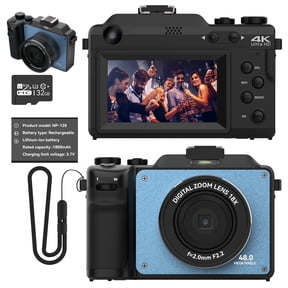
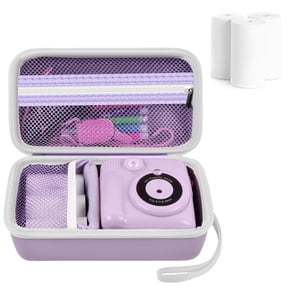
If you're comparing bundles, you may check included accessories like memory cards, carrying cases, batteries, or straps. You can stretch your setup further when the essentials arrive together.
What to look for before you decide on digital cameras
Before you choose, you should compare camera type, use case, resolution, and handling comfort together. You can avoid guesswork when you match sensor size, lens compatibility, and screen style to your routine.
At Walmart, you can sort digital cameras by the features that fit your photography, travel, or video plans. You can land on a camera that fits your pace, your skill level, and your everyday shooting goals.