

Radar Detectors










About Radar Detectors - Walmart.com
Radar detectors help you compare band coverage, GPS features, and mounting styles before you choose a setup for daily driving. You can narrow your options quickly when you understand detection types, alert filtering, and windshield fit.
How to choose radar detectors for cars
When you shop radar detectors for cars, you should start with the detection types your routes may require. You may compare radar, laser, lidar, and photo radar support based on where and how you drive.
You should also compare band coverage, because X-band, K-band, and Ka-band alerts don't perform the same way. You can focus on Ka-band sensitivity if you want reliable coverage for common police radar detectors.
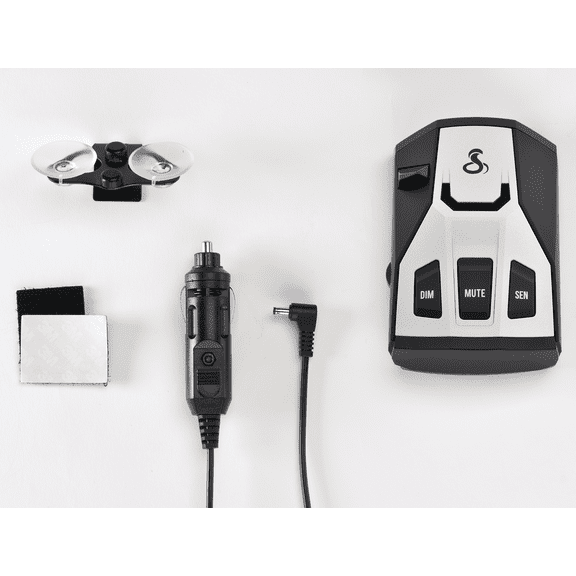
Mounting style changes how easily you view alerts and how tidy your windshield area feels. You can choose windshield mount, dashboard mount, or rearview mirror mount based on your vehicle layout.
- You can compare radar and laser coverage for mixed driving routes.
- You can look for GPS-enabled models with pre-loaded camera alerts.
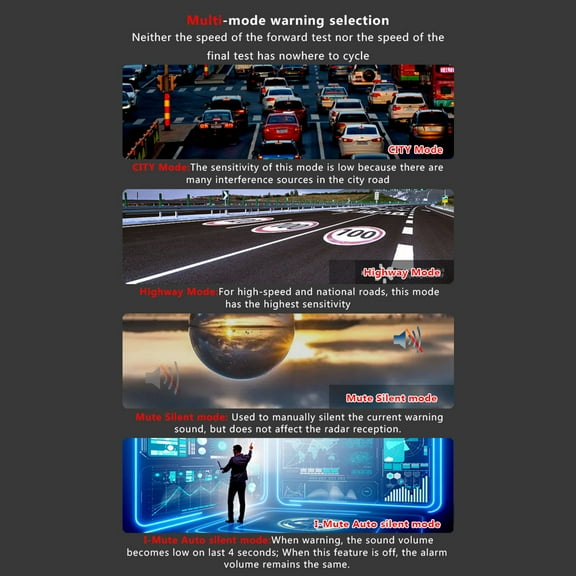
- You can check city and highway modes for reduced repeated alerts.
- You can match the mount style to your windshield space and power setup.
Choosing detection type and band coverage
Detection type affects what signals you can pick up during regular commuting and longer highway trips. You can compare laser detectors with radar-focused units if you want broader alert coverage.
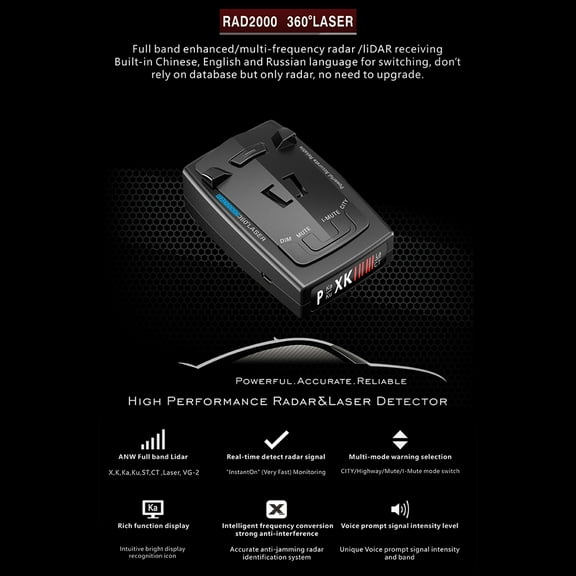
Band detection matters because different enforcement signals use different frequencies. You should look for X-band, K-band, Ka-band, and Superwide Ka support when you want comprehensive scanning.
Ka-band sensitivity is a key decision point because you may prioritize range on open roads. You can also compare long range radar detectors when you want timely alerts at highway speeds.
You'll notice that some models focus on filtering nuisance signals in crowded areas. You can use city modes to reduce repeated door opener alerts and highway modes for wider scanning.
Comparing range, sensitivity, and filtering
Range and sensitivity shape how soon you receive alerts and how useful those alerts feel. You should compare long range radar detectors if your drive includes extended highway miles.
Digital Signal Processing helps you sort meaningful signals from background noise. This helps you get a detailed explanation of alerts when DSP filtering reduces clutter from common roadside sources.
False alert filtering matters if you drive through shopping corridors, parking decks, or dense traffic zones. You can focus on models that separate real alerts from routine signals more distinctly.
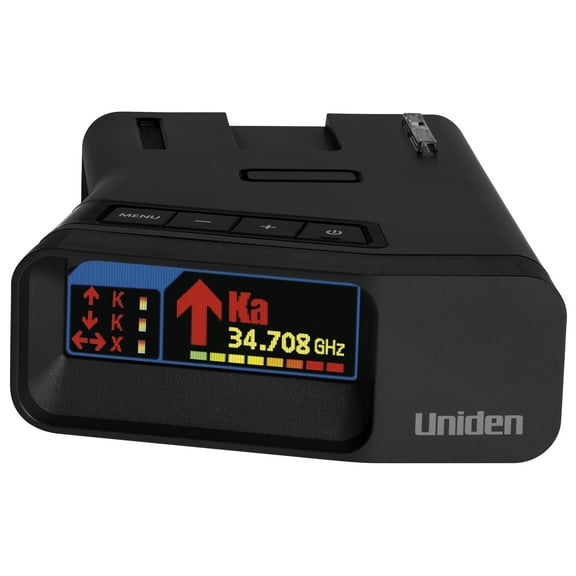
Some units include front and rear awareness to help you track signal direction more clearly. You can use that extra context to understand where an alert may be coming from.
Checking GPS radar detectors and connectivity
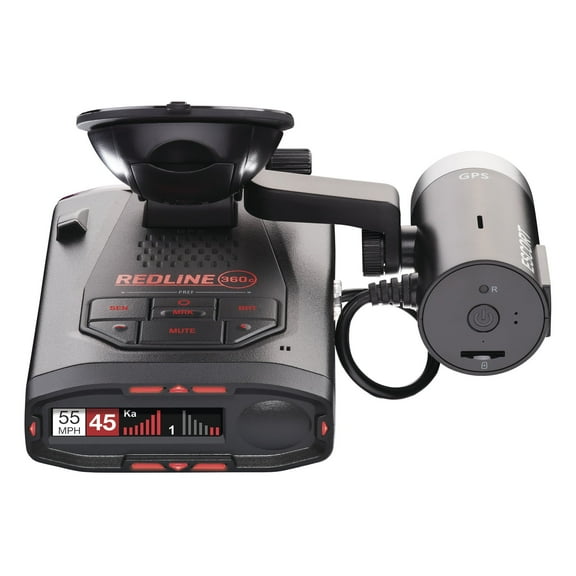
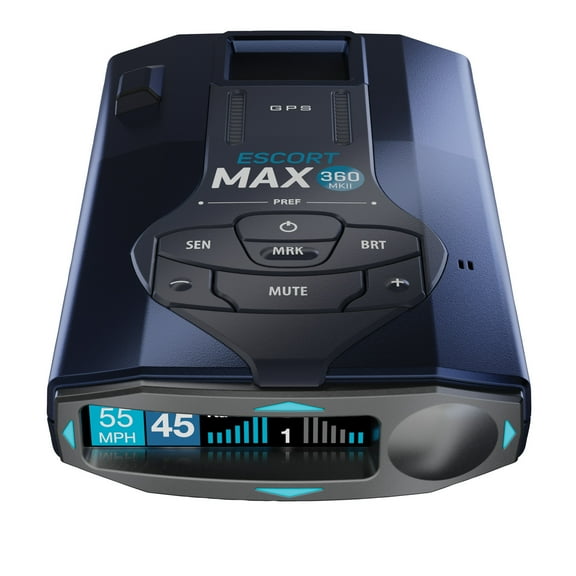
GPS radar detectors add location-based convenience that many drivers want for repeat routes. You can use pre-loaded camera alerts to get notifications for known red light and speed camera points.
Connectivity features also shape how current and customizable your device feels. You can compare Bluetooth, Wi-Fi, and app-compatible options if you want simple updates and shared alerts.
App integration can give you community sharing features during daily travel. You may prefer those tools when you want real-time alerts that other drivers report on the road.
GPS-enabled models can also remember frequent false alert locations over time. You can get a peaceful drive when your detector learns spots that trigger routine signals.
Choosing mounting style and everyday use
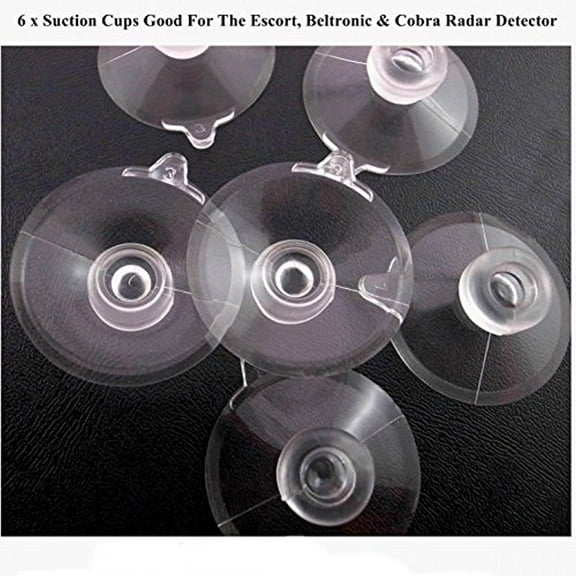
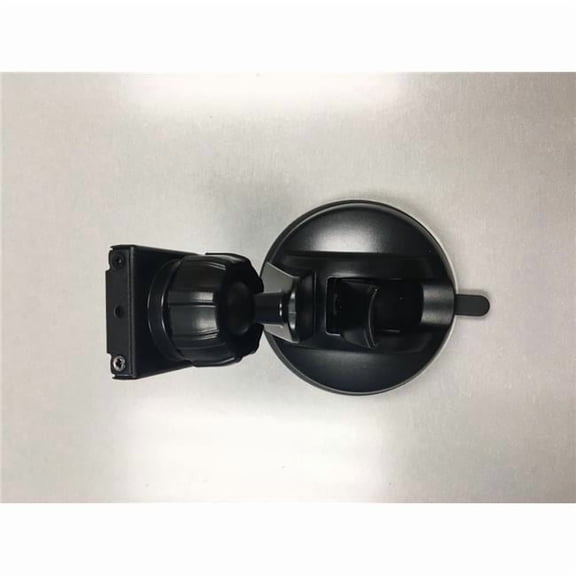
Mounting type affects visibility, cable routing, and how easily you move the unit between vehicles. You can compare windshield radar detectors, dashboard options, and rearview mirror styles before you commit.
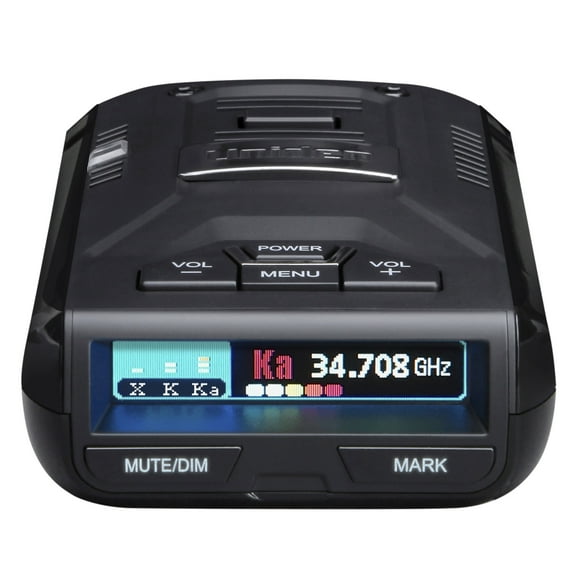
Windshield mount models often give you a direct view of the display and clear forward placement. You can position them high or low depending on your mirror placement and dash shape.
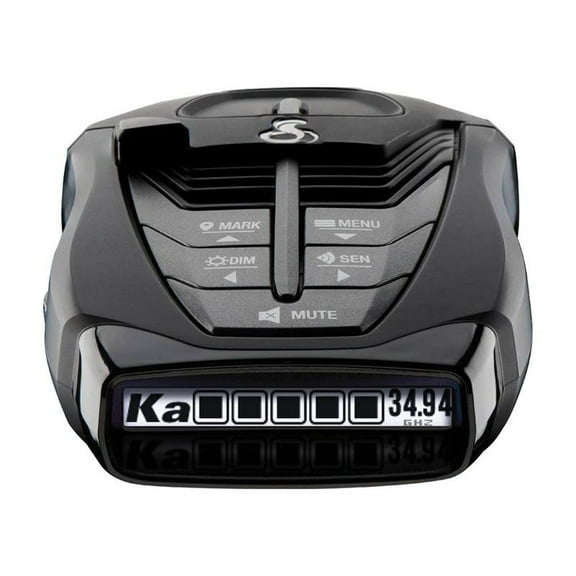
Dashboard mount options may work well when your windshield space feels limited. You can also compare cord-free or battery-operated designs if you want a tidy cabin setup.
Rearview mirror mount styles can help you keep the detector closer to your natural line of sight. You should check vehicle compatibility and available power connections before choosing that format.
Matching features to how you drive
If you split time between city streets and open highways, you should look for flexible sensitivity modes. You can switch settings more simply when your routes change from dense traffic to faster travel.
If you drive in unfamiliar areas, gps radar detectors and app-connected models can add useful route awareness. You can keep up with camera databases and community-shared alerts during road trips.
For commuters with compact cabins, mount size and power style can matter as much as range. You can choose a smaller windshield unit or a cord-free model that keeps your dashboard more uncluttered.
When you compare police radar detectors by range, bands, GPS, and mount style, your shortlist becomes straightforward to trust. You can choose a setup that fits your vehicle and gives you distinct alerts every mile.