

Laser Radar Detectors in Radar Detectors


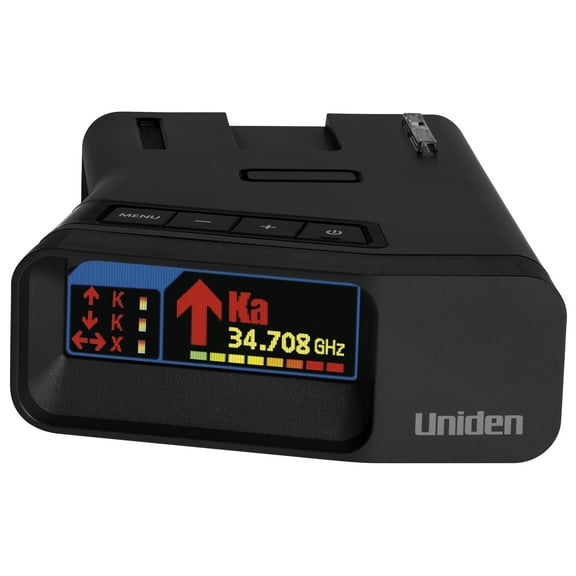
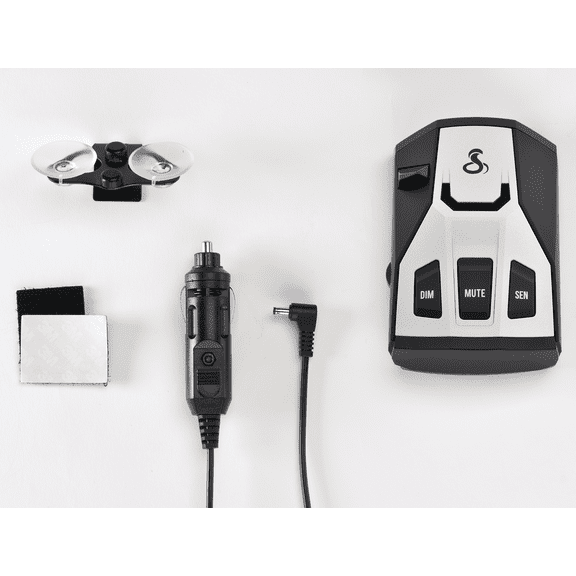
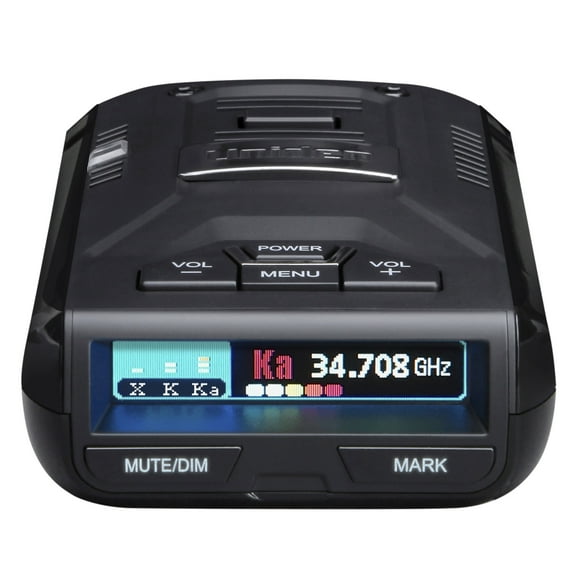

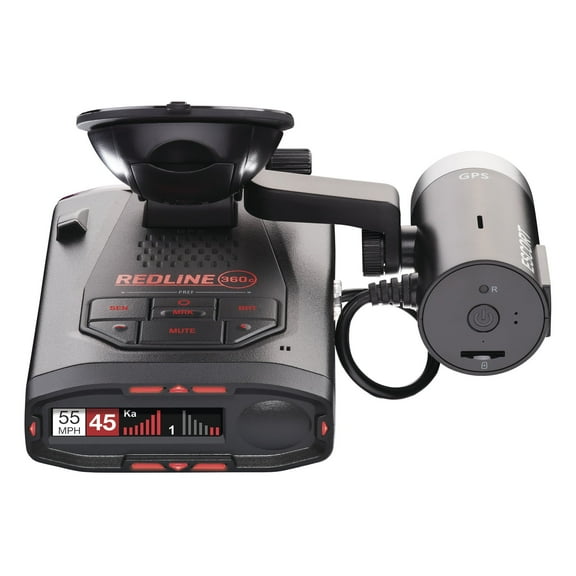






About Laser Radar Detectors in Radar Detectors - Walmart.com
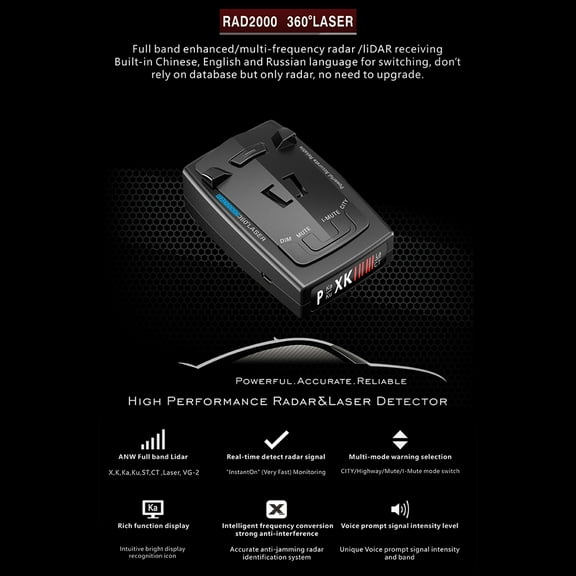
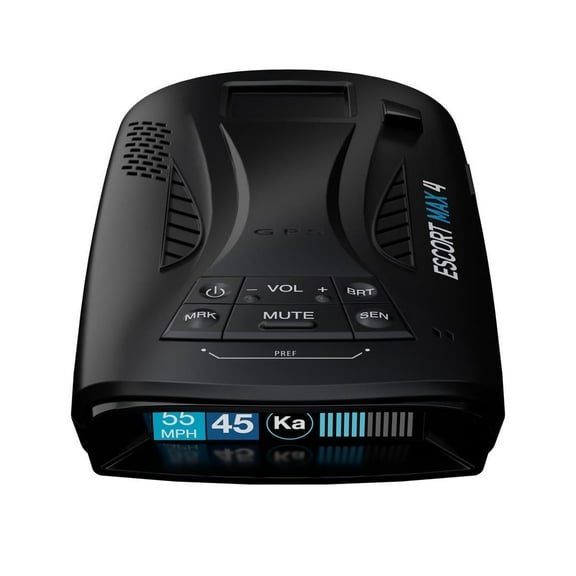
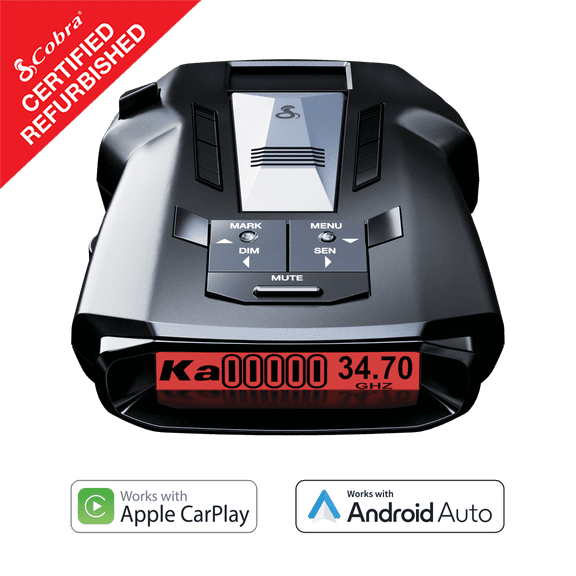
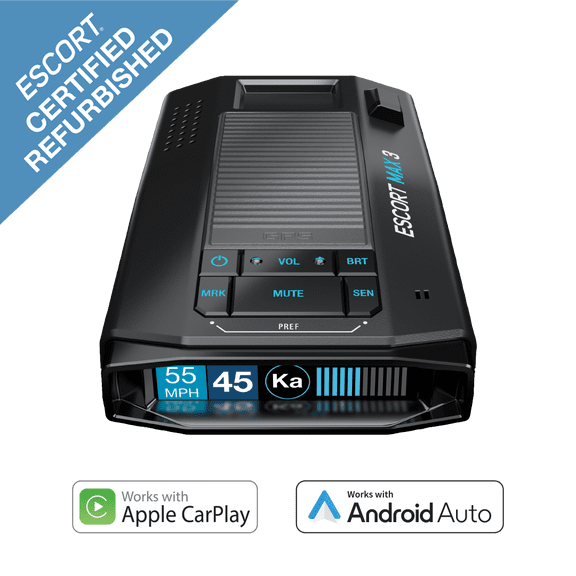
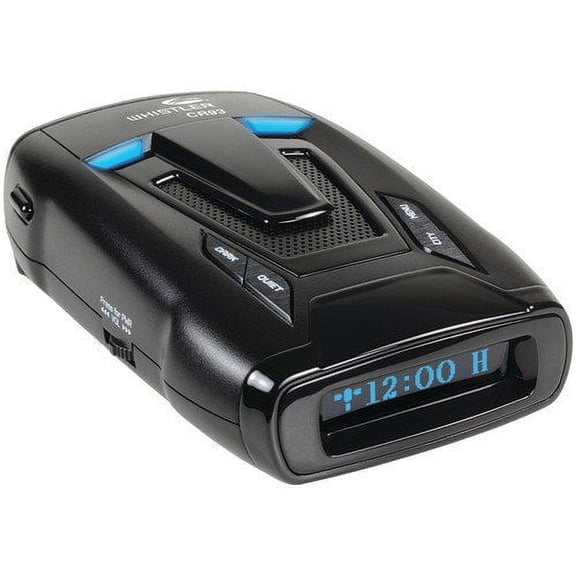
A laser radar detector helps you read the road with more confidence by pairing radar band awareness with laser alerts for faster, clearer in-car updates. You can compare range, mounting style, and alert type here, so your setup fits your vehicle and your daily driving habits.
If you're moving beyond basic searches, you need category guidance that explains what the signals mean in real driving. You can use this page to compare X-Band, K-Band, Ka-Band, and Laser detection without guessing which features matter most.
How to choose laser radar detectors
When you compare laser radar detectors, you should start with the signals you want your device to detect. You may want broad coverage for radar bands and a radar detector laser alert feature for laser-based speed monitoring.
X-Band appears less often in many areas, but you may still want it for wider compatibility. K-Band and Ka-Band matter for many drivers, and you should check whether your detector can separate them clearly.
Laser, also called LIDAR, works differently from radio-based radar, so you should treat laser detection as a distinct decision point. You'll usually want a quick alert response, because laser signals are narrow and highly targeted.
- You can compare X-Band, K-Band, Ka-Band, and Laser coverage based on where and how you drive.
- You can choose long range, mid range, or standard range sensitivity for highway routes, mixed driving, or shorter commutes.
- You can match windshield, dashboard, or rearview mirror mounting to your cabin layout and sightline preferences.
- You can pick voice, tone, or visual LED alerts based on how you prefer to receive in-car notifications.
False alerts can shape your experience, so you should also compare filtering tools before you choose. You'll appreciate IVT filtering and GPS lockouts when you pass store doors or vehicles with blind-spot systems.
Choosing detection bands, range, and radar detector laser alert options
Detection bands tell you what kinds of signals your unit can identify, and you should match that coverage to your routes. If you spend more time on highways, you may prefer a laser radar detector with long range sensitivity.
Long range models help you notice signals earlier on open roads, where visibility and speed changes happen farther ahead. Mid range options can suit mixed driving, while standard range can work for shorter, familiar trips.
You should also compare how each unit handles signal processing, because cleaner filtering can make alerts easier to trust. If you want fewer interruptions, you may look for GPS lockouts that learn repeated non-police signals.
Some shoppers also search terms like radar tester or used radar detector while they compare options and feature sets. You can use those comparisons to focus on signal coverage, filtering, and display clarity instead of guesswork.
Alert style affects how quickly you interpret information while driving, so you should choose one that fits your attention style. Voice alert systems can call out band names, while tone alert and visual LED display options support quick scanning.
If your cabin is already busy with navigation and audio controls, you may prefer a simpler display with distinct tones. If you want more detail at a glance, your visual readout can help you identify signal type faster.
Choosing the right mounting type and power setup
Mounting type changes how your detector fits your vehicle, so you should measure your windshield angle and dashboard space first. You can often choose among windshield mount, dashboard mount, and rearview mirror mount styles.
Windshield mount options can place alerts closer to your line of sight, which many drivers find easier to check. Dashboard mount options can work when you want a lower profile position or have limited glass space.
Rearview mirror mount setups can create a cleaner look, especially if you prefer less visible hardware in front of you. You should check compatibility with your mirror area and power routing before you commit.
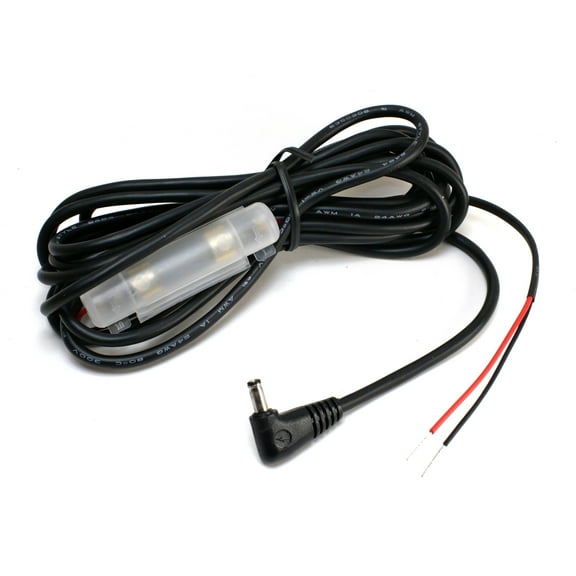
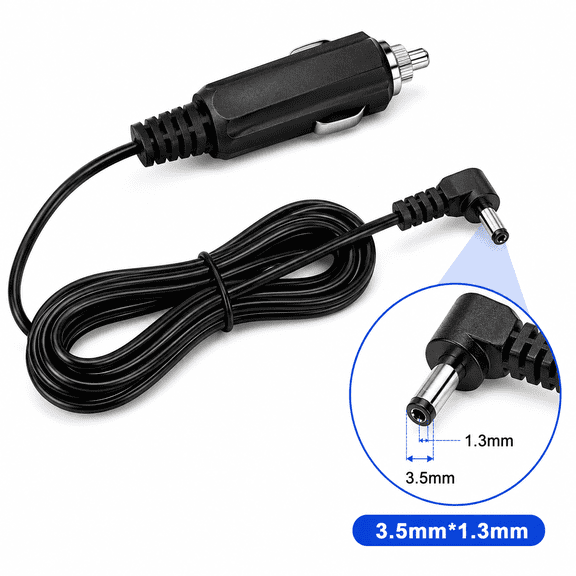
Your power preference matters too, especially if you're deciding between corded and cordless convenience. Corded units can provide steady power for long drives, while cordless models can simplify placement and cabin organization.
If you're browsing laser-radar-detectors for more than one vehicle, you may want a setup that's easier to move. You can often switch portable designs between a commuter car and a weekend truck with less effort.
What to look for in legality, filtering, and everyday use
You should check your state rules before you choose, because detector laws vary by location and vehicle type. In plain terms, you should know that restrictions apply in Virginia and Washington, DC, so local rules matter.
If you drive across state lines, you should confirm whether your route changes what you can use legally. You can avoid confusion by reviewing current rules for passenger vehicles and any commercial vehicle limits.
Daily use becomes easier when your detector filters unwanted signals from automatic doors and nearby vehicle systems. You'll want to compare IVT filtering, GPS memory, and sensitivity controls if you drive in busy retail areas.
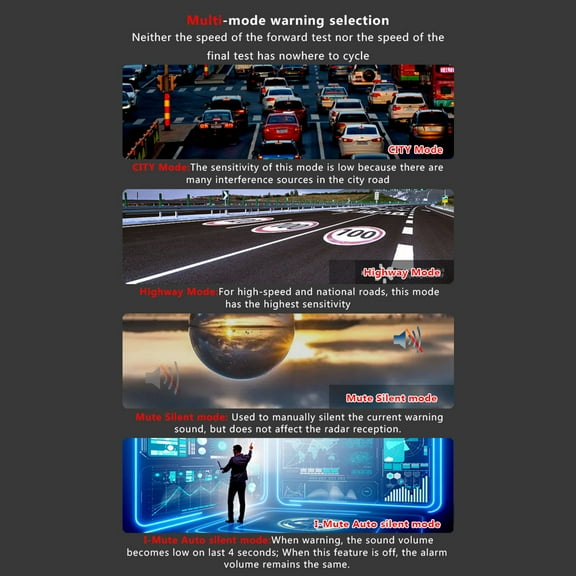
For highway travel, you may prioritize long range sensitivity and strong audio alerts that cut through cabin noise. For city driving, you may lean toward smarter filtering and a compact display that feels less distracting.
If you commute before sunrise or after dark, you may prefer a dimmable visual LED display that stays readable. If you share your vehicle, voice prompts can help each driver understand alerts without learning every tone.
When you compare by bands, range, mounting, and alerts, you can narrow choices with more confidence and less trial and error. The right laser radar detector setup helps you stay informed with clearer signal awareness on every drive.