





Shop Kids Loft Beds for Space Saving Rooms










































About Shop Kids Loft Beds for Space Saving Rooms - Walmart.com
Loft beds help you open up floor space while adding sleep, study, and storage in one footprint. You can compare sizes, heights, and built-in features to fit your room layout with less guesswork.
If you're furnishing a shared bedroom, a homework corner, or a small apartment, loft beds give you more usable space below the mattress. You can focus on practical details like ceiling clearance, ladder style, and underbed function before you choose.
How to choose loft beds for your space
You should start with room measurements, because ceiling height changes how comfortable your setup feels every day. You need enough space above the mattress so sitting up feels natural, not cramped.
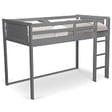
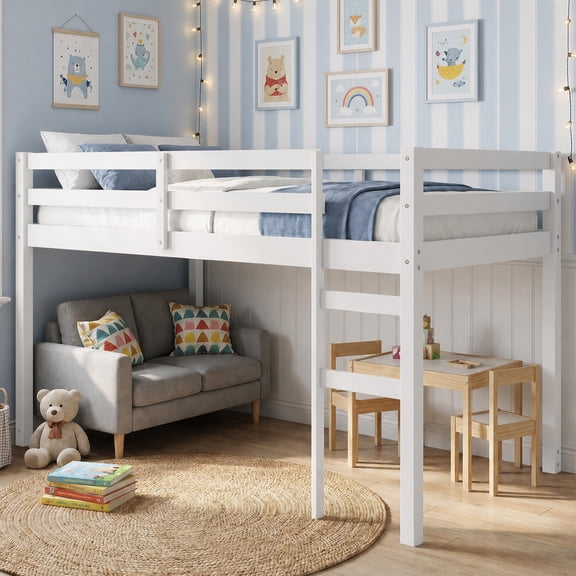
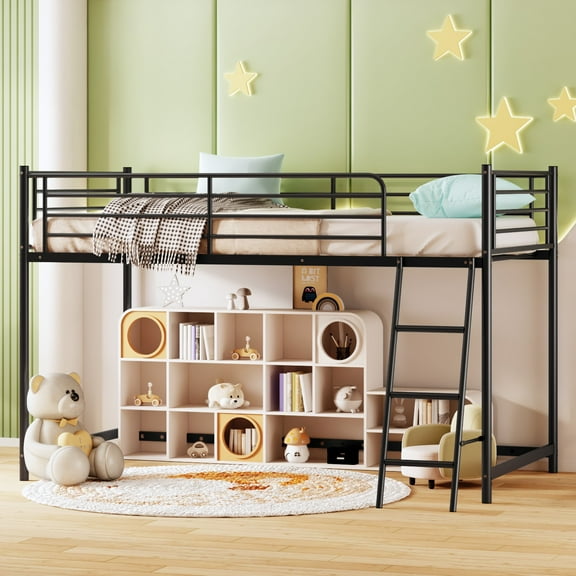
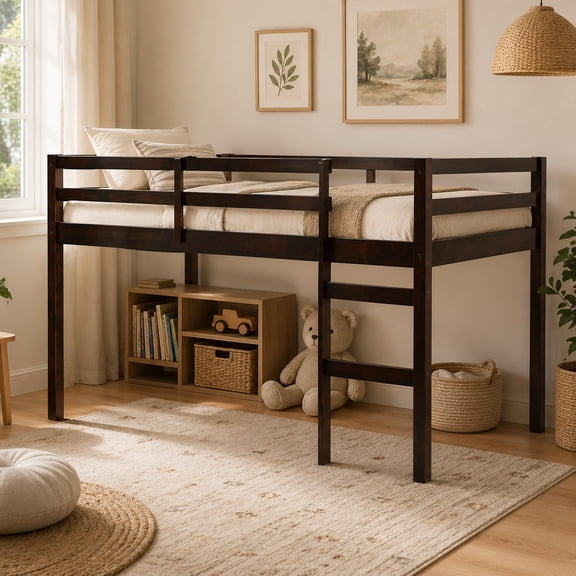
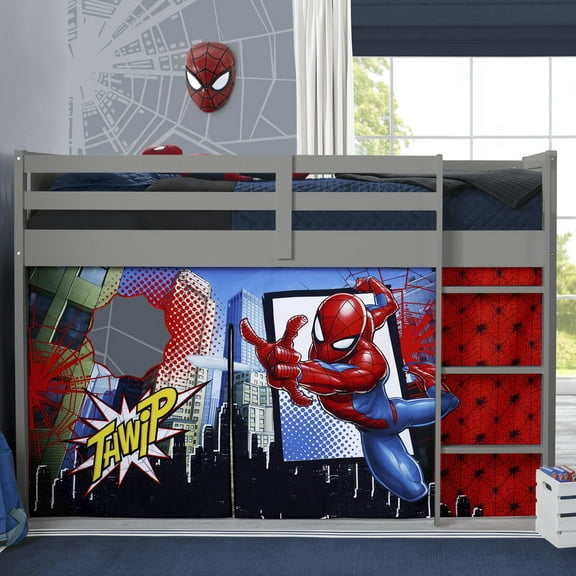
When you compare a low loft bed and a taller frame, you should check mattress thickness and guardrail height together. You want the mattress to sit low enough for the rails to stay effective.
You should also think about who will use the bed most often. You may prefer loft beds for kids with lower height, while teens or adults may want more clearance below.
- You can free up floor space for a desk, dresser, or play area.
- You can match the bed height to your ceiling and comfort needs.
- You can choose built-in features that support studying, storage, or easy access.
- You can narrow materials and size options based on room style and daily use.
Choosing size, height, and built-in function
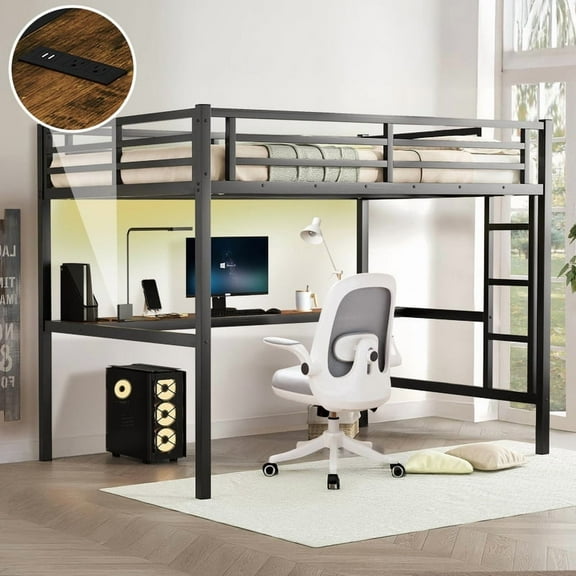
You should compare a twin loft bed and a full size loft bed based on room width and who needs the sleep surface. You may like twin for tighter rooms, while full gives you more stretch-out space.
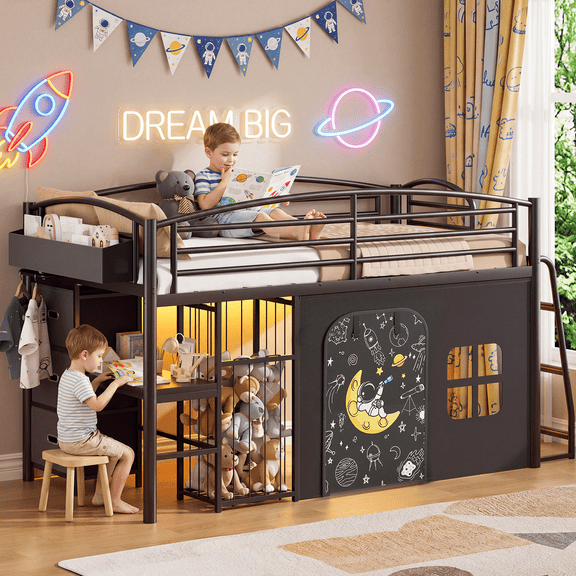
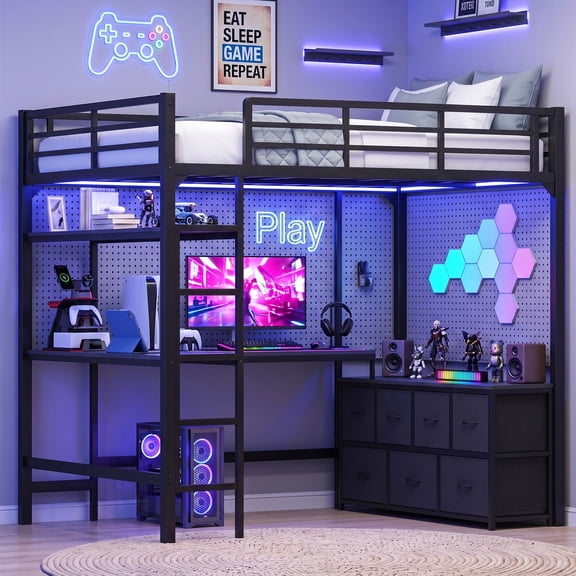
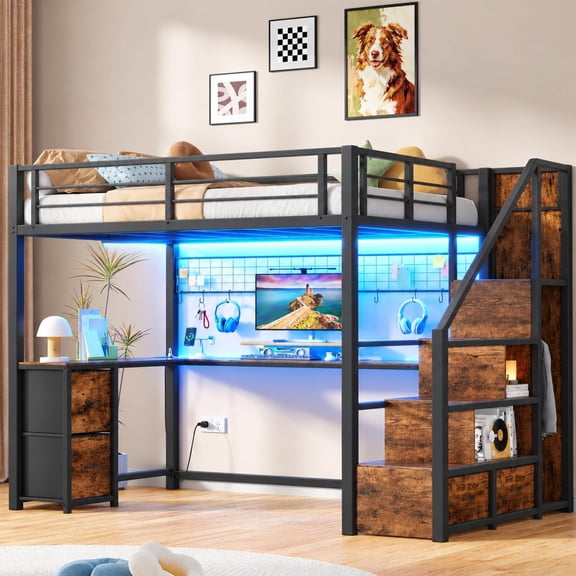
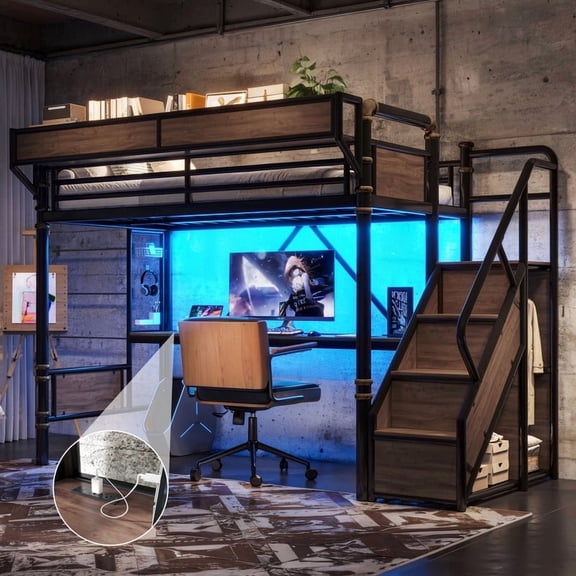
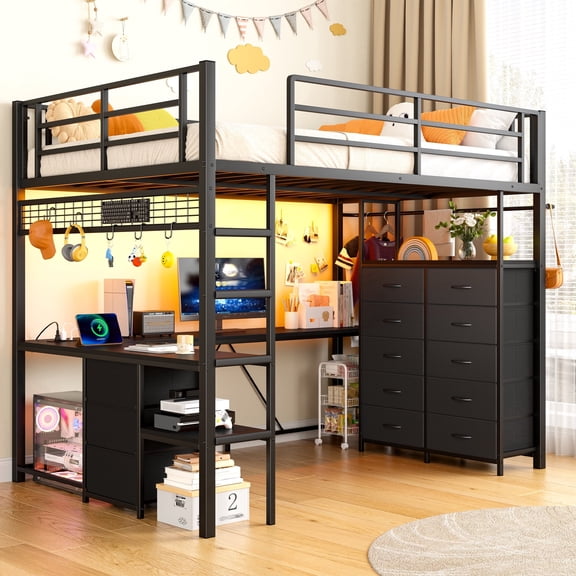
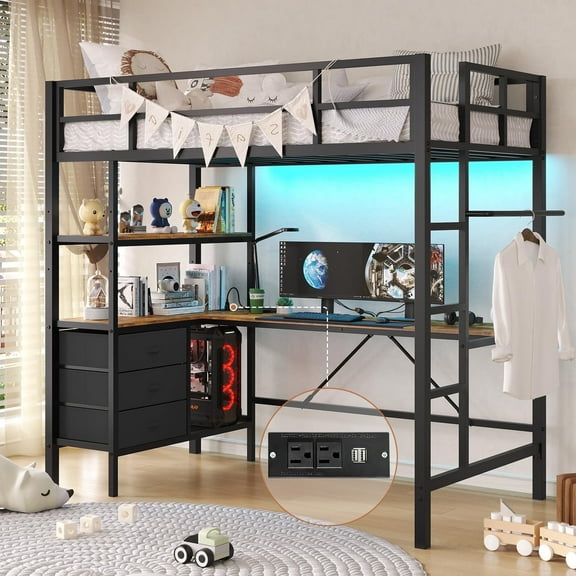
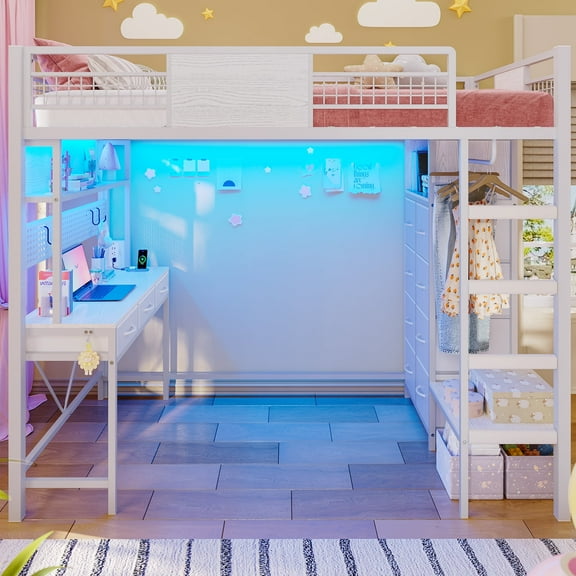
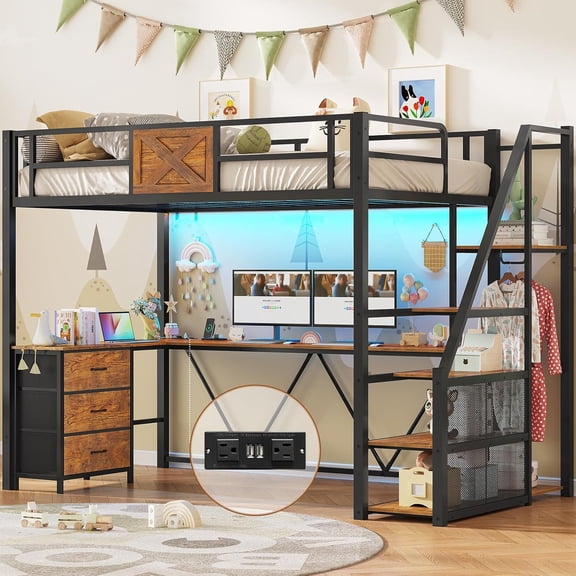
If you need a work zone, you can look at loft beds with desk layouts that place study space under the frame. You should check desktop depth, chair clearance, and nearby outlet access before deciding.
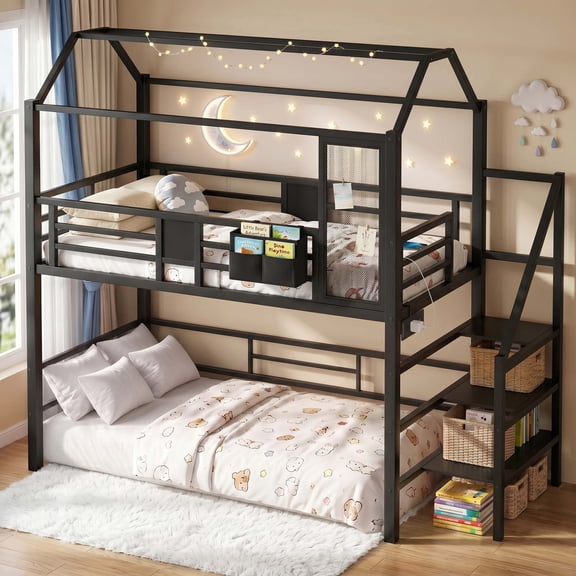
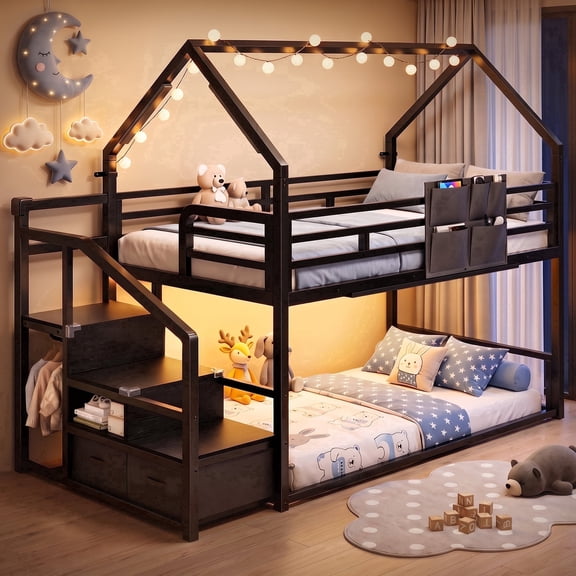
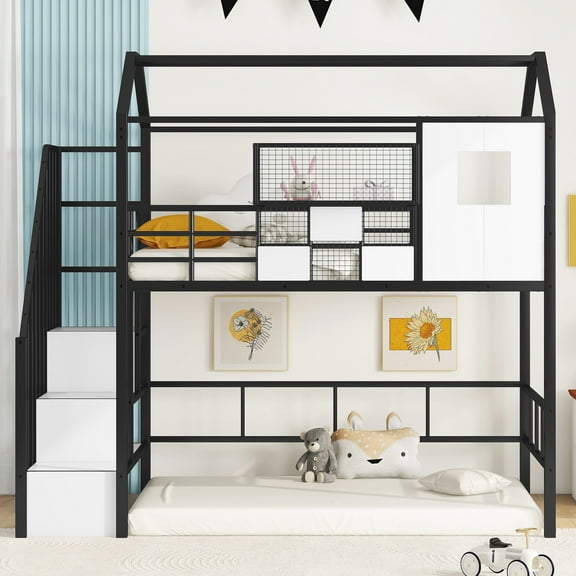
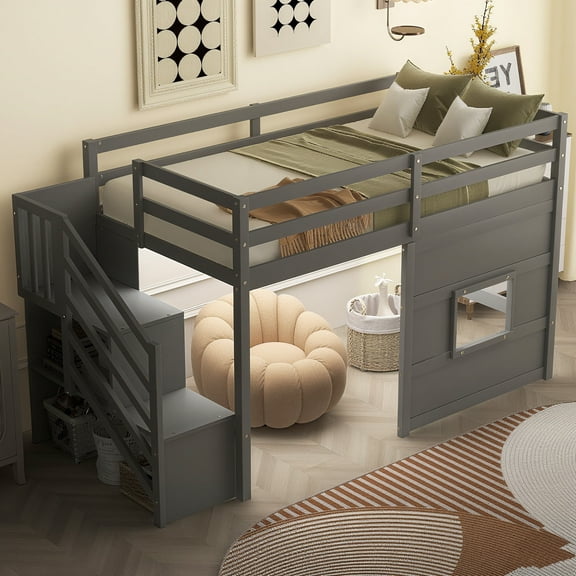
For easier entry, you may compare a loft bed with stairs and a ladder design. You can also check whether stairs or ladders fit the wall side that works in your room.
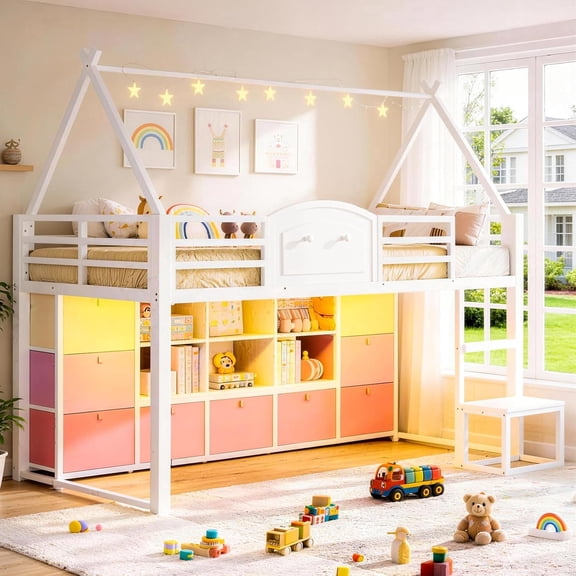
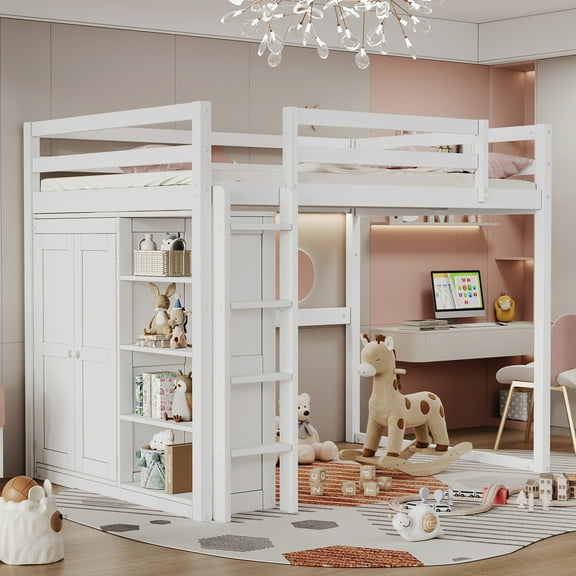
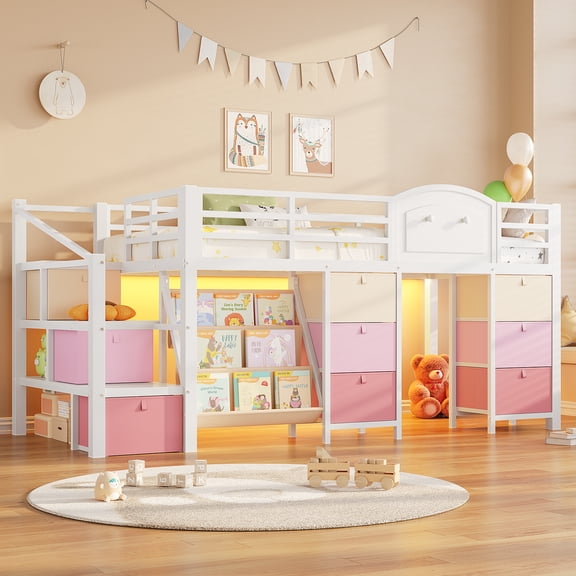
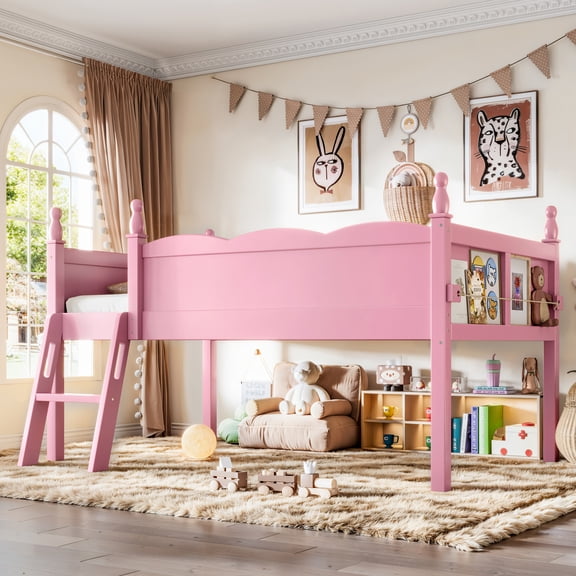
You might prefer models with storage when you need drawers, shelves, or cubbies under the bed. You can reduce furniture crowding when the frame handles more than sleeping.
What to look for in materials and structure
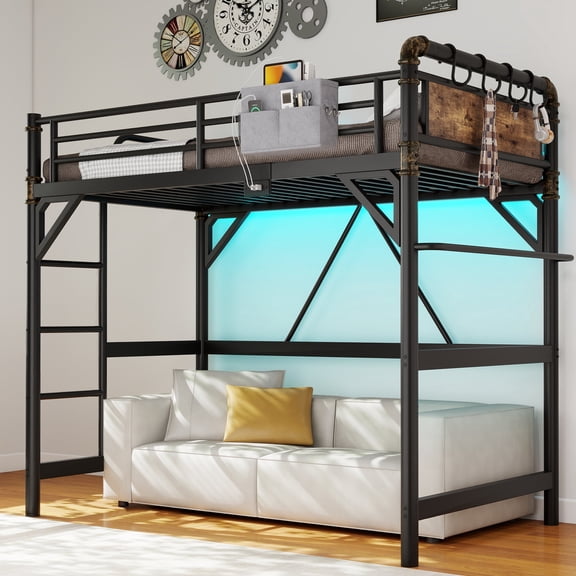
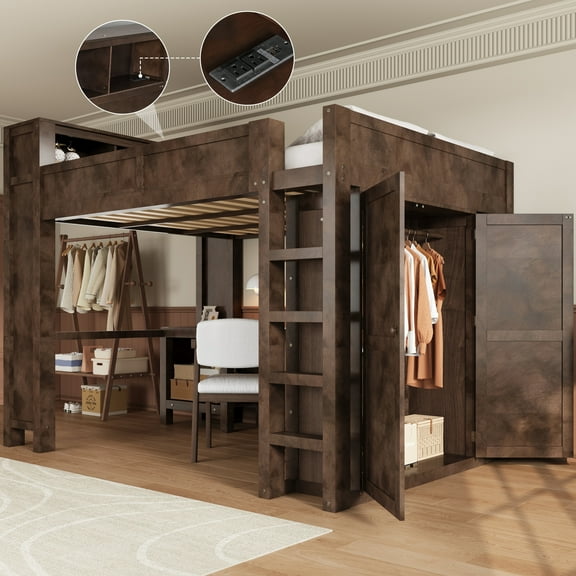
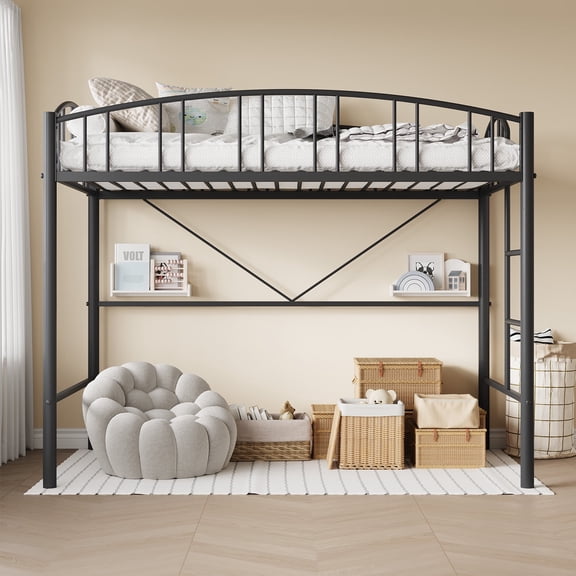
You can compare wooden loft beds and metal frames based on style, feel, and upkeep. You may like wood for a warmer look, while metal can suit clean, simple rooms.
You should review weight capacity in plain terms, because that number helps you match the frame to everyday use. You want the structure to support the sleeper, bedding, and regular movement.
When you read product details, you should look for guardrails, steady ladder attachment, and clear frame dimensions. You can use those measurements to confirm fit around windows, fans, and nearby furniture.
You should also think about how the underbed area will function once the frame is assembled. You may need enough open space for a chair, toy bins, or a dresser to slide underneath.
Matching loft beds to kids, teens, and adults
You can choose loft beds for kids when you want open floor area for toys, books, or crafts. You may lean toward a low loft bed when you want easier access and a room that feels less tall.
For school-age setups, you can pair a loft frame with a desk or storage to support homework and organization. You should measure backpack, book, and bin space so the setup works through busy weeks.
Teens may want a taller design that creates a lounge, study, or gaming zone underneath. You can compare full and twin options based on whether the room needs extra seating or more sleep space.
Adults in compact spaces may use loft beds to create room for a workstation or storage below. You should pay close attention to ceiling clearance so the upper sleep area still feels comfortable.
Planning assembly and room layout
You should check assembly notes before choosing, especially if your room has narrow doors or tight corners. You can avoid surprises when you know how the frame parts will move inside.
It helps to compare ladder placement, stair direction, and slide position with the room's traffic flow. You want drawers, desks, and doors to open easily after the bed is in place.
You should keep nearby pieces in mind, including dressers, nightstands, and underbed seating. You can create a layout that feels organized when each feature has enough clearance around it.
With loft beds, you can turn vertical space into useful living space without crowding the room. You can choose a setup that fits your ceiling, your layout, and your daily routine with more confidence.