





















Kids Room Decor & Bedroom Ideas | Walmart
Shop by kids' category
Shop by price
Shop by brand


Explore more for kids






FAQ
About Kids Room Decor & Bedroom Ideas | Walmart - Walmart.com
You can refresh your space with kids room decor that feels playful now and practical as your child grows. You’ll find themes, materials, and storage-focused accents that help your room look pulled together.
When you’re planning a shared bedroom, a first big-kid room, or a teen update, clear choices matter. You can compare style, product type, age group, and material to create a room that stays useful longer.
How to choose kids room decor by theme and style
You can start with a theme that shapes your color palette and keeps your room cohesive. You’ll often see safari, space, princess, boho, and modern looks because each creates a distinct mood.
If you want flexibility, you can choose modern or boho accents that transition easily with changing interests. You can also layer themed pillows, wall art, or lighting without locking every piece into one look.
For younger kids, you may prefer bold prints and storybook-inspired details that make the room feel imaginative. For older kids and teens, you might choose simpler patterns that still feel fun without seeming too young.
- You can use safari decor to bring in earthy colors, animal prints, and natural-looking textures.
- You can choose space themes for navy tones, stars, rockets, and glow-inspired wall accents.
- You can add princess touches with soft pinks, canopies, or character-inspired artwork.
- You can try boho decor for layered textiles, warm neutrals, and relaxed patterns.
- You can pick modern decor when you want cleaner lines and an easier update later.
Choosing accessories for kids rooms by product type
You can build a functional setup by mixing accessories for kids rooms that add style and daily usefulness. You’ll usually compare wall art, rugs, bedding, lighting, and storage first.
Wall art helps you define the room quickly without taking up floor space. You can swap prints, decals, or canvases as interests change, which makes updates simpler.
Rugs can help your room feel warmer and more finished while defining play or reading zones. You may want low-pile styles when you need easier vacuuming and smoother chair movement.
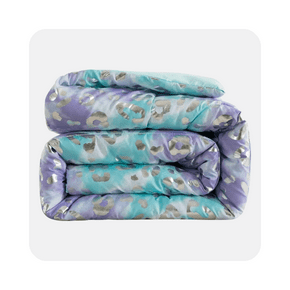
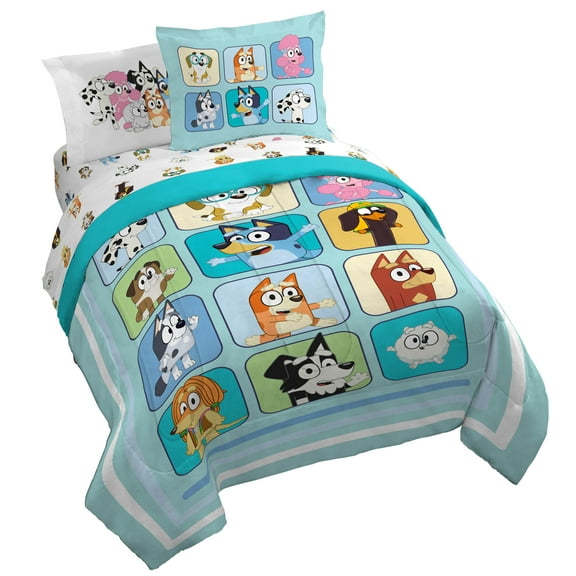
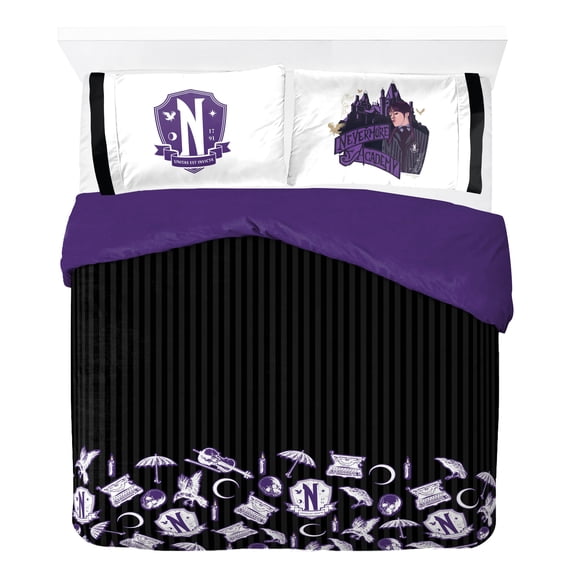
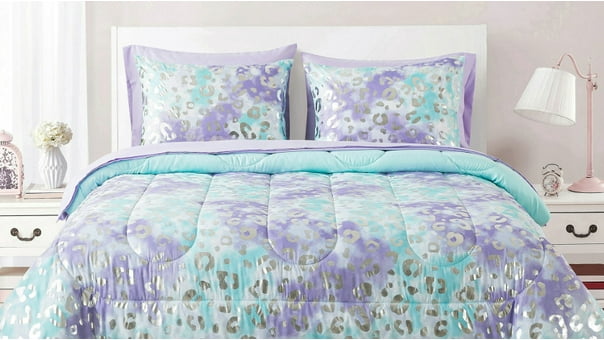
Bedding often sets the room’s main color story, so you can use it as your visual anchor. You can then repeat those shades in curtains, bins, or lamps for a coordinated look.
Lighting supports both style and routine, especially when your room needs softer evening light or brighter desk light. You can look for table lamps, string lights, or ceiling fixtures that match your theme.
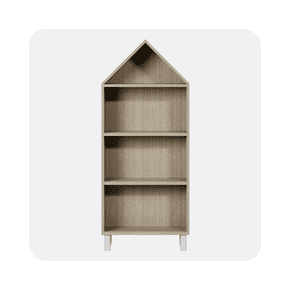
Storage matters when you want a room that stays tidy through school days and playtime. You can choose bins, cubbies, or under-bed options that fit standard room sizes without crowding walkways.
What to look for in kids bedroom decor materials
You can compare wood, plastic, canvas, and cotton based on how your room gets used every day. You’ll want surfaces and fabrics that feel easy to maintain in active spaces.
Wood accents can give your room a classic look that works across toddler, kid, and teen stages. You may like painted or natural finishes when you want furniture and decor to blend easily.
Plastic pieces can feel practical in playrooms or craft corners where you need lightweight organization. You can wipe many surfaces quickly, which helps with everyday cleanup.
Canvas works well for wall art, bins, and soft-sided storage when you want flexible decorating. You can move canvas pieces around easily as your layout changes.
Cotton is a common choice for bedding, curtains, and some rugs because it feels familiar and versatile. You can look for washable fabrics when your room needs simpler care.
When you compare finishes, you may look for non-toxic finishes on furniture and decor surfaces. You can also check whether GREENGUARD Gold certification appears when indoor air-focused materials matter to your household.
Matching childrens bedroom decor to age and growth
You can choose childrens bedroom decor differently for a toddler, a grade-school kid, or a teen. You’ll usually want style that fits now without needing a full reset too soon.
For toddlers, you may prioritize soft textures, lower storage, and easy-to-recognize themes. You can keep the main furniture simple, then add age-specific accents through bedding and wall decor.
For school-age kids, you might need room for books, toys, and homework supplies in one space. You can combine playful decor with labeled storage so the room still feels organized.
For teens, you may lean toward calmer colors, modern lighting, and less character-driven art. You can keep personality through posters, patterned bedding, or textured rugs that feel more grown up.
If you want decor that lasts, you can choose transitional colors and update smaller accents over time. You’ll often get more flexibility from neutral furniture paired with themed removable details.
Kids room decor ideas for layout, cleaning, and everyday use
You can make a smaller room feel more open by using vertical storage and lighter visual layers. You may place shelves above desks or dressers to free up floor space.
In shared rooms, you can use rugs, lighting, or wall art to define each child’s zone. You can keep the room cohesive by repeating one main color across both sides.
For busy households, you may want washable bedding and wipeable surfaces that handle daily use. You can also choose bins and baskets that make cleanup faster before bedtime.
If your child’s interests change often, you can use removable decor for quicker updates. You might swap wall art, pillows, or lamp shades instead of replacing larger pieces.
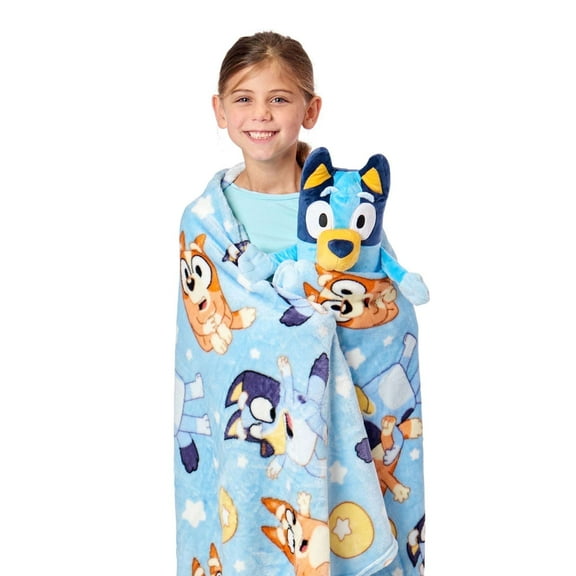
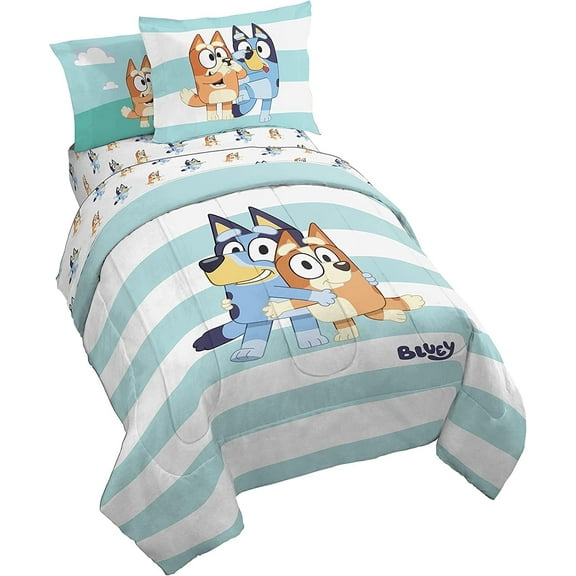
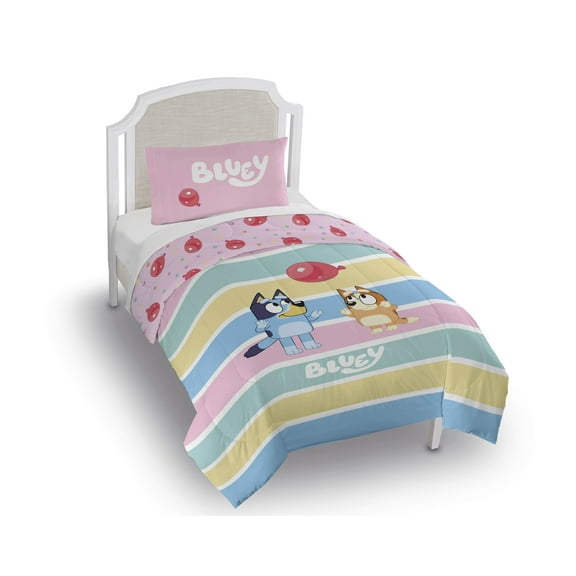
When you need kids room decor ideas for bed areas, you can start with layered pillows, a printed comforter, and a themed throw. You can then frame the bed with matching wall art or a bedside lamp.
You can create a room that looks thoughtful and works hard by balancing decor with storage and easy-care materials. You’ll end up with a space that stays inviting, organized, and easier to update.