



Baby Proofing in Health & Safety




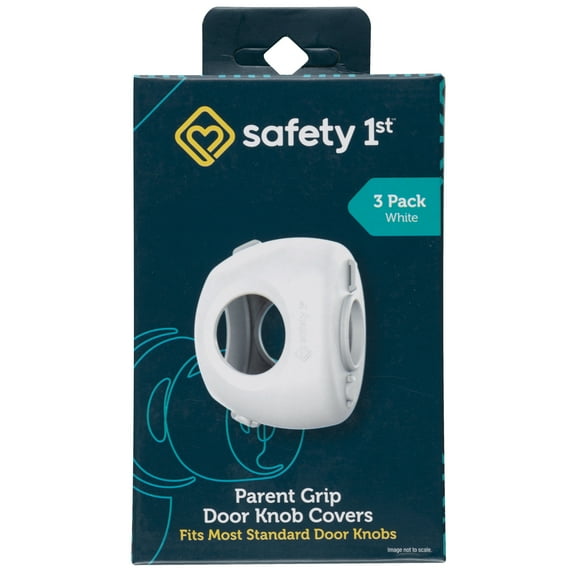



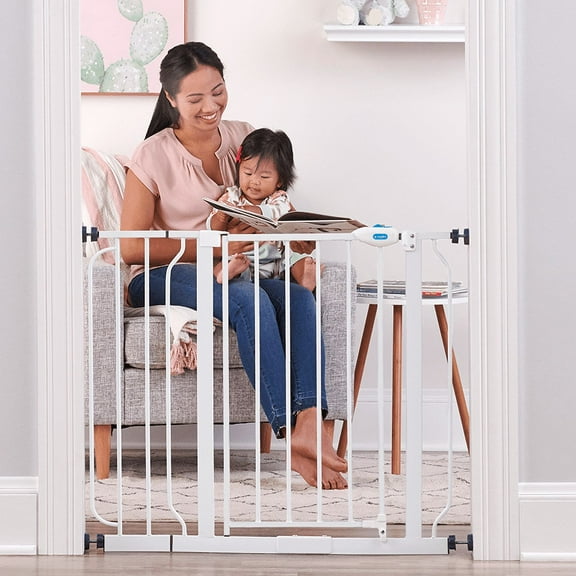





















About Baby Proofing in Health & Safety - Walmart.com
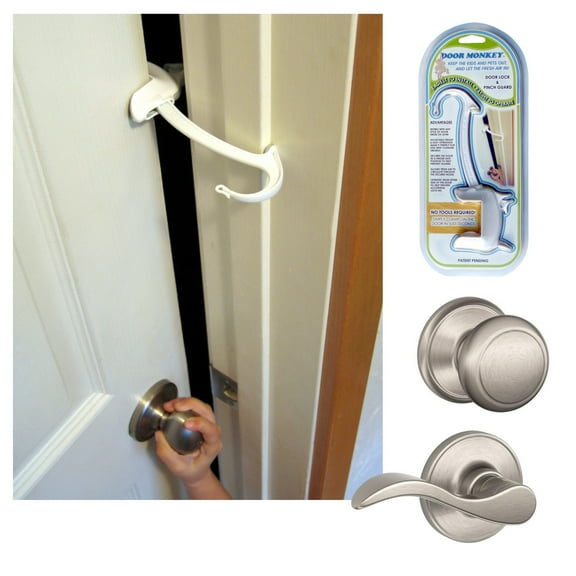
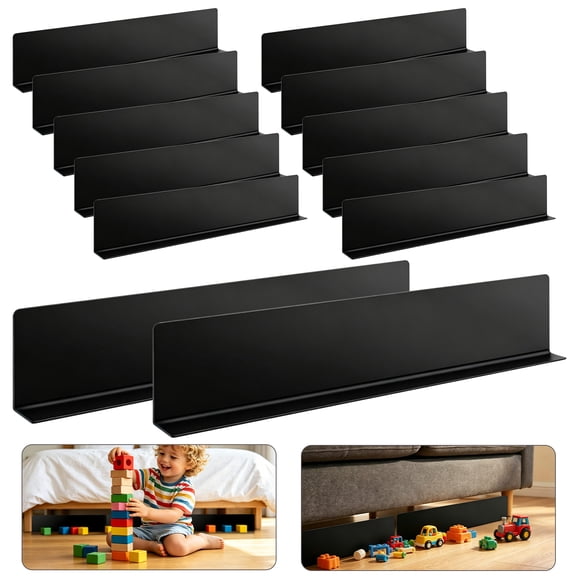
Baby safety locks help you baby-proof cabinets, drawers, and doors with choices that match your layout and routine. You can compare hidden magnetic options, visible strap styles, and simple sliding designs for a more tailored setup.
Choosing baby safety locks for your space
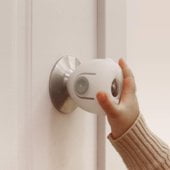
When you choose baby safety locks, you should start with the places your child reaches most often. You can focus on cabinets, drawers, appliances, toilet seats, and interior doors in one coordinated plan.
You'll also want a lock style that fits how you open things every day. You can pick hidden magnetic cabinet locks for a cleaner look or visible child safety locks for quick checks.
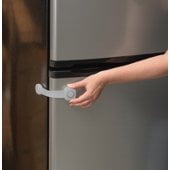
Because each room works differently, you should match the lock type to the task. You can use strap styles on curved appliance handles, while sliding styles suit paired cabinet knobs.
- You can keep cabinets and drawers less accessible with lock styles made for repeated daily use.
- You can choose adult-friendly operation, including magnetic keys, press tabs, or sliding releases.
- You can match visible or hidden designs to your room's look and your storage layout.
- You can cover more surfaces with options for doors, toilet seats, appliances, and standard cabinetry.
How to compare lock type and installation method
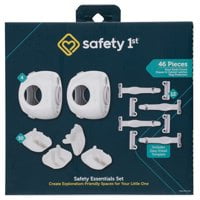
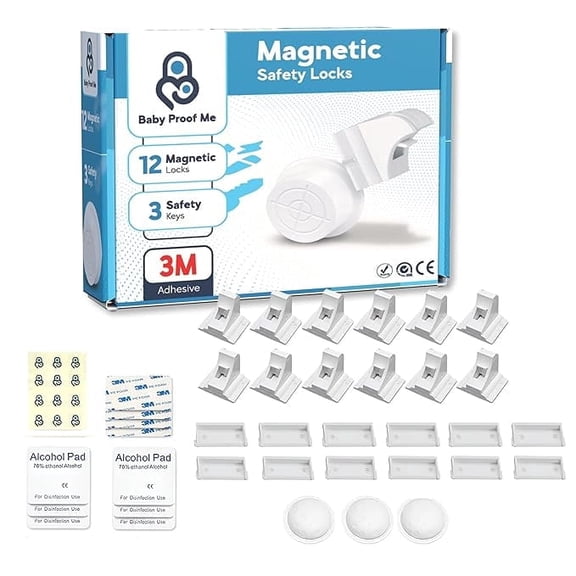
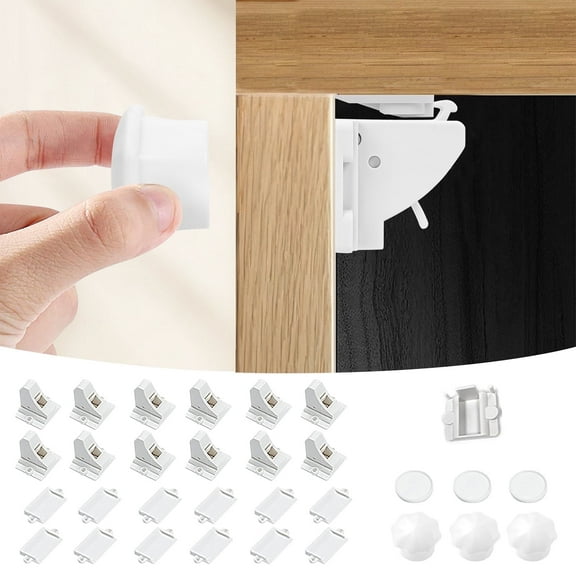
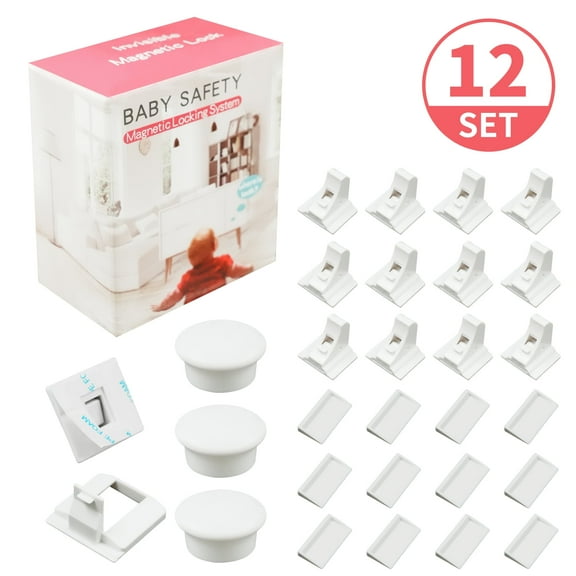
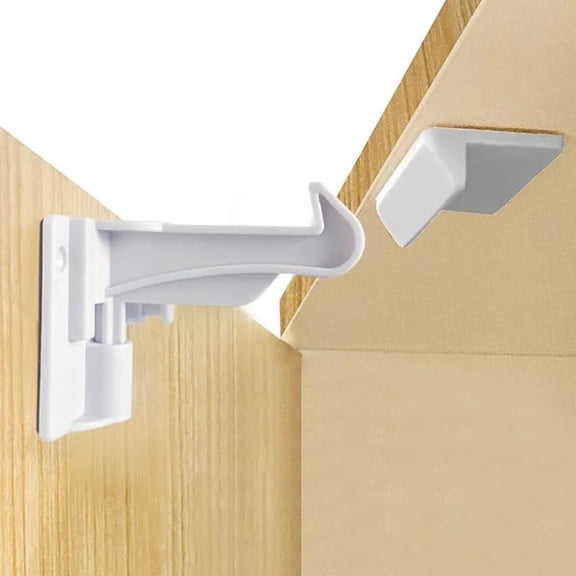
Magnetic cabinet locks give you hidden hardware inside the cabinet, so your exterior stays uncluttered. You can open them with a magnetic key, which many shoppers prefer for a cleaner finish.
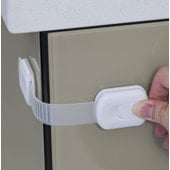
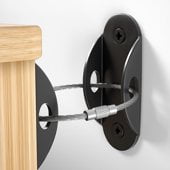
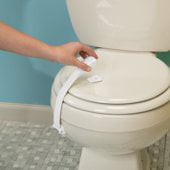
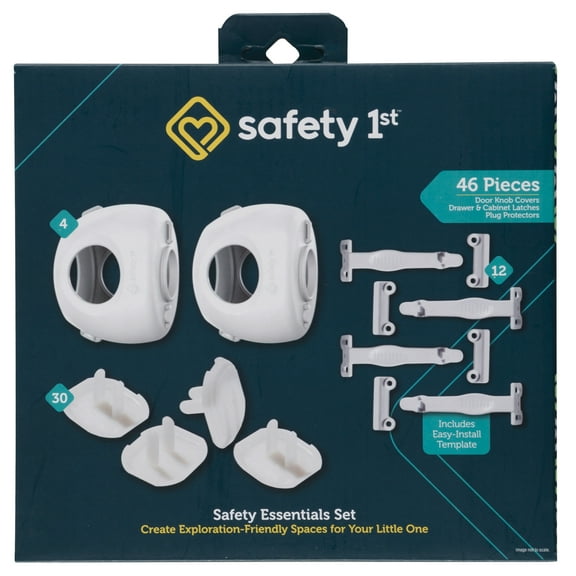
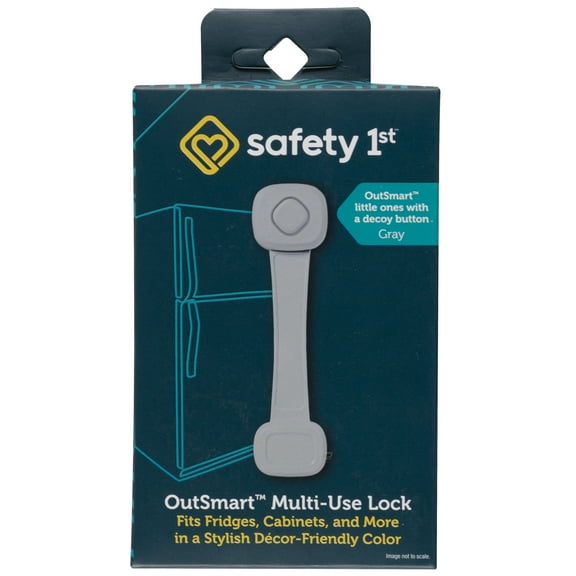
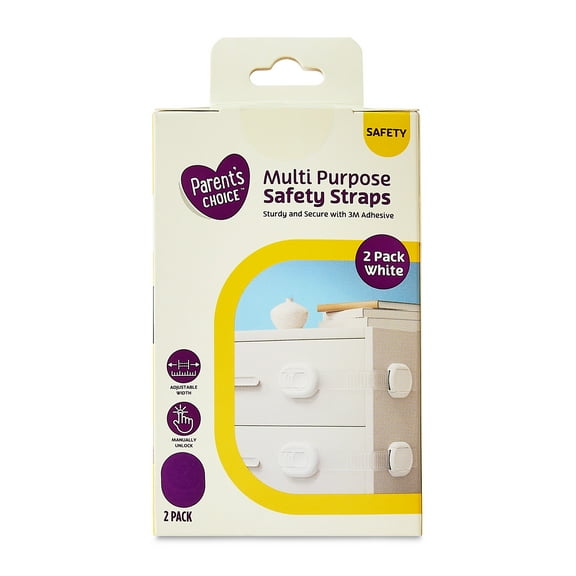
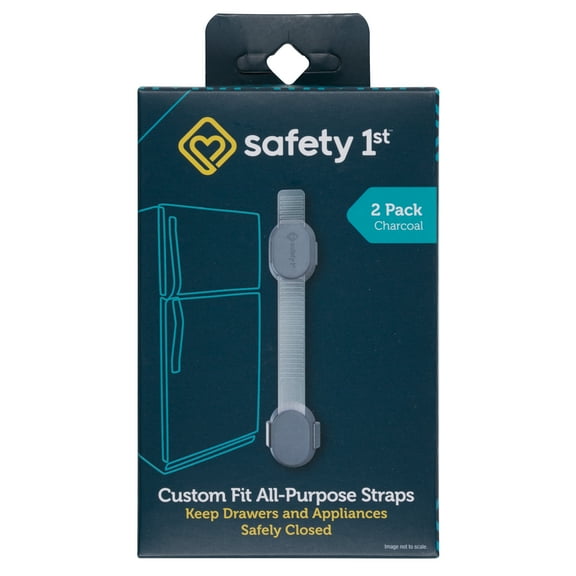
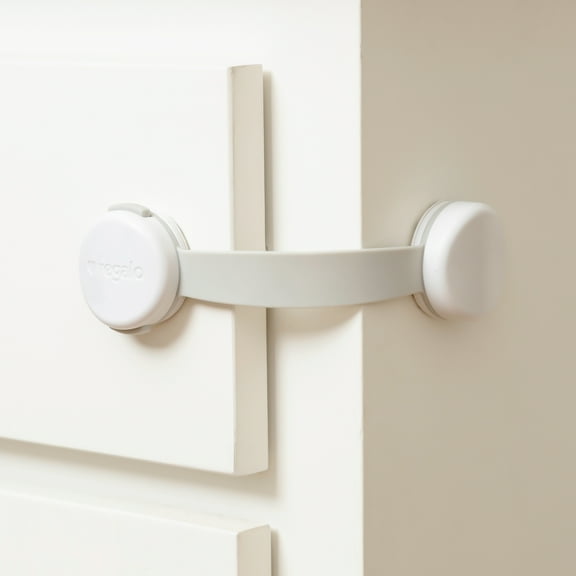
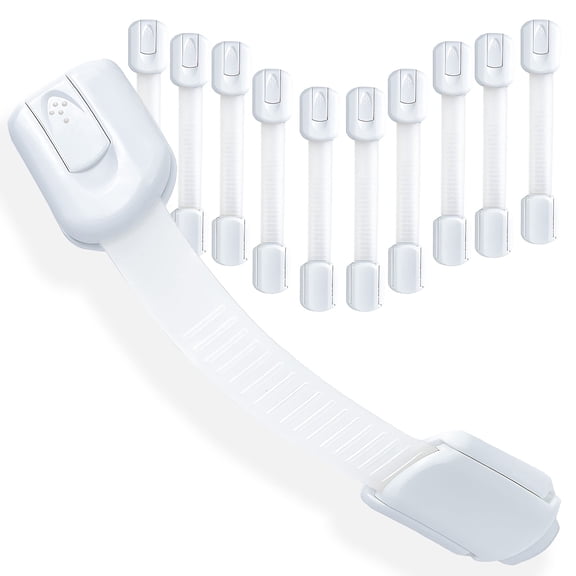
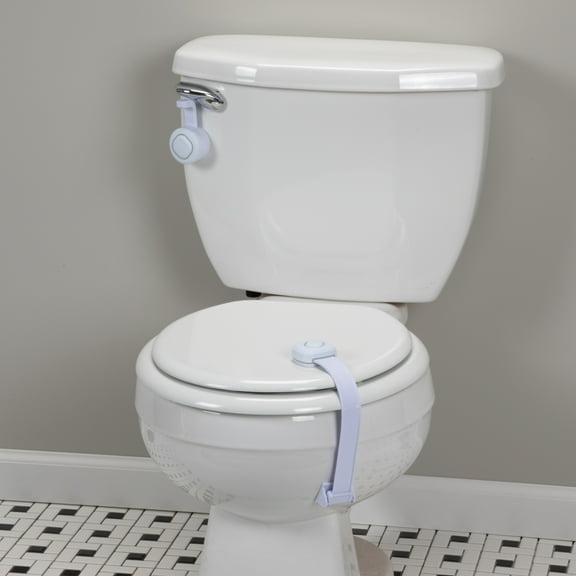
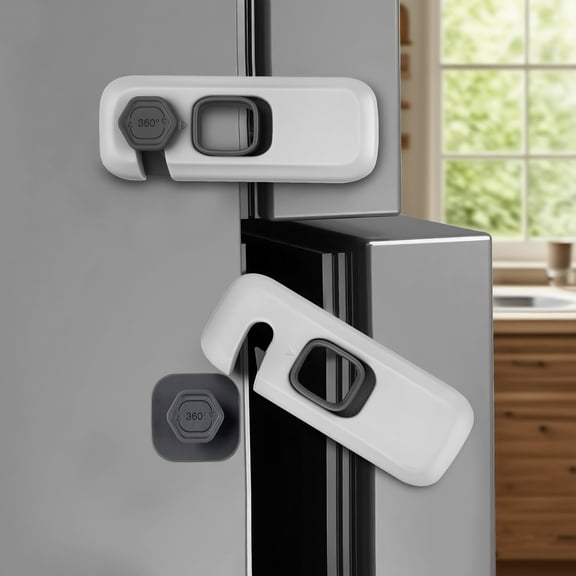
Strap locks connect two points, so you can secure refrigerators, toilets, trash pullouts, and some double-door cabinets. You can use them where flat latches or internal catches may not fit well.
Sliding locks usually work across double handles or knobs, so you can install them quickly without interior hardware. You can choose them when you want a simple, visible lock position.
Spring-loaded styles often rely on a press-and-release motion inside the cabinet frame. You can consider them if you want a familiar latch feel on standard cabinet doors.
Installation method matters because you may prefer adhesive, screw-in, or tension-mount designs. You should compare setup time, hold style, and the finish you want after removal.
Adhesive options can work well when you want less visible hardware and no drilling. You should check adhesive curing time, because some locks need a waiting period before full use.
Screw-in styles can suit households that want a fixed mount inside wood cabinetry. You should measure first, because placement affects how smoothly your cabinet or drawer closes.
Tension-mount designs can help when you want removable fitment on certain openings. You should confirm the pressure range and the exact opening width before you choose them.
What to look for in baby proofing cabinet locks
Fitment matters as much as lock style, so you should measure cabinet lips, drawer clearance, and handle spacing. You can avoid returns by checking interior depth and door swing before installation.
For drawers, you should look at side clearance and how far the drawer opens before the catch engages. You can narrow your options faster when you know your interior dimensions.
For cabinets, you should compare frame shape, lip thickness, and whether shelves block the latch position. You can use baby proofing cabinet locks more effectively when placement stays clear.
Material also changes how a lock feels during daily use. You can choose heavy-duty plastic for lightweight installs, silicone for flexible straps, or metal parts for rigid contact points.
Aesthetic impact may shape your decision if you want a subtle nursery or kitchen look. You can hide magnetic cabinet locks inside doors, while visible straps make lock status easier to confirm.
If you want easy checks during busy routines, visible baby safety guards may feel more straightforward. If you want less visual clutter, internal latches may suit your cabinets better.
Using child safety locks in real rooms
In kitchens, you can use drawer locks for babies on utensil drawers, lower snack storage, and cleaning-supply cabinets. You can pair magnetic locks on cabinet doors with sliding locks on double handles.
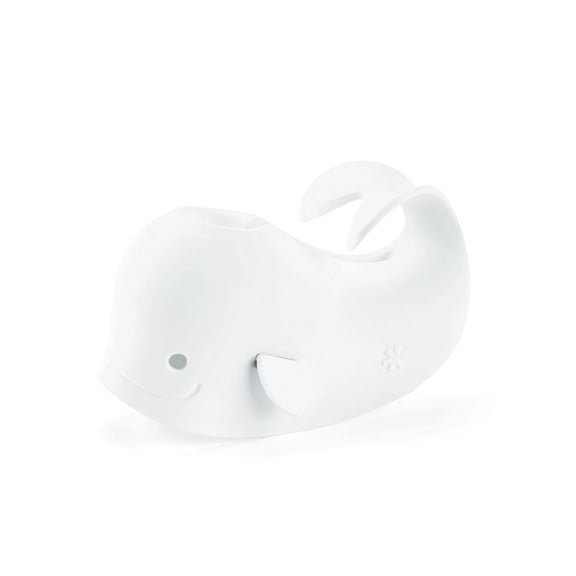
In bathrooms, you can use strap locks on toilet seats, under-sink cabinets, and vanity drawers. You should compare moisture exposure and surface shape before choosing adhesive placement.
In laundry areas, you can use child safety locks on appliance doors and supply cabinets. You can choose flexible straps when handles sit far apart or surfaces curve.
For living rooms or offices, you can secure media cabinets, sideboards, and storage drawers without changing the room's look too much. You can favor hidden latches when appearance matters most.
If you move often or rent your home, you may prefer adhesive options that install with fewer tools. You should still check curing guidance and surface compatibility before regular use.
If you want a more fixed setup, screw-in cabinet latches can make sense for frequently used storage zones. You can reserve them for wood surfaces where permanent placement feels appropriate.
When you compare baby safety guards and cabinet latches child safety styles, you should balance appearance, access, and fit. You can build a more complete setup by mixing lock types across rooms.
With the right measurements, surfaces, and lock style, you can choose baby safety locks that fit your home more cleanly. You get a setup that feels easier to use every day.