Baby health and safety essentials help you set up daily care, monitoring, and home proofing with clear choices for each stage. You can compare monitors, gates, locks, and baby health supplies by function, fit, and upkeep.
If you’re building a nursery or updating shared spaces, you need category guidance that matches real routines. You’ll find options that support feeding, sleep checks, room access control, and quick care tasks.
How to choose baby health and safety products
When you compare this category, you’re usually choosing between monitoring, baby proofing, and care basics. You should start with the rooms you use most and the routines you repeat every day.
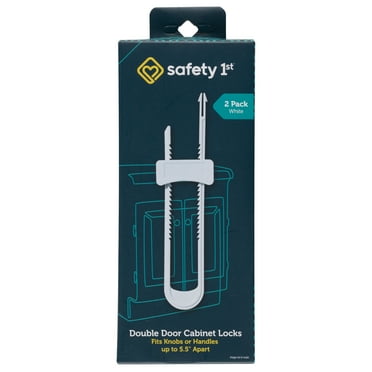
For example, you may need a monitor for naps, a gate for stair access, and cabinet locks for lower storage. You can also add baby protective gear and health kits that keep everyday supplies together.
- You can create clearer sleep and play zones with gates, locks, and room monitors.
- You can keep common baby health supplies together for faster diaper bag and nursery prep.
- You can match installation types to your walls, railings, doorways, and furniture surfaces.
- You can compare cleaning needs, battery styles, and included accessories before you choose.
Choosing the right monitor connection
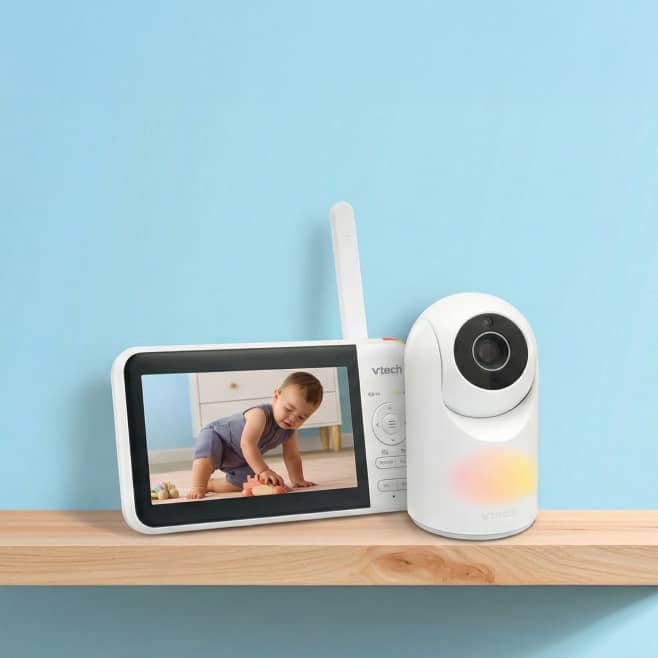
If privacy and signal style matter most to you, compare a non wifi baby monitor with WiFi-enabled and audio-only options. You’ll often choose non-WiFi models when you want a direct parent unit connection.
When you see FHSS in product details, you’re looking at a common digital signal type for baby monitors. You can think of smart FHSS as a dedicated link that doesn’t rely on your home router.
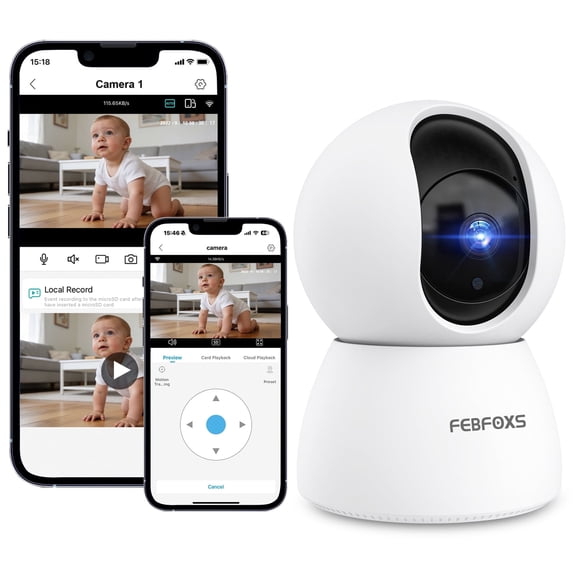
If you want app viewing and remote check-ins, you may prefer WiFi-enabled monitors for connected access. If you want simple listening in a smaller space, you may prefer audio-only designs.
You should also check screen size, battery runtime, range notes, and camera adjustability before you decide. You’ll notice those details matter most during naps, overnight checks, and room-to-room movement.
Comparing safety gates, locks, and mounting types
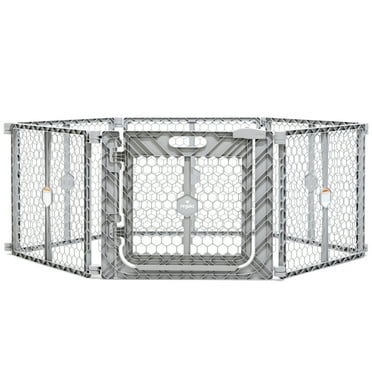
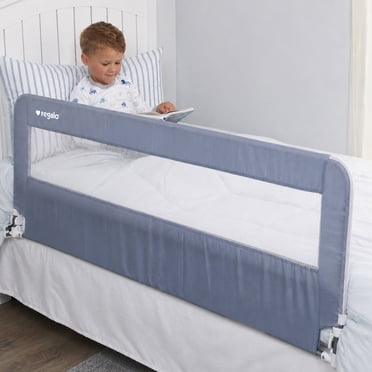
Installation type shapes how well your setup fits hallways, stairs, and open living spaces. You should compare hardware mounted, pressure mounted, adhesive, and strap-on options by surface and placement.
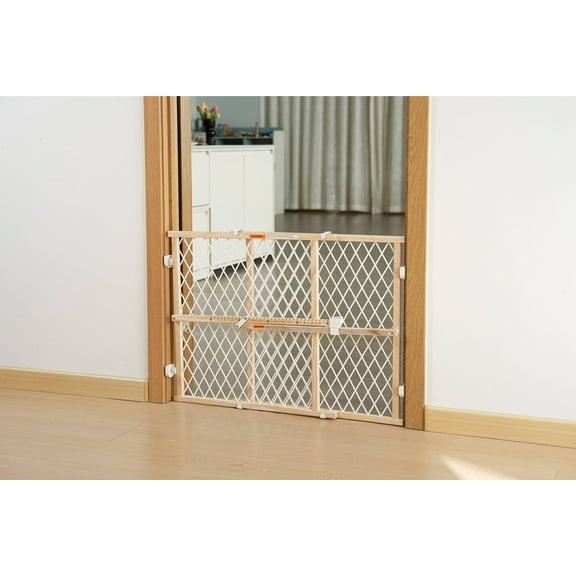
Hardware-mounted gates usually suit stair areas where you want a fixed setup. Pressure-mounted gates often work well when you need a movable barrier between rooms.
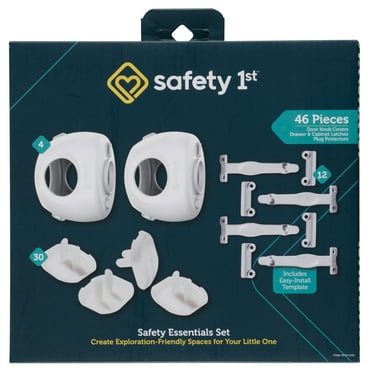
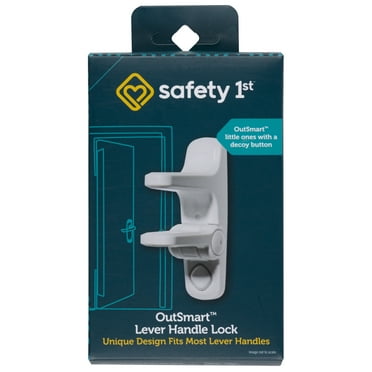
Adhesive and strap-on styles can help you secure cabinets, drawers, appliances, and some furniture surfaces. You should check measurements, latch style, and surface compatibility before you install anything.
If a product mentions a pvc gate brace, you’re usually reviewing an accessory for added gate positioning or support. You can use that detail as a fit check when you compare gate layouts and materials.
Understanding baby protective gear and material details
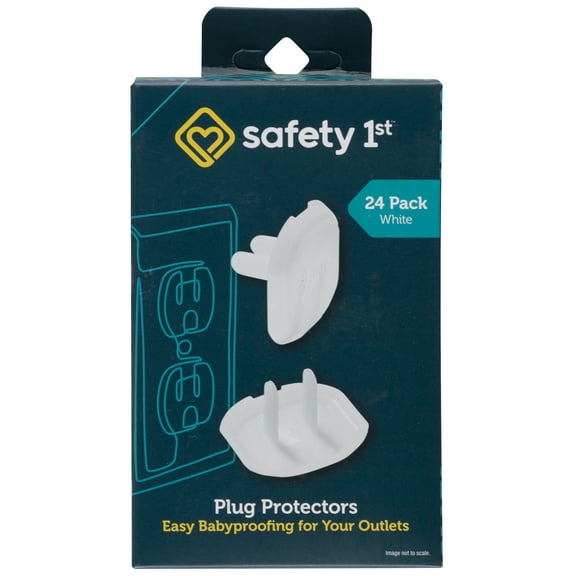
When you review baby protective gear, you should focus on the contact points your child reaches most. You can compare corner covers, edge cushions, outlet covers, and table guards by shape and attachment style.
Material notes also matter when you’re comparing teethers, medicine tools, grooming items, and feeding accessories. You should look for clearly labeled materials and easy-to-clean surfaces in everyday care items.
If certifications or material notes appear in product details, you should use them as a comparison tool. You can pair those notes with plain checks like smooth edges, secure closures, and simple wipe-clean finishes.
Choosing baby health supplies for daily routines
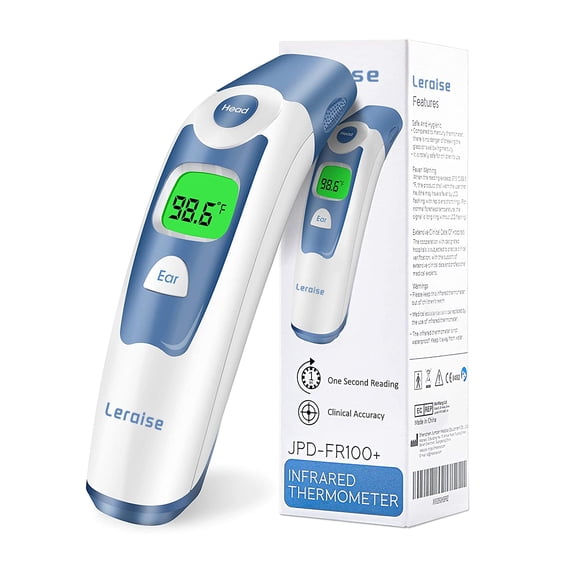
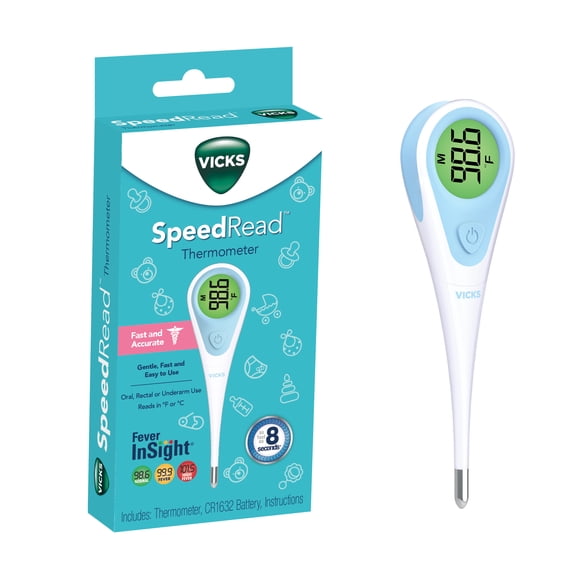
Baby health supplies usually work best when you match them to the care tasks you handle every week. You may want grooming kits, thermometers, nasal aspirators, medicine dispensers, and first aid items in one place.
If you’re packing a diaper bag, you may prefer compact kits with organized compartments and smaller tools. If you’re stocking a nursery, you may prefer larger sets with storage cases and refill space.
You should also compare thermometer formats, kit contents, and cleaning steps before you choose. You’ll appreciate simple storage and quick access during bedtime prep, travel, and seasonal routine changes.
Matching combinations to your home and schedule
If you live in a smaller home, you may pair an audio-only or non wifi baby monitor with one pressure-mounted gate. You can keep setup simple while covering naps, doorway limits, and everyday movement.
If you use several rooms throughout the day, you may want a camera monitor, cabinet locks, and adhesive protectors together. You can create a more consistent setup across kitchens, bathrooms, and play areas.
For grandparents’ homes or travel, you may prefer lighter kits with portable monitors and strap-on safety accessories. You should look for pieces that store easily, clean quickly, and install without complicated steps.
As your child grows, you can update your choices by room, routine, and access level. You’ll get more practical use when your setup matches stairs, door widths, furniture edges, and care habits.
With baby health and safety products, you’re not choosing one item alone. You’re building a setup that fits your home, supports daily care, and helps you stay prepared with less guesswork.






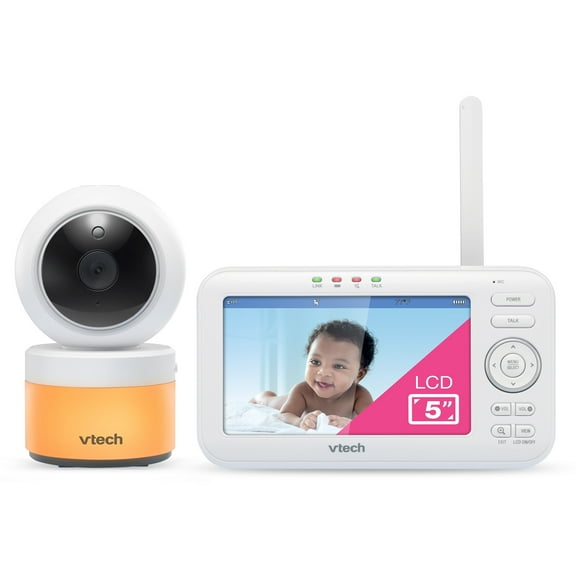
 HelloBaby HB6352 Video Baby Monitor – 5″ LCD, No Wifi, Pan-Tilt-Zoom, 1000 ft Range$49.97current price $49.97
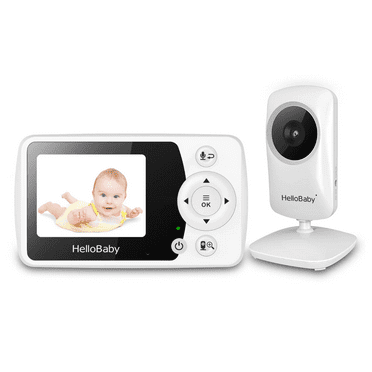 HelloBaby HB31 Night Vision baby monitor with Camera and Audio, 1000ft, No Wifi, Lullaby, 2.4" LCD.$43.99current price $43.99
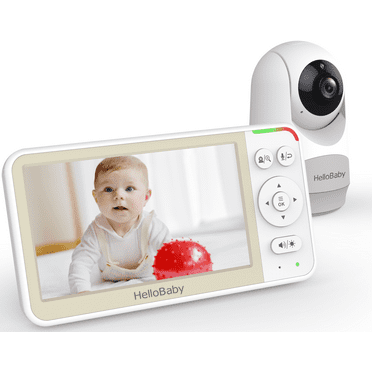 HelloBaby Video Baby Monitor-HB6256 with Remote Pan-Tilt and Zoom, 1000ft Long Range, No WiFi, 5.0" LCD, Night Vision, Lullabies, and Two-Way Audio$79.99current price $79.99
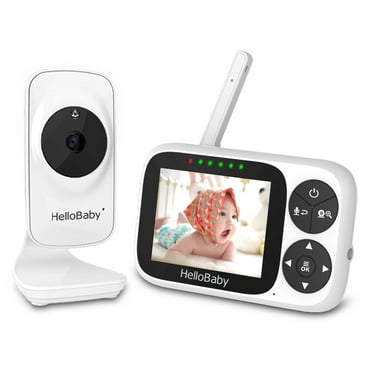 HelloBaby Baby Monitor-HB2033 with Camera and Audio, 1000ft Long Range Video Baby Monitor - No WiFi, IR Night Vision, Lullaby, VOX Mode 3.2" LCD, Security Camera$49.99current price $49.99
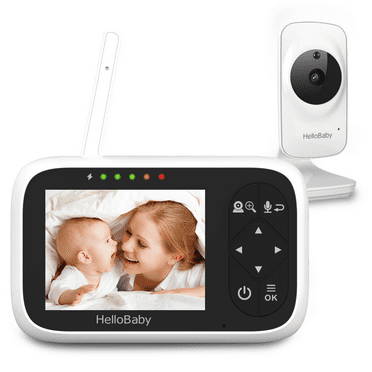 HelloBaby Baby Monitor-HB2036 with Camera and Audio, 1000ft Long Range Video Baby Monitor - No WiFi, IR Night Vision, Lullaby, VOX Mode 3.2" LCD, Security Camera$49.97current price $49.97
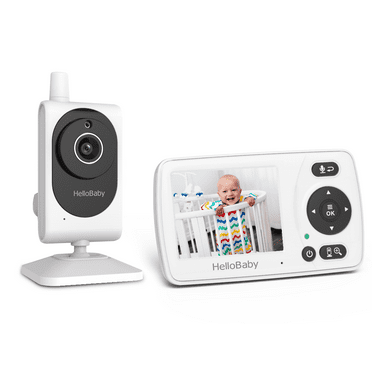 HelloBaby Baby Monitor-HB2530 with Camera and Audio, 1000ft Long Range Video Baby Monitor - No WiFi, IR Night Vision, Lullaby, VOX Mode 2.4" LCD, Security Camera$44.99current price $44.99
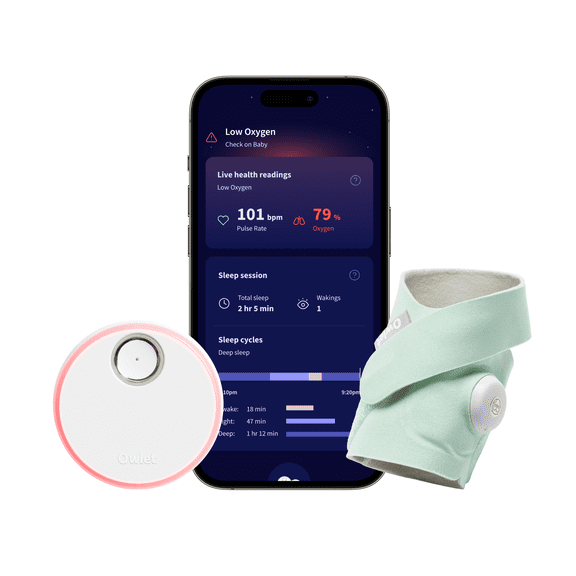
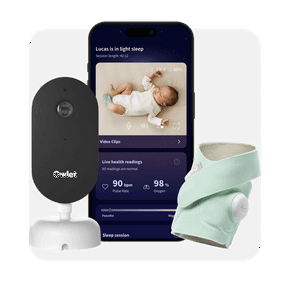
 Owlet Dream Sock – Smart Wearable Baby Monitor | Tracks Oxygen & Pulse Rate | Live Health Alerts, Sleep Insights & App Integration - Mint$299.00current price $299.00