










Baby Learning Toys in Baby & Toddler Toys























About Baby Learning Toys in Baby & Toddler Toys - Walmart.com
Baby learning toys help you turn everyday play into early skill-building. You can compare age ranges, play styles, and materials to choose toys that match your child’s stage.
How to choose baby learning toys by age
Age range is your first decision point when you compare baby learning toys. You’ll want toys sized for little hands and built for early exploration.
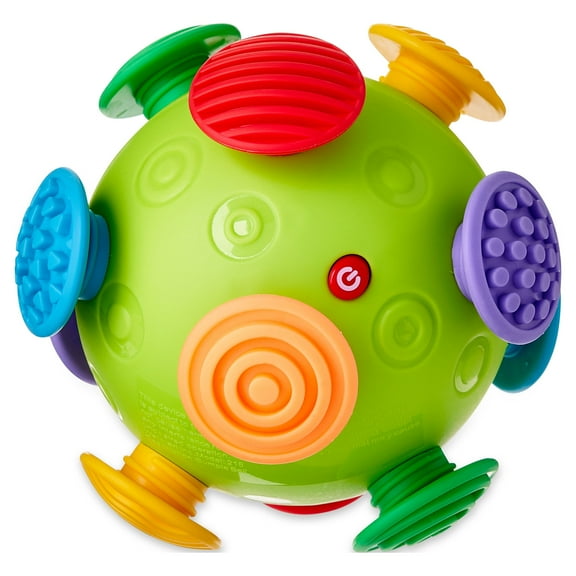
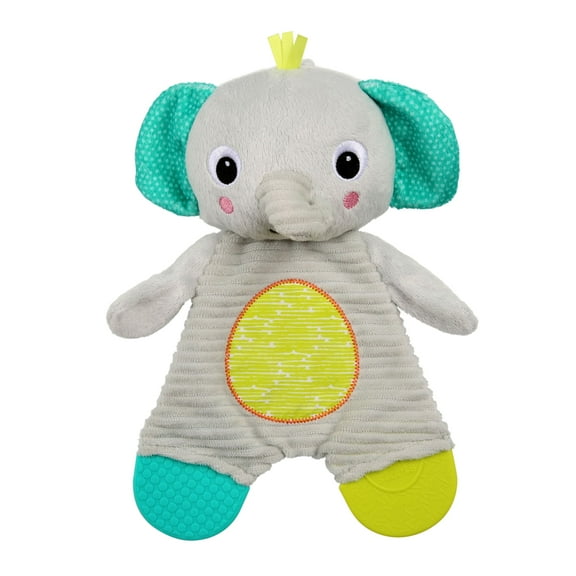
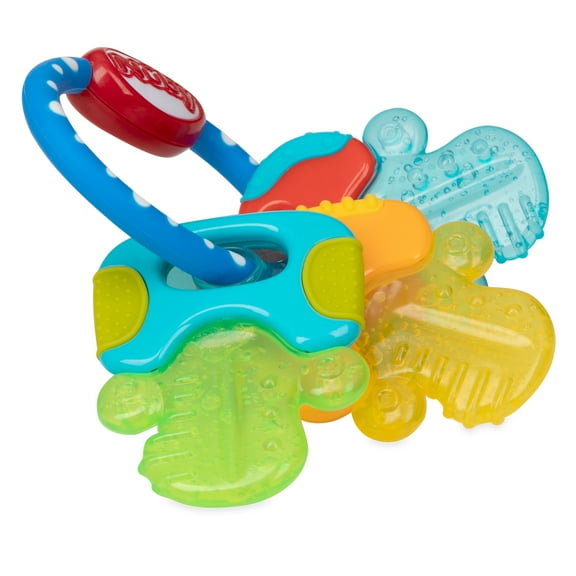
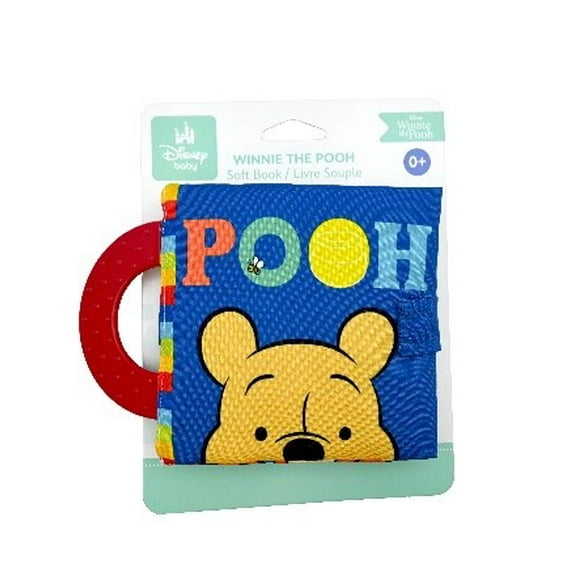
For ages zero to six months, you can look for soft textures, high-contrast details, and gentle sounds. You’ll often prefer simple sensory toys for babies that encourage reaching and tracking.
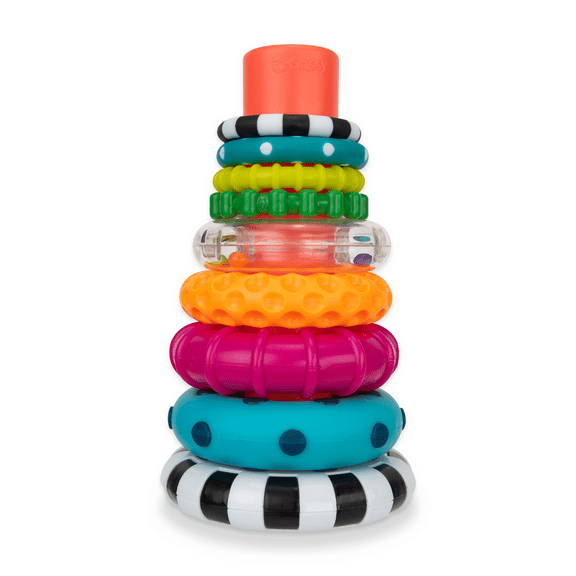
From six to 12 months, you can consider stackers, musical toys, and textured shapes. You’ll notice this stage supports grasping, tapping, and early cause-and-effect play.
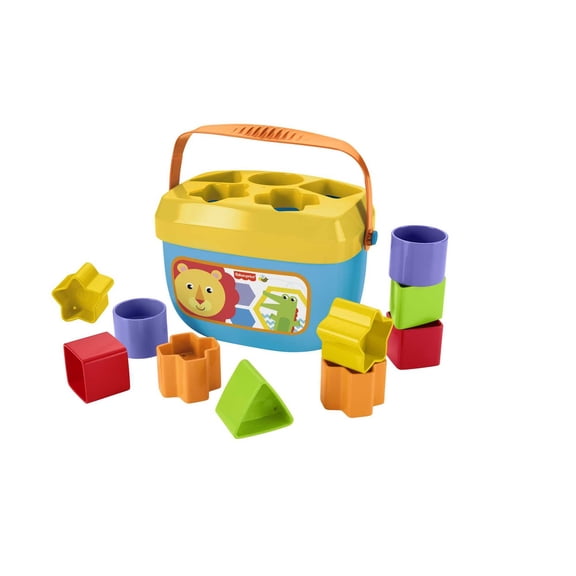
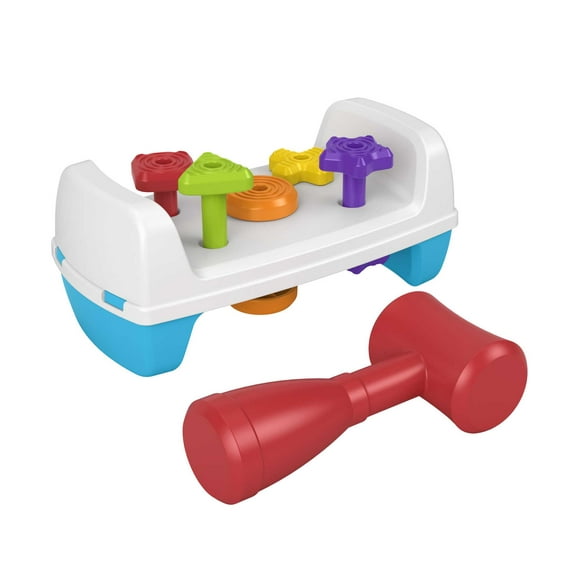
For 12 to 18 months, you can compare shape sorters, chunky puzzles, and push-and-press toys. You’ll often want interactive baby toys that reward matching, dropping, and repeating actions.
Between 18 and 24 months, you can look for toddler learning toys with more steps. You’ll usually choose toys that support sorting, simple problem-solving, and first words.
What to look for in educational baby toys
Developmental focus helps you narrow educational baby toys with more confidence. You can match playtime to sensory, fine motor, cognitive, or language goals.
- You can use sensory-focused toys to introduce textures, lights, sounds, and movement.
- You can choose fine motor toys like blocks and stackers to support grasping and hand control.
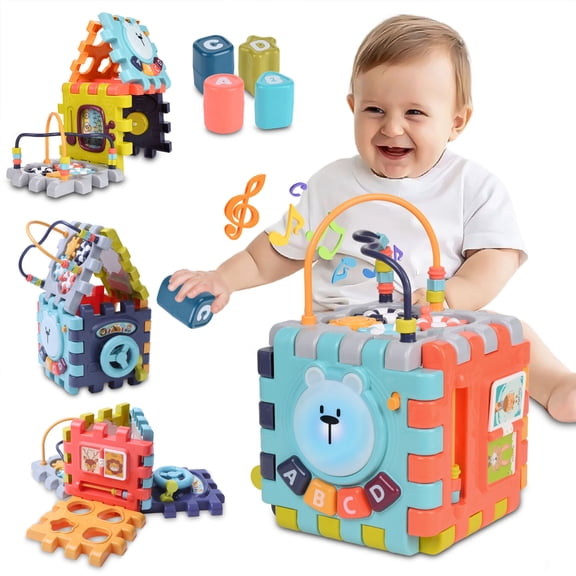
- You can compare cognitive toys like shape sorters and simple puzzles for early problem-solving.
- You can look for language and speech toys with songs, labeled objects, and repeatable sounds.
Cause-and-effect features matter when you want clear feedback during play. You’ll see babies press, shake, or drop pieces and notice what happens next.
Repetition also supports learning because you can offer the same action in different ways. You’ll find that matching, stacking, and tapping keep play focused and easy to follow.
Comparing toy types, materials, and everyday features
Toy type shapes how your child interacts with each activity. You can compare blocks and stackers, puzzles, musical toys, and shape sorters based on your routine.
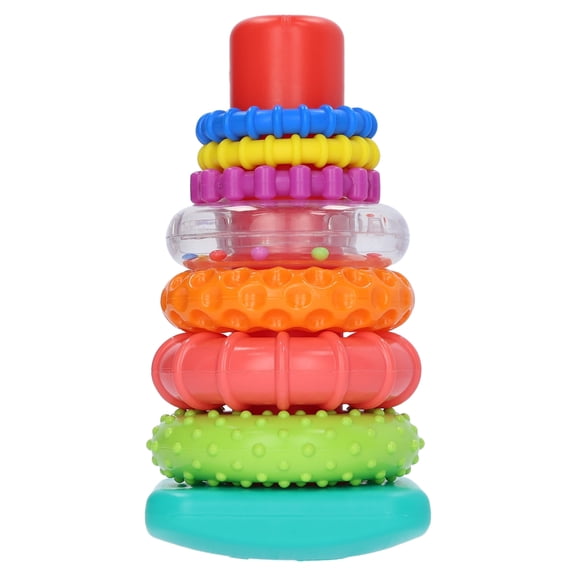
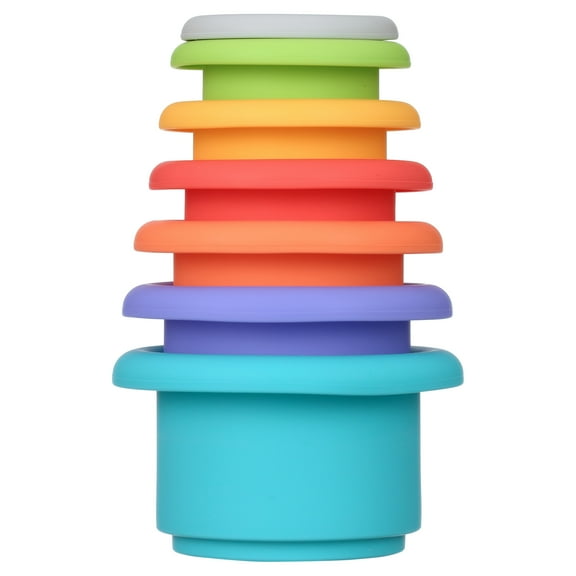
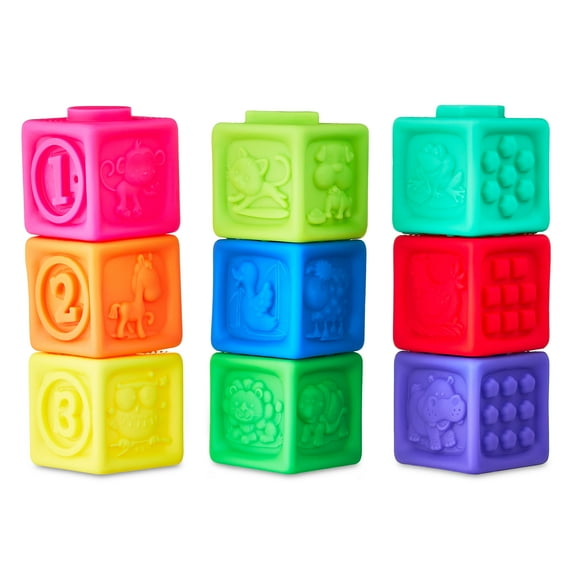
Blocks and stackers let you practice building, knocking down, and balancing pieces. You can use them for open-ended play that grows with changing coordination.
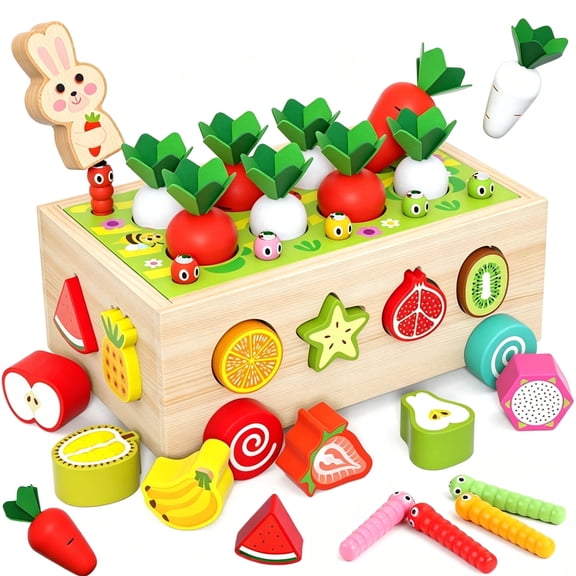
Puzzles and shape sorters give you more structured play with matching and placement. You’ll often choose these when you want a clear beginning and end.
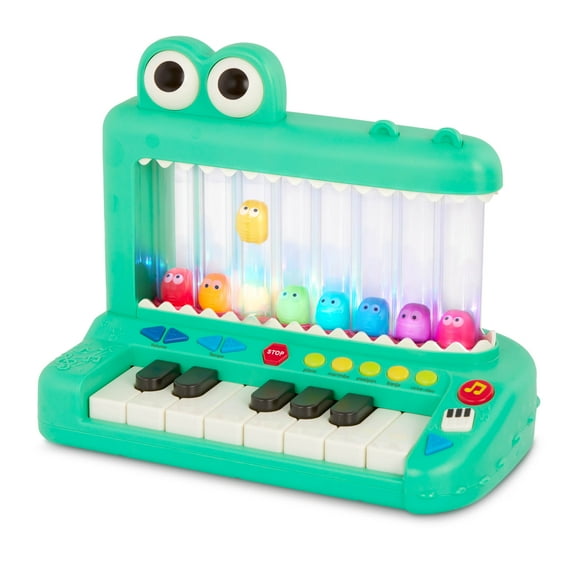
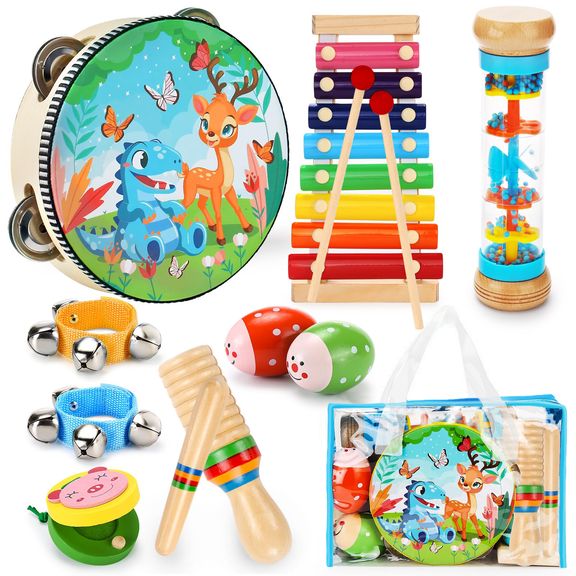
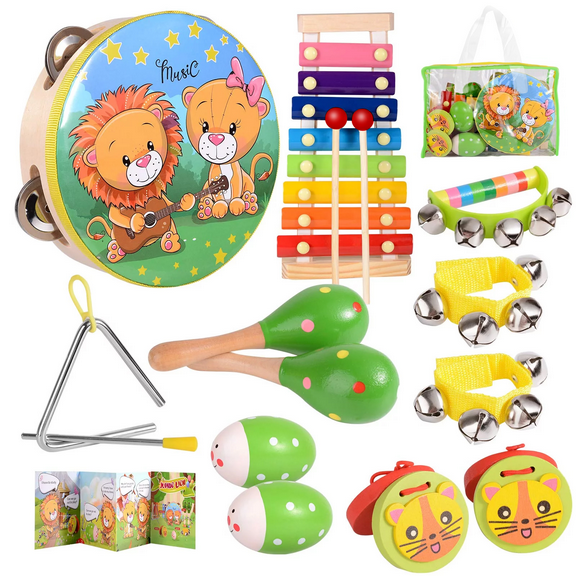
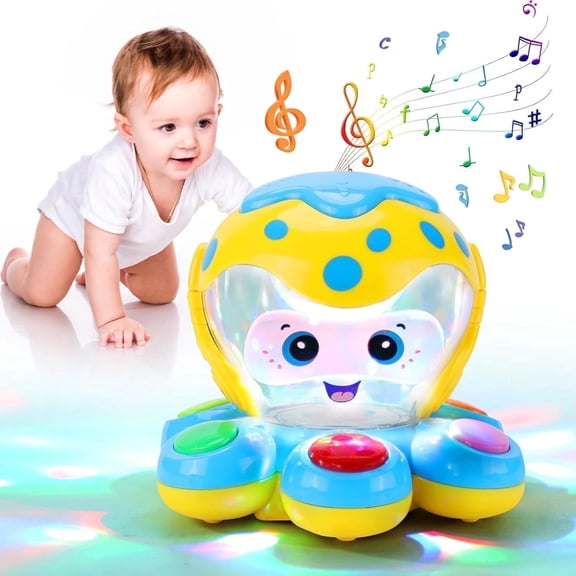
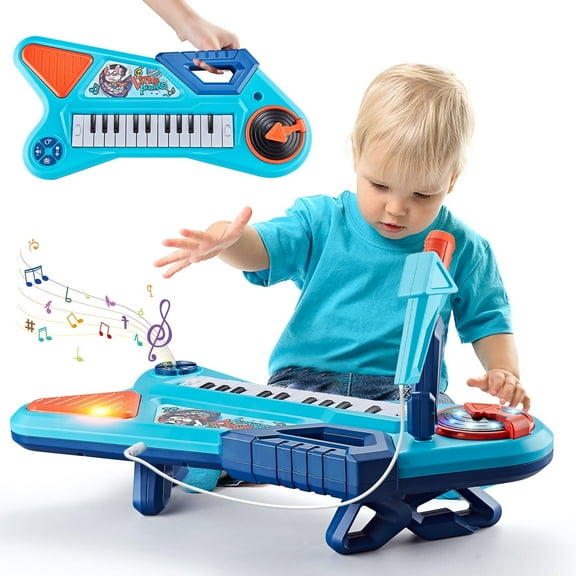
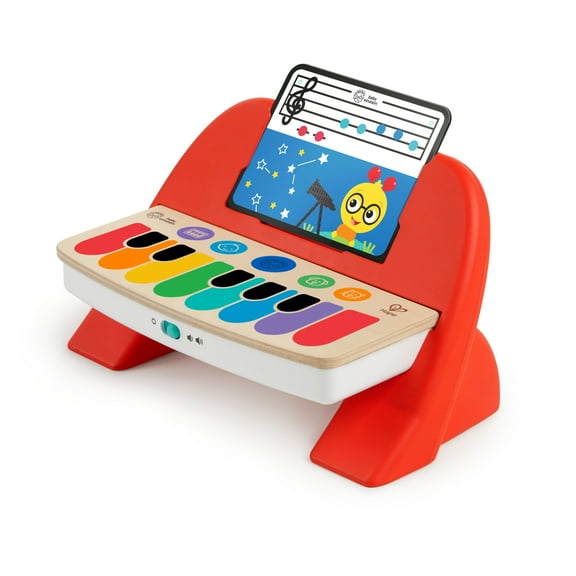
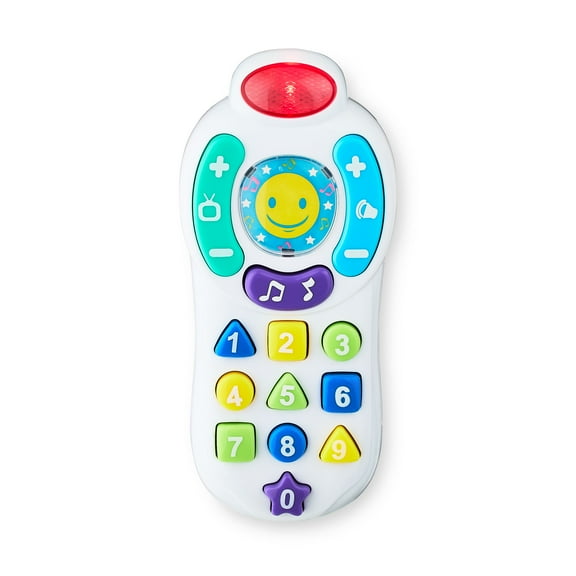
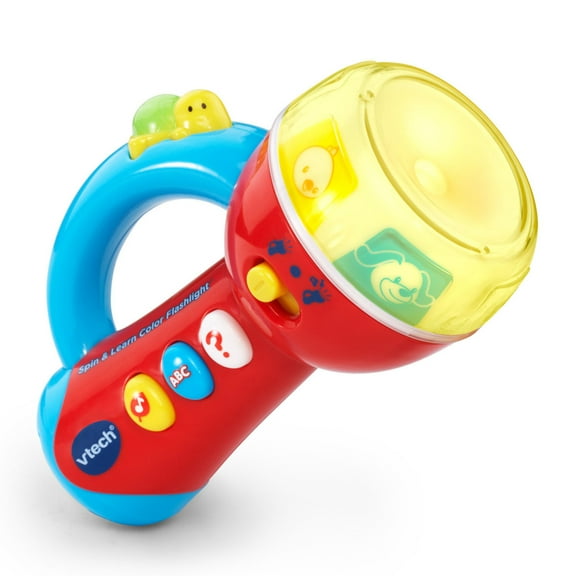
Musical toys work well when you want immediate sound feedback and repeated button presses. You can check volume level and battery needs before you choose battery-powered options.
Materials matter because you’ll handle these toys every day. You can compare wooden styles and plastic styles based on weight, texture, and cleanup.
Wooden toys can feel sturdy and simple, especially when you want montessori baby toys or traditional play. Plastic toys can give you bright colors, wipe-clean surfaces, and lighter pieces.
Safety details should stay high on your list while you compare infant learning toys. You can look for BPA-free materials, non-toxic finishes, and age-appropriate sizing.
You should also check whether pieces fit the listed age range and intended play pattern. You’ll want designs shaped for supervised baby play and everyday handling.
Choosing methodology and matching real play scenarios
Methodology gives you another useful way to compare options. You can choose Montessori, STEM, or traditional play based on how structured you want the activity.
Montessori baby toys usually focus on simple forms, hands-on repetition, and self-directed discovery. You can use them when you want calm activities with fewer distractions.
STEM-inspired toys introduce basic sorting, sequencing, and cause-and-effect through play. You can consider these when you want early exploration with motion, shapes, and simple problem-solving.
Traditional play toys often combine songs, colors, textures, and familiar actions. You can use them when you want flexible play that fits short attention spans.
If you’re shopping for tummy time, you can focus on soft sensory textures and easy-to-reach sounds. You’ll usually want lightweight items that encourage looking, touching, and batting.
For floor play with older babies, you can compare stackers, musical toys, and shape sorters. You’ll have options that support sitting play, crawling breaks, and repeated hand movements.
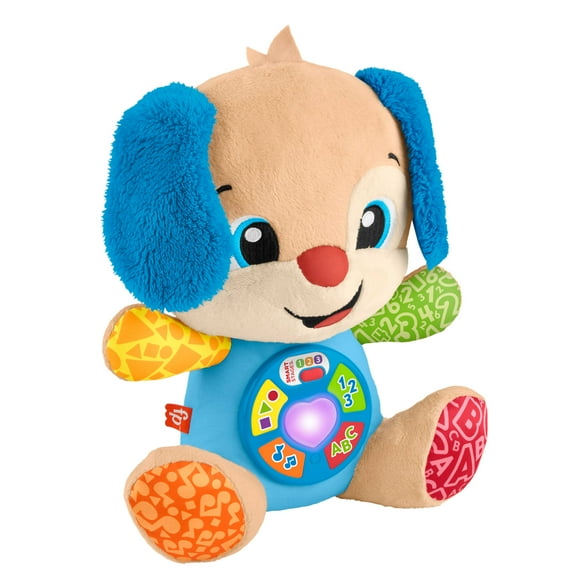
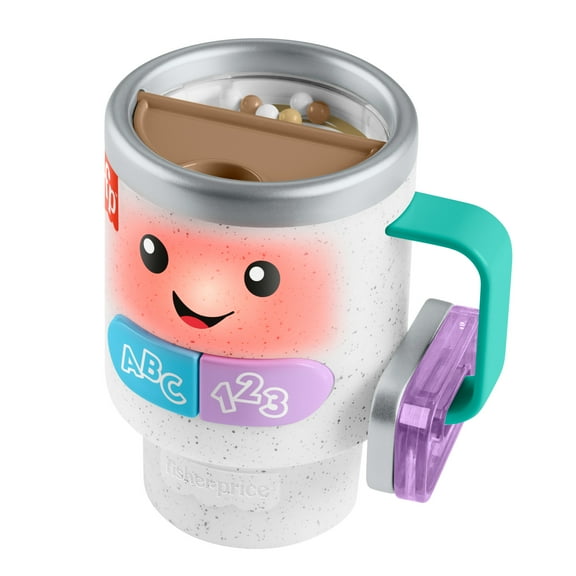
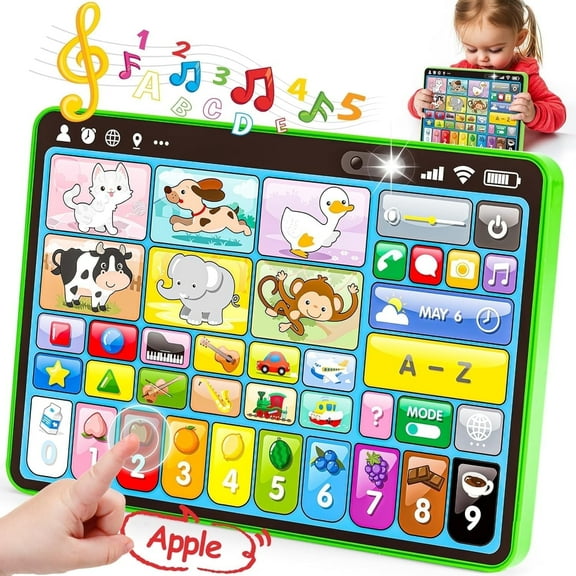
When your child starts imitating words, you can choose toys with letters, object names, or simple songs. You’ll support language practice through repetition and familiar sounds.
If your household needs easy cleanup, you can check surfaces, seams, and removable parts. You’ll appreciate toys that wipe down quickly after daily play.
With the right baby learning toys, you can match age range, developmental focus, toy type, and methodology without guessing. You’ll feel more confident choosing play that fits your child’s stage and your routine.
Popular in Baby Learning Toys in Baby & Toddler Toys - Walmart.com
- 12-18-month-babies-toys
- Toddlers Toys 12-24 Months
- Baby Boy Toys 12 24 Months
- Baby Learning Toys 6-12 Months
- Month Old Gifts
- Baby Toys For 12-24 Months For Girls
- 18 Months Old Toys
- Best Toys For 18 Month Old
- 12 Month Baby Development
- Baby Learning Toys 1236 Months
- Baby Touch Game
- Best Sellers In Baby Girl Toys 12 To 24 Months