

Baby Toddler Toys
Play, learn & grow
Baby & toddler toys

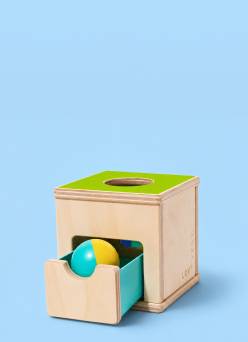
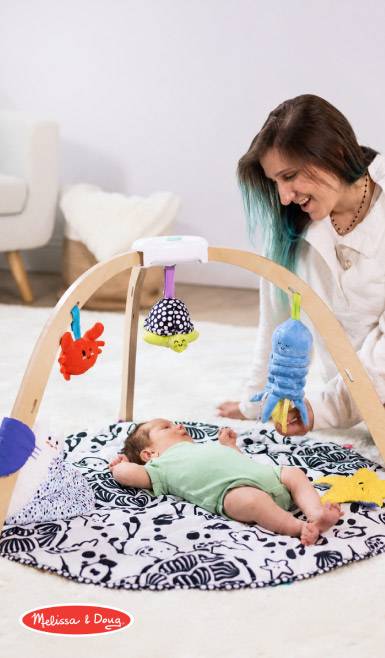
Shop by category

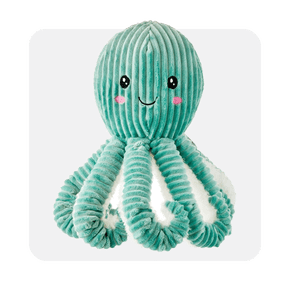
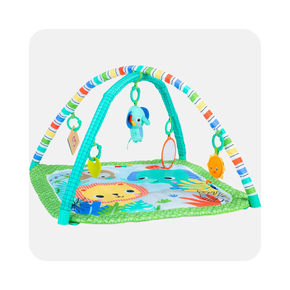
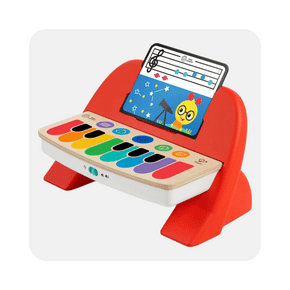



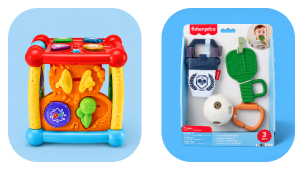
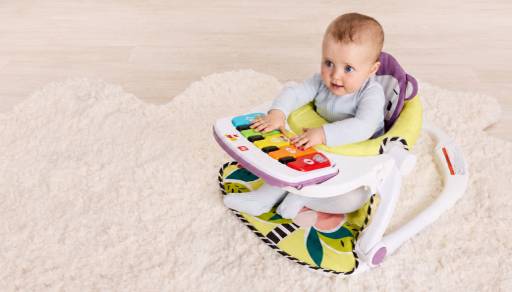
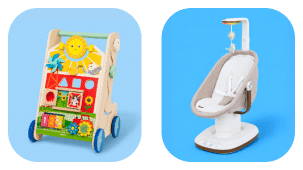
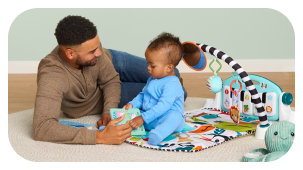
Baby playtime favorites
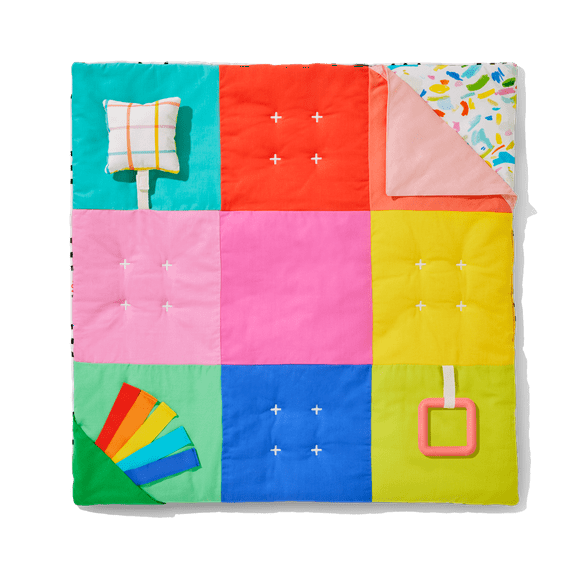
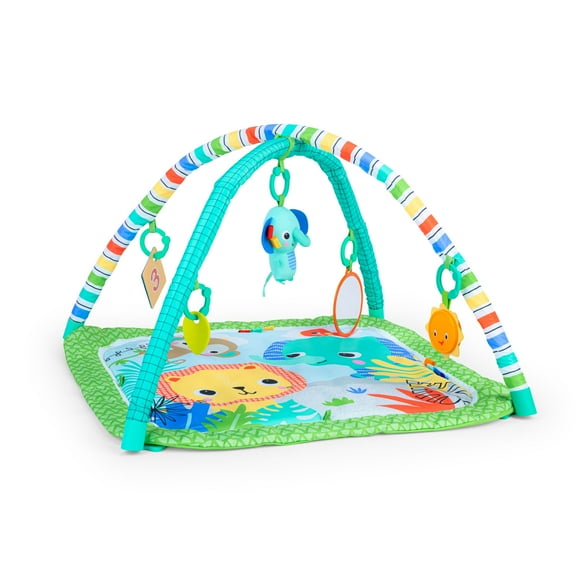
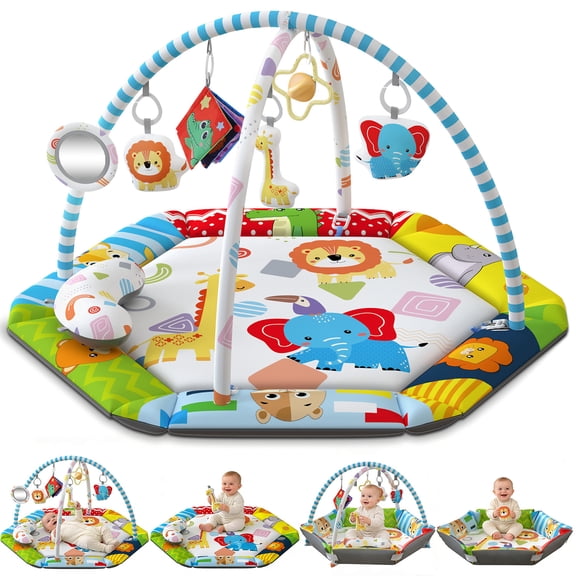
Shop activity mats, sensory toys & more.







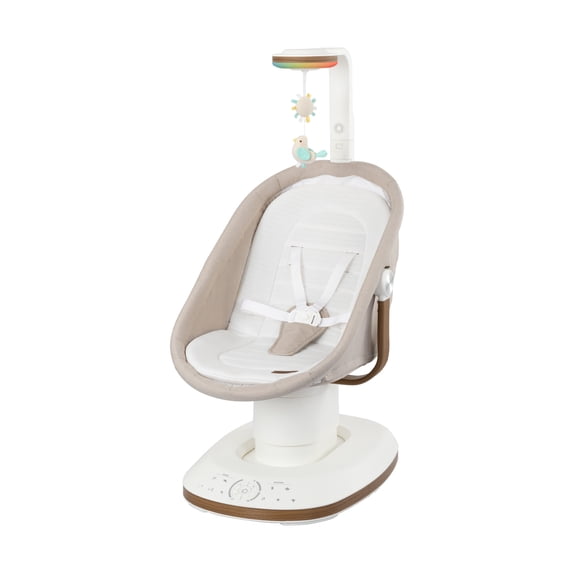
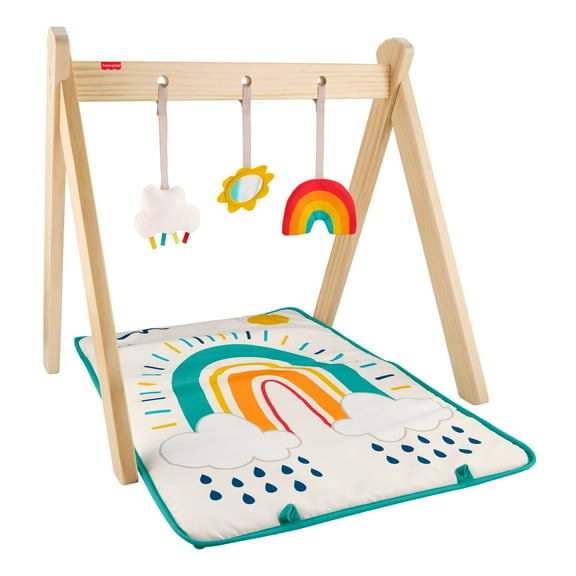
Brands parents are loving
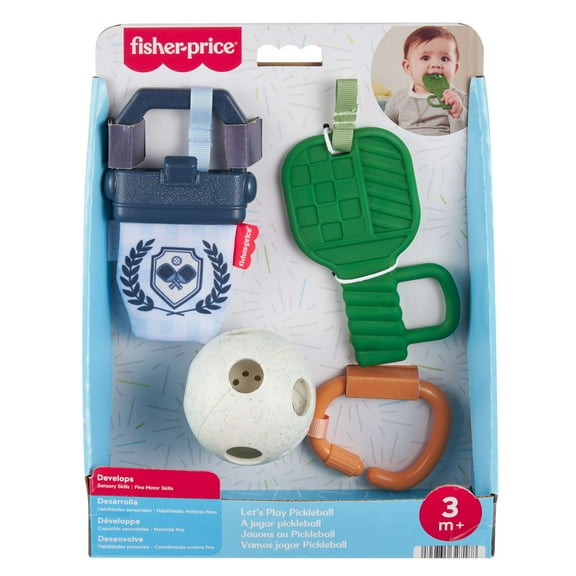
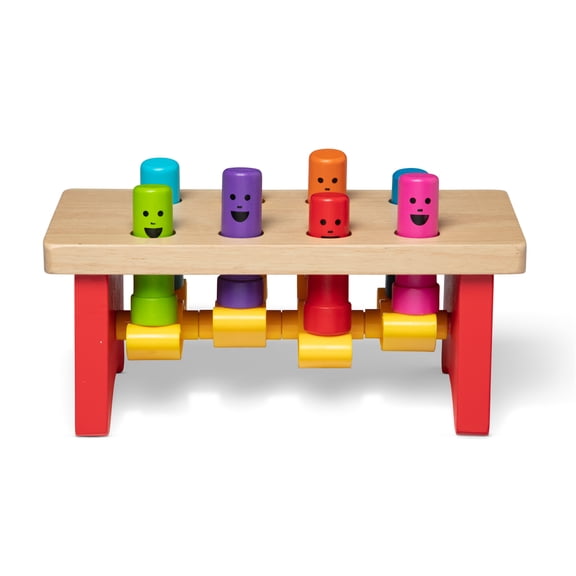
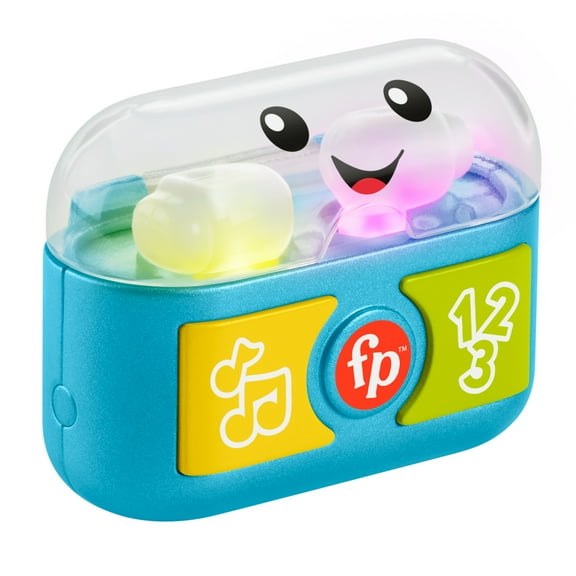
Shop Fisher-Price, Evenflo & more.

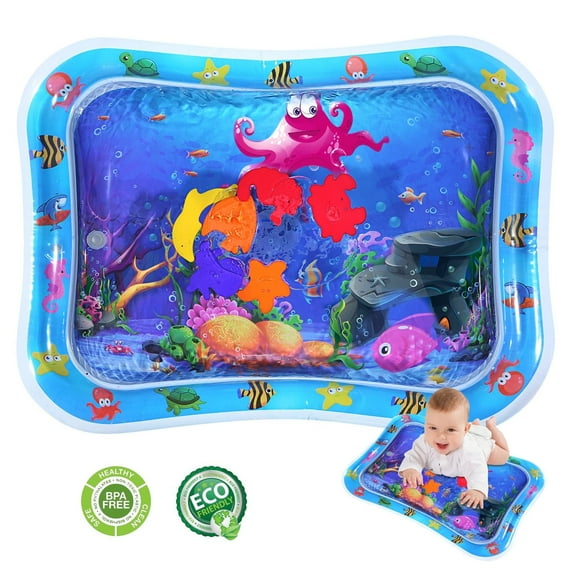
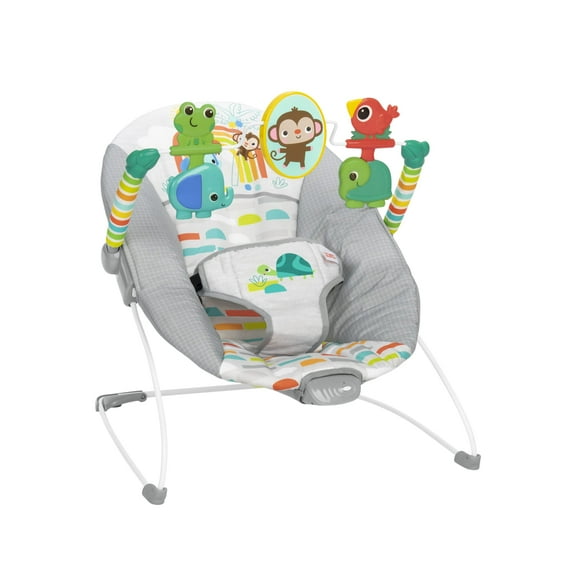
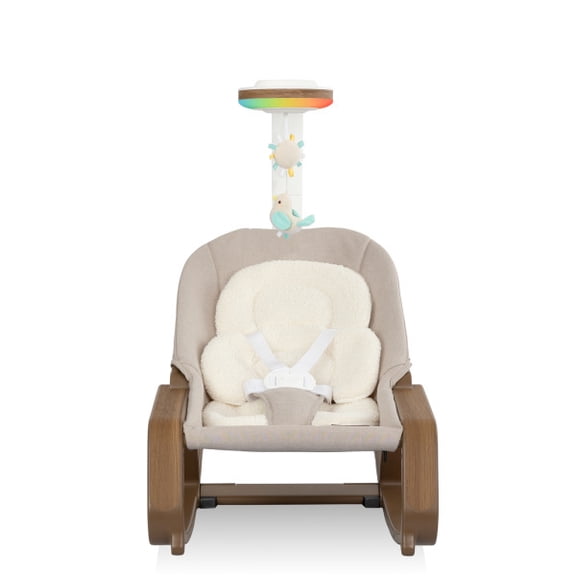
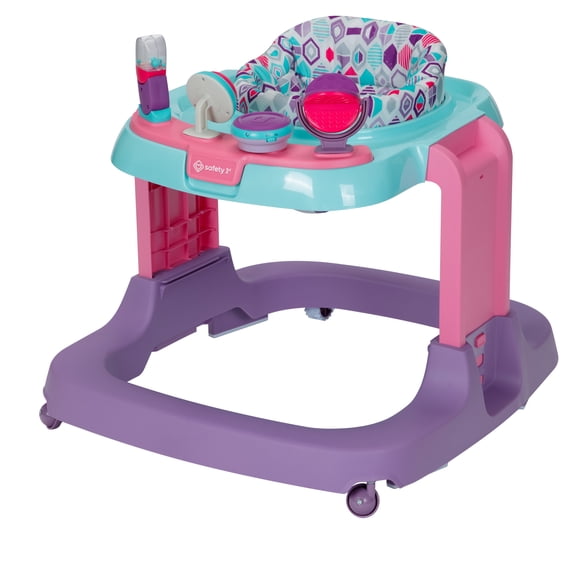


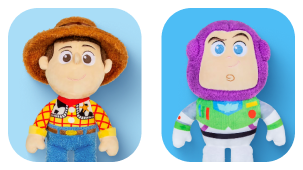
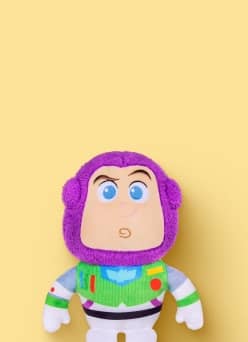
Kids’ playtime faves
Most-loved characters, plushies & more.

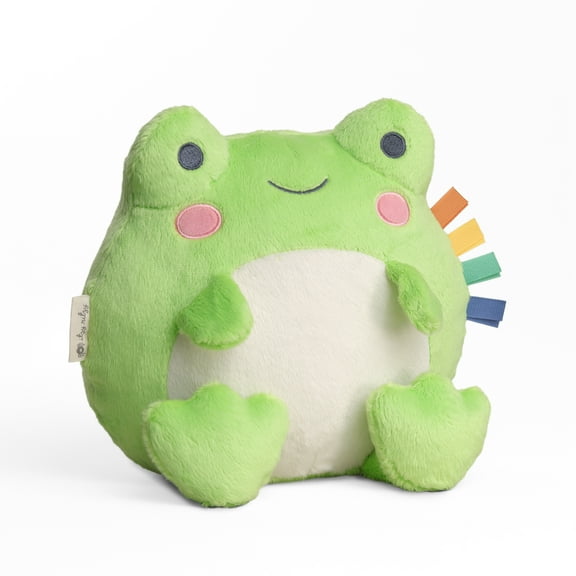
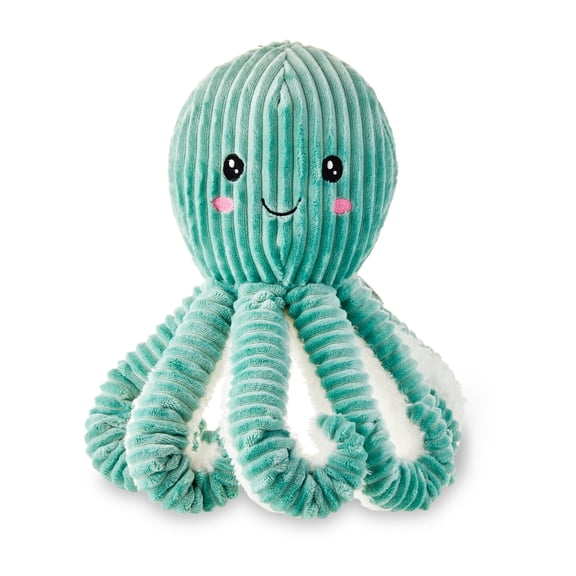
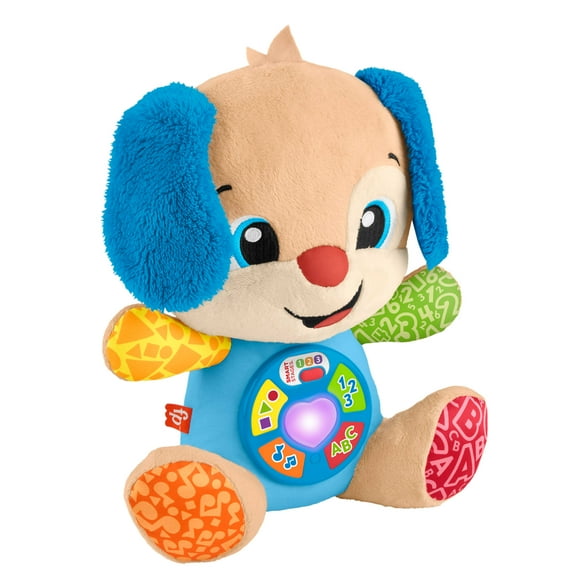
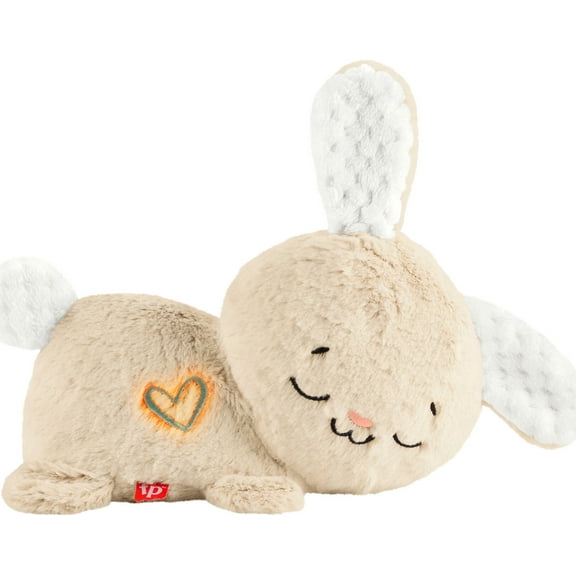
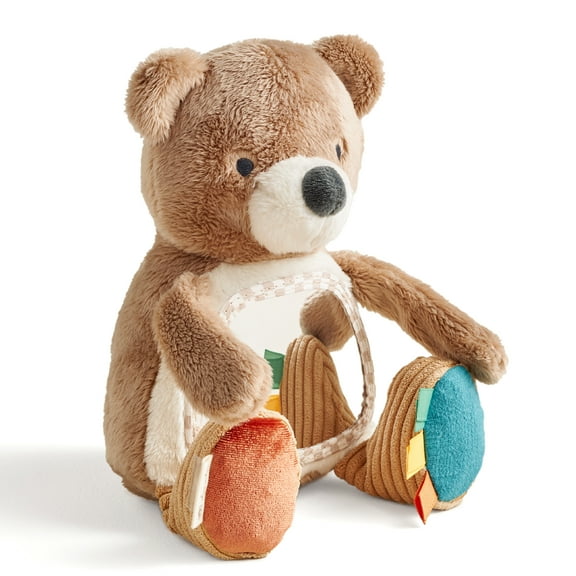
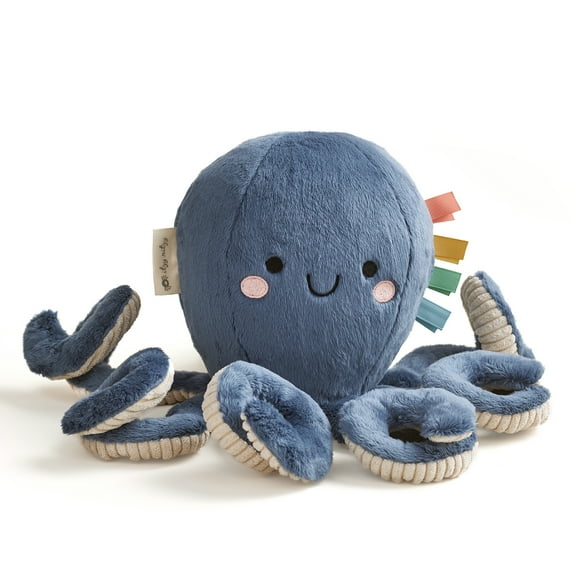
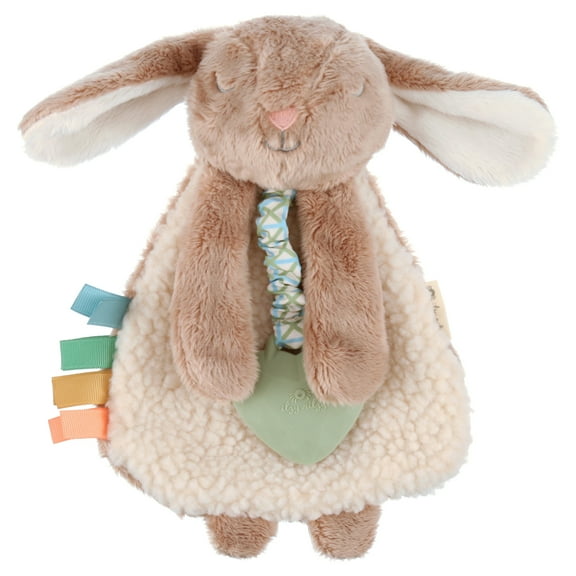
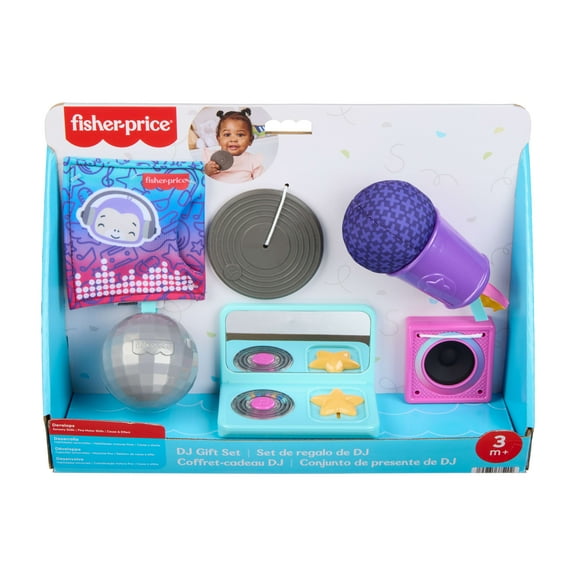
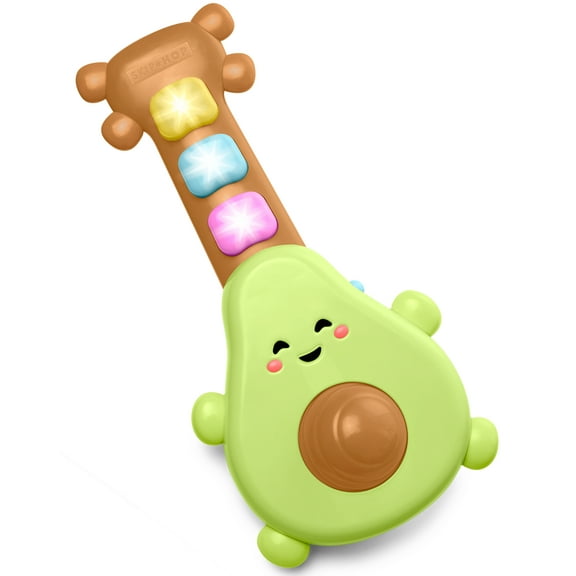
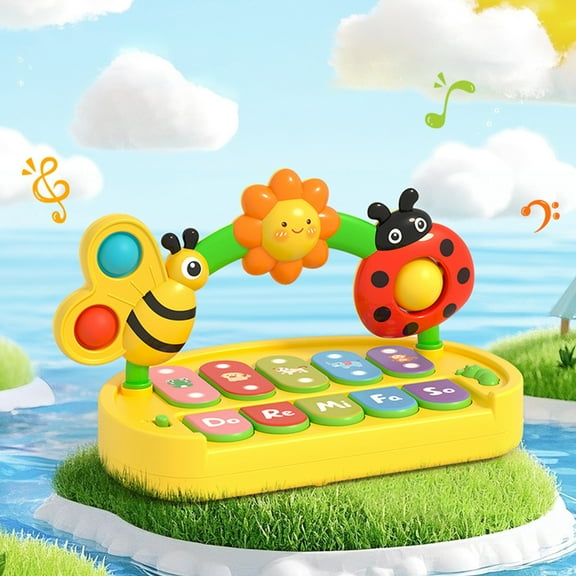
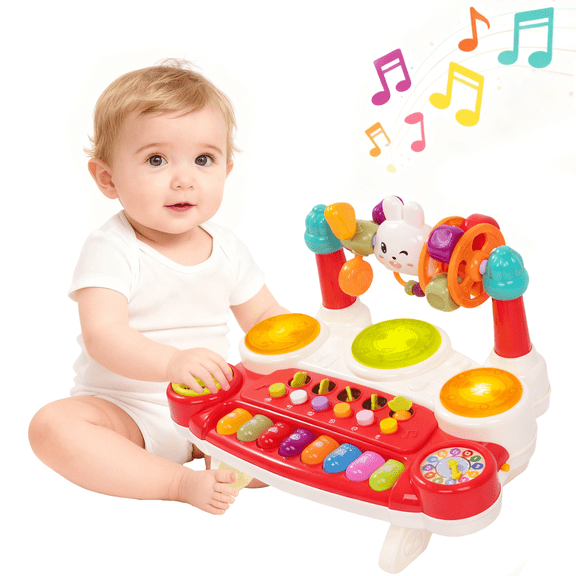
Music & sound favorites
From soothing sleep to engaging play.



Shop by age





Brands we love









FAQ
About Baby Toddler Toys - Walmart.com
Newborn toddler toys help you match playtime to your child’s stage, from early sensory discovery to active toddler learning. You can compare age range, material safety, and toy type to choose play that fits daily routines.
How to choose newborn toddler toys by age
For newborns through six months, you’ll usually want simple infant toys with soft textures, gentle sounds, and easy-to-grasp shapes. You can use these early options to support visual tracking, reaching, and calm sensory play.
Between six and 12 months, you may look for teethers, musical toys, and lightweight building blocks sized for small hands. You can check age guidance and choking hazard dimensions to keep play aligned with this stage.
From 12 to 24 months, you’ll often compare shape sorters, stacking toys, and early learning toys that reward repeated practice. You can encourage hand-eye coordination as your child drops, stacks, matches, and carries pieces.
For toddler ages two and up, you may prefer toys that invite movement, pretend play, and simple problem solving. You can support growing independence with toys that involve pulling, pushing, sorting, and building.
What to look for in material safety
When you compare newborn toddler toys, you’ll want materials that fit mouthing, grabbing, and everyday handling. You can look for BPA-free plastic, natural wood, or organic plush fabric based on how your child plays.
BPA-free plastic can work well when you want wipe-clean surfaces and lightweight pieces for frequent use. You can quickly clean drips and crumbs, which helps keep busy play areas feeling manageable.
Natural wood may appeal to you when you want a solid feel and simple shapes for stacking or sorting. You can also compare smooth edges and non-toxic finishes for everyday peace of mind.
Organic plush fabric can make sense when you want soft companions for cuddling, squeezing, and early texture play. You can often choose machine-washable plush toys when easy cleaning matters in your routine.
Comparing developmental toys by focus
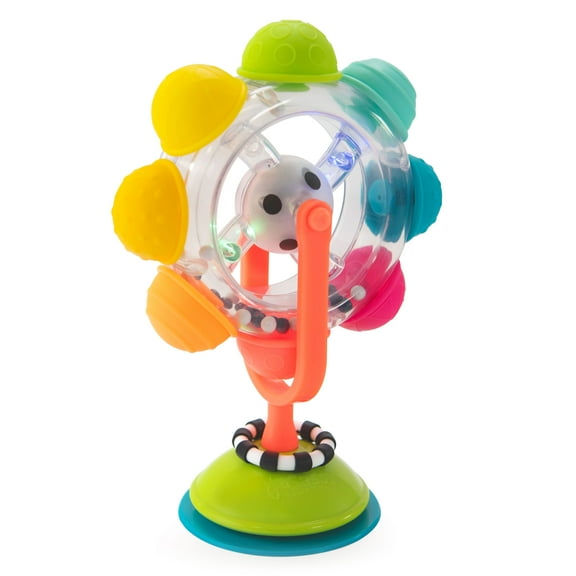
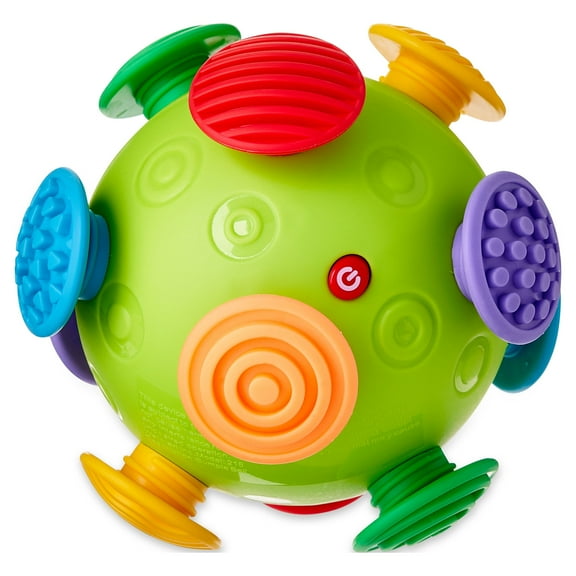
You can narrow developmental toys by the skill you want to encourage during playtime. Sensory toys support looking, listening, touching, and exploring different textures, sounds, and colors.
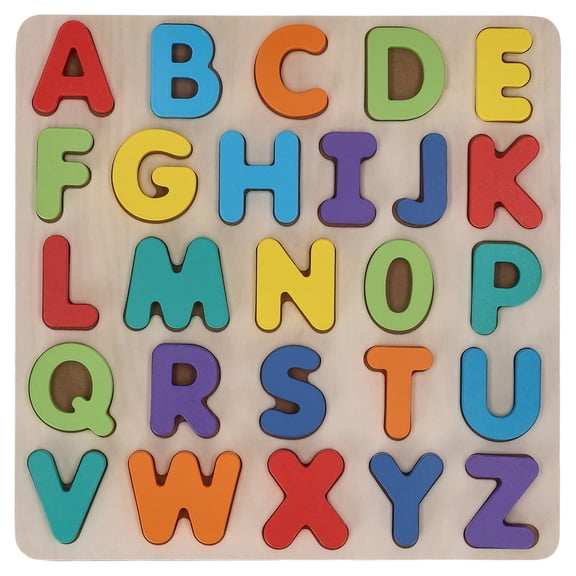
Fine motor skills toys help you encourage grasping, pinching, stacking, and turning. You can use blocks, teethers, and shape sorters to support small-hand control through repeated play.
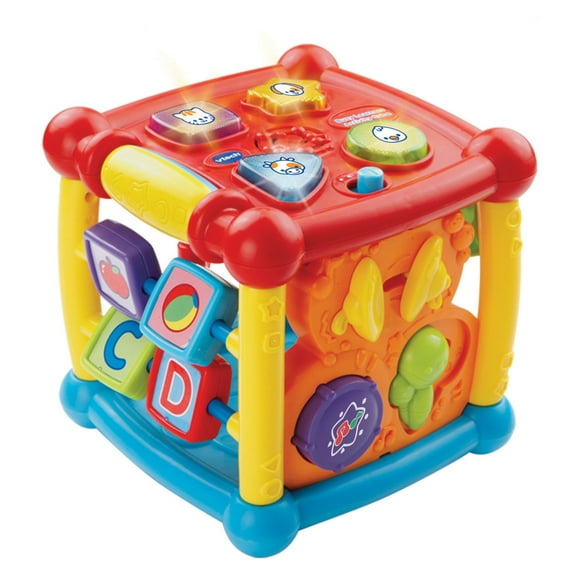
Cognitive learning toys help you introduce matching, cause and effect, and early problem solving. You can notice this focus in toys that light up, sort shapes, or respond to simple actions.
Gross motor skills toys support bigger movements as your child crawls, stands, walks, and pushes. You can use larger toddler toys to encourage active play across rooms and open floor space.
- You can choose sensory toys for texture, sound, and visual discovery.
- You can pick building blocks for stacking practice and hand control.
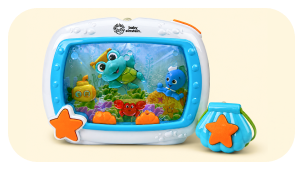
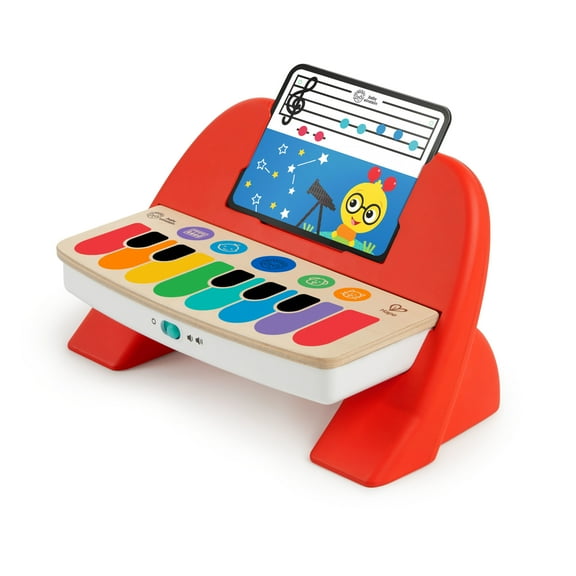
- You can select musical toys for rhythm, tapping, and cause-and-effect play.
- You can try shape sorters for matching, sorting, and early learning routines.
Choosing the right toy type for daily play
Teethers can support everyday play when you want small, easy-hold shapes for younger babies. You can compare soft surfaces, textured areas, and wipe-clean designs for frequent use.
Building blocks work well when you want toys that grow with different stages. You can start with simple grasping, then move into stacking, knocking down, and early building practice.
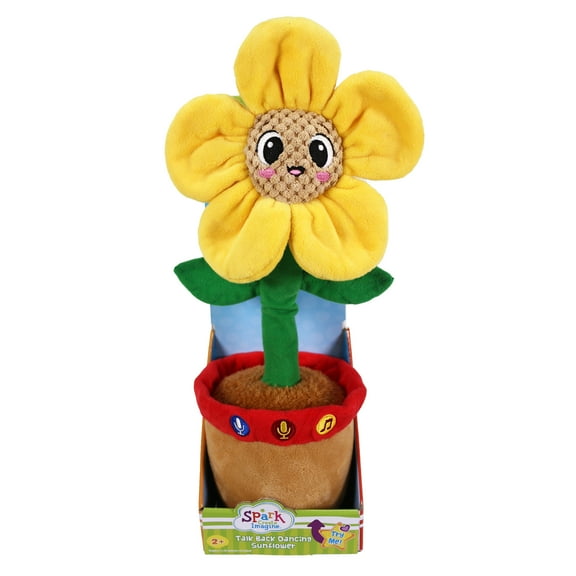
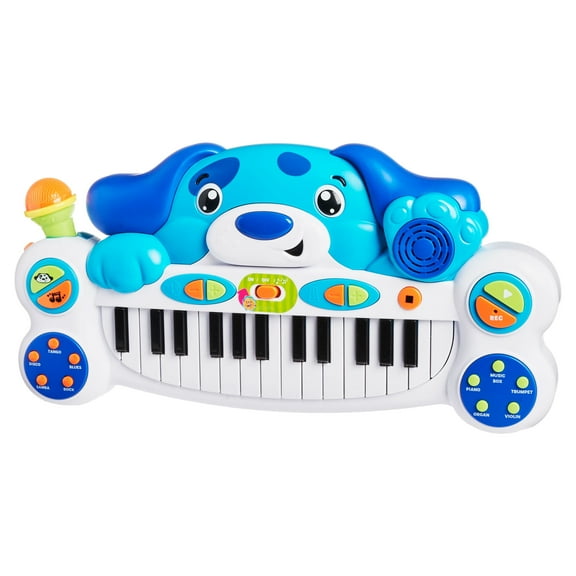
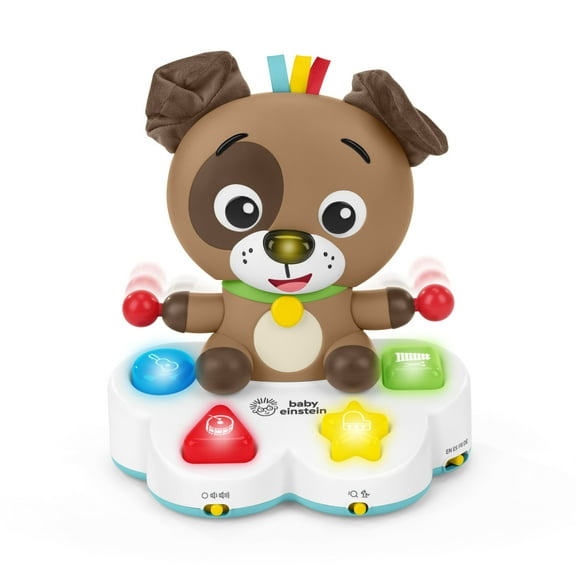
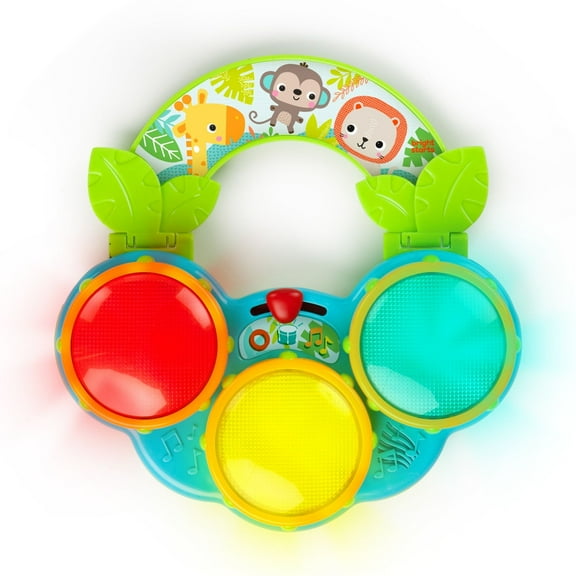
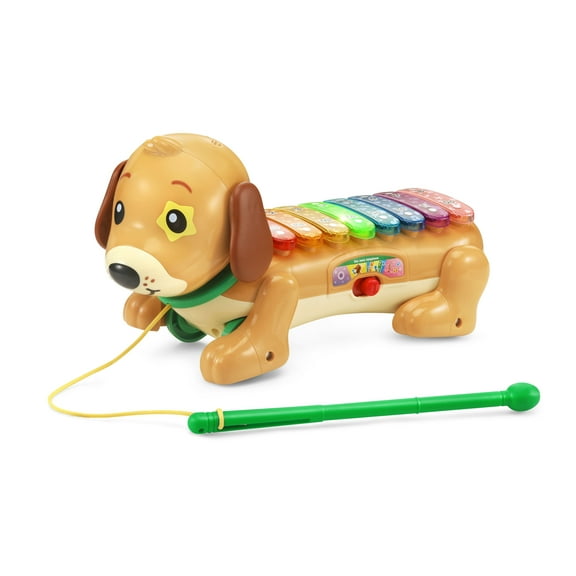
Musical toys fit routines where you want sounds, buttons, and motion to hold attention. You can use them for seated play, tummy time, or active toddler dance breaks.
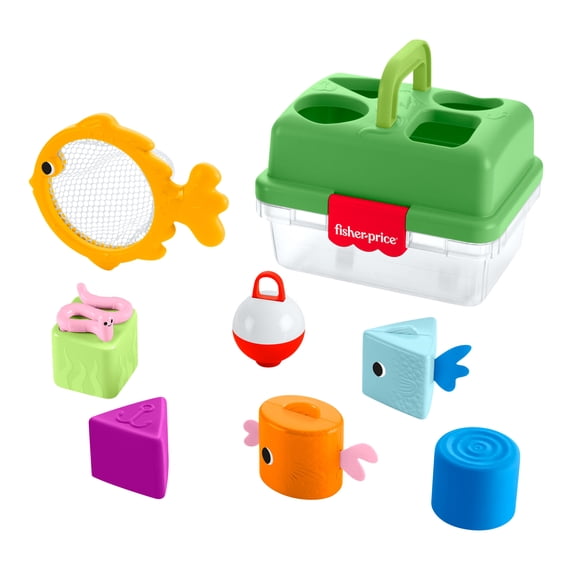
Shape sorters help you combine motor practice with early learning. You can guide matching by color and shape while your child practices fitting pieces into each opening.
How to match use cases to your routine
If you’re building a newborn play area, you may focus on soft infant toys, teethers, and gentle sensory toys. You can keep early play simple with easy-clean materials and lightweight shapes.
For mixed-age households, you may want developmental toys that cover more than one stage. You can choose building blocks or musical toys that stay useful from baby play through toddler exploration.
If cleanup matters most, you can compare machine-washable plush options with wipe-clean plastic or sealed wood surfaces. You can choose materials that fit nursery use, travel bags, or everyday floor play.
When you want learning toys for longer play sessions, you can combine shape sorters, blocks, and musical pieces. You can create a simple rotation that keeps sensory play and cognitive learning fresh.
You’ll get more confidence from newborn toddler toys when you compare age range, safety details, developmental focus, and cleaning needs together. You can choose toys that fit real stages and make everyday play feel more purposeful.