

Smart Energy and Lighting Electronics


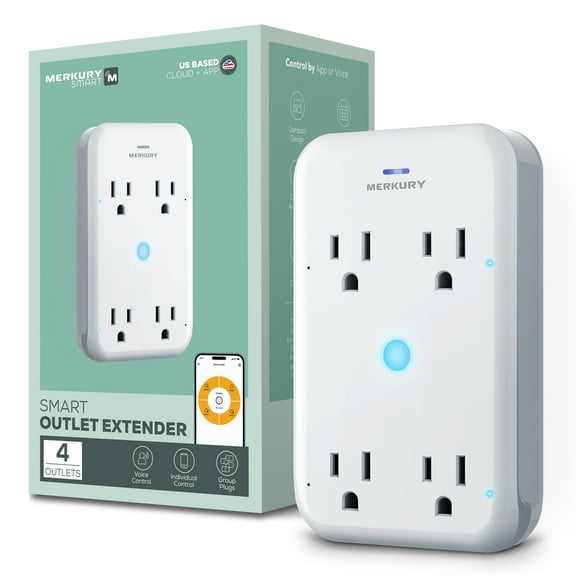
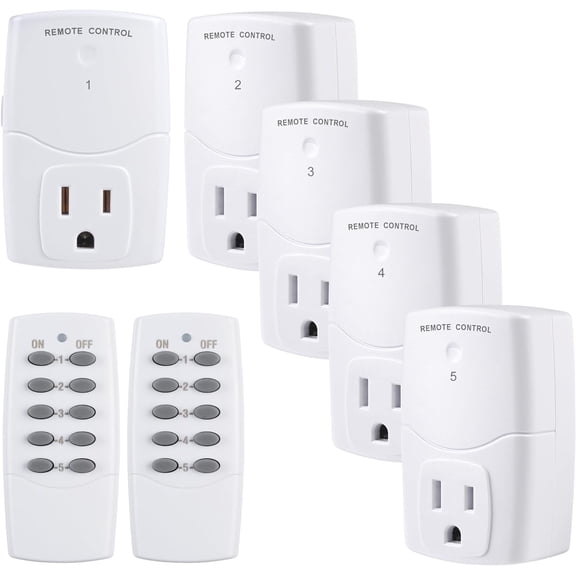
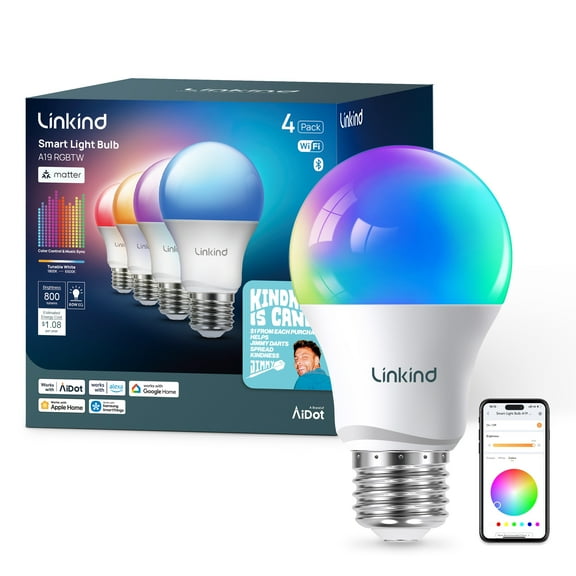


















About Smart Energy and Lighting Electronics - Walmart.com
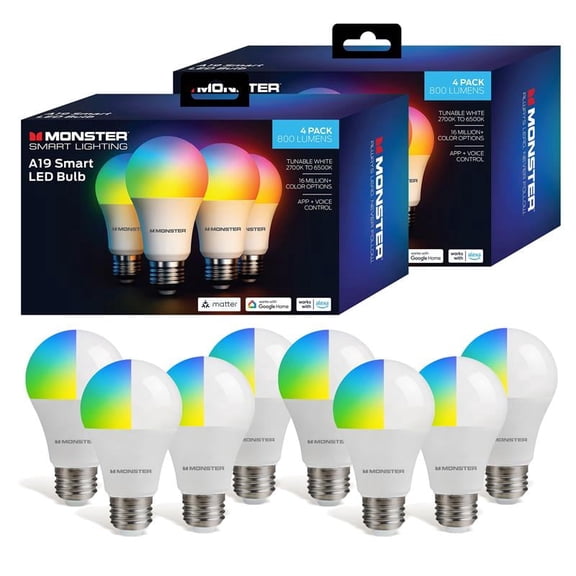
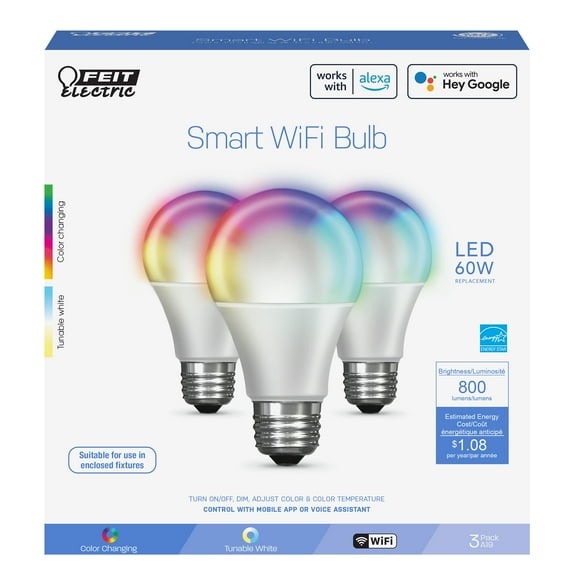
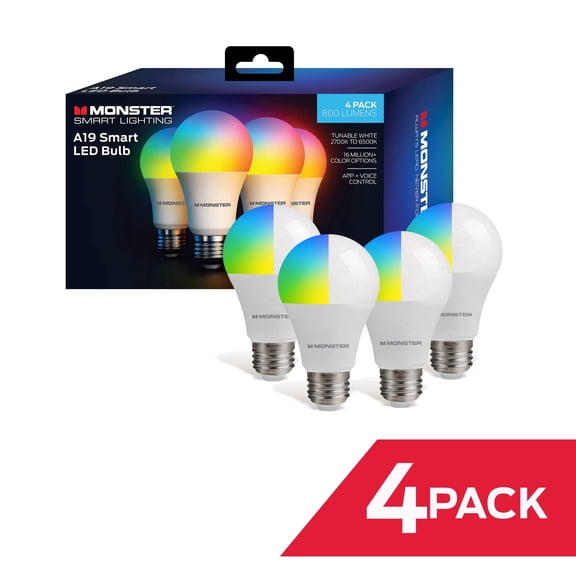
Smart energy lighting helps you automate rooms, reduce wasted electricity, and match light to daily routines. You can compare smart light bulbs, smart LED lights, and connected fixtures by compatibility, setup, and control. If your home already uses connected devices, your lighting choices should fit that system from the start.
Choosing smart energy lighting for your setup
Start with smart ecosystem compatibility, because your lights should connect with the system you already use. You can check for Alexa, Google Assistant, Apple HomeKit, or SmartThings support before you choose a bulb.
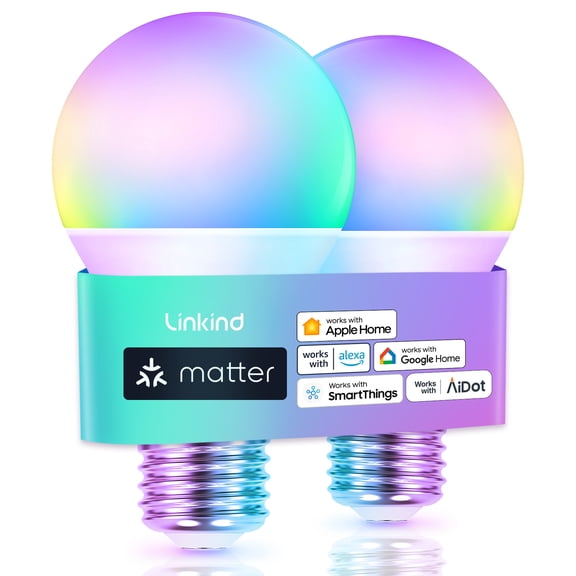
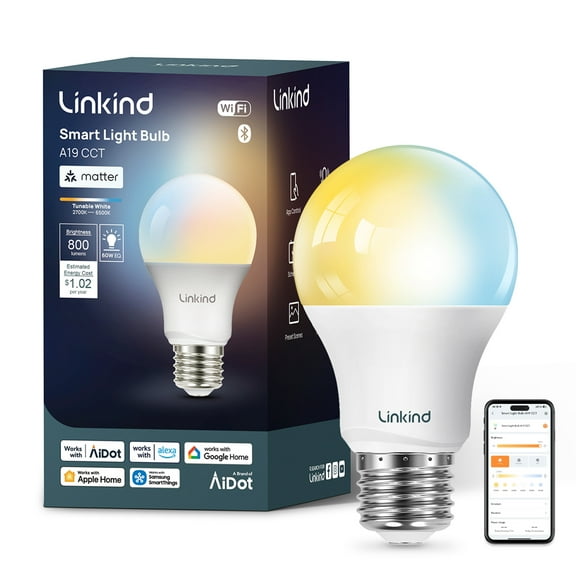
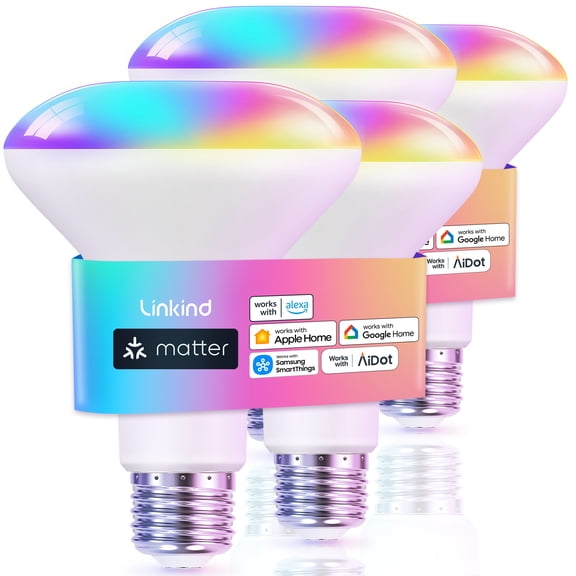
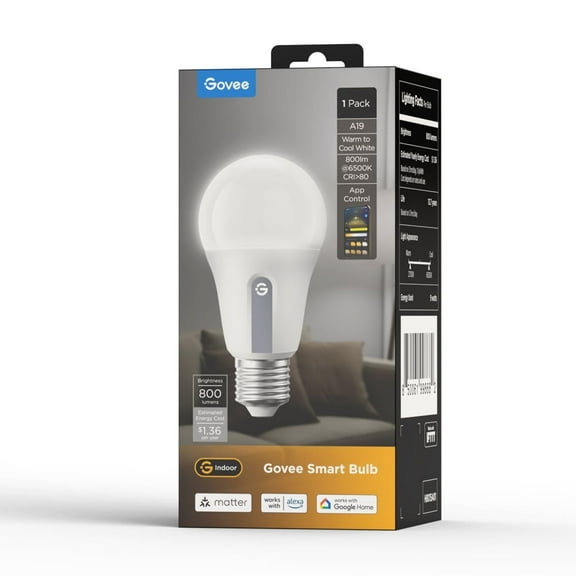
When you want fewer setup steps, compare wifi light bulbs with Matter, Zigbee, or hub-based options. You get direct setup from Wi-Fi, while hubs help you organize larger smart home lighting systems. If you use several device types, shared standards can make your setup easier to manage.
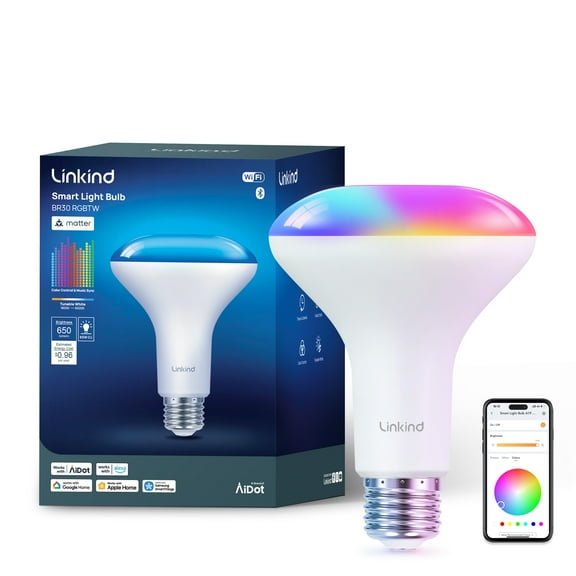
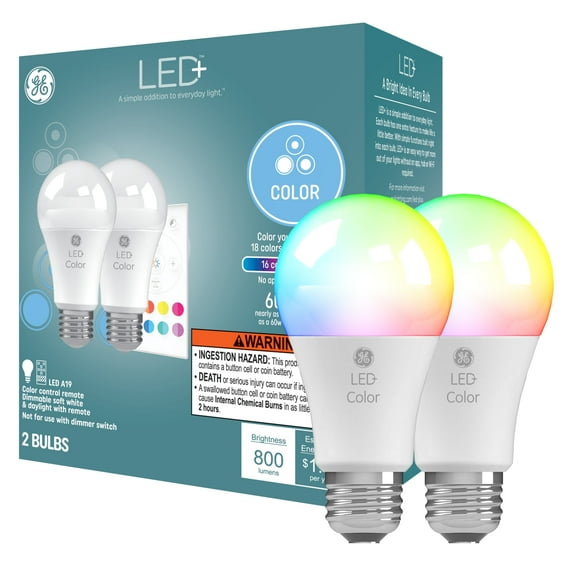
Next, consider bulb or fixture type so your lighting fits your space without guesswork. You can use A19 bulbs in many table lamps, while BR30 bulbs fit recessed cans and flood-style fixtures.
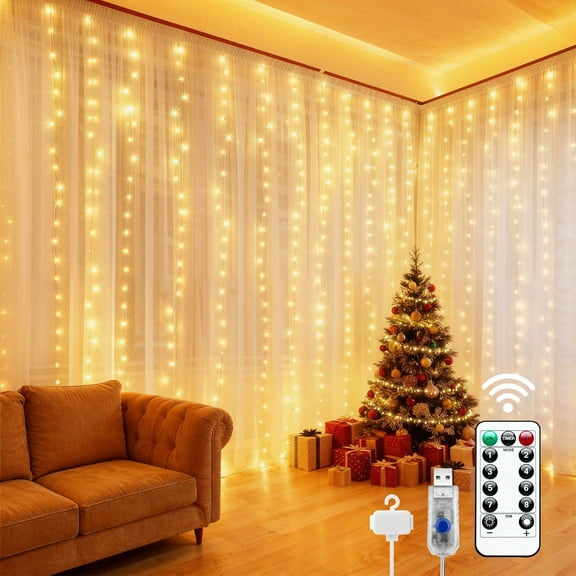
For accent lighting, consider a smart light strip behind desks, TVs, or shelving. If you want a cleaner ceiling look, compare a smart recessed light for overhead placement. Your room layout often decides which option makes more sense.
How to compare smart light bulbs and controls
Smart home lighting can match mornings, evenings, work hours, and movie time with fewer manual changes. Schedules and timers help keep lights on only when your routine calls for them. Your daily habits become the guide for choosing the right control style.
- You can set wake-up routines that brighten gradually for bedrooms, hallways, or kitchens.
- You can dim lights for streaming, reading, or dinner without changing bulbs.
- You can control lamps and fixtures by app or voice when your hands are full.
- You can group rooms into scenes so multiple lights change together.
If you move through busy spaces often, motion sensor smart light options can suit closets, entries, or laundry areas. You can also use schedules to keep porch or patio lighting aligned with evening routines.
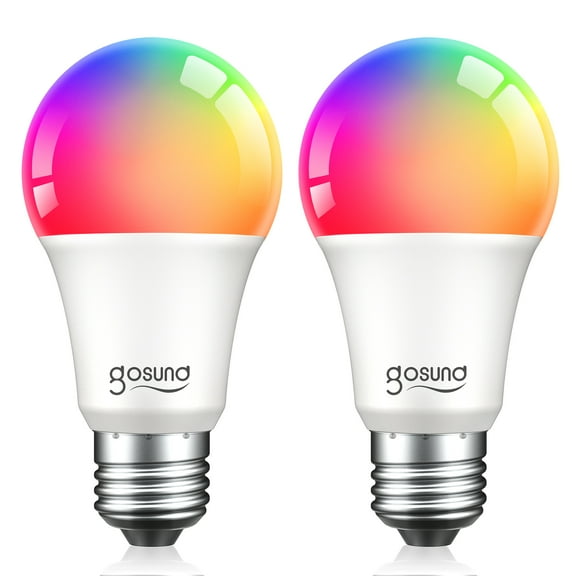
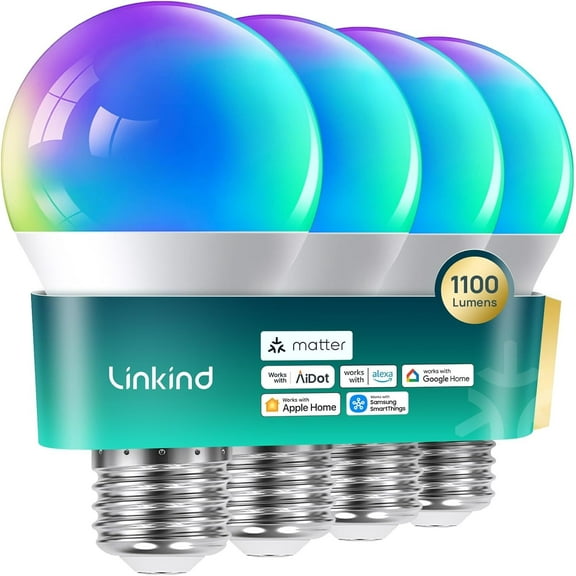
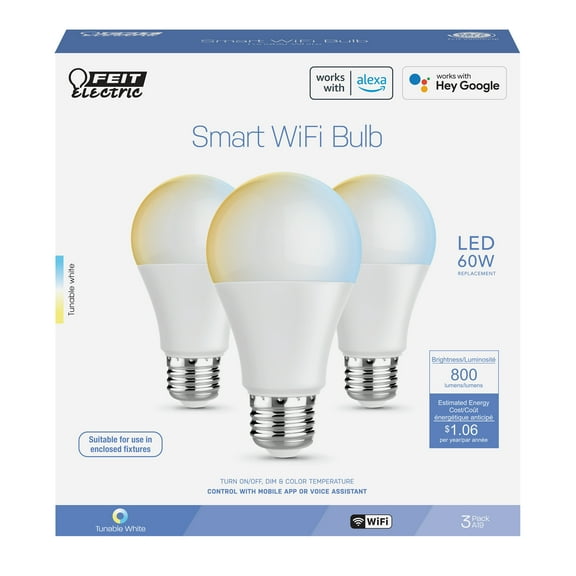
Color and temperature settings also shape your everyday use. You can choose RGB color changing bulbs for accent lighting, or pick tunable white models for task and ambient settings. Dimmable warm white works well when your room needs a familiar glow.
Comparing features in smart LED lights
Look at brightness first, because lumens tell you how much light your room will get. You can treat watts as a power reference, but lumens help you compare room-by-room lighting more accurately.
For living rooms and bedrooms, dimmable smart lights can support changing light levels through the day. For kitchens, offices, and craft spaces, brighter output and clearer white tones may fit your routine. Your room purpose should guide your brightness target.
You should also compare color range and white spectrum options before you choose. RGB color changing bulbs add playful color, while tunable white gives your space a more classic look.
If you prefer efficient everyday lighting, look for LED Energy Star, low wattage designs, or solar powered options for select outdoor areas. Those details help you compare energy efficient smart lighting across several rooms. Your fixture location often determines which power approach fits.
Installation style matters just as much as brightness and color. You can install many bulbs with a simple screw-in change, while some fixtures need hardwired placement and more planning. Checking setup type early helps you avoid returns and mismatched parts.
Matching compatibility and automation to your home
Check whether your lights work with your preferred voice assistant before you build routines. You can then use voice control for quick changes in brightness, color, or grouped room scenes.
If your home uses several connected devices, compare Matter, Zigbee, and Wi-Fi support for smoother integration. The product page should list shared standards, so you can confirm compatibility before you choose. Your setup gets simpler when your lights follow the same connection path.
App control helps when you want changes from the couch, office, or driveway. You can adjust one bulb, an entire room, or a saved scene without touching a wall switch.
Schedule and timer settings can mirror your routine across different spaces. You can set entry lights for evenings, kitchen lights for mornings, and nursery lights for overnight checks. Your home feels more consistent when each room follows a clear pattern.
Using smart energy lighting in different spaces
A19 smart light bulbs work well in bedside lamps, desk lamps, and open ceiling fixtures. BR30 bulbs make more sense when your recessed cans need broader beam coverage. Your fixture shape should guide this choice first.
In media rooms, smart light strips can add a layered glow behind screens or shelving. You can pair that look with dimmable bulbs to reduce glare during movies.
For kitchens and work areas, brighter lumens and tunable white settings can support clearer task lighting. You can keep prep zones bright during projects, then soften the room later for meals.
In entryways and hallways, schedules, motion settings, or voice commands can support quick control. You can make busy transitions feel smoother without relying on manual switches. Your routine often reveals which automation setting fits those spaces.
Outdoor setups need a closer look at fixture type and power source before you choose. You can compare smart fixtures, low wattage LEDs, and solar powered lights for paths, patios, or doors. Matching ecosystem support across rooms also helps your whole setup stay coordinated.
Frequently asked questions about smart energy lighting
You may wonder if smart bulbs need a hub for setup. You can find both direct Wi-Fi options and hub-based models, so compatibility details should guide your choice.
You may also ask whether smart bulbs fit standard sockets. You can check bulb labels like A19 or BR30 to match your lamp or recessed fixture. Your existing hardware should always shape your selection.
You might compare color bulbs with white-spectrum bulbs for everyday use. You can choose color for flexible accent lighting, while tunable white supports task and ambient settings. When you choose smart energy lighting with the right fit, your rooms are simple to manage every day.