


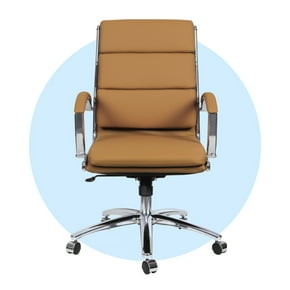

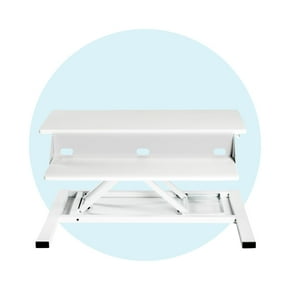
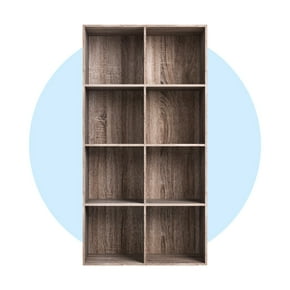


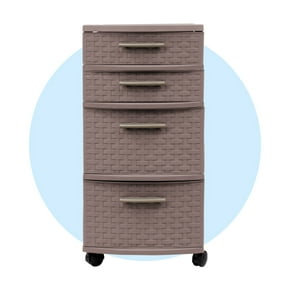




Shop home office | desks, chairs, storage, & more

Office essentials
Storage solutions
Complete your desk
Finishing touches
Tiny space? Make it work.
Featured shops







About Shop home office | desks, chairs, storage, & more - Walmart.com
Your home office should help you focus, stay organized, and use your space well. You can compare desks, chairs, storage, and office equipment for a workspace that fits your routine.
Whether you're setting up a full room or a compact corner, you need pieces that work together. You can build a setup for video calls, paperwork, studying, or daily computer tasks without guesswork.
How to choose home office furniture for your space
Start with your room size, because your layout shapes every other choice. You should measure wall length, walking space, and door clearance before you pick a desk.
If you're furnishing a small space, you may prefer a compact writing desk or slim computer desk. If you have a full room, you can consider L-shaped or executive styles for extra surface area.
Standing desks can help you vary your setup during the day. Writing desks usually give you a simple profile, while computer desks often add keyboard trays or shelves.
- You can choose a writing desk for a lighter footprint and a cleaner look.
- You can pick a computer desk when you need space for monitors, cords, and accessories.
- You can use a standing desk if you want an adjustable work surface.
- You can try an L-shaped desk when you need to fill a corner efficiently.
- You can select an executive desk when your home office needs a larger central workspace.
What to look for in a home office shop
When you shop a home office shop page, you should compare chair comfort, storage, and materials together. You can make faster decisions when your desk and chair support the same daily tasks.
For chair ergonomics, you may look for lumbar support, mesh backs, swivel bases, and adjustable height. You can fine-tune your seat position more easily when your chair matches your desk height.
Mesh chairs can feel lighter and more open in warm rooms. Chairs with adjustable height and swivel movement can help you reach supplies, screens, and side storage smoothly.
Material also changes how your workspace looks and feels. You can choose wood for warmth, metal for a clean frame, glass for an open look, or engineered wood for everyday function.
Choosing storage and office equipment
Your storage plan matters when papers, devices, and supplies pile up quickly. You can keep your home office clearer when drawers, file cabinets, and bookshelves match what you actually use.
File cabinets work well when you handle printed documents and folders often. Bookshelves can keep binders, reference books, and display items within reach without crowding your desk.
Drawer storage helps when you want pens, chargers, and notebooks tucked away. You should think about what stays visible each day and what belongs behind a drawer front.
Office equipment also deserves a place in your layout. You can leave room for printers, lamps, monitors, and paper trays so your desktop stays open for work.
If you think like an office supply store shopper, you may often compare access and organization first. You can create a smoother routine when your most-used items stay close to your primary seat.
How to match materials, assembly, and daily use
You should compare materials based on maintenance, style, and room traffic. Wood and engineered wood can give your home office a grounded look, while metal and glass can feel more streamlined.
Assembly is another decision point you shouldn't overlook. You may prefer simpler designs if you want fewer parts, quicker setup, or basic tools.
Before you buy home office furniture, you should check dimensions, shelf heights, and drawer depth. You can avoid crowded walkways when you match each piece to your floor plan first.
You should also think about cable paths, outlet access, and monitor placement. Your setup works better when cords, screens, and lighting fit your desk shape from the start.
Home office uses for work, school, and shared rooms
Your home office can support different routines throughout the week. You might need one zone for remote work, another for homework, or a shared surface for household planning.
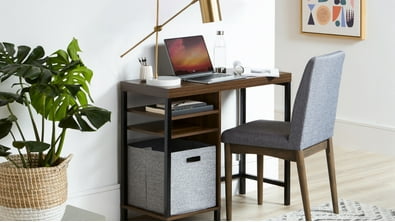
In a compact apartment, you may pair a small desk with a mesh chair and drawer unit. You can keep movement easy while still fitting a laptop, lamp, and daily supplies.
In a dedicated room, you might use an L-shaped desk, bookshelf, and file cabinet combination. You can separate computer work, writing tasks, and storage without spreading items across the room.
If your workday includes long screen sessions, you should focus on chair adjustments and desk height first. You can feel more settled when your arms, screen, and keyboard line up naturally.
For creative projects or paperwork, you may want a broader desktop and nearby drawers. You can keep tools, samples, or folders close without stacking everything in one spot.
When you shop home office options for a shared household, you should look for flexible pieces. You can adapt more easily with adjustable chairs, compact desks, and storage that shifts between users.
Why the right home office setup matters
Your home office works harder when each piece fits your space, tasks, and storage needs. You can create a workspace that feels orderly, supports focus, and keeps daily essentials within reach.
With the right desk style, chair ergonomics, materials, and storage type, you can make your routine feel more efficient. You end up with a setup that supports productive days at home.