


Find auto parts that fit
Let’s search for parts that fit your vehicle.UTV Suspension and Steering Parts












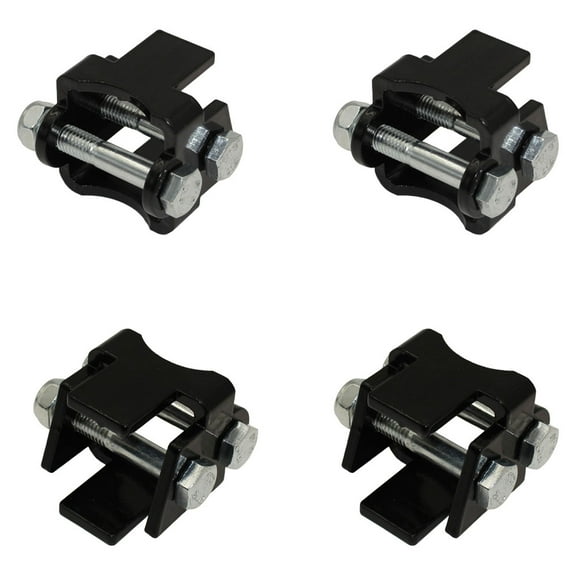
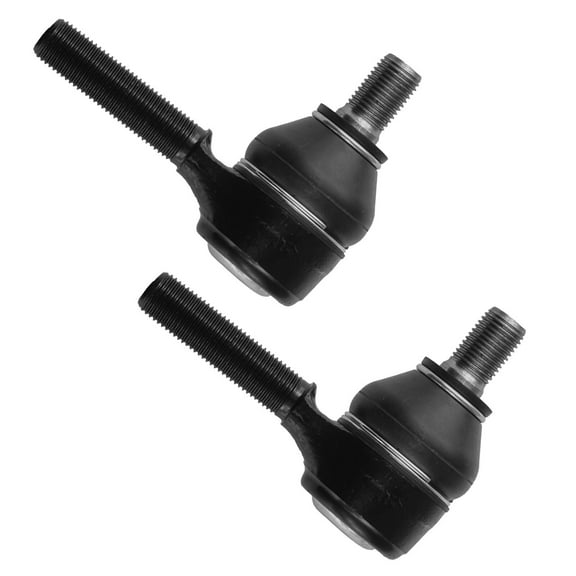


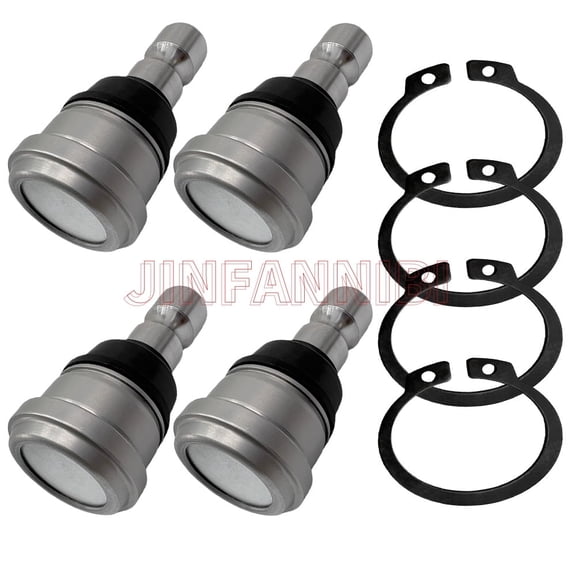


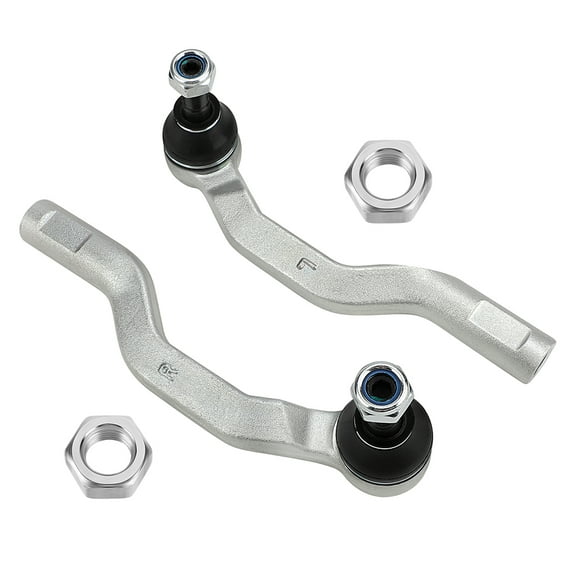
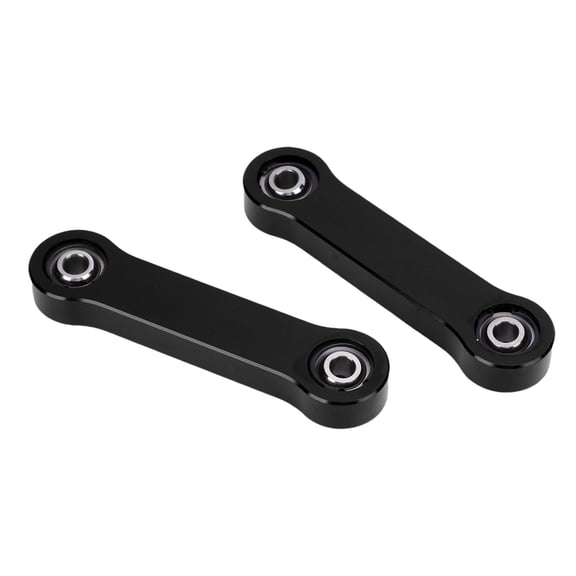


About UTV Suspension and Steering Parts - Walmart.com
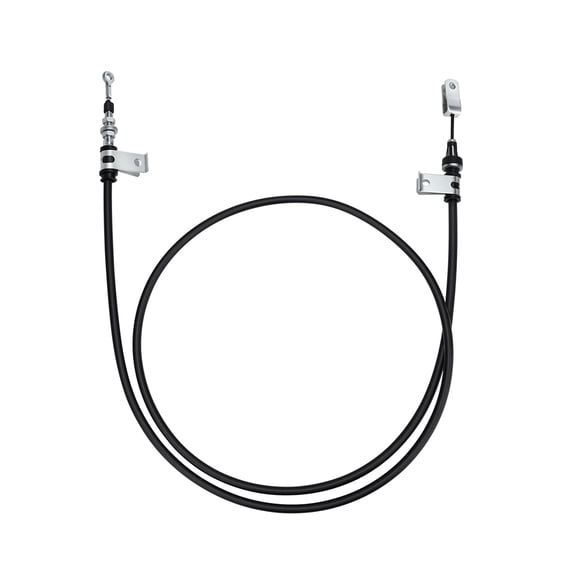
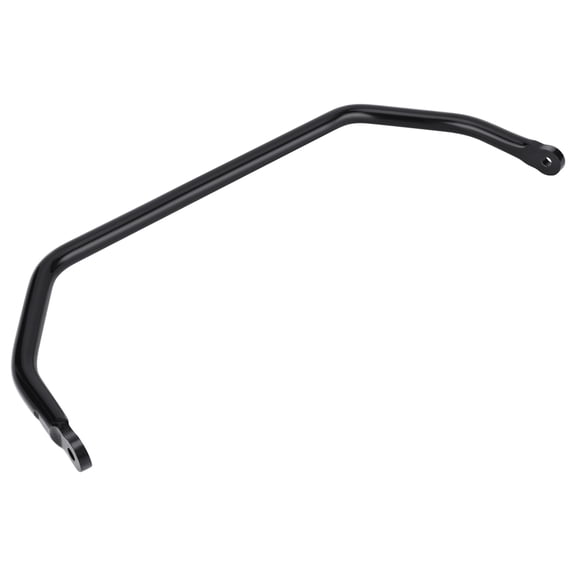
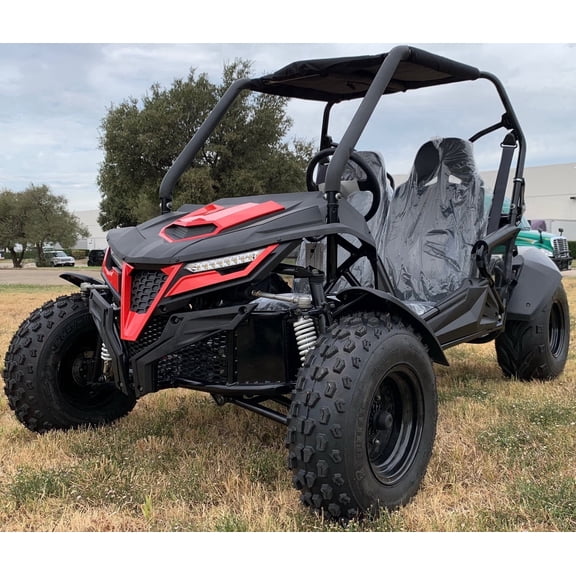
With utv suspension and steering parts, you can restore control on rough trails and choose upgrades that match your machine and riding style. You can compare fitment, lift height, materials, and placement before you commit to shocks, tie rods, or a-arms.
How to choose utv suspension and steering parts
Start with vehicle fitment, because you need parts that match your specific platform and mounting points. You should check model details for Polaris RZR, Can-Am Maverick, Yamaha Rhino, or Honda Pioneer compatibility.
OEM cross-reference matters when you want a direct stock replacement with familiar geometry and installation points. You can also compare upgrade parts when your trails demand added clearance, firmer handling, or stronger steering links.
Placement is another key decision, since you may need front, rear, upper, or lower components. You’ll narrow options faster when your replacement plan matches the exact position on your UTV.
Choosing component types for your ride
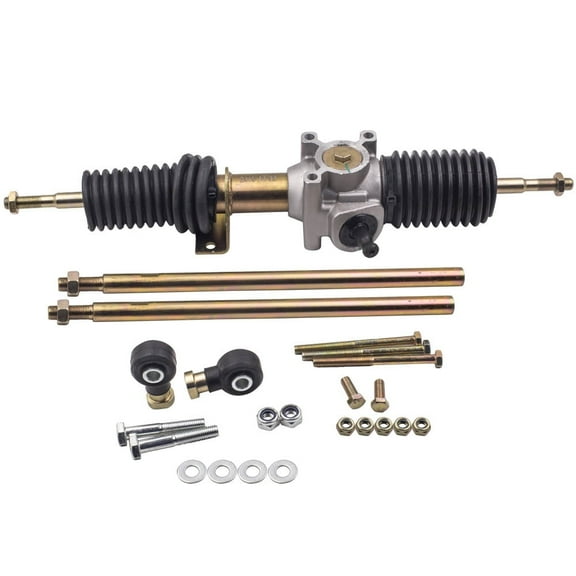
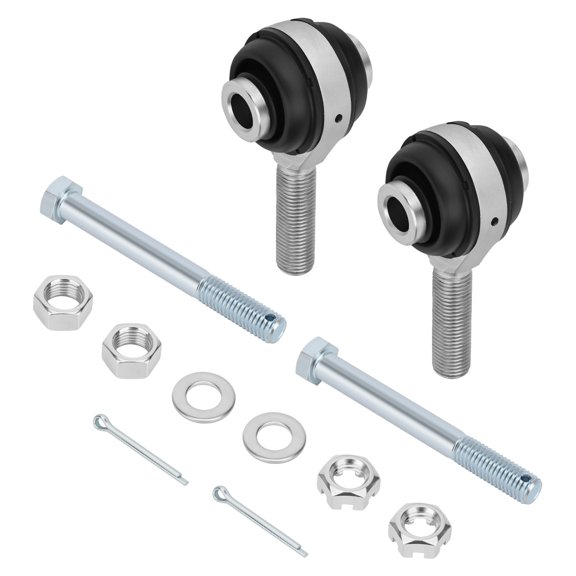
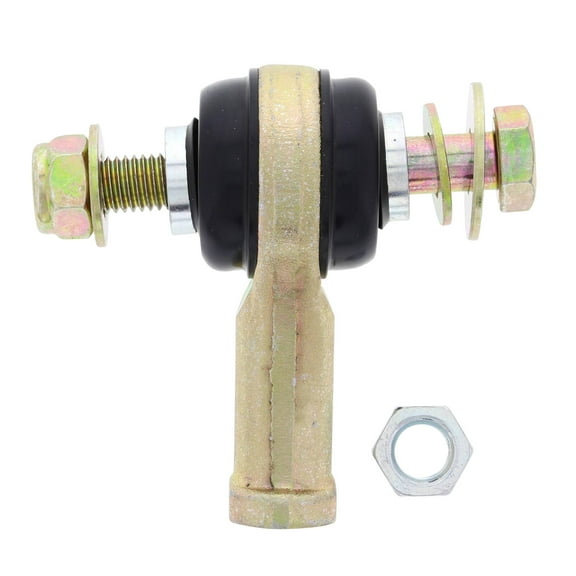
You can focus your search by comparing the job each component performs on your machine. UTV shocks help manage rebound and compression, while utv tie rods connect your steering input to the wheels.
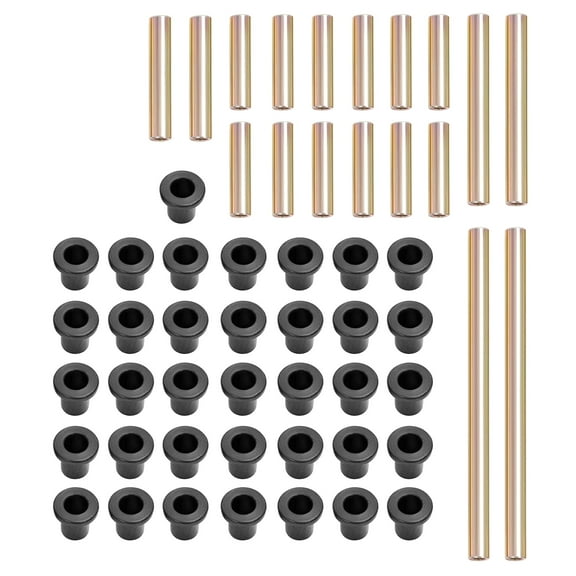
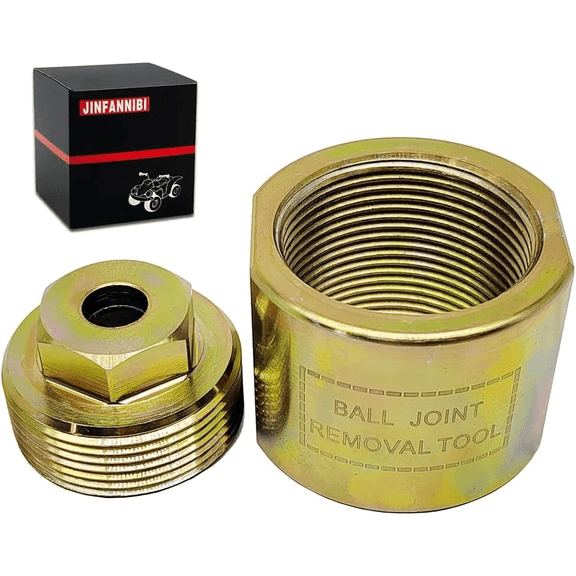
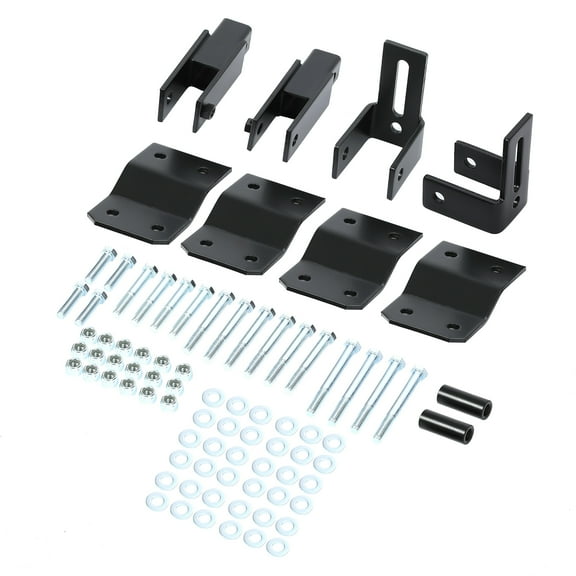
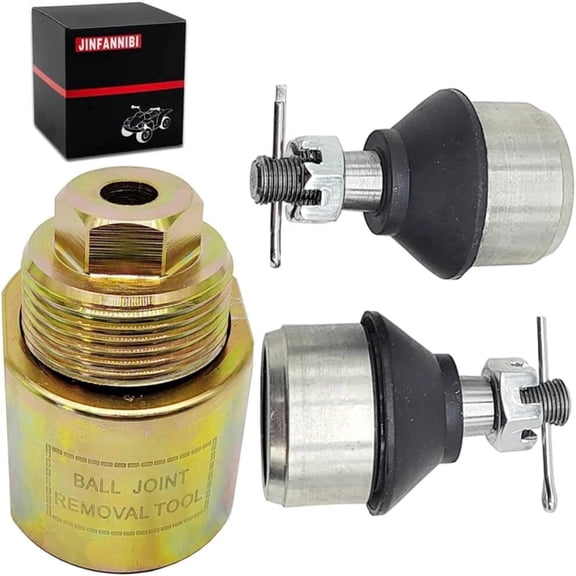
UTV a-arms help support wheel travel and suspension geometry during turns, bumps, and uneven terrain. UTV lift kits raise ride height, while ball joints support controlled movement at key suspension connections.
- You can use stock replacement parts when you want factory-style fit and familiar ride height.
- You can choose heavy duty utv suspension parts when your trails include rocks, ruts, or loaded cargo runs.
- You can compare steering components when you want tighter response and more confidence through corners.
- You can pick lift options when you need extra tire clearance or more room under the chassis.
These choices aren’t interchangeable, so you should match the part to the problem you’re solving. You’ll make a clearer decision when you separate ride-height goals from steering repair needs.
Comparing utv shocks and utv lift kits
When you compare utv shocks, you should think about ride feel, terrain, and load. You’ll notice that replacement shocks suit everyday trail use, while upgraded designs support rougher ground.
Lift height changes your setup in different ways, so you should measure your clearance goals first. A stock replacement keeps your factory stance, while a two-inch or three-inch lift adds body and tire clearance.
Long travel setups change suspension movement more dramatically, so you should confirm fitment and surrounding component needs. You may also need matching a-arms or related hardware to keep geometry aligned.
Installation complexity also matters, because you may want a simple weekend project instead of a full rebuild. You should check whether your setup needs common hand tools, alignment steps, or extra adjustment after installation.
What materials and construction mean for you
Material choice affects durability, weight, and feel, so you should compare steel, billet aluminum, and chromoly carefully. Heavy-duty steel can suit rugged trail use, while billet aluminum can reduce weight in key areas.
Chromoly appeals when you want a strong option for aggressive riding and repeated impacts. You’ll want to compare finish, weld quality, and hardware design when you’re judging long-term durability.
These technical terms matter most when they connect to real use on your machine. You can think of steel as sturdy, billet aluminum as lighter, and chromoly as a strength-focused upgrade.
You should also compare whether a part sits up front, in the rear, or at an upper or lower position. Placement affects fitment, hardware shape, and the way each component supports your suspension setup.
Matching parts to real riding scenarios
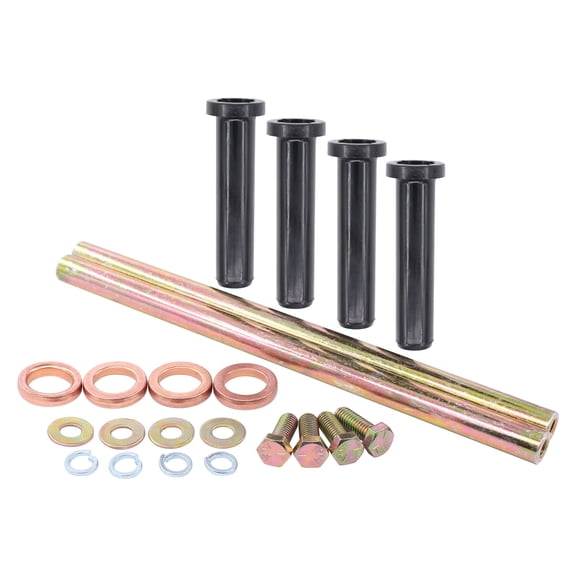
If you ride wooded trails and uneven fire roads, you may want replacement shocks and ball joints for a more controlled feel. You can keep a familiar stance while refreshing worn suspension points.
If you ride rocky routes or muddy terrain, you may prefer utv lift kits with stronger steering parts. You’ll gain added ground clearance and a setup that suits larger tires more easily.
When your machine carries gear for ranch work or utility use, you may look for stronger materials and direct-fit hardware. You can focus on heavy-duty steel parts that support repeated use and demanding surfaces.
If you push through tight turns and technical sections, you may prioritize utv tie rods and related steering components. You’ll appreciate more precise input when your front-end parts match your machine correctly.
You should also think about your overall build, especially if you’re pairing suspension work with adjacent upgrades. You can coordinate fitment with wheels, tires, and body parts for a cleaner install plan.
Before you choose, you should confirm vehicle compatibility, placement, and lift height against your current setup. You’ll avoid guesswork when your parts list matches your model and intended ride style.
When you compare utv suspension and steering options carefully, you can build a setup that fits your machine and your terrain. You’ll end up with parts that support cleaner handling, dependable fitment, and the right stance.