


Find auto parts that fit
Let’s search for parts that fit your vehicle.ATV Shocks in ATV Shocks & Springs

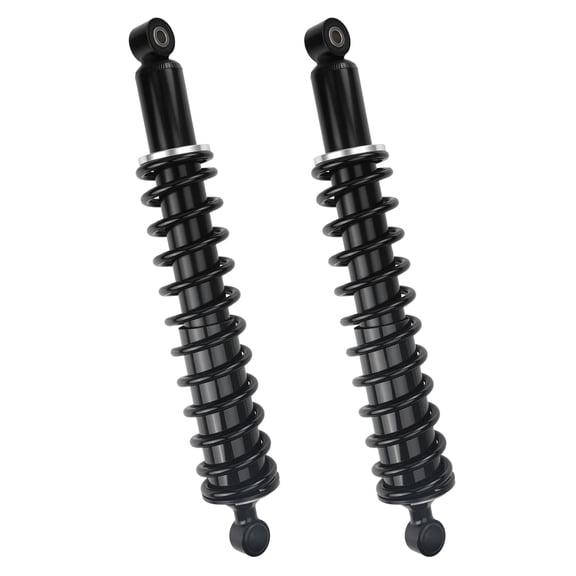
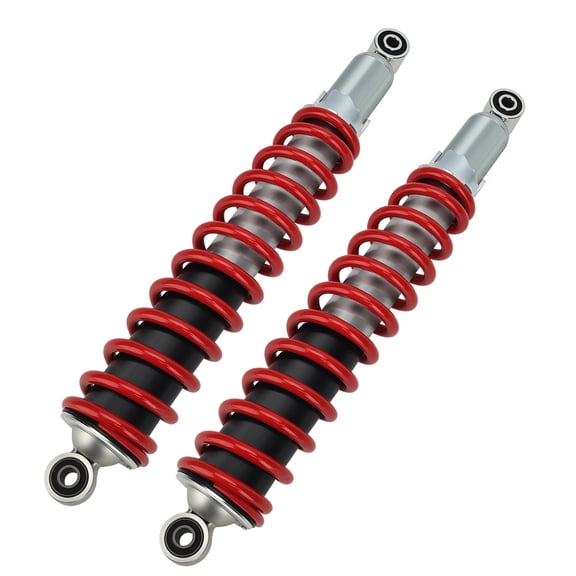

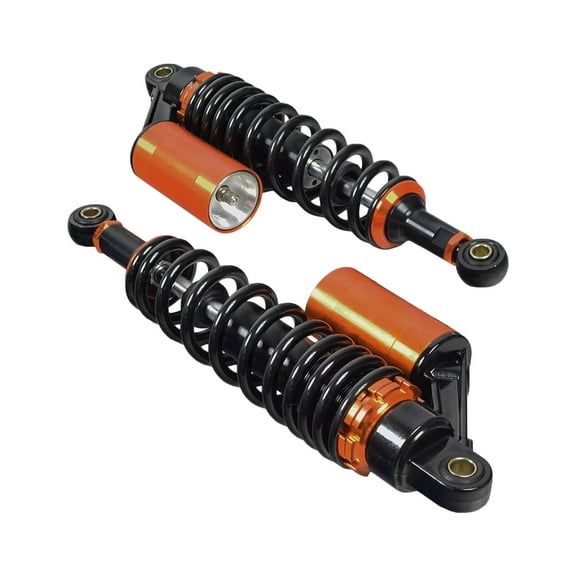


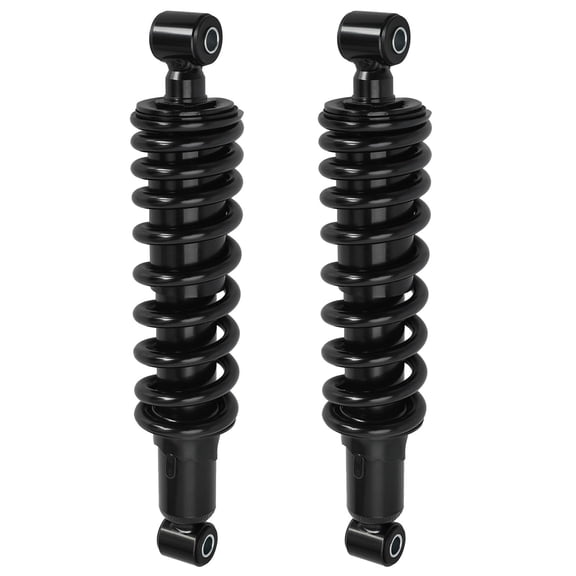















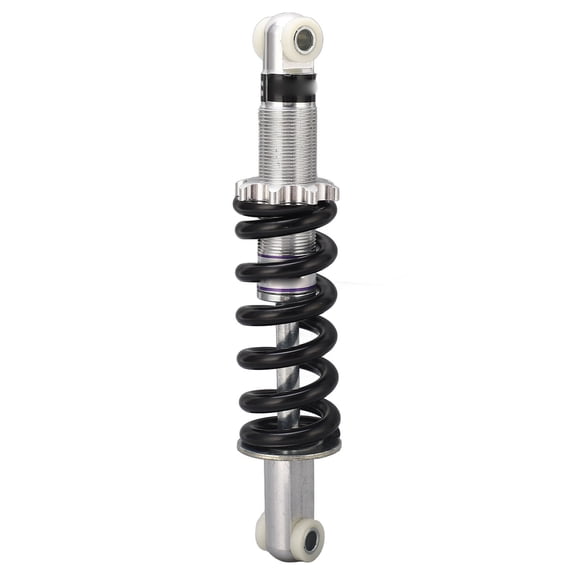
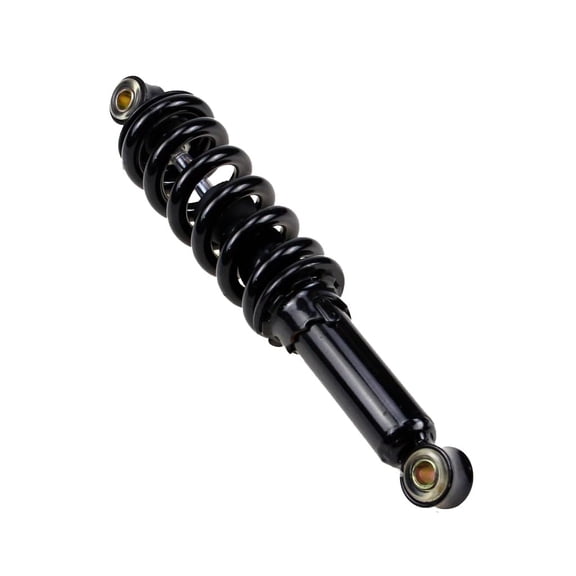
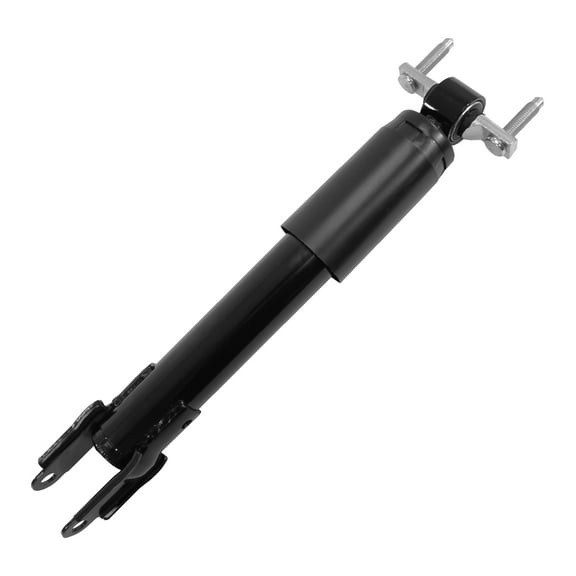

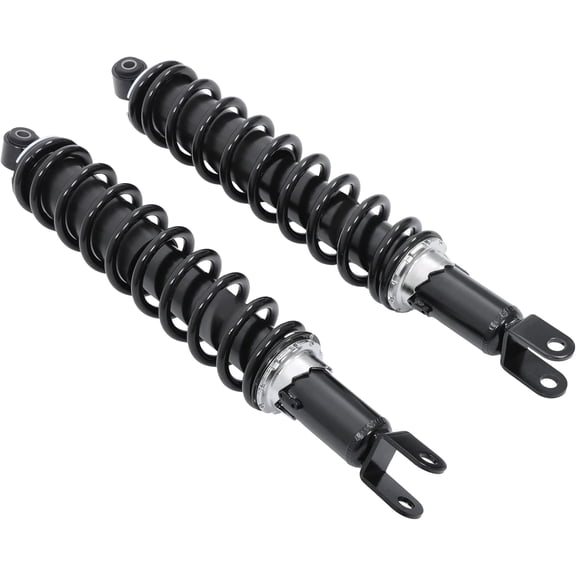




About ATV Shocks in ATV Shocks & Springs - Walmart.com
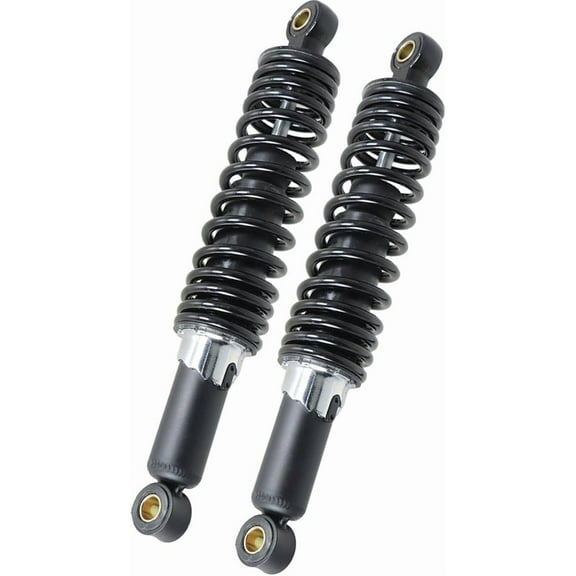
With 4 wheeler shocks matched to your ATV, you can restore smooth control across trails, ruts, and utility paths. Clear fitment details help you choose parts that line up with your machine and your riding style.
Whether you're replacing a worn unit or updating your suspension, you'll want guidance that fits this category. Exact measurements, placement details, and shock type differences help you avoid mismatched parts and unnecessary guesswork.
How to choose 4 wheeler shocks by compatibility
Fitment should come first because your ATV needs the correct mounting points and dimensions. Before comparing ride feel, you'll want to check compatibility for Yamaha, Honda, Polaris, Can-Am, and Arctic Cat models.
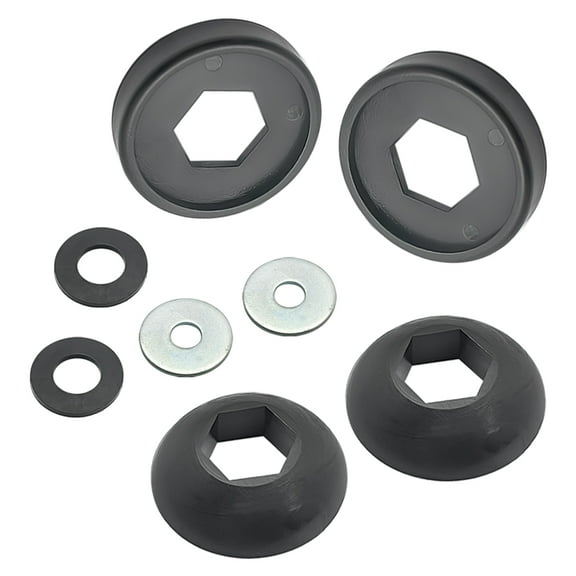
Start with bolt-to-bolt distance because your overall shock length affects how the part sits on your machine. Check eyelet diameter and bushing size too, since your mounting hardware needs the right opening.
Placement matters just as much as length because your ATV may use front, rear, left, or right-specific parts. When you match each position correctly, you'll avoid alignment issues during installation and setup.
- Your brand, model, and placement details can help you narrow fitment quickly.
- Your measurements can help you confirm length, eyelets, and bushing dimensions before installation.
- Your front or rear replacement choice can help you keep handling balanced on uneven ground.
- Your suspension match can help you maintain a stable ride across trail and work use.
Choosing shock type and load support
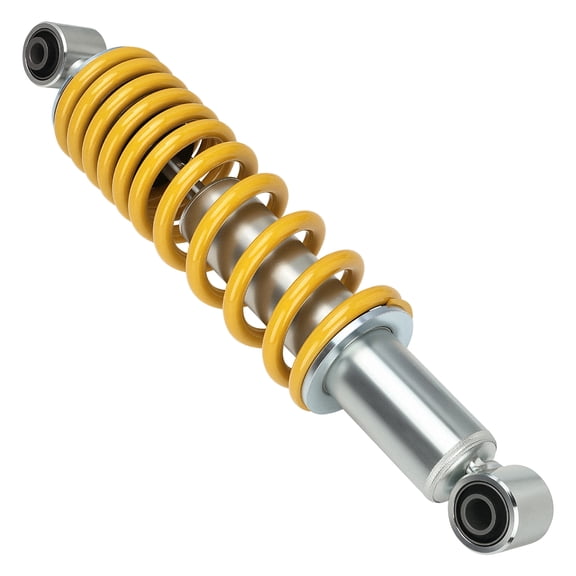
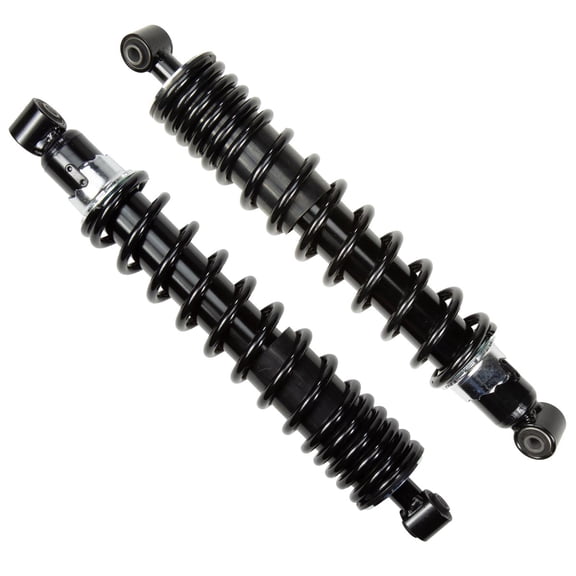
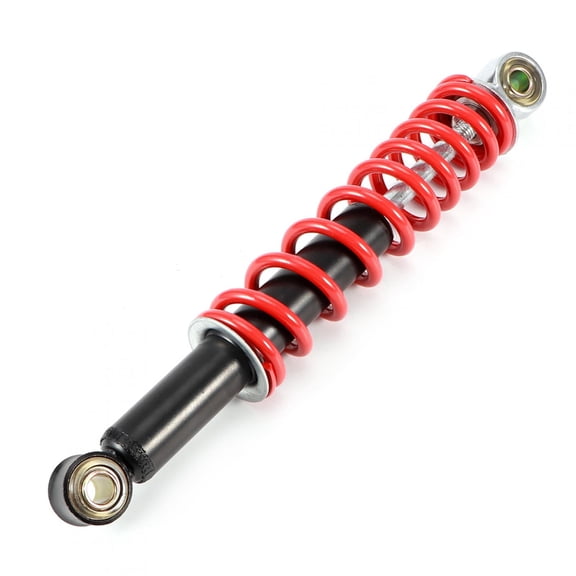
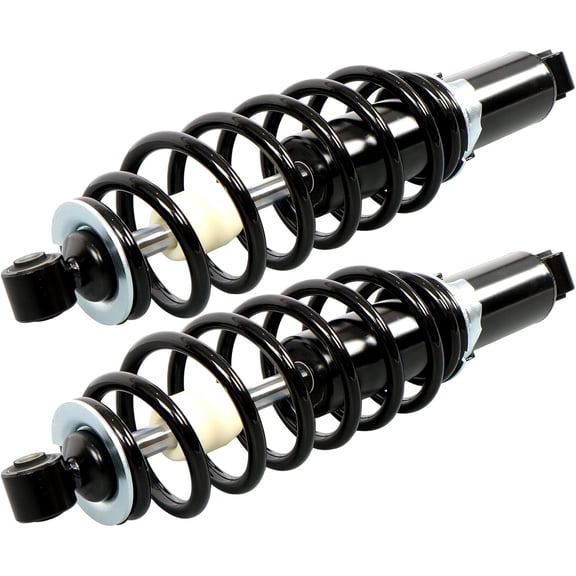
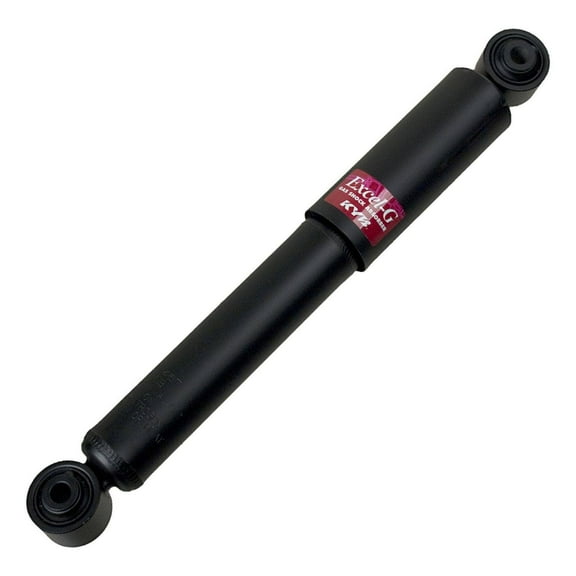
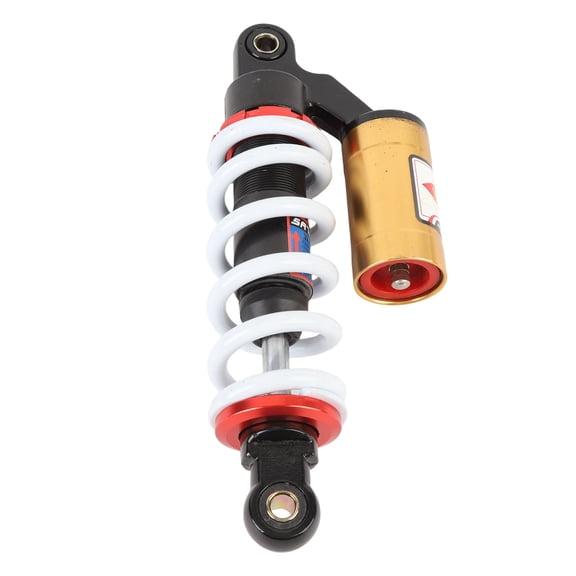
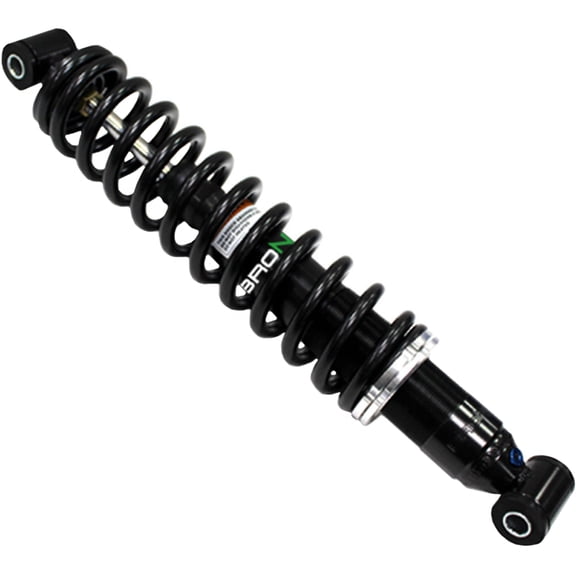
Shock type shapes how your ATV responds, so you'll want to compare designs before you choose. Across atv shocks & springs, you'll often see coilover, air shock, gas-charged, and heavy duty options.
For mixed trail riding, you may prefer coilover designs because your setup combines a spring and damper in one familiar unit. On repeated bumps, you'll often notice gas-charged options deliver a consistent response.
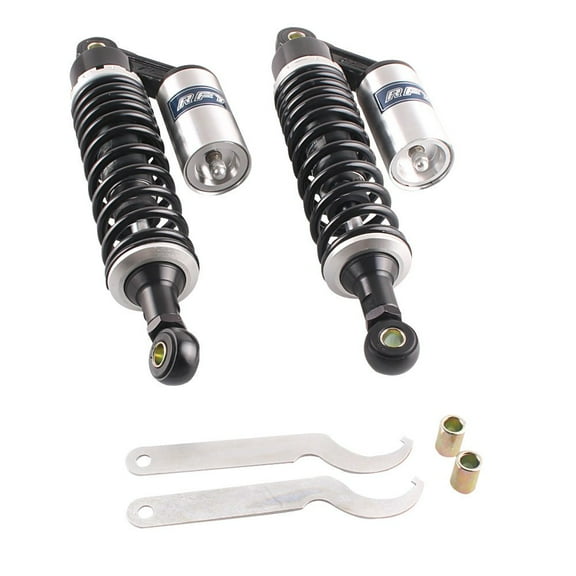
If you want tunable feel, your setup may benefit from an air shock design with lighter construction. For hauling gear or utility work, your machine may need heavy duty support instead.
Load capacity should match how you ride, not just how the part looks in a photo. During trail use, you'll usually want compliant movement, while cargo tasks often call for firmer support.
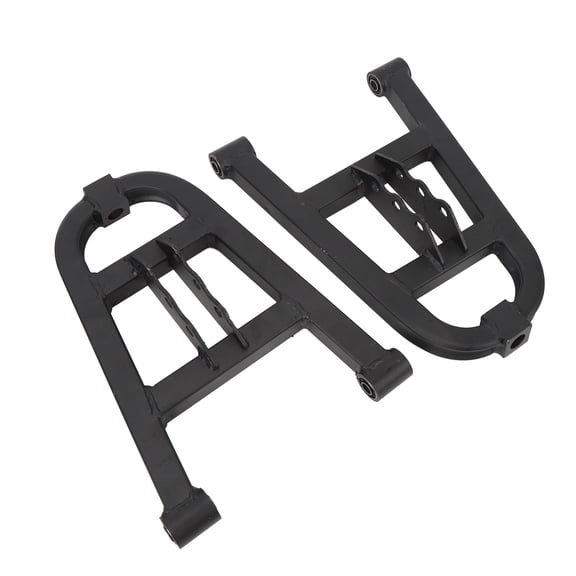
Some machines use atv struts, while others use an atv shock absorber with a different role in the suspension layout. By checking your ATV design first, you'll choose parts that match the intended mounting style.
What to look for in adjustability and placement
Adjustability can shape your setup, so you'll want to decide how much tuning your riding routine actually needs. In this category, you'll usually see adjustable preload, rebound adjustable, and non-adjustable designs.
When your load changes often, adjustable preload can help you tune ride firmness for cargo, passengers, or rougher terrain. By changing spring compression, you'll affect how firmly your ATV sits and responds.
On washboard paths or repeated bumps, rebound adjustable options can give you precise control after the shock compresses. That setting matters when your machine needs composed bounce recovery across uneven sections.
If you want a simple replacement, non-adjustable options can keep your decision focused on fitment and intended use. That approach works well when your ATV handles routine riding without frequent suspension tuning.
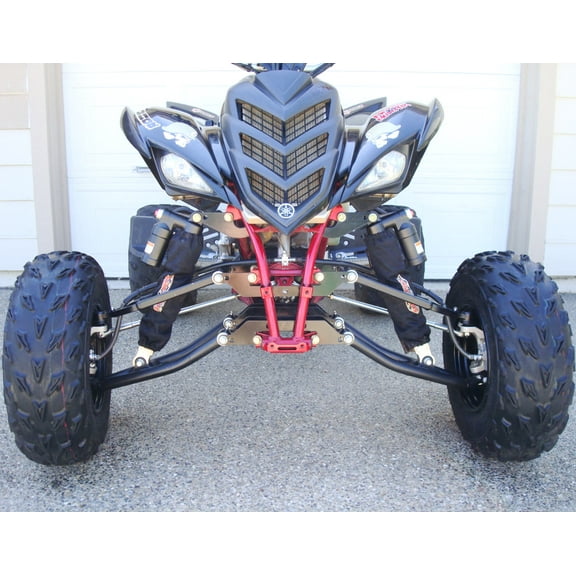
Front and rear duties differ on an ATV, so you'll want to compare each location carefully. Up front, your shocks influence steering feel, while rear units support traction, squat, and rack weight.
When your steering feels unsettled on rocky trails, your search may focus on atv front shocks with the correct dimensions. For towing or gear support, your rear placement often deserves closer attention.
Using fitment details for real riding situations
Technical measurements become useful when you connect them to where and how you ride. Even a small mismatch in length or bushing size can change how your new part mounts.
On wooded trails, you may want an atv shock that keeps your machine composed through roots, washouts, and uneven surfaces. In that case, your stock geometry and adjustability options can guide the right choice.
Around property lines, farm paths, or work areas, your ATV may carry tools or gear on the racks. For that use, a quad shock absorber or heavy duty setup can support extra load with steady response.
Some machines use side-specific parts, so your left and right placement details deserve a close check before purchase. When you verify orientation and mounting style early, you'll avoid returns tied to fitment errors.
If you're replacing one atv shock absorber, your setup may still need a paired replacement check for balanced performance. That step can matter when your existing side has worn differently over time.
Related upgrades can affect your final result, especially when your refresh also includes wheels, tires, or lift components. When your suspension parts match your ATV's stance and use, you'll get clean installation and predictable ride feel.
Why the right 4 wheeler shocks matter
An informed choice starts when you measure fitment, compare shock types, and match adjustability to your terrain. With the right 4 wheeler shocks, you can get smooth control, steady support, and clean installation on your ATV.