


Find auto parts that fit
Let’s search for parts that fit your vehicle.ATV Suspension and Steering in ATV Parts





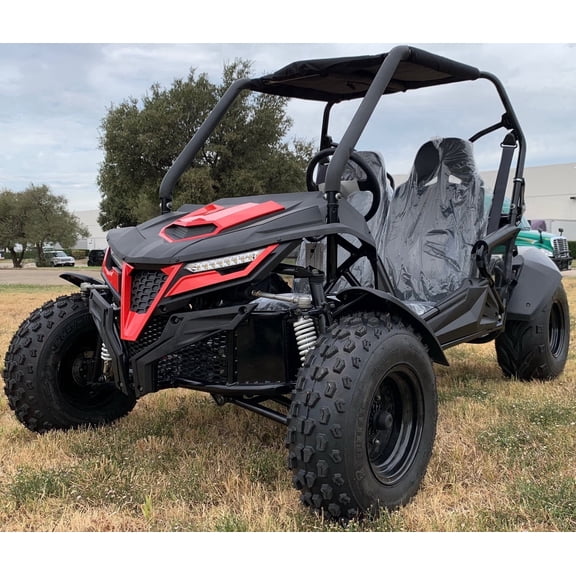
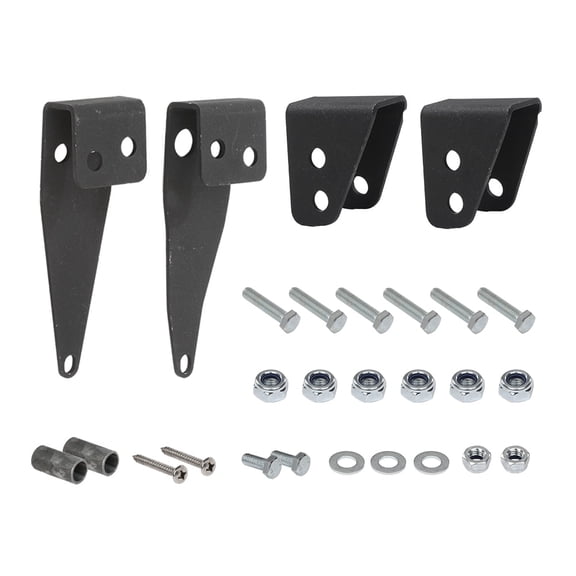

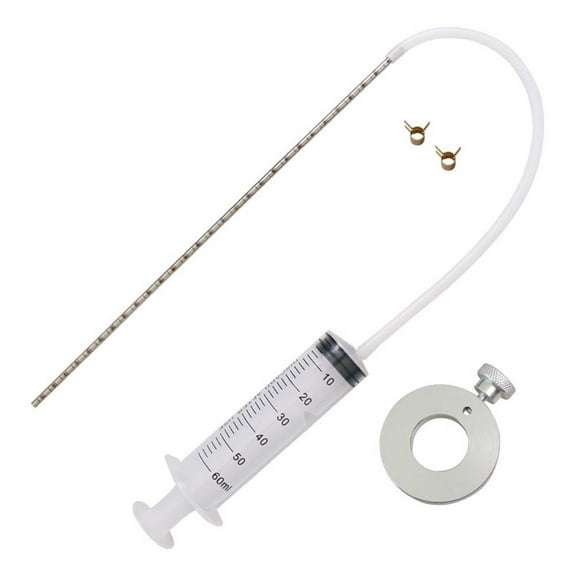


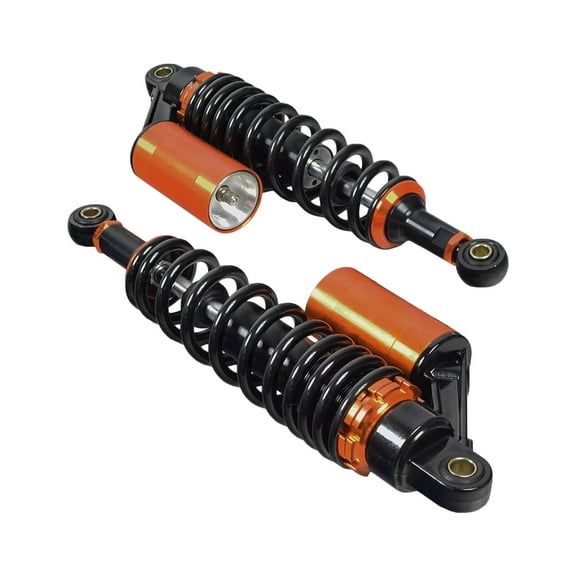


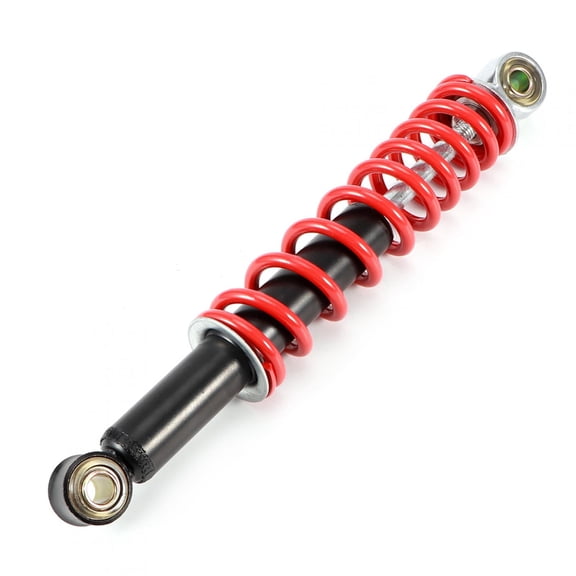


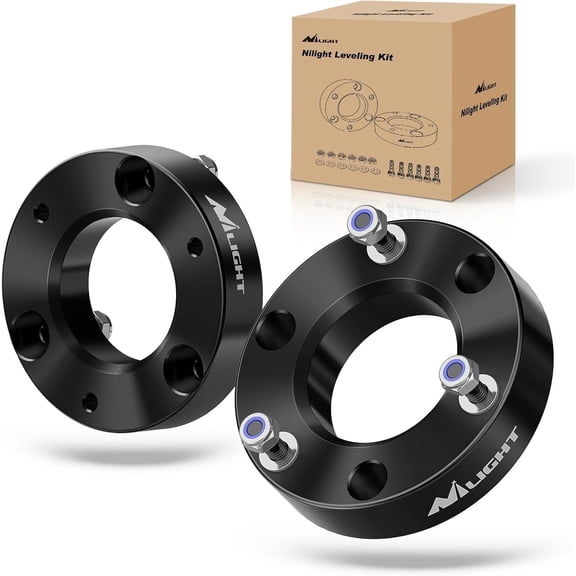


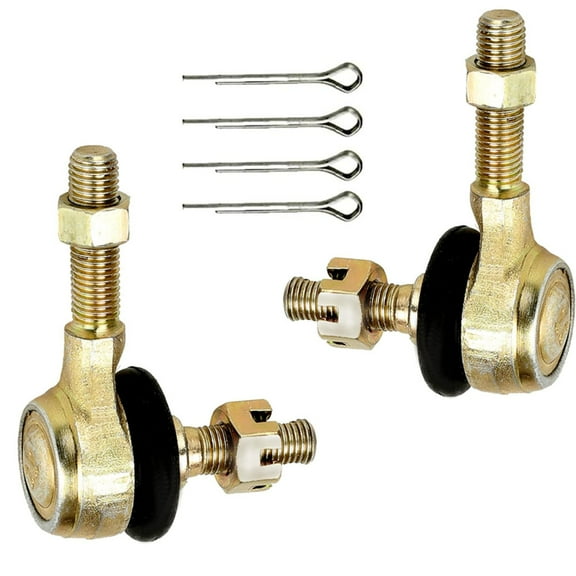






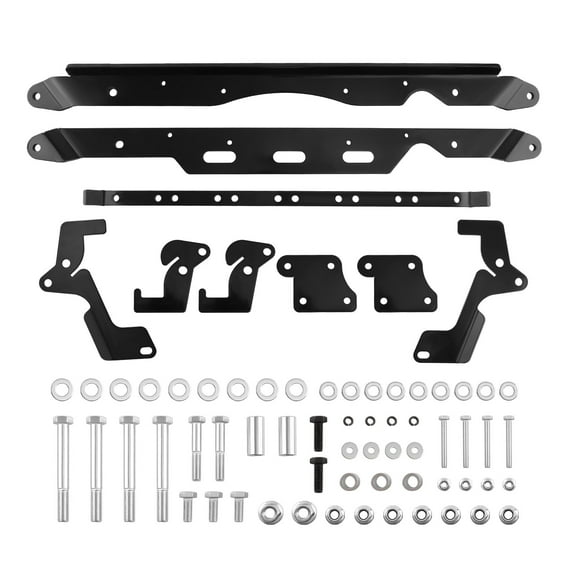
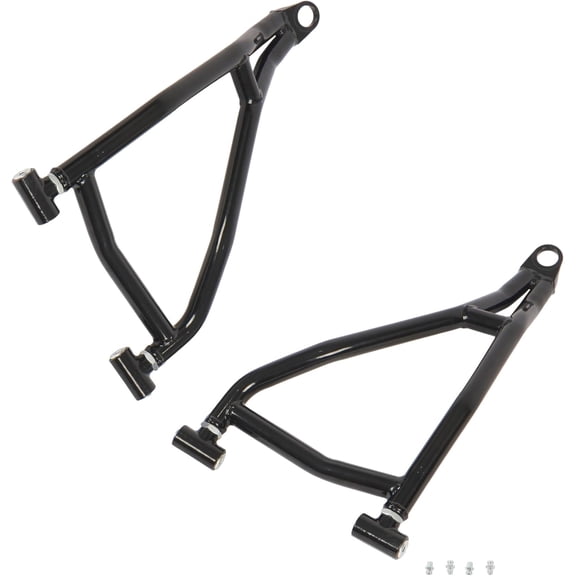
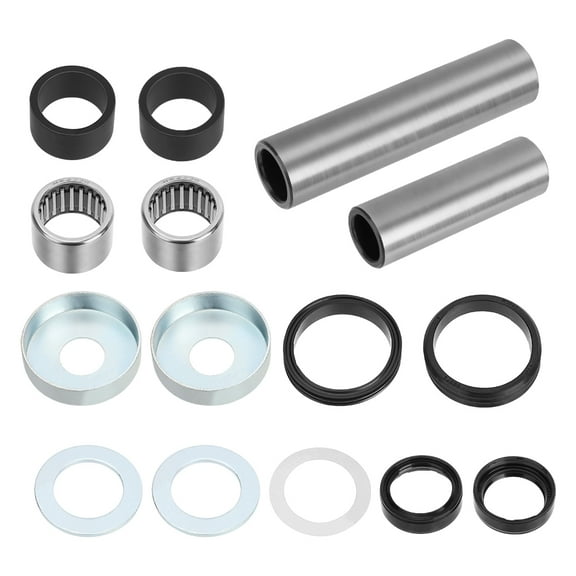


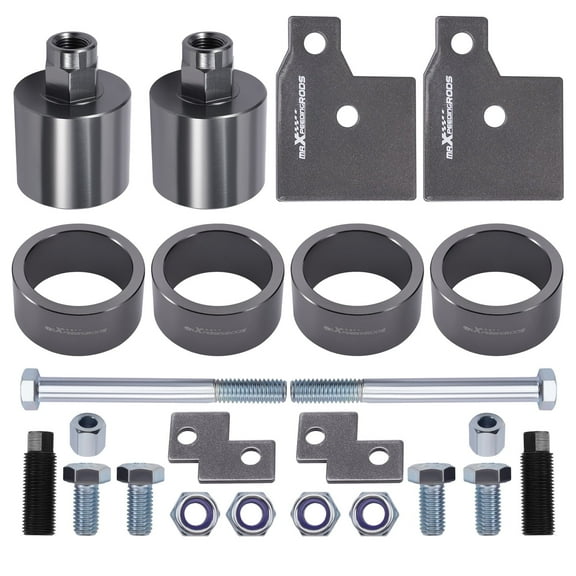
About ATV Suspension and Steering in ATV Parts - Walmart.com
ATV suspension and steering parts help you keep your machine tracking straight and riding smoothly over ruts, rocks, and uneven trails. You can compare fitment, placement, and construction details here, so your replacement parts match your ATV and your riding style.
How to choose atv suspension and steering
When you shop this category, you should start with vehicle compatibility before you compare any other detail. You should check your OEM part numbers, thread size, and spline count. You need those specs to match Polaris Sportsman, Honda TRX, Yamaha Grizzly, and Can-Am Outlander applications.
You should also compare where the part installs on your ATV before you order. Your front and rear setups can differ, and your upper or lower mounting points may require different atv steering parts.
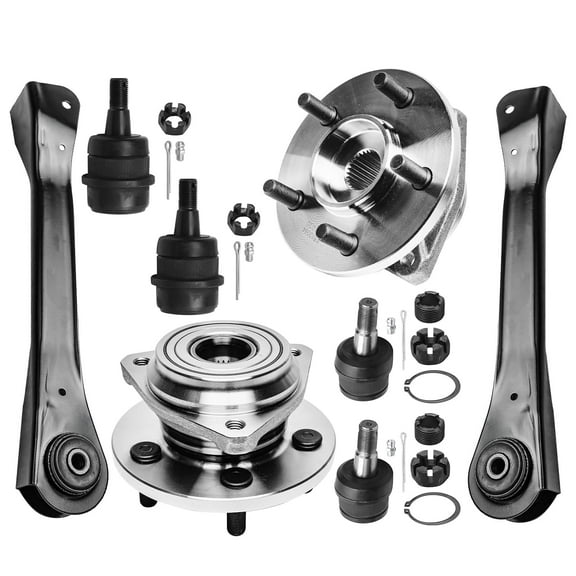
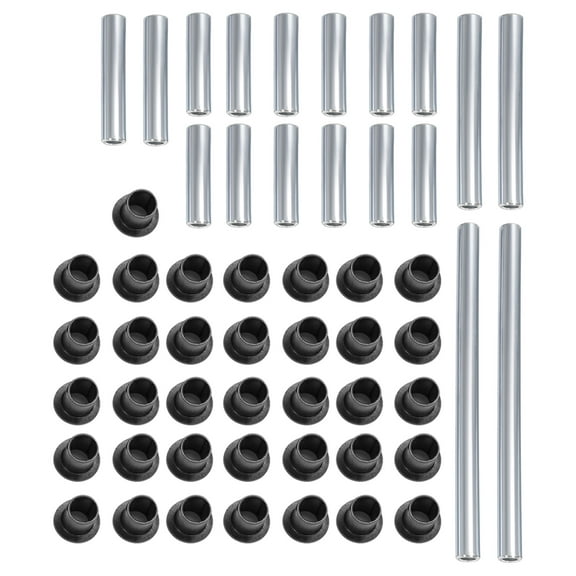
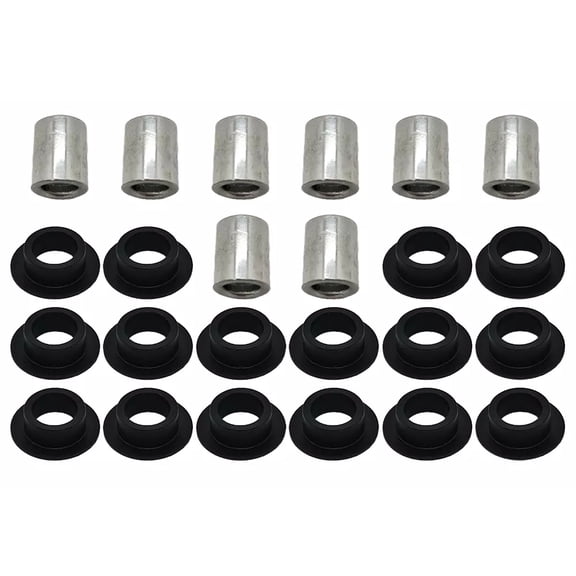
Another key decision is whether you need one replacement part or a complete atv suspension kit. You may want a kit when your bushings, hardware, or related components show similar wear and you want a more complete refresh.
Choosing part type for your ride
You can narrow your options faster when you compare parts by function. Your shocks affect ride control, your ball joints support wheel movement, and your tie rods and steering stems influence how your handlebars respond.
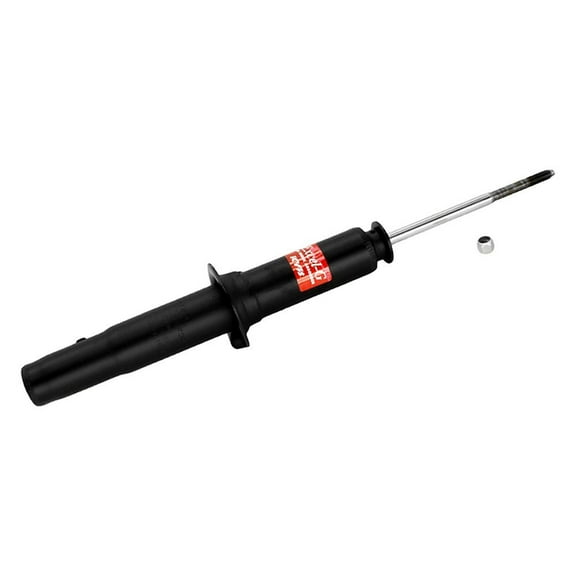
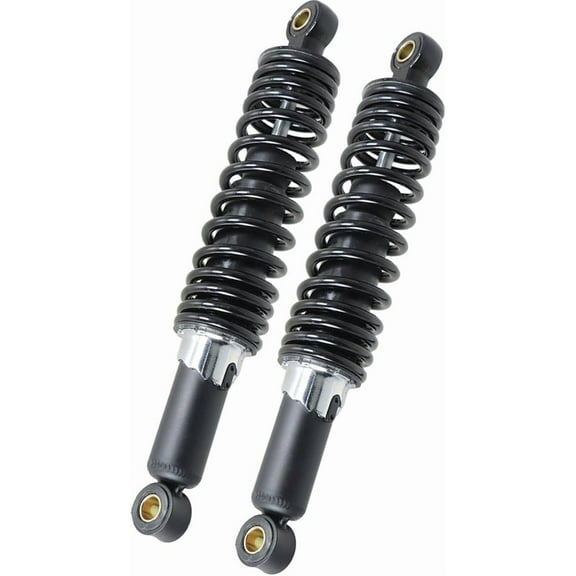
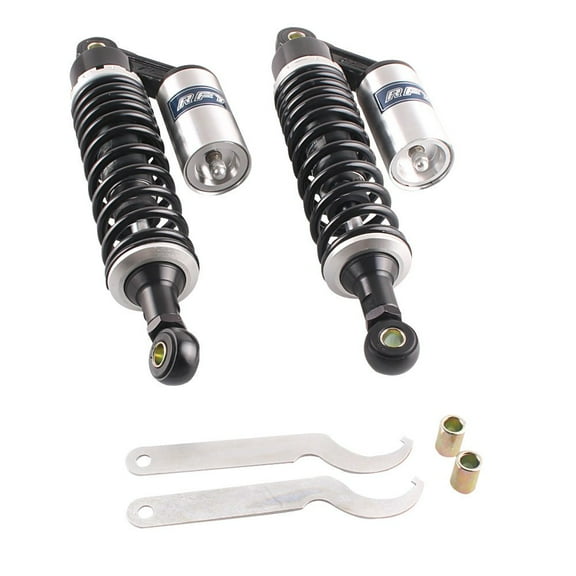
- You can use atv shocks when you want smoother control over washboard trails, bumps, and loaded utility rides.
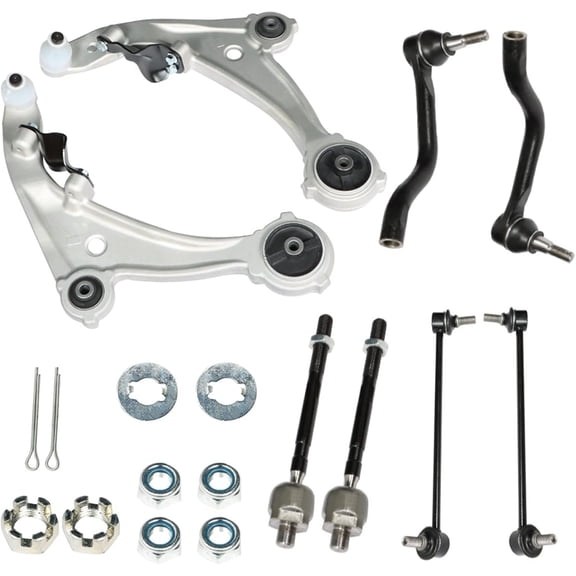
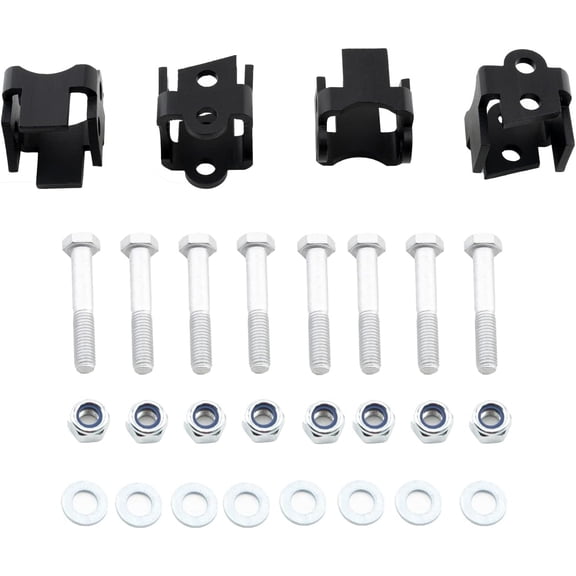
- You can choose suspension kits when you want matched parts, included hardware, and a simpler overhaul path.
- You can replace atv ball joints when you need precise wheel movement at the hub and control arm connection.
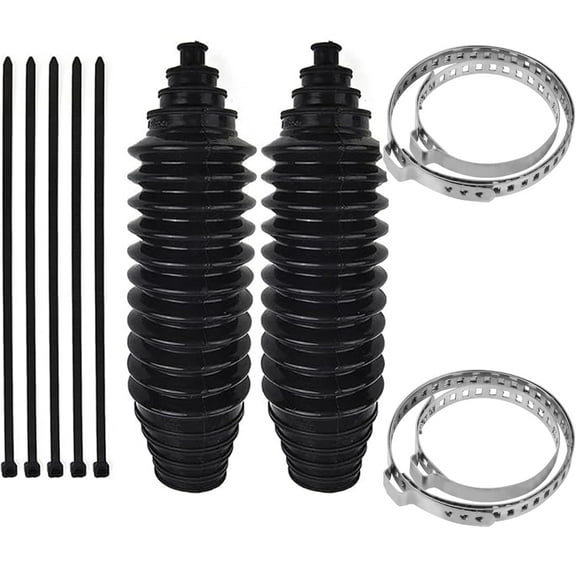
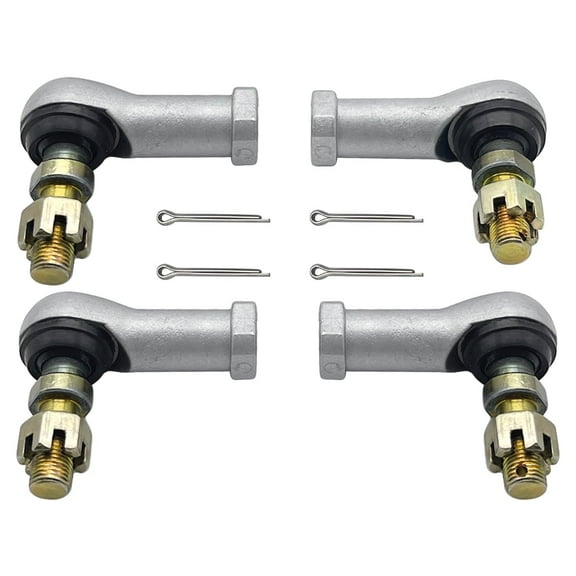
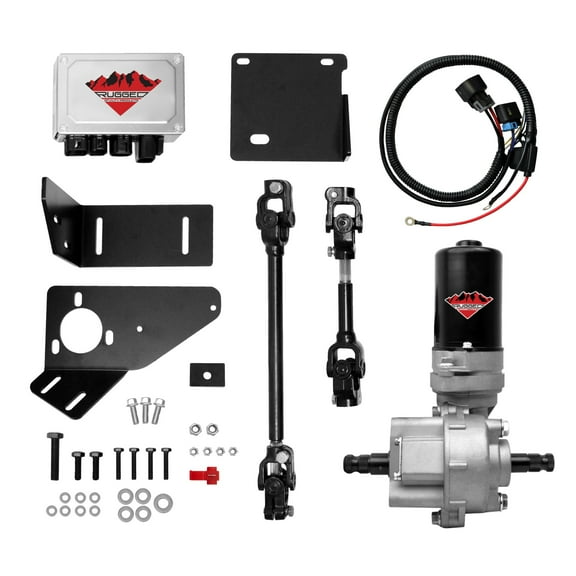
- You can select tie rods and steering stems when your steering input feels more direct with matched mechanical response.
You should think about how each part works with the rest of your setup. Your suspension and steering components work together, so one worn piece can change how your ATV feels on rough ground.
Comparing fitment and placement details
You should measure carefully before you choose shocks, ball joints, or steering hardware. Your axle side, mounting width, eyelet style, thread pitch, and overall length can all change which parts fit.
For front-end components, you should confirm whether you need upper or lower positions before you buy. Your front suspension geometry depends on correct placement, and your steering linkage needs matching lengths and connection points.
You can also compare individual components with complete assemblies based on your repair plan. If your machine needs several connected parts, your atv suspension kit can help you match parts designed to work together.
What to look for in materials and construction
You should compare materials because construction affects how parts handle mud, vibration, and repeated trail impacts. Your heavy-duty steel components can suit rugged utility use, while your aluminum parts can reduce extra weight in some setups.
If you ride aggressively or carry gear often, you may look at chrome-moly options for added strength in demanding conditions. Your choice should reflect how you ride, where you ride, and how often your ATV sees rough terrain.
You should also check whether your replacement part uses greaseable zerk fittings or a sealed design. Your greaseable joints can fit regular maintenance routines, while your sealed units can suit simpler upkeep preferences.
Choosing between utility and sport setups
You should match your parts to how your ATV spends most of its time. Your utility riding may call for durable shocks and sturdy steering components that handle cargo, work trails, and uneven ground.
If your riding leans sporty, you may prefer responsive components that support quick direction changes and more controlled cornering feel. Your setup choices can influence how planted your ATV feels when trails tighten or surfaces change.
You should also consider whether you ride solo, carry equipment, or switch between work and recreation. Your routine helps determine whether you need comfort-focused replacement parts or firmer, more direct handling components.
How atv steering parts fit your repair plan
You can build a smarter repair plan when you compare individual steering components against full refresh options. Your atv steering parts may include tie rods, steering stems, and related hardware that restore consistent linkage movement.
When you replace one part, you should inspect nearby connection points for matching wear. Your steering feel depends on aligned components, proper lengths, and hardware that matches your machine's factory specifications.
You should pay close attention to thread size and spline count during selection. Your replacement process gets easier when your new parts line up with your existing mounts, steering shaft, and linkage connections.
Use cases for trails, chores, and rebuilds
You may need front shocks and ball joints when your ATV sees rocky trails and repeated suspension travel. Your front end takes constant movement, so accurate fitment and durable construction matter during every ride.
For ranch work or hauling, you may look for rear suspension parts built for repeated loads and rough ground. Your utility machine benefits from components that support stable handling when gear, tools, or supplies add weight.
If you're restoring an older ATV, you may want a kit that includes multiple matching parts and hardware. Your rebuild can move faster when your components arrive grouped around compatible applications and shared installation points.
You can also narrow parts by machine family when you know your model line. Your Polaris Sportsman, Honda TRX, Yamaha Grizzly, or Can-Am Outlander may use different dimensions, so exact application details matter.
When you compare atv suspension and steering parts with these decision points in mind, you can choose components that fit your machine and your riding needs. Your finished repair supports smoother control, steadier tracking, and a more confident ride across demanding terrain.