











Living Room Furniture

Complete your living room
More ways to shop
Only at Walmart



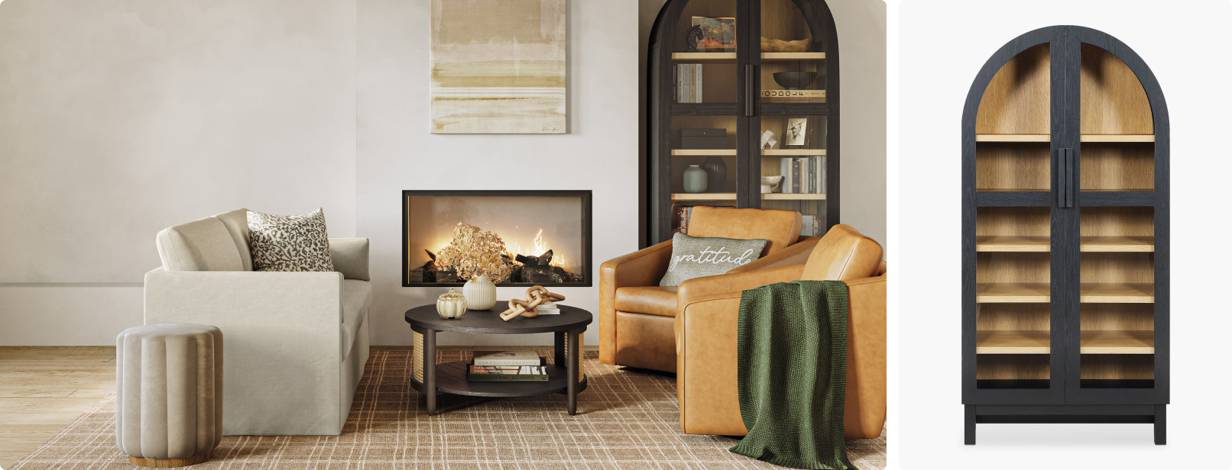
Designing made easy
Mix and match sofas, coffee tables & more to create your dream living roomStart designingMore ways to shop




FAQ
About Living Room Furniture - Walmart.com
Living room furniture helps you shape a space that feels comfortable, organized, and ready for daily life. You can compare seating, tables, storage, and style details here, so your room works for quiet nights and busy weekends.
How to choose living room furniture for your space
You should start with room dimensions, walking clearance, and entryway width before you choose larger pieces. You can avoid tight pathways when your sofa, coffee table, and accent chairs leave enough space to move easily.
When you compare seating capacity, you can match your layout to how you actually use the room. You might prefer a 2-seater, a 3-seater, a loveseat, or sectional sofas for a larger gathering area.
You can also think about whether you want a full arrangement or a few flexible pieces. Living room sets can give your room a coordinated look, while separate pieces let your layout change over time.
Choosing style, seating, and everyday comfort
You can narrow your search faster when you compare furniture style first. Modern and contemporary designs usually give you cleaner lines, while traditional and mid-century modern looks bring more decorative detail.
If you want a lighter visual feel, you may lean toward slim arms, raised legs, and open space underneath. If you want a grounded look, you may prefer broader arms, deeper seats, and matching tables.
- You can use sectionals to define open layouts and create more shared seating.
- You can use loveseats and compact sofas when your apartment or den needs a smaller footprint.
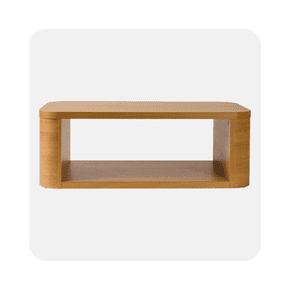
- You can pair coffee tables and tv stands to keep media items and daily essentials within reach.
- You can add accent chairs to bring extra seating without crowding your main sofa.
You may also want to compare seat depth, back height, and cushion feel. You can create a room that feels more inviting when your seating supports reading, streaming, or conversation.
What to look for in materials and construction
You can choose upholstery based on how your household uses the room every day. Fabric often gives you a softer look, leather offers a smoother surface, velvet adds texture, and faux leather creates a polished finish.
If your home includes kids or pets, you may want surfaces that wipe clean more easily. You can also look for color and texture choices that help everyday marks blend into your room.
Frame construction matters because you want seating and tables that feel steady during regular use. You can compare solid wood and engineered wood frames, and you can check listed weight capacity for added buying confidence.
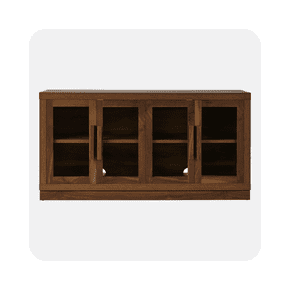
When you review tables and media storage, you should look at shelf space, drawer placement, and cord access. This helps keep consoles, remotes, and gaming gear more organized when your tv stands fit your setup.
Comparing function, assembly, and layout flexibility
You can get more from your room when you compare functionality before you pick a style. Reclining seats support laid-back lounging, modular designs help you rework your layout, and storage pieces reduce visible clutter.
If you host overnight guests, you may want a sleeper or sofa bed for extra flexibility. You can turn one room into a seating area by day and a guest space by night.
Assembly is another decision point that can shape your purchase. You should check whether your furniture includes simple hardware, basic tool needs, and step-by-step instructions that fit your comfort level.
Some pieces arrive with lighter assembly, while others need more setup time for legs, backs, or shelves. You may want to review the expected assembly steps so your room comes together with fewer surprises.
How living room sets and accent pieces work in real homes
You can build a calm family room with a sectional, a storage coffee table, and a media console. This can give you room for movie nights, blankets, and devices without making the layout feel scattered.
For a smaller apartment, you might choose a loveseat, a compact coffee table, and one accent chair. You can keep the room open while still adding enough seating for guests.
If you prefer a coordinated look, living room furniture with matching finishes can make styling simpler. You can combine tables, seating, and tv stands that share similar lines for a more pulled-together room.
You can also mix materials and silhouettes for a layered look that feels personal. A fabric sofa, wood table, and velvet chair can add depth without making your space feel busy.
Seasonal updates can shift the mood without changing your main layout. You can pair cozy living room decor with your existing seating and tables when you want a warmer feel in cooler months.
You can feel more confident when you compare dimensions, materials, and function before you decide. Living room furniture becomes easier to choose when your pieces fit your space, support your routine, and keep your room organized.