


Find auto parts that fit
Let’s search for parts that fit your vehicle.Car Hoods & Hood Accessories in Exterior Car Parts & Accessories





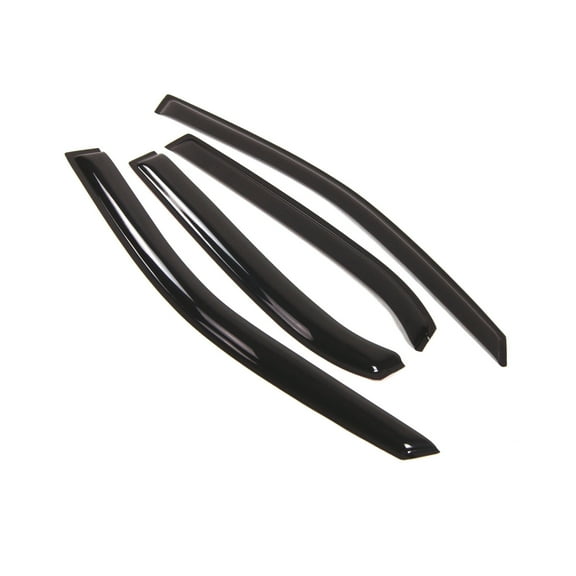
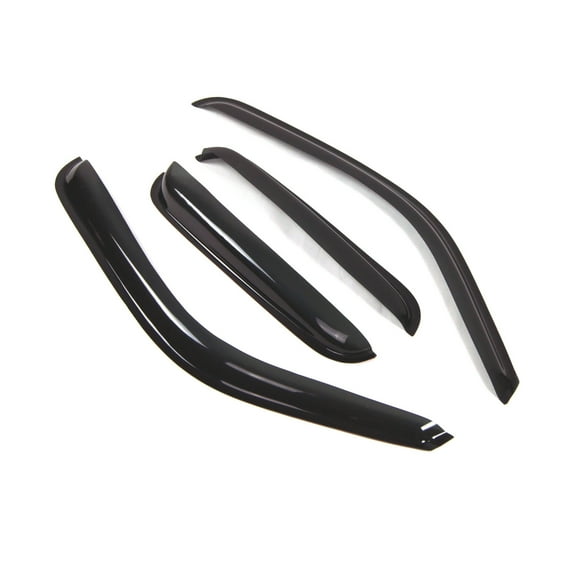


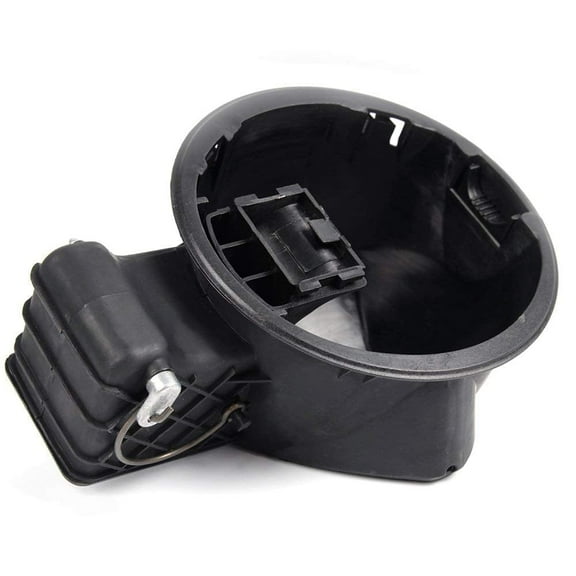

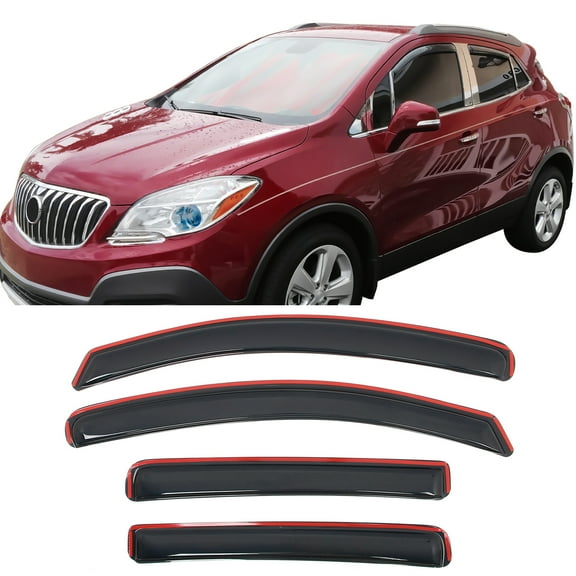











About Car Hoods & Hood Accessories in Exterior Car Parts & Accessories - Walmart.com
Auto tires help you keep your car, truck, or SUV ready for daily driving, highway miles, and changing weather. You can compare tire sizes, tread styles, and installation options at Walmart while narrowing the fit for your vehicle.
You may shop this category when your tread looks worn, your ride feels rough, or your season is changing. You’ll also find practical guidance here for sidewall numbers, vehicle compatibility, and Walmart Auto Care Center installation.
How to choose auto tires for your vehicle
You can start with the tire sidewall or your driver-side door sticker to confirm the fit your vehicle uses. You’ll usually see section width, aspect ratio, and rim diameter listed together in one size code.
You might see a size like 225/65R17, and each part matters when you compare tire sizes. You get the width in millimeters, the sidewall height as a ratio, and the 17-inch rim diameter.
You should also check load index and speed rating before you choose replacement car tires. You’ll want those ratings to match your vehicle needs for carrying capacity and normal driving conditions.
You can use vehicle compatibility filters to narrow choices for passenger car, SUV, light truck, and performance applications. You’ll avoid guesswork when you match the tire to your driving style and manufacturer guidance.
Choosing between all season tires and seasonal options
You may want all season tires if you drive through mixed weather and want one set for everyday use. You’ll usually get balanced road manners, steady traction, and a tread pattern built for year-round commuting.
You should consider winter tires when colder months bring snow-covered roads, slush, or frequent freezing mornings. You’ll typically notice tread designs and rubber compounds made for colder temperatures and winter driving.
You might compare summer tires if you drive in warmer climates and want sharper steering response. You’ll often see these fit performance vehicles that prioritize dry and wet road handling over cold-weather flexibility.
You can also look at all-terrain options when your light truck or SUV sees pavement, gravel, and uneven ground. You’ll get a more rugged tread pattern that suits mixed surfaces and weekend hauling routes.
- You can choose all-season tread for daily commuting and changing forecasts.
- You can choose winter tires for cold-weather traction and seasonal driving needs.
- You can choose all-terrain tread for trucks and SUVs that leave paved roads.
- You can choose summer-focused designs for warm-weather handling and responsive cornering.
What to look for in tire sizes and performance ratings
You should compare rim diameter carefully, because 15 inch, 16 inch, 17 inch, and 18 inch options fit different wheels. You’ll need an exact match here, since the tire bead must fit your wheel correctly.
You may also compare performance class based on how and where you drive each week. You’ll find touring tires tuned for comfort, highway tires shaped for steady miles, and mud-terrain styles built for rougher paths.
You can check ultra-high performance options when your vehicle calls for sharper handling and firmer road feel. You’ll usually see these on sporty cars that use lower-profile sidewalls and specific speed symbols.
You should read treadwear warranty details as a planning tool while comparing tires online. You’ll get a plain-language view of expected mileage categories, which helps you weigh long commutes against occasional weekend driving.
You can also compare truck tires and suv tires by load needs, cargo use, and road surface. You’ll want enough capacity for passengers, gear, and the way your vehicle is used day to day.
Matching car tires, truck tires, and SUV tires to real driving needs
You may want touring car tires if your week centers on errands, school runs, and freeway commuting. You’ll usually appreciate a smoother ride, predictable handling, and tread patterns geared toward everyday pavement.
You can look at highway-focused truck tires if your pickup spends most of its time on paved roads. You’ll get a tread style that supports regular driving, work commutes, and lighter towing routines.
You might need more capable truck tires or suv tires if your routes include gravel, dirt lots, or camp access roads. You’ll benefit from deeper tread blocks and a design meant for varied surfaces.
You should think about winter tires or snow tires before cold conditions become part of your routine. You’ll make the seasonal switch more easily when you already know your fitment and preferred rim diameter.
You can also simplify the process when you choose installation support through Walmart Auto Care Centers. You’ll move from browsing to mounted tires with a clearer plan for fit, service, and road-ready convenience.
How to compare options with confidence
You can make a stronger choice when you compare tire type, vehicle compatibility, rim diameter, and performance class together. You’ll narrow the field faster when each spec matches your weather, wheel size, and driving routine.
You’ll feel more confident choosing auto tires when you understand size codes, seasonal tread differences, and service options. You get a fit that supports your vehicle, your roads, and your everyday driving plans.