

Shop Pro Tools by Top Brands for Home Improvement




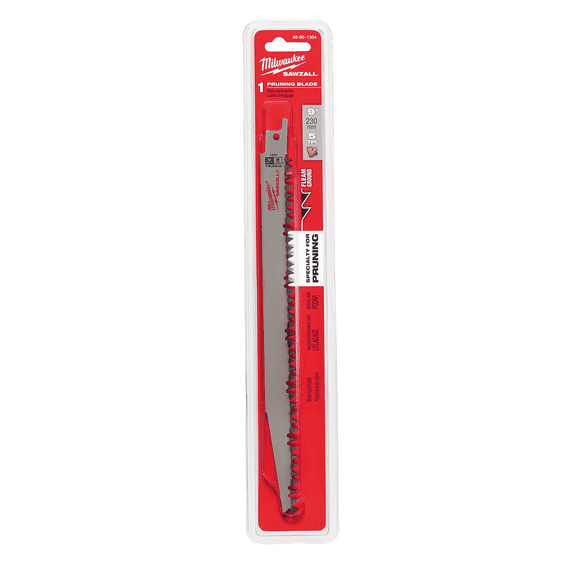

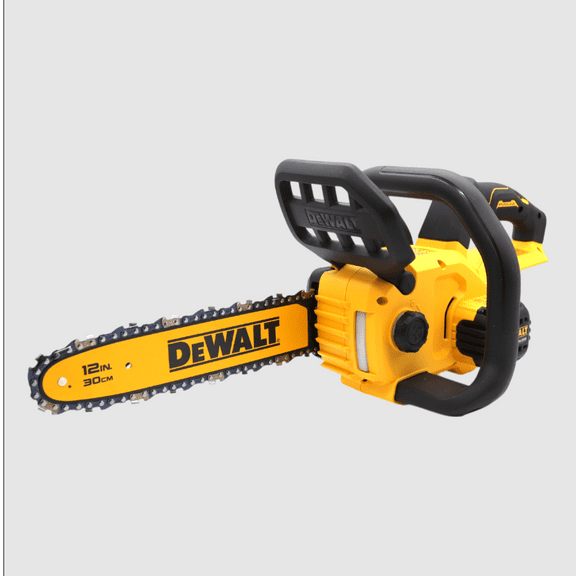


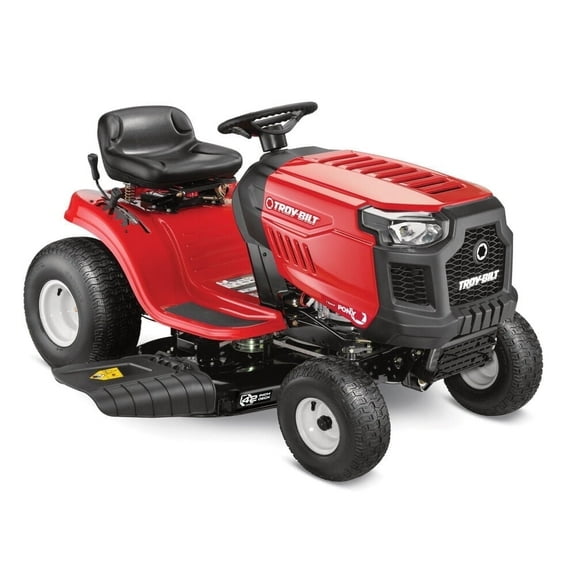
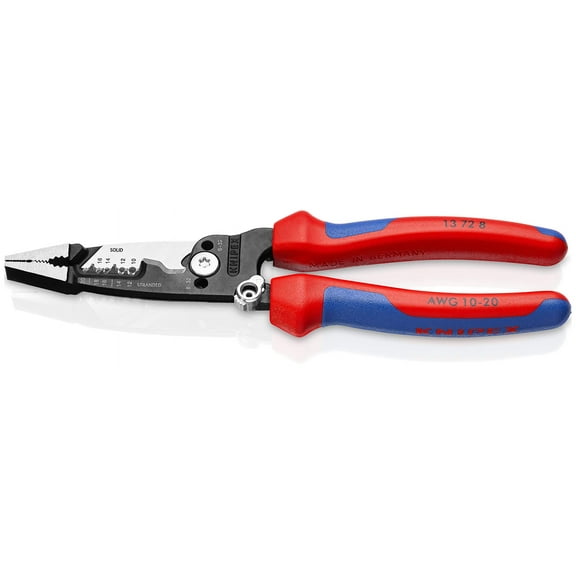










About Shop Pro Tools by Top Brands for Home Improvement - Walmart.com
Power tools help you take on repairs, builds, and upgrades with increased speed and control. You can compare cordless power tools, corded options, and combo kits that match your workspace and project list.
If you're setting up a home workshop or replacing worn gear, you need choices that fit how you work. You can narrow options by power source, voltage, motor type, and tool category for an informed pick.
How to choose power tools for your projects
When you compare power tools, start with the jobs you handle most often. You may need drills for fastening, saws for cutting, or sanders for surface prep.
Your work area also shapes the right setup. If you move room to room, you may prefer portable power tools with battery packs and compact chargers.
- You can use drills and drivers for hanging shelves, assembling furniture, and driving long fasteners.
- You can choose saws when your projects involve framing lumber, sheet goods, or trim cuts.
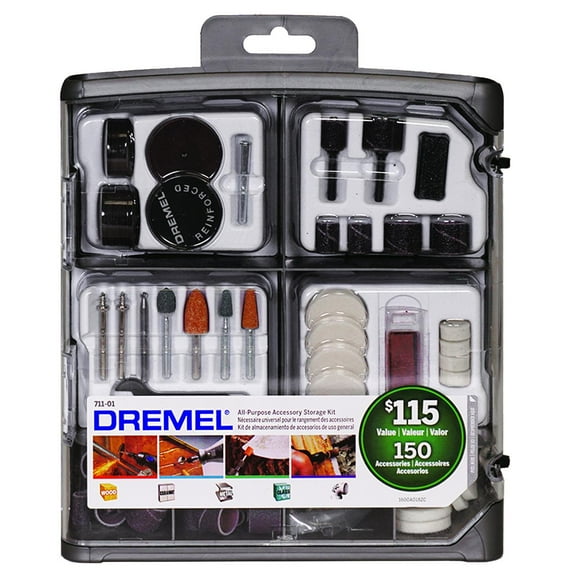
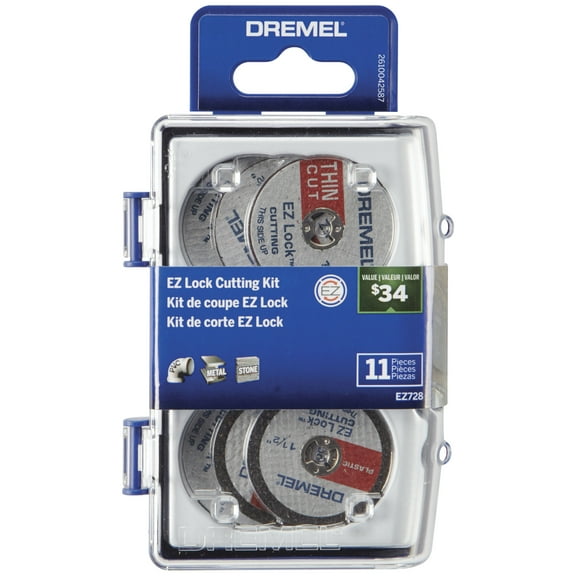
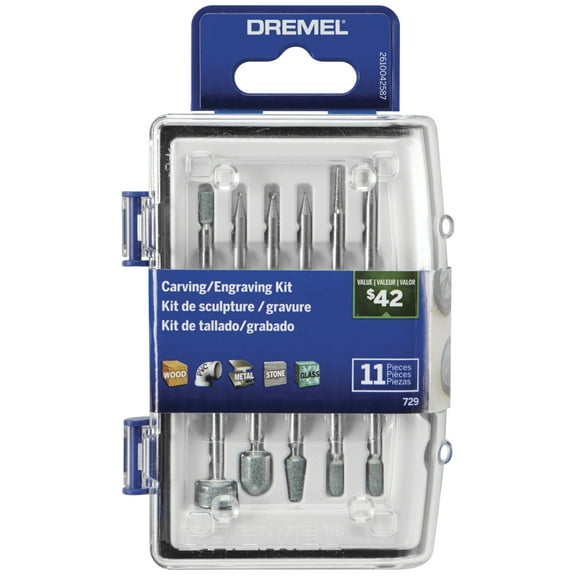
- You can rely on sanders and rotary tools when you need smooth surfaces and fine detail work.
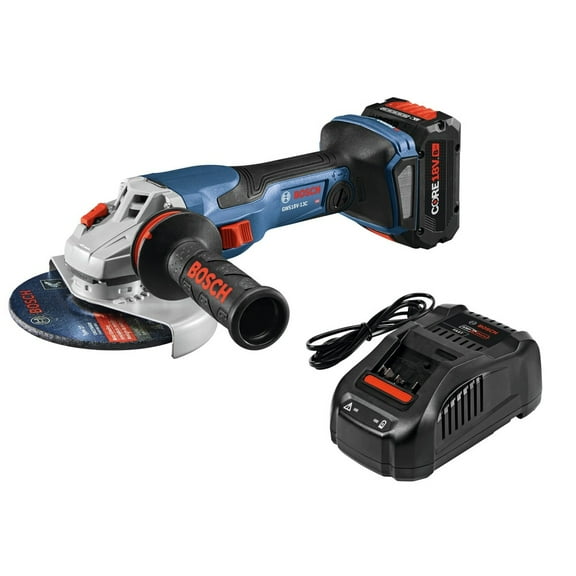
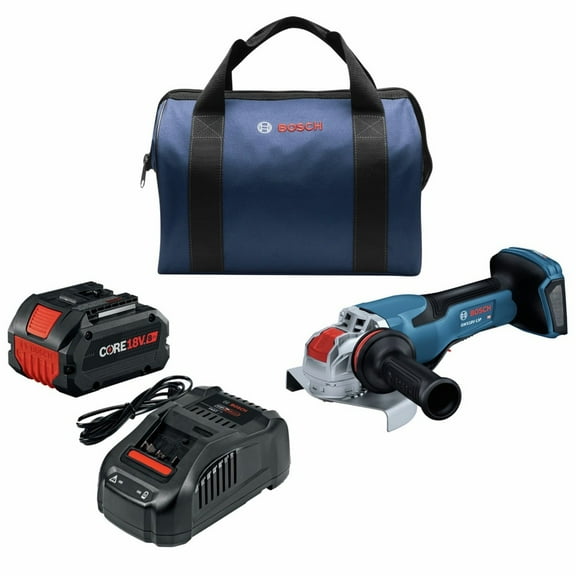
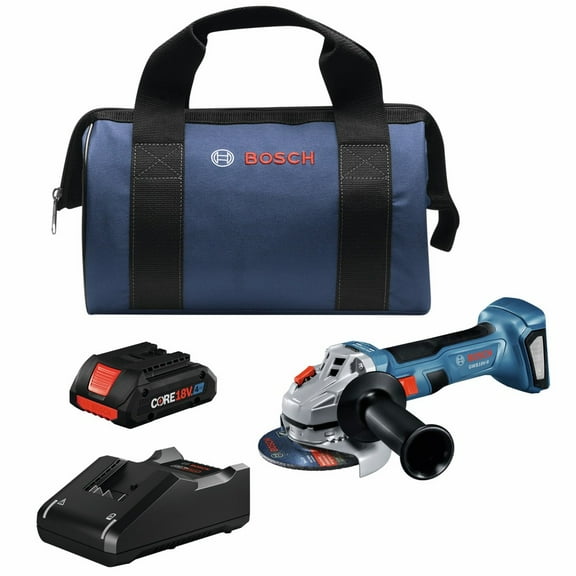
- You can pick grinders for metal shaping, rust removal, and demanding material cleanup.
Combo kits can simplify your setup when you want several core tools at once. You can keep one battery platform across matching tools and reduce charger clutter.
Choosing between cordless power tools and corded options
Cordless power tools give you mobility when you work in garages, yards, or unfinished spaces. You can move freely without managing extension cords around corners or stairs.
Electric power tools with cords make sense when you want continuous runtime for longer sessions. You do not need to pause for battery changes during extended cutting, sanding, or grinding.
Pneumatic tools can fit specialized shop setups when you already use an air compressor. You should check hose access, compressor output, and workspace layout before choosing that route.
If convenience matters most, compare battery platforms before anything else. You should check whether your drill, saw, and light can share the same pack.
Understanding voltage and battery platform compatibility
Voltage helps you match tool power to the work you plan to do. You may prefer 12V tools for lighter tasks and tighter spaces.
If your projects involve larger fasteners or tougher cuts, you may look at 18V, 20V Max, or 60V systems. You should compare the full platform, not just one tool.
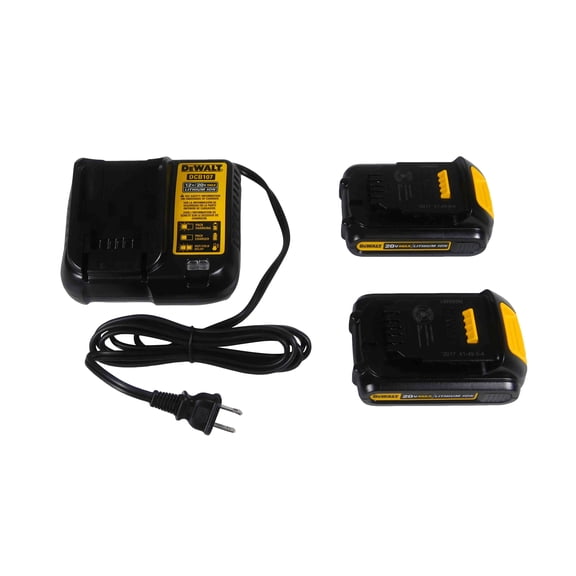
Battery compatibility matters because you can swap packs across tools within the same system. You can keep your workflow simpler when one charger supports your drill, saw, and grinder.
Amp-hours, shown as Ah, tell you how much runtime your battery can deliver. You may want higher Ah packs when your projects last longer or use more demanding tools.
If you're building a collection over time, power tool sets can make platform planning simple. You can start with a driver, circular saw, and light that share batteries from day one.
Comparing brushless power tools and brushed motors
Brushless power tools use motor design that helps you get high efficiency from each battery charge. You may notice extended runtime and less routine maintenance in frequent use.
Brushed motors can still work well for many household jobs and occasional projects. You should compare how often you use your tools before moving up to brushless options.
If you work often with dense materials, a brushless setup may support steady output. You can pair that motor type with the right voltage for heavy-duty drilling or cutting tasks.
Motor type becomes more important when your tools see repeated weekend projects or jobsite use. You should weigh runtime, tool weight, and platform compatibility together.
Comparing power tool sets by tool type
Power tool sets help you cover several project stages without piecing together each tool separately. You can compare kits by included tools, battery count, and charger style.
For basic home projects, you may start with a drill, impact driver, and work light. You can handle fastening, pilot holes, and low-light spaces with a compact kit.
If you build shelves, decks, or workshop fixtures, you may want saws in the mix. You should look for kits that add a circular saw or reciprocating saw.
For finishing work, you can compare sets that expand into sanders, grinders, or rotary tools. Your kit can grow from simple repairs to woodworking and material prep.
Individual tools make sense when you already own compatible batteries and chargers. You can fill one specific gap without changing your whole platform.
Matching power tools to DIY and professional use
If you're a DIY homeowner, you may want lightweight tools that store easily and handle varied tasks. You can focus on comfort, quick charging, and compact storage cases.
If you're a professional contractor, you may need broad voltage options and extended runtime. You should compare tool balance, battery capacity, and lineup depth across categories.
Power tools for woodworking often call for steady control and clean handling. You can pair drills, circular saws, sanders, and rotary tools for cutting, shaping, and finishing.
Seasonal projects can also shape your choices throughout the year. You may consider power tool gift sets when you want coordinated tools for a workshop starter setup.
When you compare by power source, voltage, motor type, and tool mix, you can build a setup that works together. Your projects move quickly when your batteries, chargers, and tools stay aligned.