


Find auto parts that fit
Let’s search for parts that fit your vehicle.Engine Management Sensors for Auto Replacement











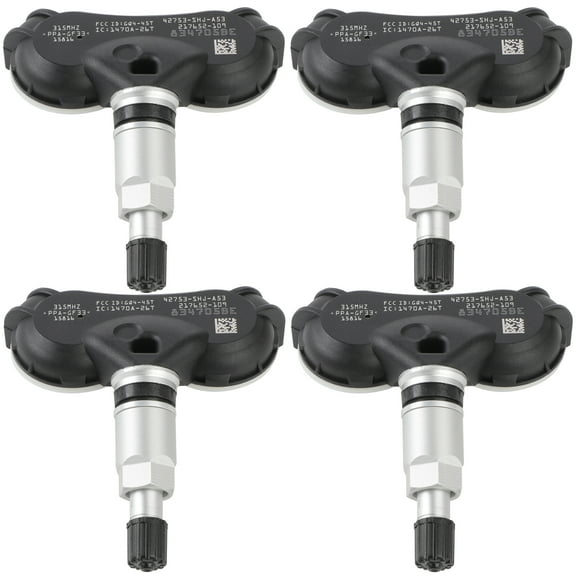
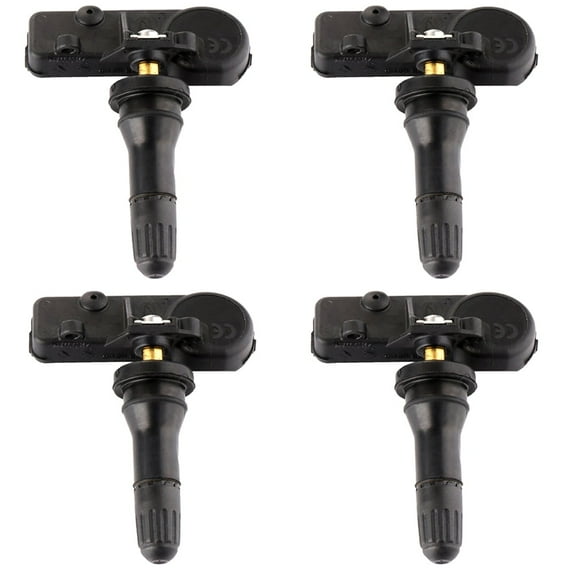


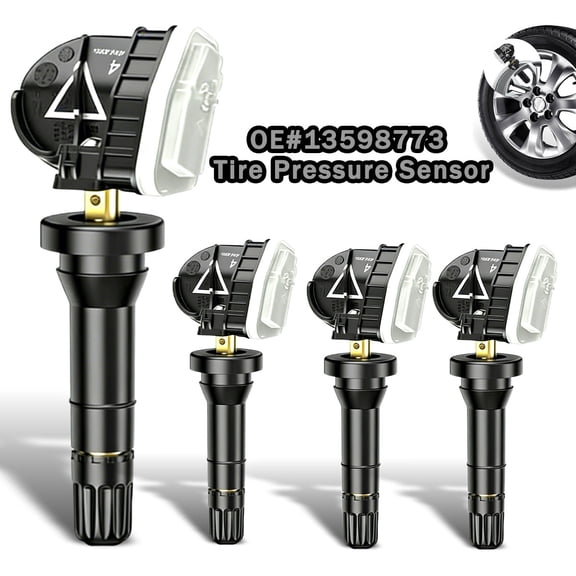

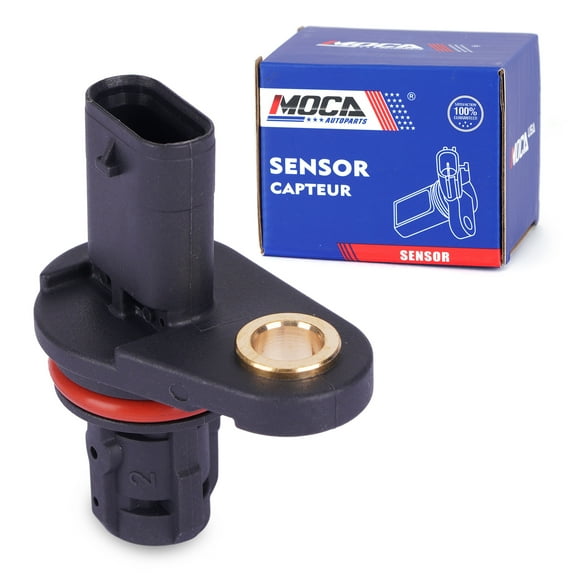






About Engine Management Sensors for Auto Replacement - Walmart.com
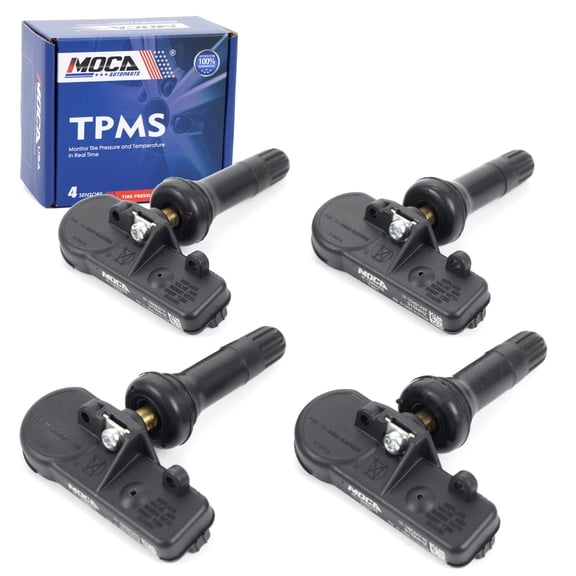
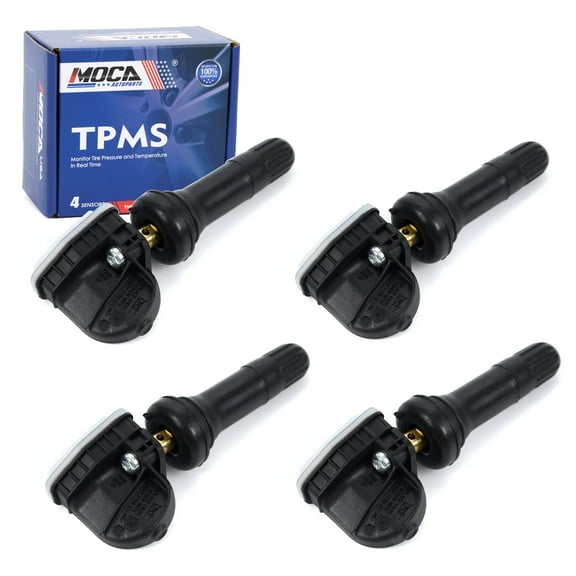
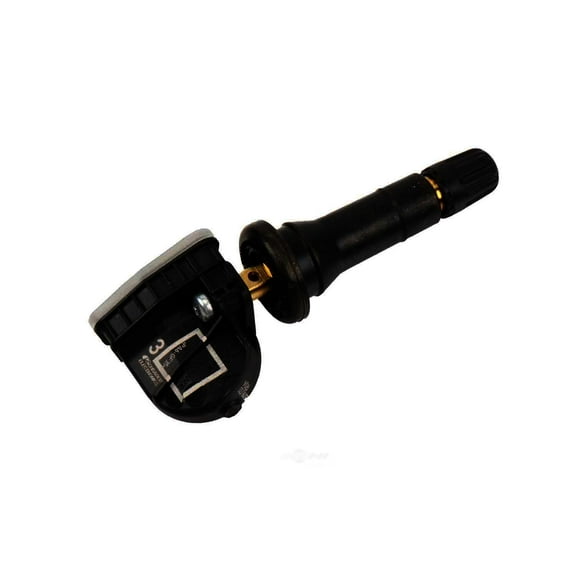
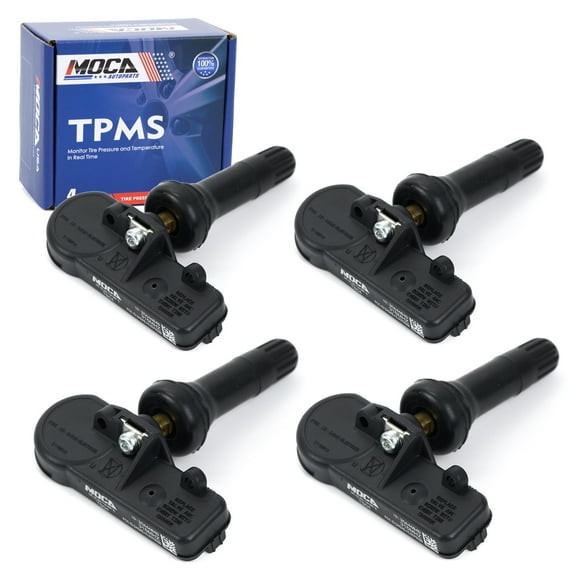
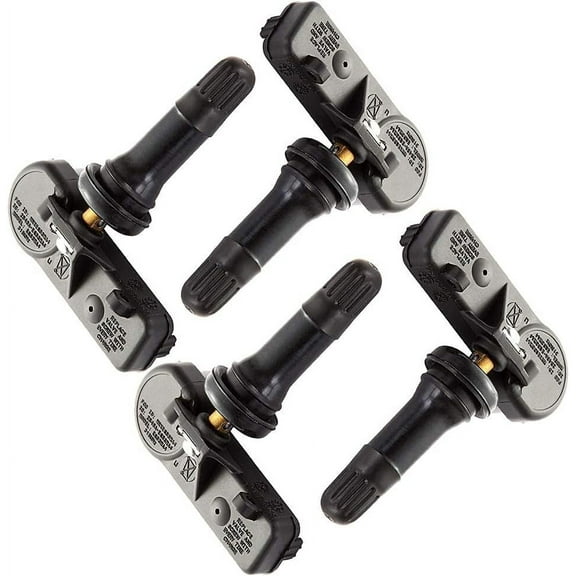
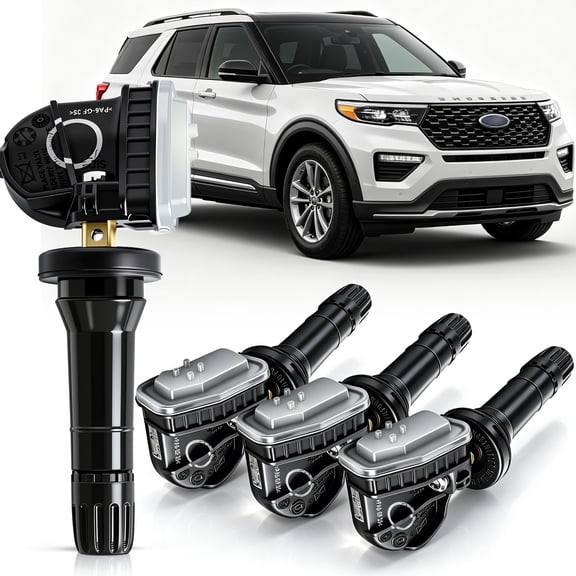
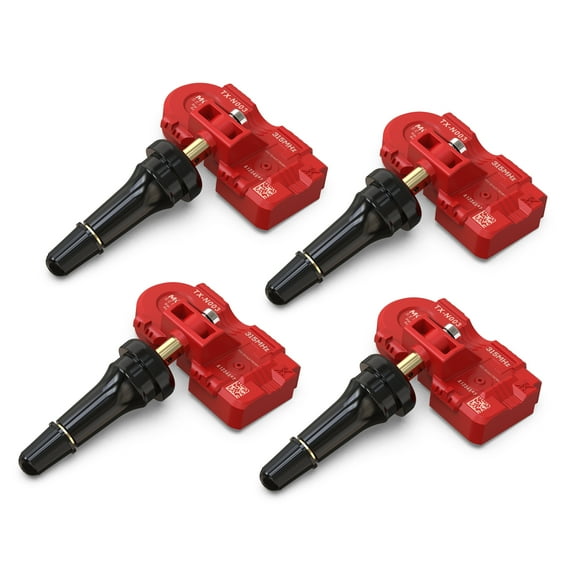
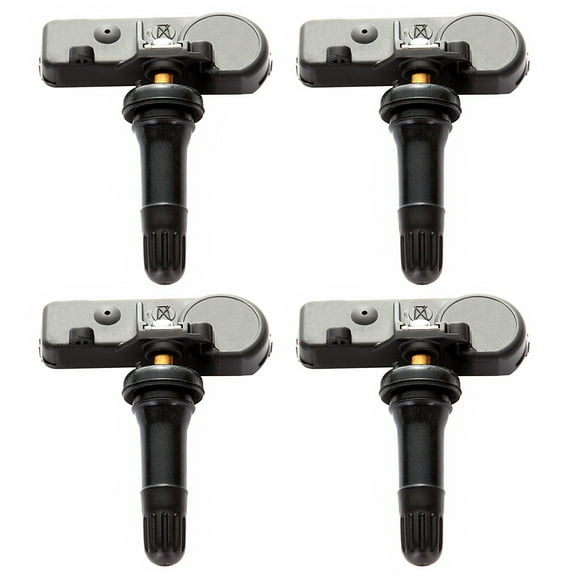
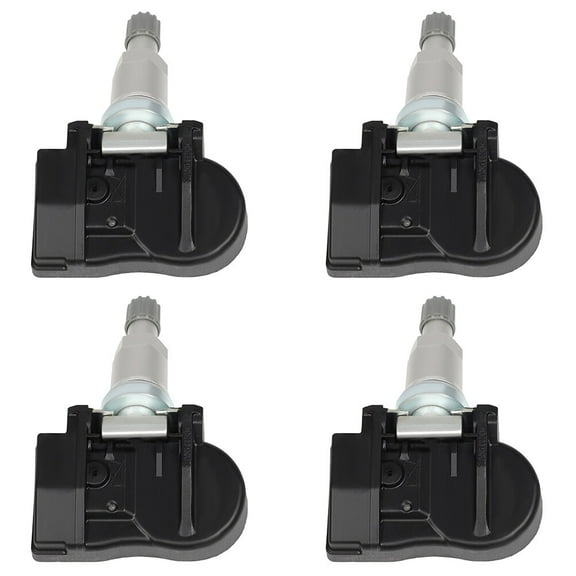
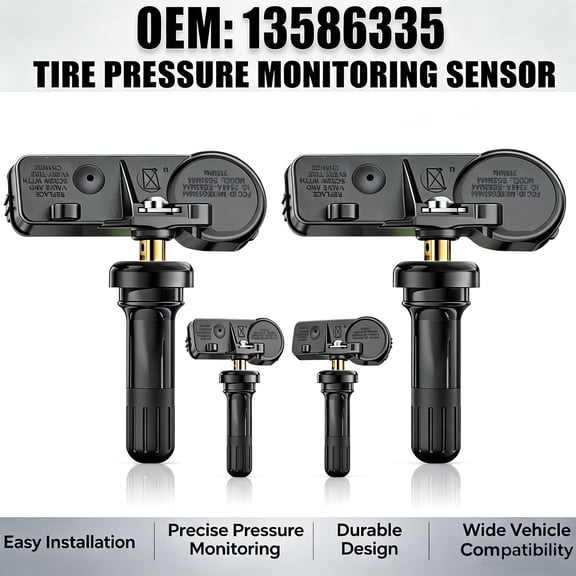
Your 2018 f150 tpms sensor choice affects fit, frequency, and relearn steps for your truck. You’ll want category guidance that matches Ford F-150 model years, wheel setups, and programming needs.
When you compare sensors here, you can focus on fitment details that matter for 2017 and 2018 trucks. You’ll also see options tied to brand, operating frequency, and OEM-equivalent replacement needs.
Choosing a 2018 ford f150 tpms sensor
You should start with vehicle compatibility before you compare any other detail. Your sensor needs to match your Ford F-150 trim, model year, and wheel configuration.
If you’re replacing a 2017 f150 tpms sensor, you should confirm the same fitment checks. Your truck may use a different sensor setup than another Ford model year.
You can narrow your search faster when you compare these decision points first. Your replacement process gets easier when you confirm fitment, frequency, and relearn expectations early.
- You can match your sensor to Ford F-150 compatibility instead of guessing across unrelated truck lines.
- You can compare 315 MHz and 433 MHz options based on your truck’s required signal frequency.
- You can check whether your replacement supports common relearn or programming steps for your wheel setup.
- You can review brand choices, including marsflex tpms sensor options and OEM-equivalent styles.
How to compare vehicle fitment and model years
You should treat vehicle compatibility as your first filter on this page. Your search becomes more accurate when you compare Ford F-150, Ford F-250, and Ford Ranger fitment labels.
For this category, you’re usually looking for F-150-specific replacement coverage. Your 2018 truck may share a year range listing like 2015-2020, but you should still verify exact fitment.
You’ll want to check model year range alongside part references when you replace a sensor. Your match may depend on the wheel package or original sensor specification.
When you compare a direct replacement with an OEM-equivalent option, you should review the stated application range. Your replacement should align with the model years listed for your truck.
Understanding 315 MHz and 433 MHz requirements
You should confirm whether your truck uses 315 MHz or 433 MHz before you order. Your TPMS system reads only the frequency designed for that vehicle setup.
This detail matters because you can’t assume every F-150 uses the same signal. Your 2018 F-150 configuration may differ based on trim, wheel package, or factory specification.
You can think of frequency as the language your truck expects from the wheel sensor. Your replacement needs the right language so the system can recognize each tire location.
When you review product details, you should look for frequency in the title or specs. Your confidence improves when you compare that number with your current sensor information.
Checking programming and relearn steps
You should also compare how your new sensor gets recognized by the truck. Your replacement may need programming, a relearn procedure, or a TPMS tool depending on the sensor style.
Some options are designed for straightforward replacement after setup steps. Your install process may still involve pairing each wheel position to the vehicle system.
You can avoid extra back-and-forth when you check programming notes before purchase. Your installer may need an activation tool, or your truck may support a simpler relearn sequence.
When you’re replacing multiple sensors, you should keep the same setup across all wheels. Your relearn process is usually smoother when the sensors follow the same compatibility path.
Comparing brand styles and OEM-equivalent options
You may prefer a specific brand based on your past replacement experience. Your options can include marsflex tpms sensor styles, Schrader choices, and OEM-equivalent replacements.
Brand comparison helps you review stated compatibility, programming approach, and included specifications. Your final pick should match the fitment details first, then your preferred replacement style.
If you want a factory-like replacement path, you should look closely at OEM-equivalent listings. Your focus should stay on frequency, fitment range, and relearn requirements rather than packaging alone.
You can use brand as a final decision point after the technical checks. Your sensor won’t work as expected if the frequency or application range is off.
What to look for in durability and battery life
You’ll want a sensor built for daily driving, changing temperatures, and regular wheel service. Your replacement should be designed for long-term use inside the wheel assembly.
Battery life matters because you likely want to avoid repeating the same repair soon. Your comparison should include construction details and intended replacement use for truck applications.
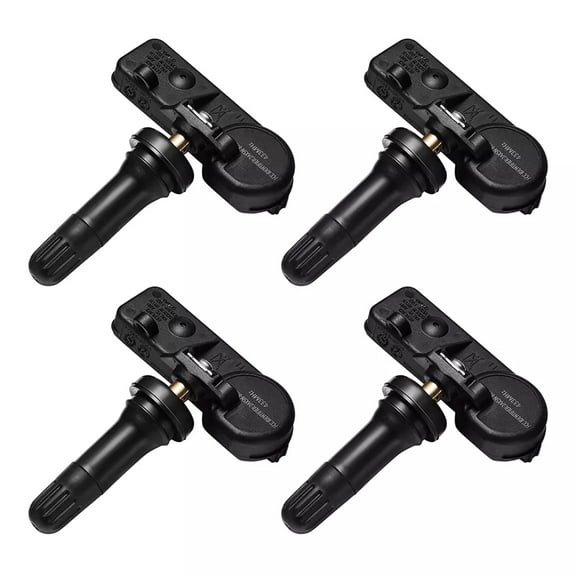
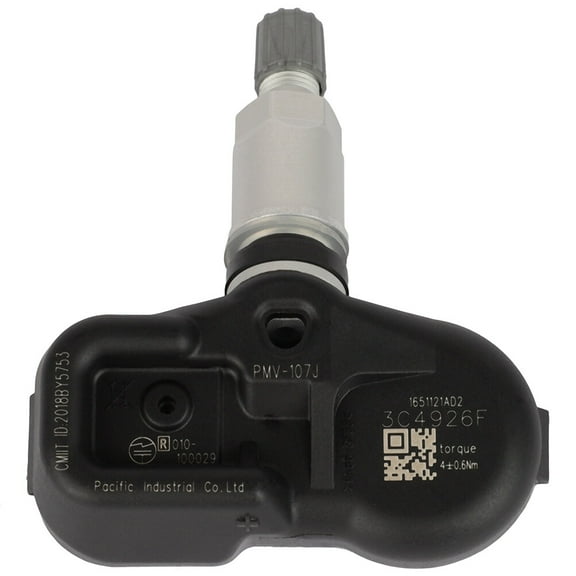
You can also review valve stem style and overall sensor design when you compare options. Your installer may prefer a format that matches your existing wheel hardware.
For active truck use, you should choose a sensor meant for repeated road miles and routine tire maintenance. Your setup benefits from parts designed for consistent signal performance.
Matching sensor choices to real F-150 needs
If you drive a 2018 F-150 for commuting and weekend hauling, you should prioritize exact fitment and simple relearn steps. Your replacement process stays easier when the frequency already matches your truck.
If you’re maintaining a 2017 model, you should compare the listed year range carefully. Your 2017 f150 tpms sensor replacement may share category options, but you still need to verify specifics.
When you manage more than one Ford truck, you should separate F-150 parts from F-250 or Ranger listings. Your accuracy improves when each sensor is matched to its exact vehicle line.
If you’re replacing one failed sensor after a tire service, you should check whether your remaining wheels use the same type. Your install plan becomes clearer when the sensor family matches across the set.
You can choose with more confidence when your 2018 f150 tpms sensor matches fitment, frequency, and relearn needs. Your truck gets a more straightforward replacement path and more dependable wheel communication.
Popular in Engine Management Sensors for Auto Replacement - Walmart.com
- Mercury Villager Engine Crankshaft Position Sensor
- Plymouth Breeze Engine Camshaft Position Sensor
- Isuzu Ascender Mass Air Flow Sensor
- Bmw 135 Manifold Absolute Pressure Sensor
- Camshaft Position Synchronizer
- Isuzu Ascender Engine Camshaft Position Sensor
- Bmw 323 Manifold Absolute Pressure Sensor
- Eccentric Shaft Sensor
- Genesis G70 Engine Camshaft Position Sensor
- Genesis G90 Engine Camshaft Position Sensor
- Cylinder Head Temperature Sensor
- Genesis G80 Engine Camshaft Position Sensor