





Auto Parts
Air Intake; Fuel DeliveryAuto FiltersBelts and HosesBatteries & AccessoriesBrakes & Brake PartsCar LightingParts by Vehicle ModelCar Safety & SecurityCharging & StartingEngine PartsExhaust PartsGasketsHeating and CoolingEngine CoolingSensors & RelaysSteering PartsSuspension PartsTransmission & DrivelineWindshield Wiper BladesShop all Auto
Shop by Category
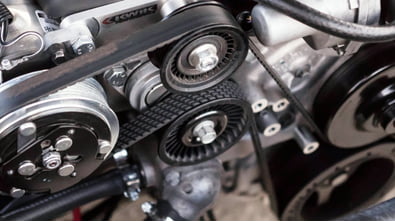
Maintain the ins & outs
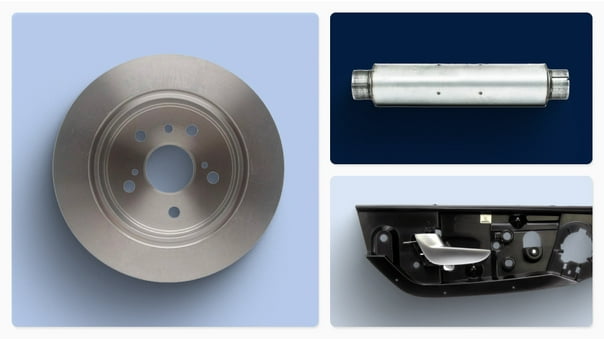
OEM & performance parts

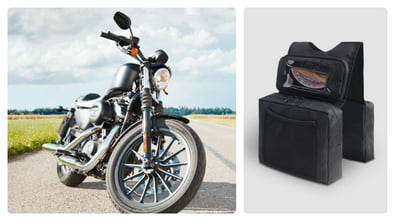
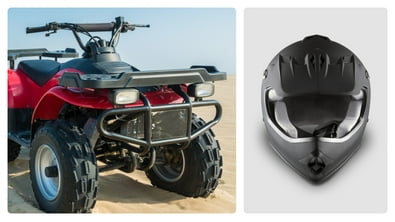
Find your next adventure
Shop by Brand







FAQ
About Auto Parts - Walmart.com
With wal mart auto parts, you can match replacement parts to your vehicle and choose pickup or delivery that fits your schedule. You can narrow options by year, make, model, engine size, and drivetrain, which helps you avoid mismatched parts.
How to choose wal mart auto parts for your vehicle
When you shop automotive replacement parts, you should start with exact fitment details before you compare brands or installation steps. You can check year, make, model, engine code, submodel, and production date to confirm the right match.
Because many trims share similar names, you should compare drivetrain type and engine size before you place an order. You can use that fitment data to sort parts that align with your vehicle’s original specifications.
If you want common maintenance items, you can compare categories like brakes and rotors, filters and spark plugs, batteries and alternators, and suspension and steering. You can move faster when your search starts with the exact system you need to replace.
Choosing parts when you want auto parts near me
When you search auto parts near me, you usually want the right part quickly and with clear availability options. You can check pickup and delivery choices while you confirm fitment, which supports faster decisions.
If you need a battery, wiper blade, air filter, or brake component soon, you can look for store pickup options tied to your selected vehicle. You can also compare shipping timing when pickup doesn’t match your schedule.
- You can confirm year, make, model, and engine details before you choose.
- You can compare pickup availability with delivery timing in one place.
- You can sort by major replacement systems, including brakes, batteries, filters, and steering parts.
- You can review OEM, aftermarket, and remanufactured options based on your repair plan.
What to look for across part categories
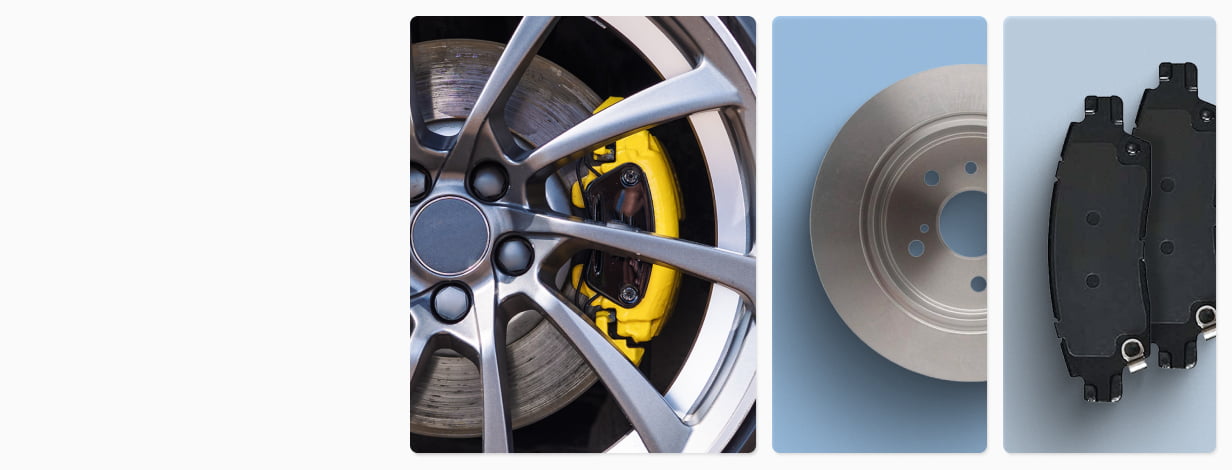
For brakes and rotors, you should check front or rear placement, rotor diameter, and pad compatibility with your trim. You can avoid extra returns when you verify those measurements before checkout.
For filters and spark plugs, you should compare engine fitment, thread size, gap requirements, and service interval expectations. You can use those details to match routine maintenance parts to your vehicle’s exact setup.
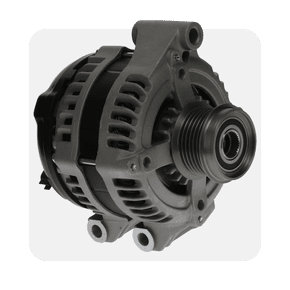
For batteries and alternators, you should look at group size, terminal position, cold cranking amps, and output rating. You can also compare mounting style and connector layout before you choose a replacement.
For suspension and steering, you should review left or right placement, front or rear fitment, and submodel compatibility. You can narrow options faster when you match those details to your vehicle record.
Comparing OEM, aftermarket, and remanufactured parts
When you compare OEM and aftermarket options, you should think about how closely you want to match factory specifications. You can choose OEM when you want original-equipment alignment, or aftermarket when you want broader compatibility choices.
If you see remanufactured parts, you should know they use restored core components prepared for another service cycle. You can consider them for systems like alternators when your application allows that format.
You should also compare warranty terms, included hardware, and fitment notes before you decide. You can make a clearer choice when those details match your repair timeline and installation plans.
Deciding between DIY and professional installation
Some autoparts work well for quick driveway jobs, while other repairs need tools, torque specs, or lift access. You should check the installation type before you choose parts for your project.
If you’re replacing cabin filters, wiper blades, or some spark plugs, you may want parts designed for simpler access points. If you’re handling steering components or alternators, you may prefer parts for planned professional installation.
When you search an auto parts store near me or car parts near me, you may also want pickup that supports same-day repair planning. You can pair local availability with your installer’s timeline, which keeps your project moving.
How local auto parts stores fit your schedule
If you compare auto parts stores and auto parts stores near me, you likely care about timing, fitment, and convenience together. You can use local pickup when you need a replacement part without waiting for a longer shipment window.
You can also plan routine maintenance ahead by ordering filters, plugs, or brake parts for a weekend install. That makes this auto parts store path useful for both urgent fixes and scheduled garage work.
When your search starts with convenience, you still need exact compatibility details to finish with confidence. You can combine local access, category filters, and fitment checks to get the part that suits your vehicle.
With the right vehicle details and part category filters, you can sort through automotive replacement parts with less guesswork. You can finish with a part choice that matches your car, your timeline, and your installation plan.
Related Links
- Shop all Car Lighting
- Bulbs
- Emergency Lights
- Fog & Driving Lights
- Headlight Bulbs, Assemblies & Harnesses
- Headlight Restoration
- Interior Car Lighting
- Lighting Accessories
- LED Car Lights
- LED Fog Lights
- LED Headlight Bulbs
- LED Interior Lights
- LED Light Bars, Mounts & Brackets
- LED Light Strips
- Motorcycle Lighting
- Rock Lights
- Side Marker Light Assemblies
- Tail Light Bulbs, Assemblies & Harnesses
- Tow Lights
- Turn Signal Bulbs
- Shop all Exterior Parts & Accessories
- Back Glass Washer Parts
- Body Kits, Side Skirts & Rocker Panels
- Bumpers & Bumper Accessories
- Car Covers and Vehicle Covers
- Car Lighting
- Car & Truck Wraps
- Exterior Door Handles, Skins & Parts
- Fenders & Fender Accessories
- Gas Caps and Fuel Doors
- Grilles, Grille Guards & Bull Bars
- Hoods & Hood Accessories
- Horns
- Mud Flaps & Splash Guards
- Nerf Bars & Running Boards
- Racks, Cargo Carriers & Ratchet Straps
- Side View & Towing Mirrors
- Spoilers & Wings
- Tailgates and Tailgate Parts
- Towing Hitches, Winches & Accessories
- Truck Bed Accessories
- Truck Tool Boxes
- Trunk Parts
- Window Visors & Bug Deflectors
- Windshield Parts
- Shop all Interior Parts & Accessories
- Carpets & Carpet Kits
- Consoles, Console Parts & Accessories
- Dash Caps, Dashboard Covers & Rear Deck Covers
- Dashboards & Dashboard Parts
- Floor Mats & Liners
- Gauges, Instrument Clusters, Mounts & Hardware
- Headliners
- Interior Car Lighting
- Interior Door Handles, Door Panels & Door Parts
- Interior Heating & Cooling Parts
- Interior Trim Panels & Trim Kits
- Lift Supports & Components
- Pedals & Pedal Covers
- Performance Interior Accessories & Safety Equipment
- Rear View Mirrors
- Seat Covers
- Seats & Seat Parts
- Shifters, Shift Knobs & Shift Boots
- Steering Wheels & Columns
- Sun Visors
- Switches
- Weatherstrip & Seals
- Window Parts & Accessories
- Other Interior Car Accessories
- Shop all Performance Parts
- Gauges & Monitoring
- Performance Brakes & Accessories
- Performance Computer Tuning
- Performance Cooling and Heating
- Performance Engines and Components
- Performance Exhaust Parts
- Performance Fittings and Hoses
- Performance Fuel, Carburetors and Intakes
- Performance Ignition and Electrical
- Performance Steering & Suspension
- Performance Transmission & Drivetrain
- Shop all Wheels and Rims
- Aftermarket & Performance Wheels and Rims
- ATV Wheels and Rims
- Hubcaps
- Jeep Wheels and Rims
- OEM Wheels and Rims
- Off-Road Wheels and Rims
- Offset Wheels and Rims
- Shop Wheels and Rims by Brand
- Shop Wheels and Rims by Color
- Shop Wheels and Rims by Material
- Shop Wheels and Rims by Size
- Trailer Wheels and Rims
- Truck Wheels and Rims
- Wheel Accessories