




Attractants & Scent Eliminators in Hunting




















About Attractants & Scent Eliminators in Hunting - Walmart.com
You can improve your setup with hunting scent options that match your stand location, target species, and scent-control routine. You’ll find attractants, cover scents, and eliminators that support smarter choices before you head into the field.
When you compare this category, you’re not choosing one simple formula for every hunt. You’re choosing between doe estrus lure, earth cover scent, scent killer spray, and species-specific attractants that fit your conditions.
How to choose hunting scent by product type
You should start by deciding whether you need a scent eliminator, attractant, cover scent, or lure. You’ll use each type differently, and your results depend on matching the product type to your plan.
If you want hunting scent control, you’ll usually look for scent eliminator for hunting gear, clothing, boots, and accessories. If you want to influence animal movement, you may choose a deer attractant, lure, or cover scent.
You can use this category to compare the main roles quickly before you commit. You’ll often narrow your choice faster when you focus on how and where you plan to apply it.
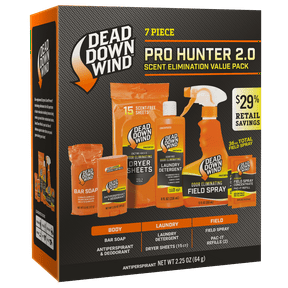
- You can use scent eliminators on clothing, packs, boots, and hunting accessories.
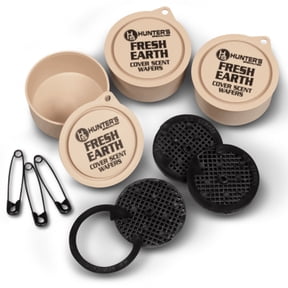
- You can use cover scents like pine or earth when you want surrounding smells to blend naturally.
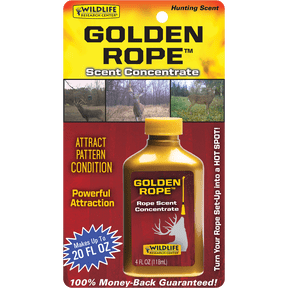
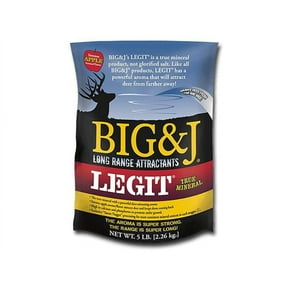
- You can use attractants and lures when you want to place scent near trails, scrapes, or feeding areas.
- You can match formulas to whitetail deer, elk, hog, or bear for more targeted placement.
Choosing a scent eliminator for hunting and scent control
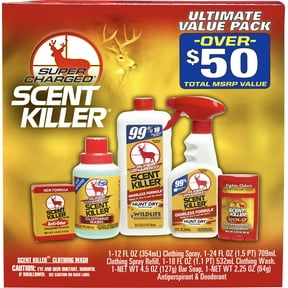
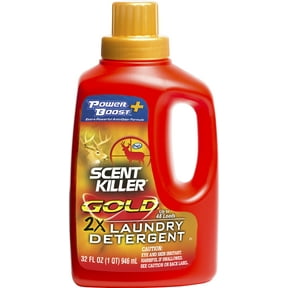
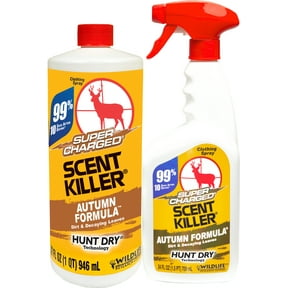
You should compare scent killer spray options by where you’ll use them and how often you reapply. You’ll usually want easy coverage for jackets, pants, gloves, packs, and boots.
If your routine starts at home, you may prefer sprays that fit into pre-hunt gear prep. If your routine continues at camp or in the truck, you may want compact bottles for quick touchups.
You can also compare cover scent options when you hunt areas with strong natural ground cover. You’ll often choose earth or pine profiles when you want your setup to match timber, brush, or leaf-heavy terrain.
When wind shifts or rain moves through, you should check whether your hunting scent control plan needs another application. You’ll usually get steadier coverage when you layer eliminators on gear and add cover scent near setup time.
How to compare deer attractant and lure options
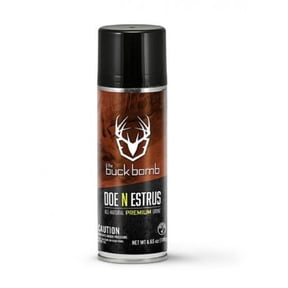
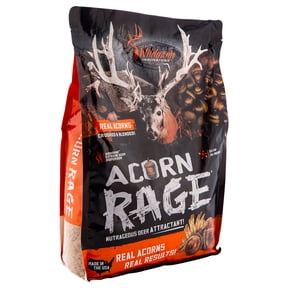
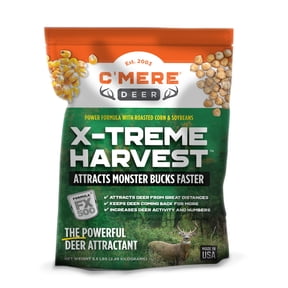
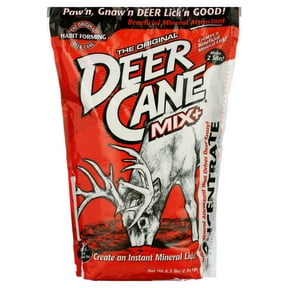
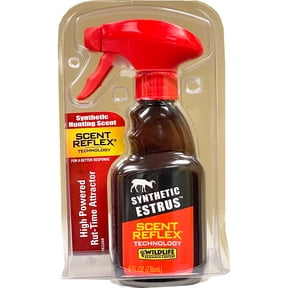
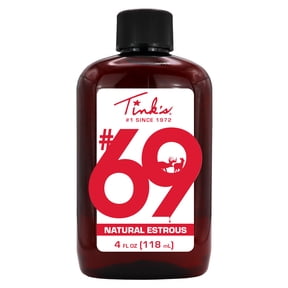
You should choose a deer attractant based on season, location, and the kind of sign you’re hunting. You may look for doe estrus lure during rut-focused setups or food-style scents around travel corridors.
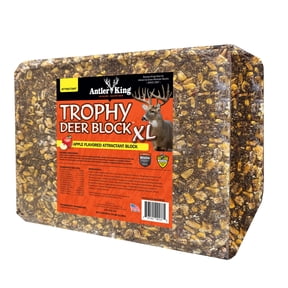
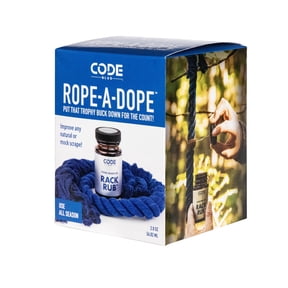
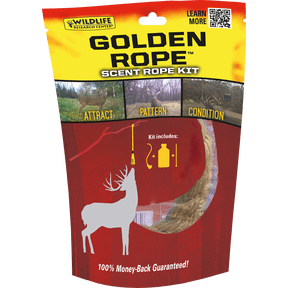
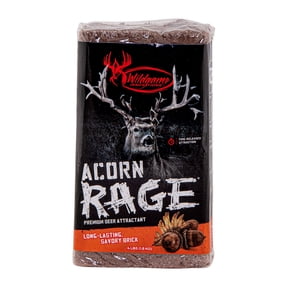
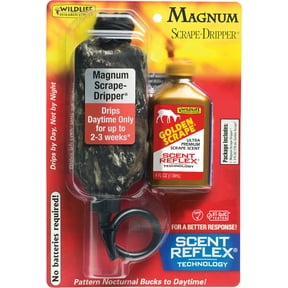
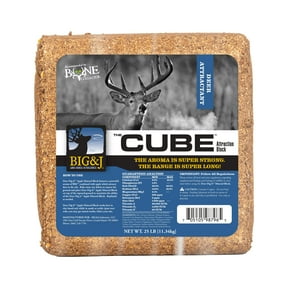
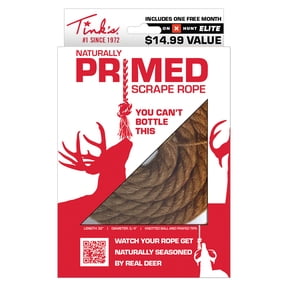
If you’re building a mock scrape, you may prefer liquid scents used with a scent dripper or drag rag. If you’re setting a longer-lasting spot, you might compare blocks, gels, or liquids meant for repeated visits.
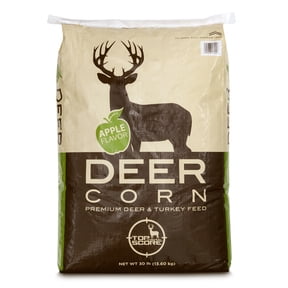
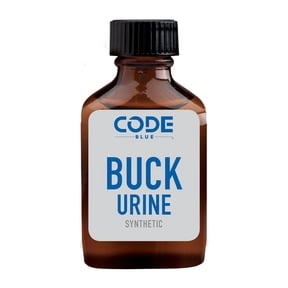
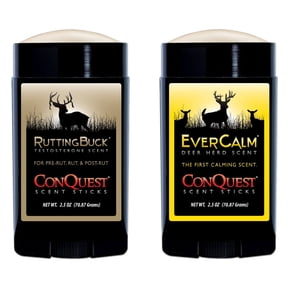
You can also compare scent profiles like buck urine, doe estrus, apple, earth, or pine. You’ll want the profile to fit the behavior you’re targeting instead of relying on a random scent choice.
When you hunt species beyond deer, you should compare formulas built for elk, hog, or bear activity. You’ll usually see stronger relevance when the target species matches the scent style and placement method.
What form and application method fit your setup
You should compare spray, liquid, powder, block, and gel forms by how long you need the scent to stay active. You’ll also want to consider how much ground you plan to cover.
Spray formats often suit fast application on outerwear, blinds, and accessories before daylight. Liquid options often fit scent drippers, drag rags, and scrape setups where you want a defined scent trail.
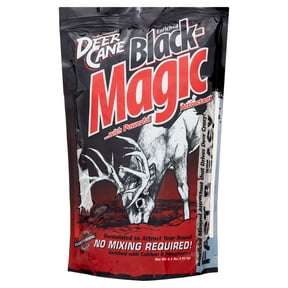
Powder forms can help you place scent in a controlled area without soaking nearby surfaces. Blocks and gels can make sense when you want longer placement at a fixed spot.
You should also think about application method before you choose a formula. You’ll want field spray for quick coverage, a dripper for timed release, a drag rag for trails, or broadcasting for wider placement.
Matching hunting scent to weather and target species
You should plan for rain, wind, and changing temperatures when you choose hunting scent products. You’ll often need different forms when you hunt exposed fields, wet timber, or windy ridges.
If you expect wet conditions, you may compare heavier liquids, gels, or blocks that hold placement longer. If you expect frequent movement, you may prefer sprays and portable bottles that support quick reapplication.
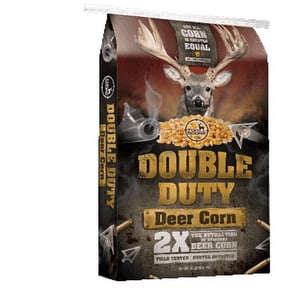
You can also match your selection to species behavior and common setups. You may use whitetail deer scents near scrapes, elk scents along travel routes, or hog attractants near feeding zones.
Before your next hunt, you should compare product type, form, species target, scent profile, and application method together. You’ll make a more useful choice when your hunting scent fits the terrain, weather, and stand strategy.