

Outdoor Clothing and Rain Gear for Camping













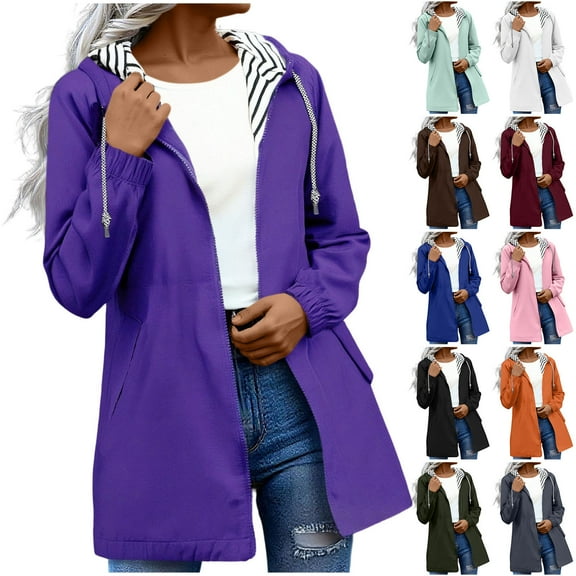


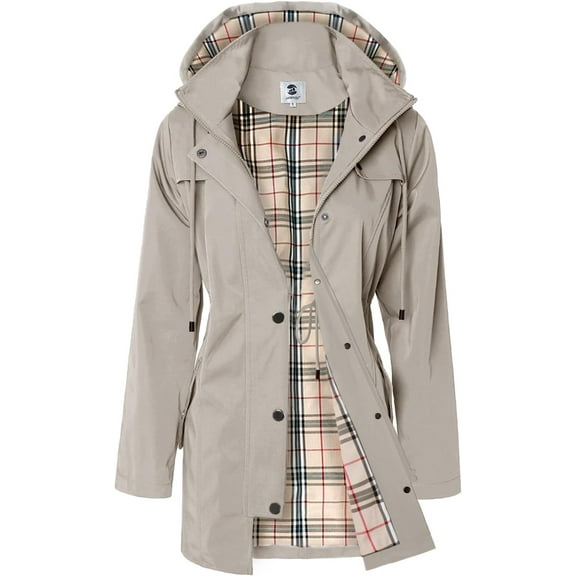


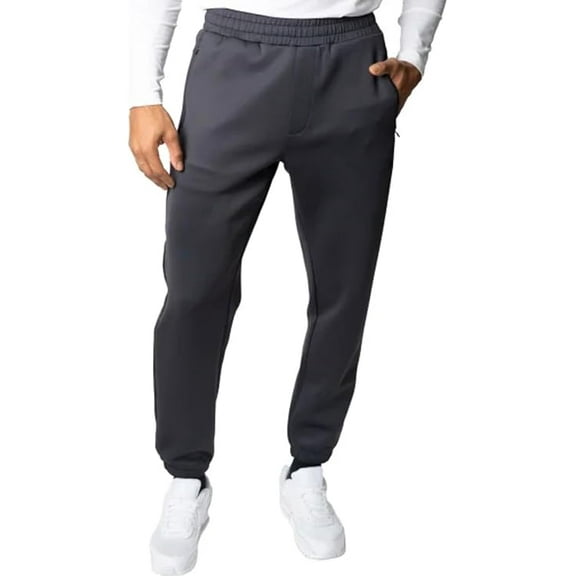


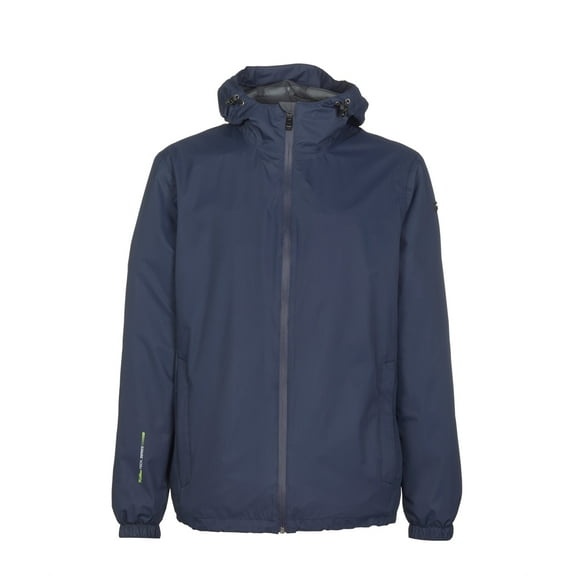


























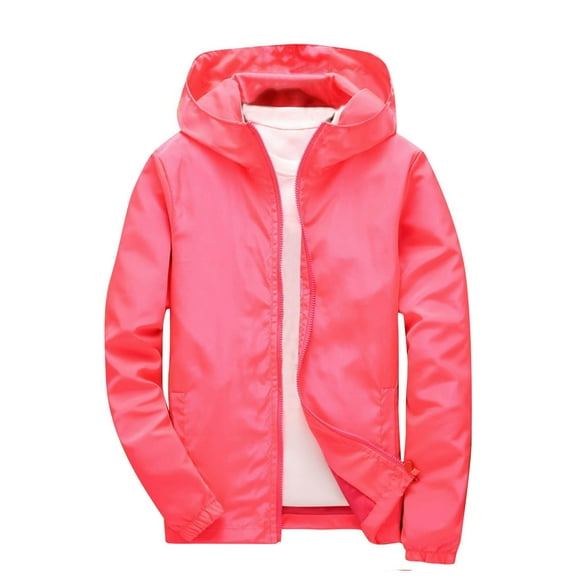






About Outdoor Clothing and Rain Gear for Camping - Walmart.com
Outdoor clothing helps you handle changing trails, campsites, and forecasts with less guesswork. You can compare layers, materials, and weather protection here, so your camping clothes match real outdoor plans.
How to choose outdoor clothing for your trip
When you shop outdoor clothing, you should start with your weather, activity, and packing space. You can build an efficient kit by comparing base layers, mid layers, outerwear, and pants.
If your trip includes long walks, you may want hiking clothing that dries fast and moves easily. If your trip centers on camp chores, you may prefer durable camping gear clothing with roomy fits.
You can also narrow choices by fabric and fit before you compare colors or styling. That step helps your outdoor apparel work harder across changing temperatures and uneven terrain.
Choosing materials for hiking clothing and camping clothes
You should compare synthetic, merino wool, fleece, and cotton blend fabrics by how you’ll use them. Each option gives your hiking apparel a different balance of warmth, drying speed, and feel.
- You can often choose synthetic fabric when you want quick drying and moisture-wicking performance on active hikes.
- You may prefer merino wool when you want soft layering pieces that handle cool mornings and variable temperatures.
- You can pick fleece when you want lightweight warmth in a mid layer for camp and trail breaks.
- You might select cotton blend pieces when you want casual comfort for campground setups and shorter outings.
If you backpack, you may lean toward lighter fabrics that won’t weigh down your pack. If you car camp, you can consider heavier pieces that feel rugged around the fire ring.
You should also think about breathability when you compare hiking clothes material options. That choice helps your layers feel less clammy during climbs, fast walks, and gear setup.
Comparing weather resistance in outdoor apparel
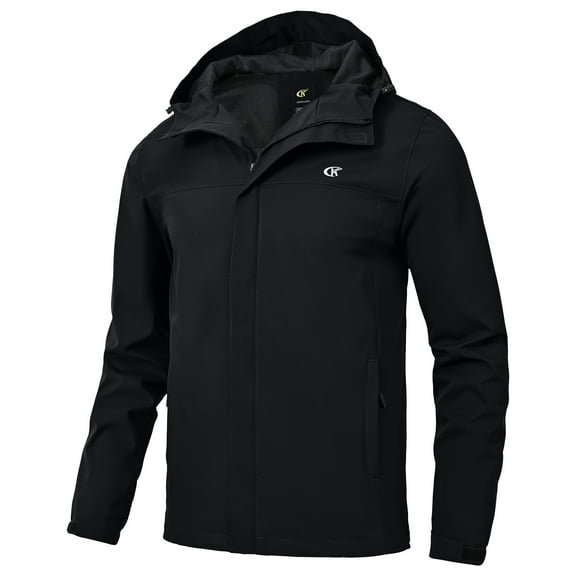
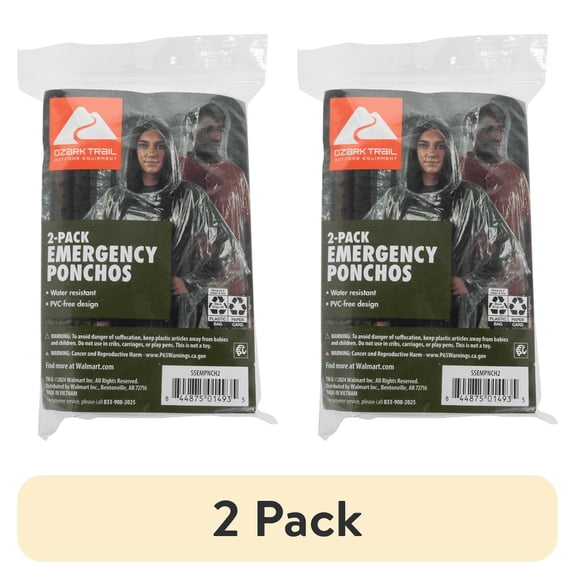
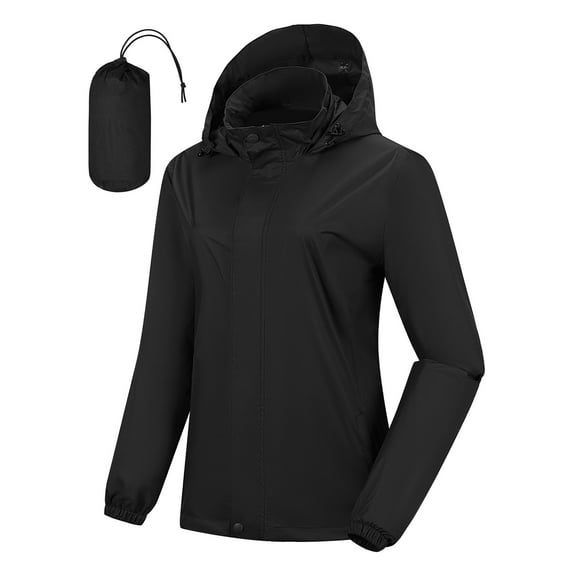
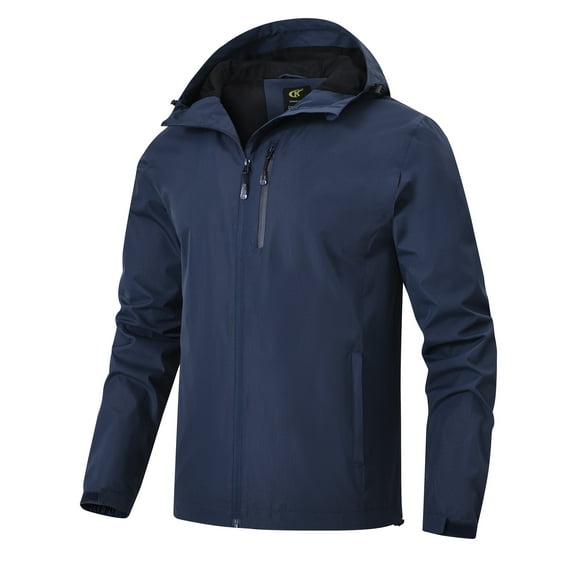
You should match weather resistance to forecast changes, trail exposure, and trip length. Waterproof outdoor clothing can help you stay focused when rain moves in during a hike or campsite setup.
When you compare shells, you may notice waterproof ratings listed in millimeters. Higher mm ratings usually mean your jacket or pants resist heavier rain for longer periods.
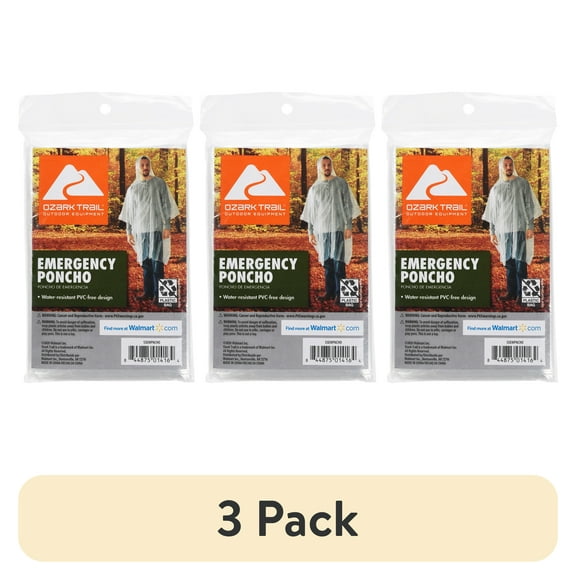
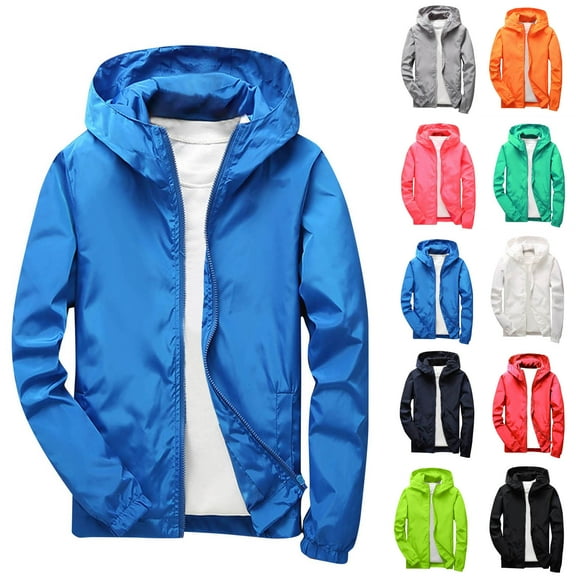
You can also look for water-resistant pieces when you expect light showers or damp mornings. That option often feels lighter and packs smaller for mixed conditions.
Windproof panels matter when you’ll face ridgelines, open water, or cold evening gusts. UPF sun protection matters when your route includes exposed trails, lakeshores, or long fishing sessions.
Understanding layering outdoor clothes
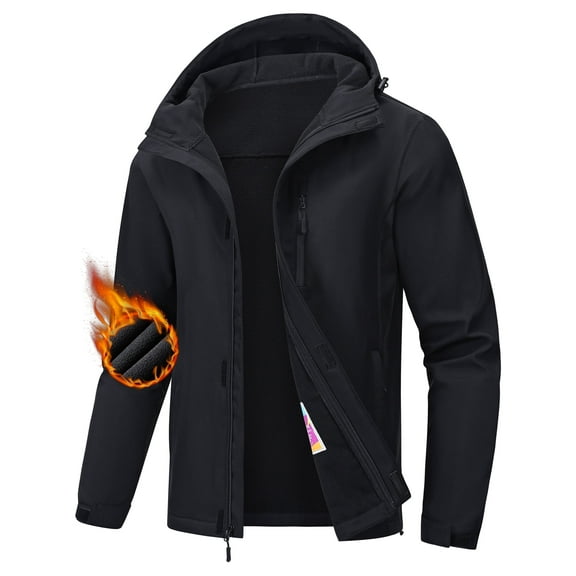
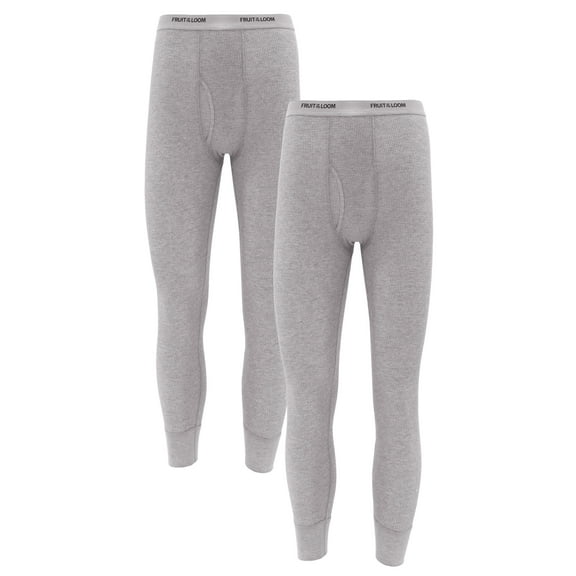
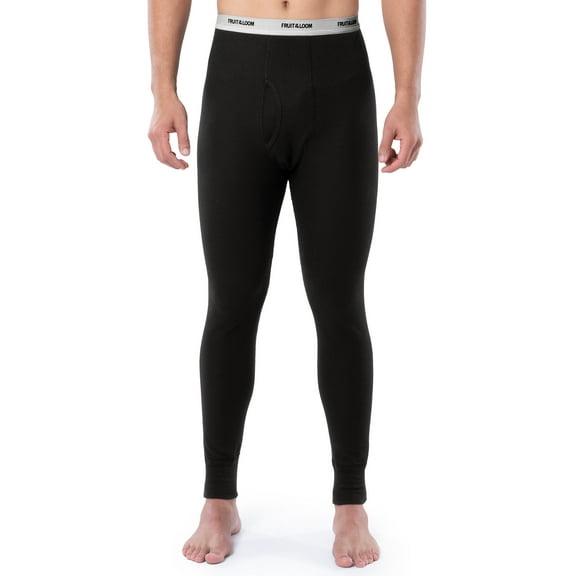
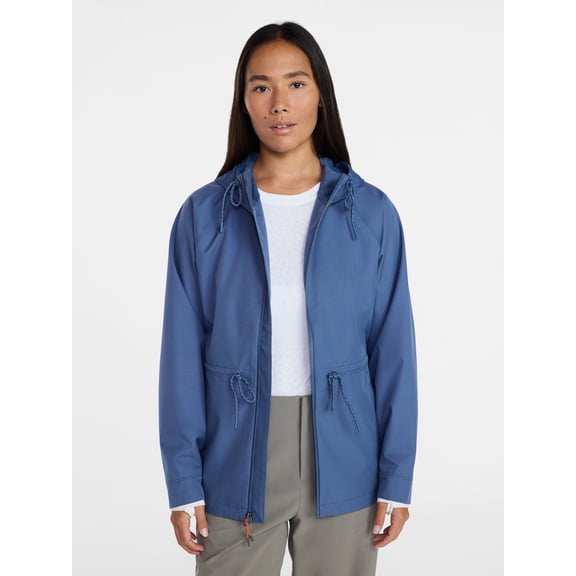
You can build layering outdoor clothes systems by giving each piece a clear job. Your base layer manages moisture, your mid layer adds warmth, and your outerwear blocks rain or wind.
For cool mornings, you might start with a synthetic or merino base layer under fleece. As temperatures rise, you can remove one layer without losing comfort or mobility.
You should check whether your layers fit together without bunching at the shoulders or waist. That detail matters when you carry a pack, bend at camp, or reach overhead.
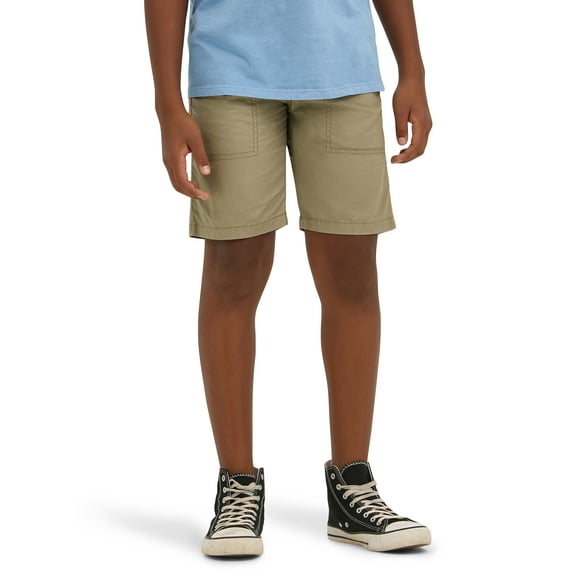
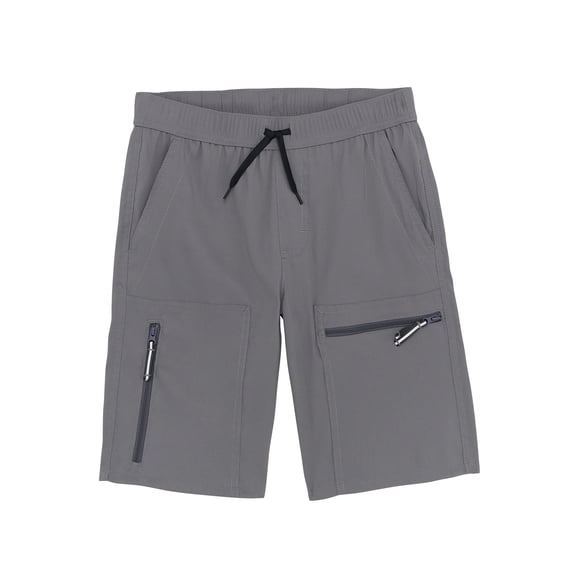
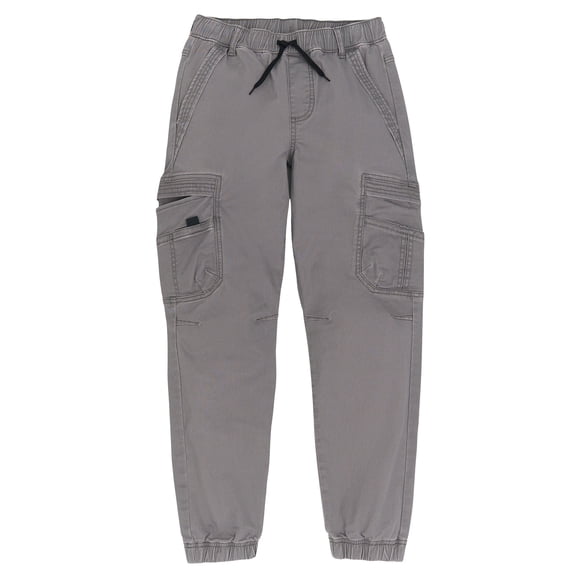
Pants also play a role in your layering plan, especially on longer trips. You may want lightweight hiking pants for movement, or lined options for cold weather camping gear.
Picking fit types and activity-specific camping clothing
You should compare regular fit, athletic fit, and loose fit styles by movement and layering room. Your fit choice can change how easily you climb, crouch, cast, or wear extra layers.
Regular fit works well when you want everyday versatility across camping, hiking, and travel. Athletic fit can feel closer to the body, which helps when you’re layering under shells.
Loose fit gives you extra room for relaxed campground wear and thicker cold-weather layers. You may also appreciate that room when your day includes sitting, lifting coolers, or setting tents.
If you hike, you may want articulated knees, stretch panels, or lighter fabrics for easier strides. If you fish, you may focus more on sun coverage, wind protection, and pocket access.
Using outdoor clothing across seasons and trips
You can use summer hiking clothes that breathe well and offer sun coverage on exposed paths. You may switch to fleece mid layers and weather-ready shells as overnight temperatures drop.
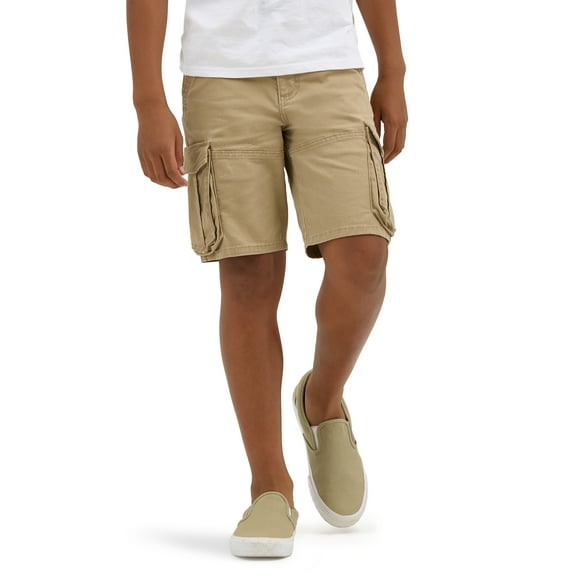
For backpacking, you should look for lighter layers that compress neatly in limited pack space. For campground weekends, you can choose rugged pants and outerwear built for repeated wear.
If your plans include dawn starts and cool evenings, you can benefit from flexible layering instead of one bulky piece. That setup lets your clothing adapt from trail miles to camp downtime.
You can also coordinate your clothing with other essentials like hiking boots, sleeping bags, and tents. That approach helps your full setup feel more prepared for changing outdoor conditions.
With the right outdoor clothing, you can handle shifting weather, activity changes, and layering needs with less guesswork. You can feel more prepared when your fabrics, fit, and protection match the way you camp or hike.