





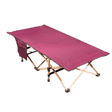
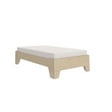

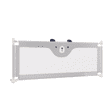




All Toddler Beds in Toddler Beds

















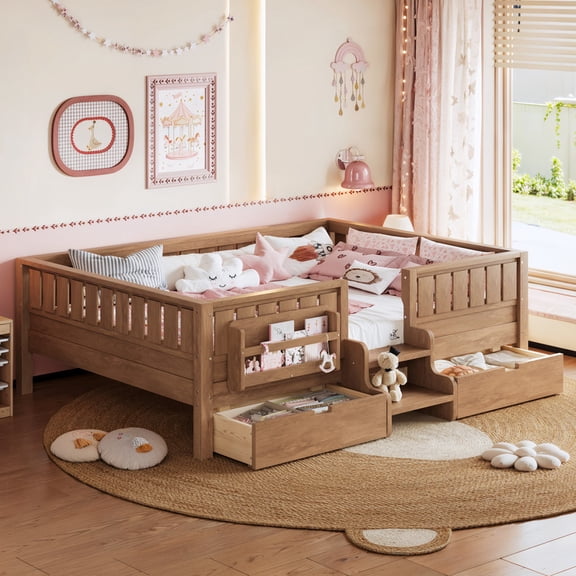


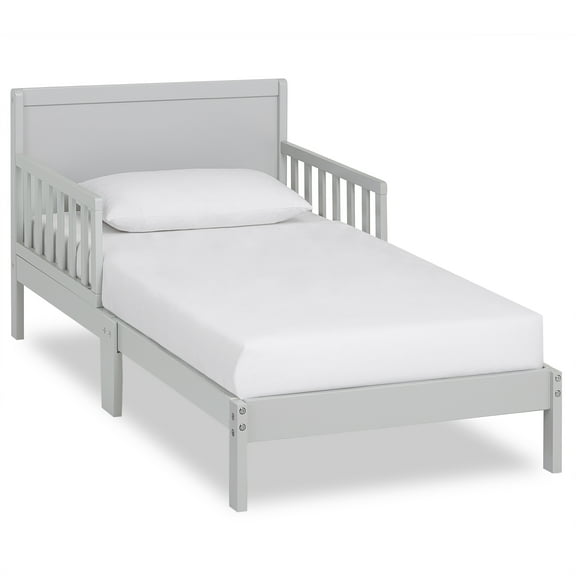


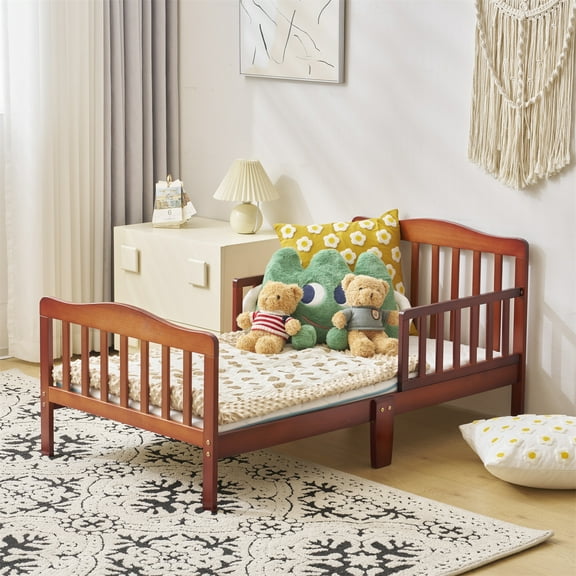


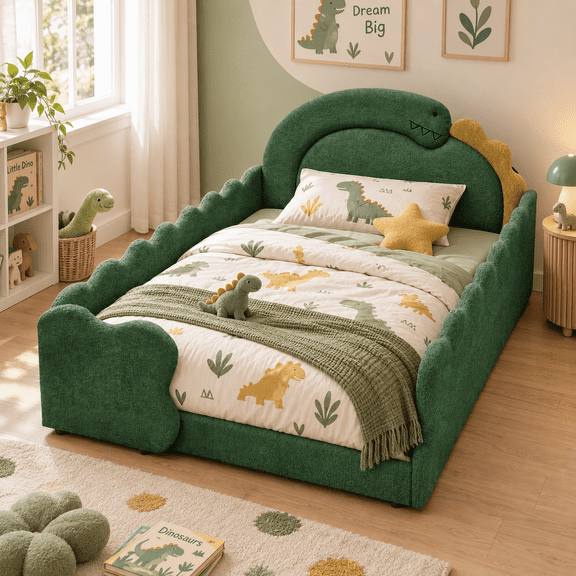


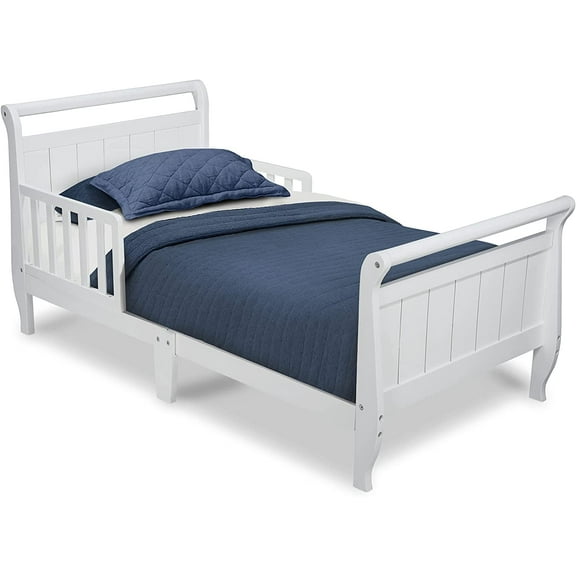
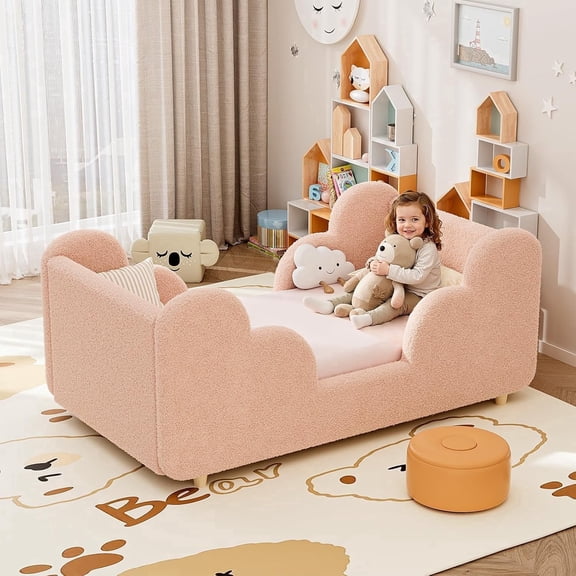
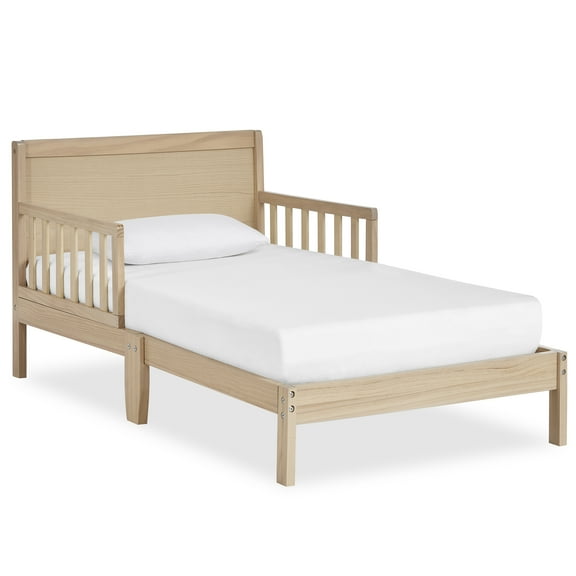


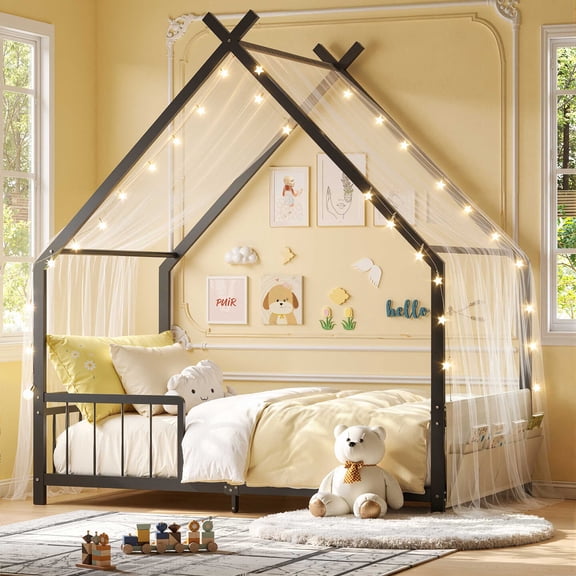

















About All Toddler Beds in Toddler Beds - Walmart.com
Toddler beds help you create a smoother crib-to-bed transition with low-to-the-floor designs, guardrails, and sizes made for growing sleepers. You can compare toddler transition beds by safety features, mattress fit, and styles that suit your room.
How to choose toddler beds for your space
You'll usually start with bed size and type, because that choice shapes mattress fit and room layout. You can pick a standard toddler bed, a convertible crib setup, or a twin option for longer use.
If you want to reuse a crib mattress, you should look for a standard toddler bed or a compatible convertible crib. If you want extra room for growth, you may compare a twin bed with rails or a low profile frame.
You can also measure floor space before you choose. You'll want enough room for walking space, bedtime routines, and nearby storage like dressers or toy bins.
Choosing toddler beds with rails and safety details
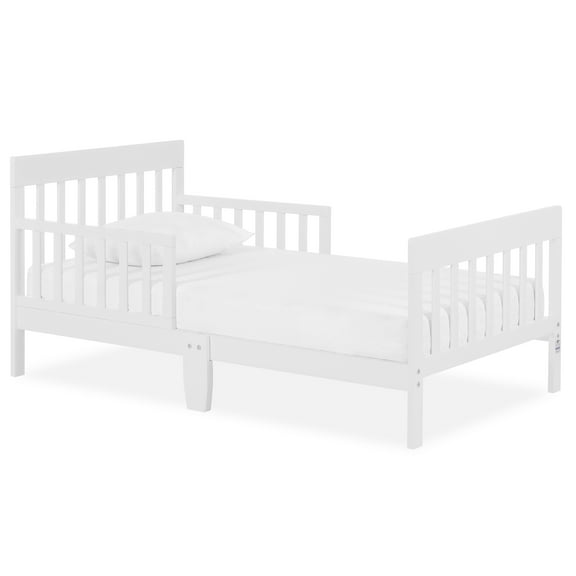
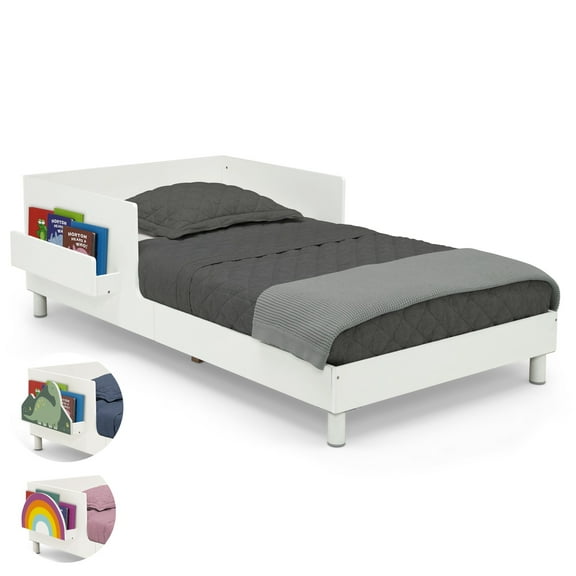
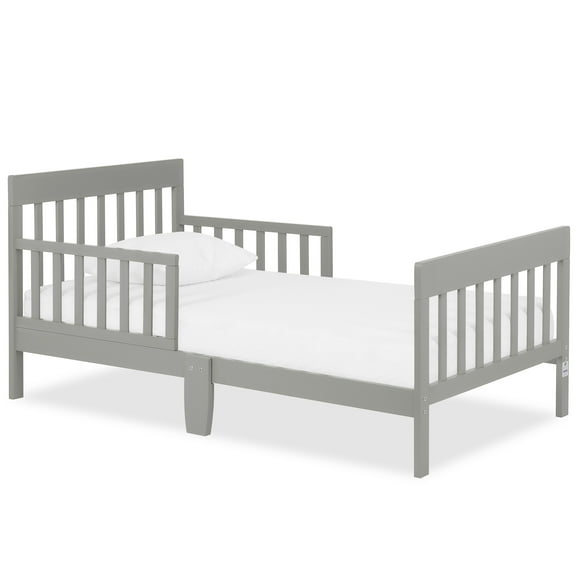
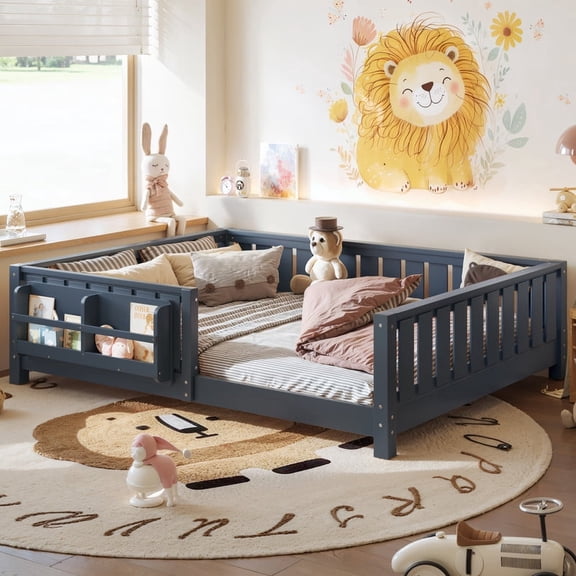
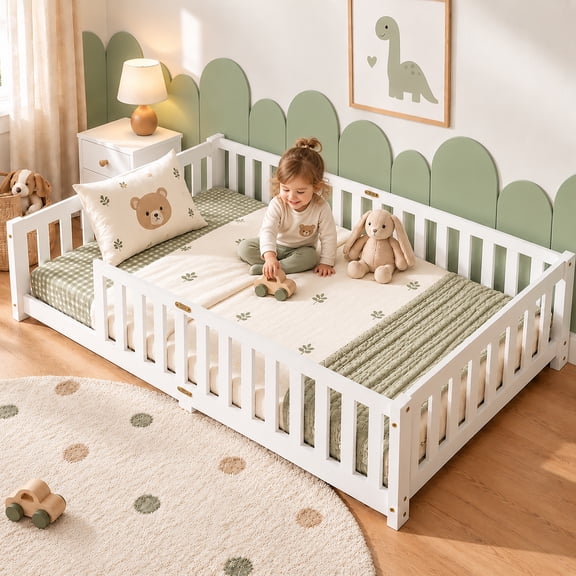
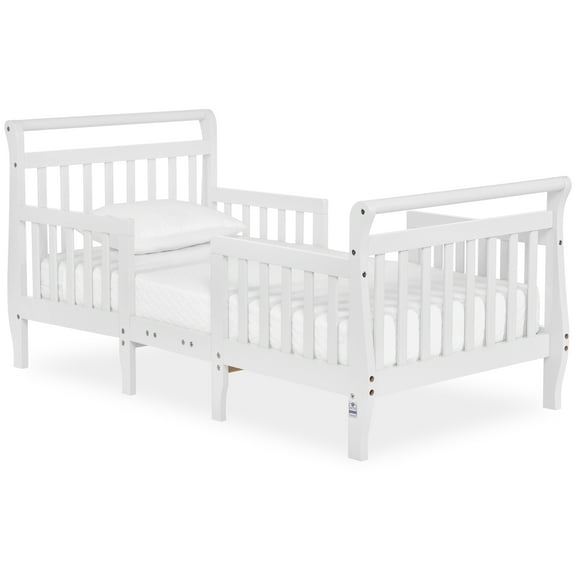
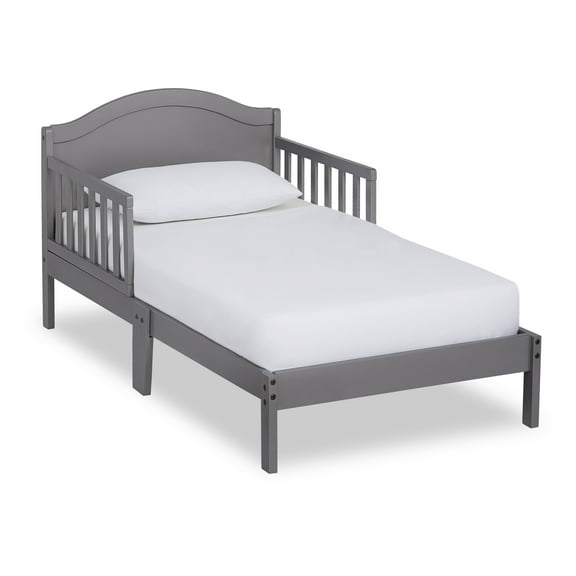
You should look for built-in guardrails, because they help frame the sleep space during early transitions. You'll also want a low-to-the-floor design that supports easier climbing in and out.
If safety standards matter in your decision, you can check whether a frame lists JPMA certification. You should also review weight limits, because that number helps you match the bed to everyday use.
Rounded edges can matter when you want a softer profile in busy rooms. You'll also notice that a stable frame and secure rail placement can make setup choices easier.
- You can look for guardrails on both sides for added sleep-space definition.
- You should check weight limits to confirm the bed fits your child's current stage.
- You can compare low-height frames if you want easier entry and exit.
- You may check finish details and edge shape when you want a smoother look.
Comparing materials in wooden toddler beds and other frames
You can narrow your options faster when you compare materials by daily use, cleanup needs, and room style. You'll often see solid wood, plastic, metal, and upholstered designs across this category.
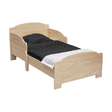
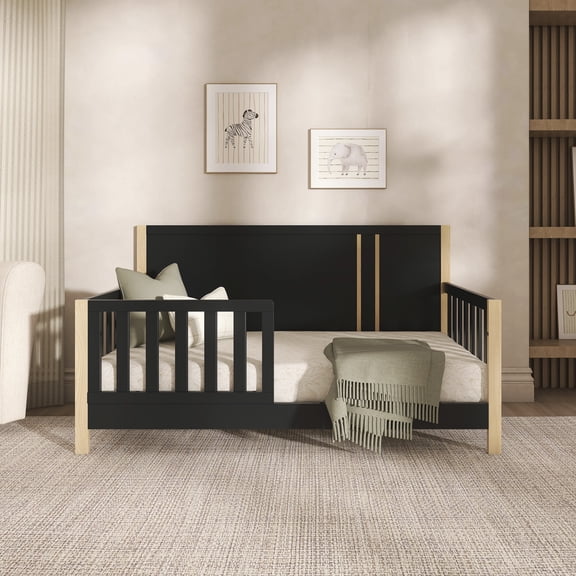
If you want a classic look, you may prefer wooden toddler beds with visible grain or painted finishes. If you want a lighter frame for occasional room changes, you might consider plastic or metal.
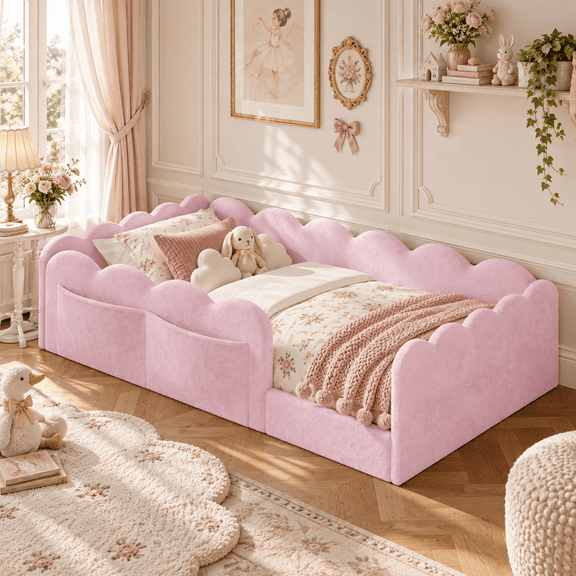
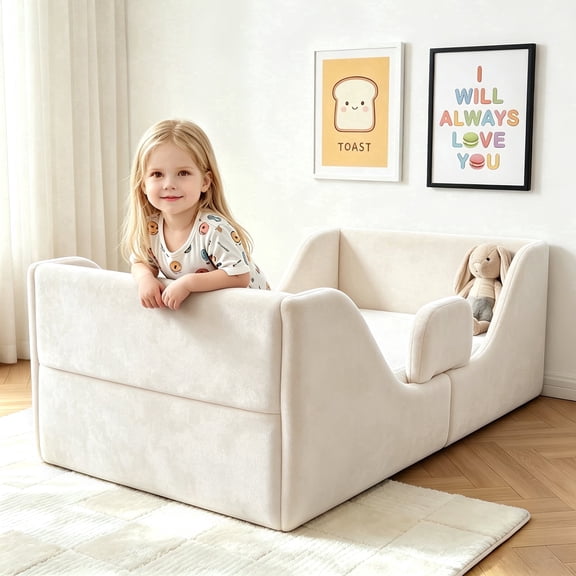
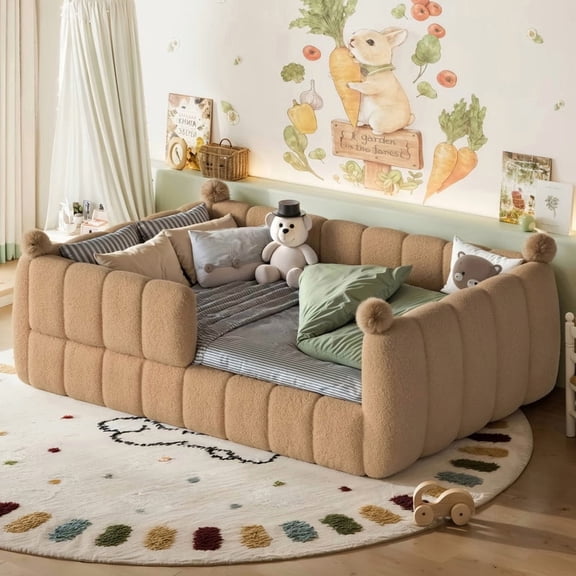
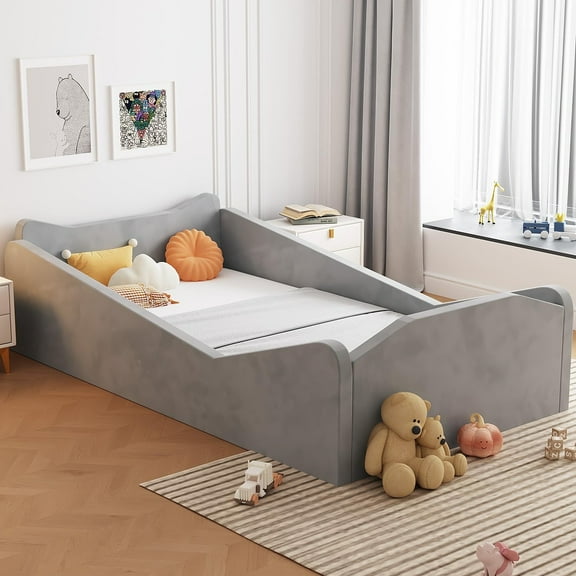
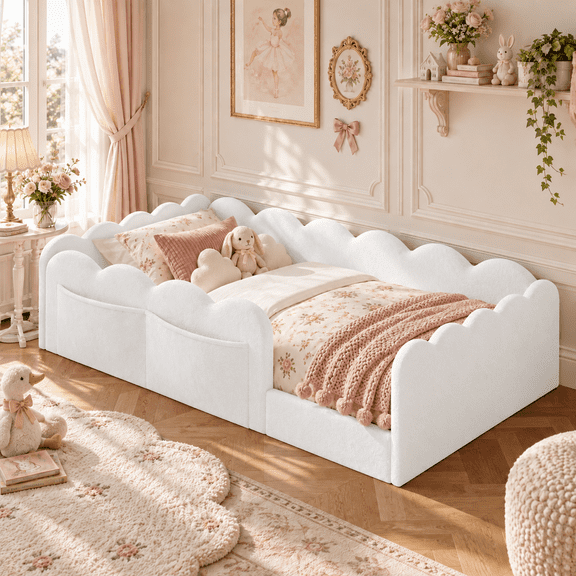
Solid wood can feel substantial, and you may like it for nursery furniture that coordinates across the room. Upholstered designs can add a softer look, while you should check cleaning instructions before choosing one.
Assembly can also shape your decision. You'll want to compare hardware style, rail attachment points, and the number of steps if you prefer a simpler setup.
Matching mattress compatibility and transition needs
You should confirm mattress compatibility before you choose a frame, because fit affects convenience and overall setup. You'll often find toddler bed frames designed for a standard crib mattress.
If you already have a crib mattress, you can choose a toddler transition bed that uses that same size. If you're moving straight to a twin, you should verify rail compatibility and overall bed height.
You may prefer toddler bed frames when you want a smaller footprint and a familiar sleep surface. You might prefer a twin when you want fewer future room changes and more open sleep space.
Transition timing can feel easier when you match the bed to your child's routine. You'll often see low to the floor toddler beds used for bedtime independence and easier nightly movement.
Picking styles and themes that fit your room
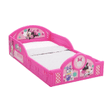
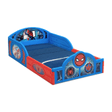
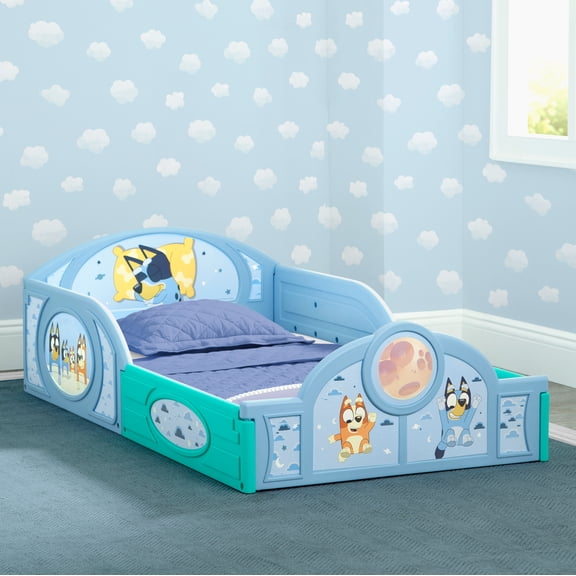
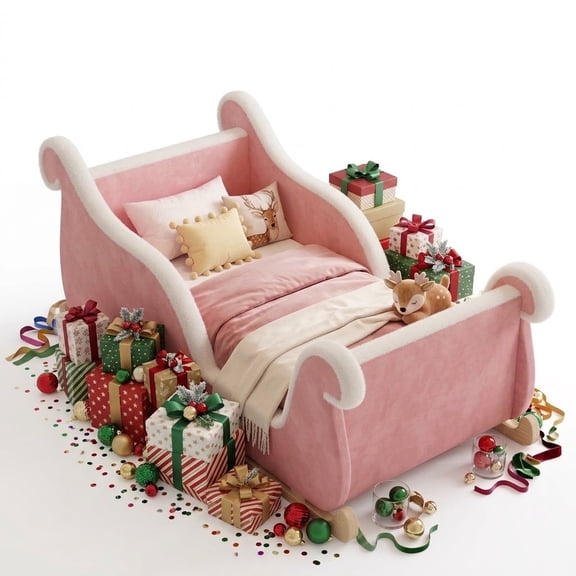
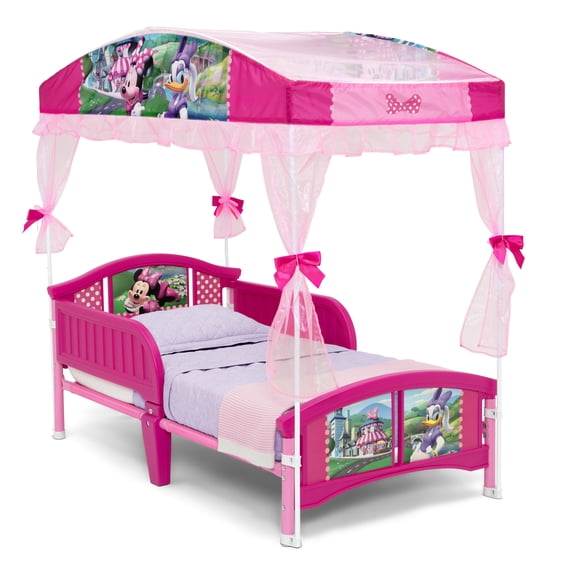
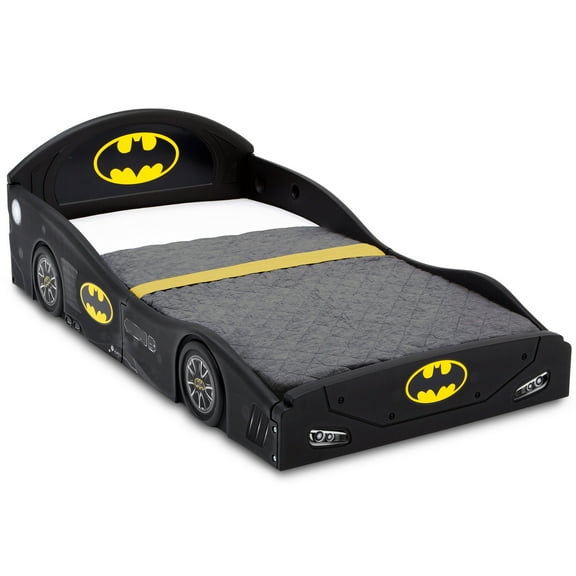
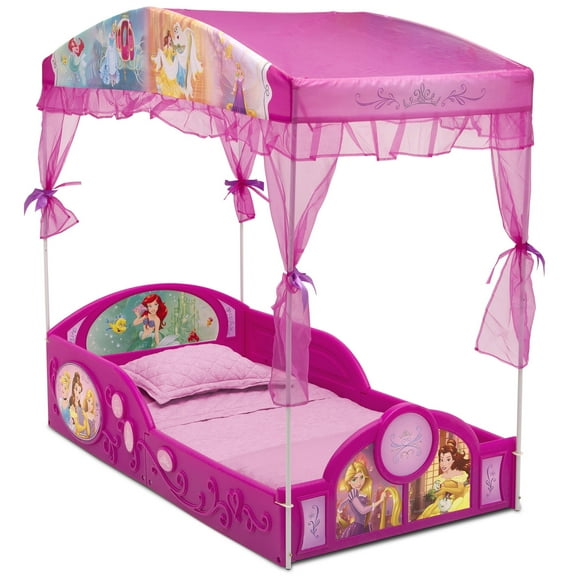
You can use style as a practical decision, not just a decorating choice. Character toddler beds may help create a familiar bedtime setting, while neutral styles can blend with changing decor.
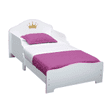
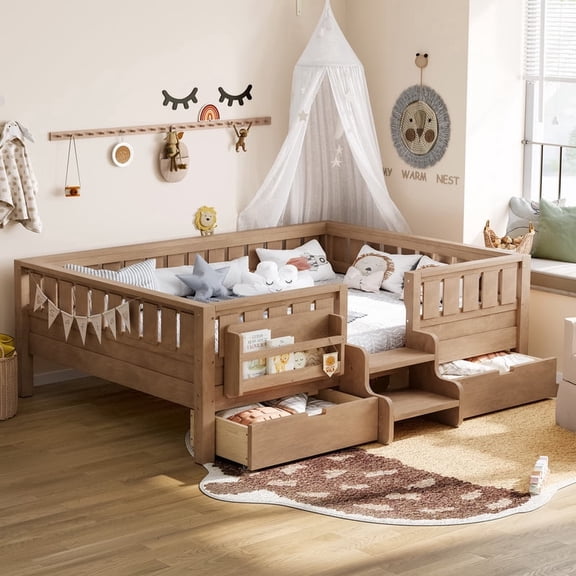
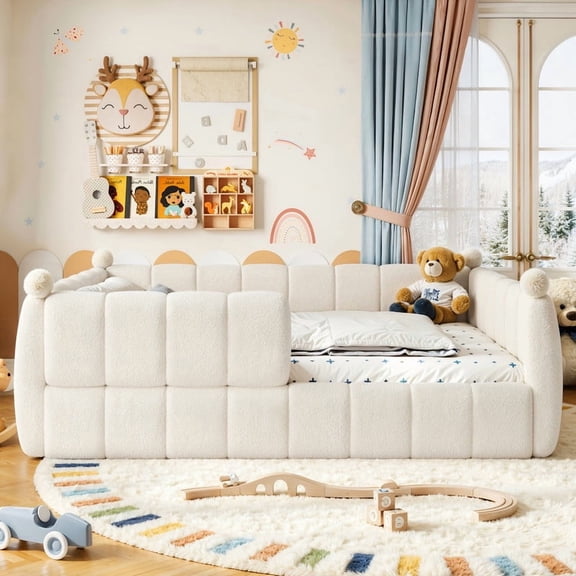
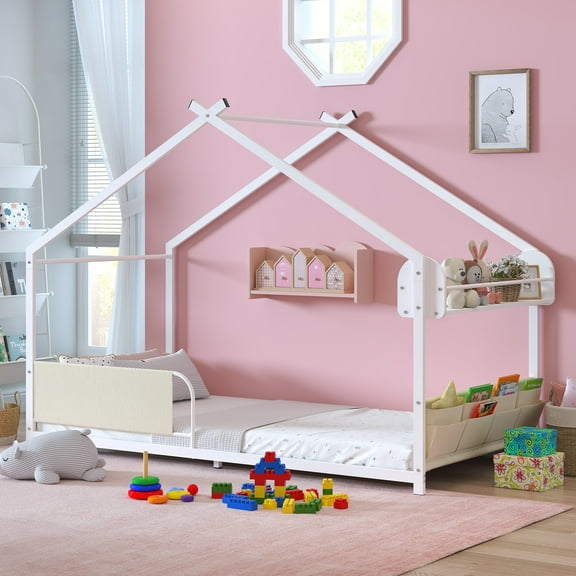
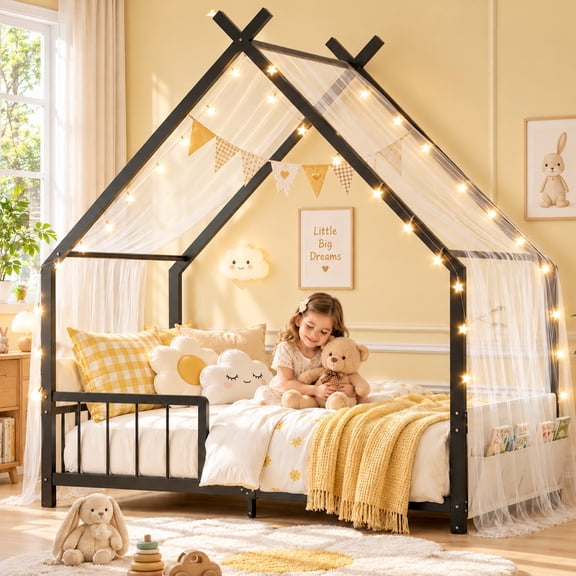
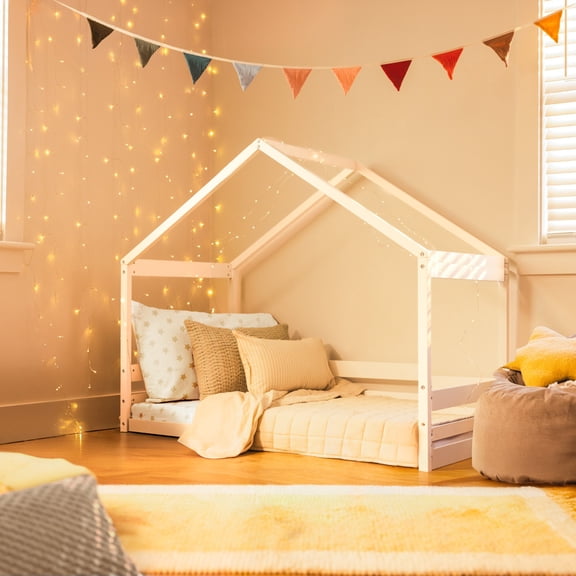
If your room has a simple furniture plan, you may lean toward modern or classic frames. If you want a playful focal point, you can compare house bed or canopy bed shapes.
Color and shape can support the transition from crib to independent sleep. You'll want a frame that feels inviting without overwhelming smaller rooms or shared spaces.
You can also match the bed with toddler bedding, nursery furniture, or crib mattresses for a more coordinated setup. You'll often get a clearer short list when you compare theme, height, and mattress size together.
What to look for in everyday toddler bed use
You should think about how the bed will work during story time, naps, and regular bedtime routines. You'll notice that rail height, frame height, and mattress size affect daily comfort and access.
If you're furnishing a smaller bedroom, you may want a compact toddler transition bed with simple lines. If you're updating a shared kids' room, you might prefer a twin option with a familiar low profile.
You can choose character styles when you want a playful update from the crib stage. You can choose classic wood or metal frames when you want a look that stays easy to pair with new bedding.
When you compare toddler beds by rails, materials, and mattress fit, you can make a clearer decision for your space. You'll end up with a bed that supports a smoother transition and a more comfortable bedtime routine.