

Recreational Shooting in Outdoor Sports














About Recreational Shooting in Outdoor Sports - Walmart.com
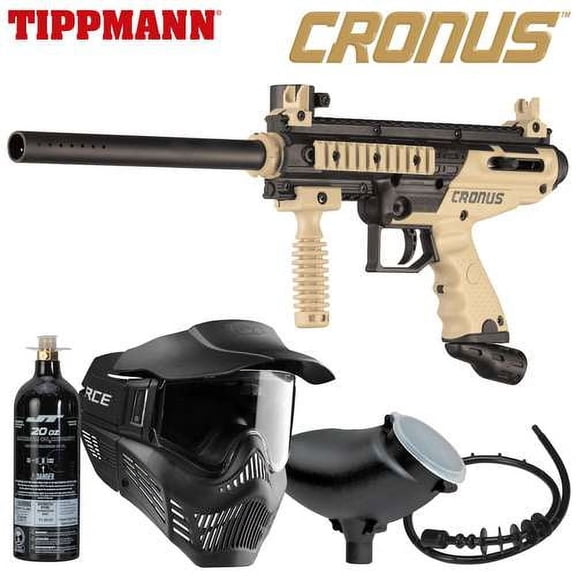
Paintball gear helps you build a field-ready setup with markers, masks, paintballs, and air systems that fit your pace. You can compare starter essentials and advanced options in one place, so your setup feels coordinated from your first match.
If you're starting out, you can focus on complete kits and simple loading routines. If you've played before, you can narrow choices by marker type, caliber, air source, and mask features.
How to choose paintball gear
You can make faster decisions when you break paintball gear into four core choices. You should compare marker operation, paintball caliber, air source, and mask construction before adding extras.
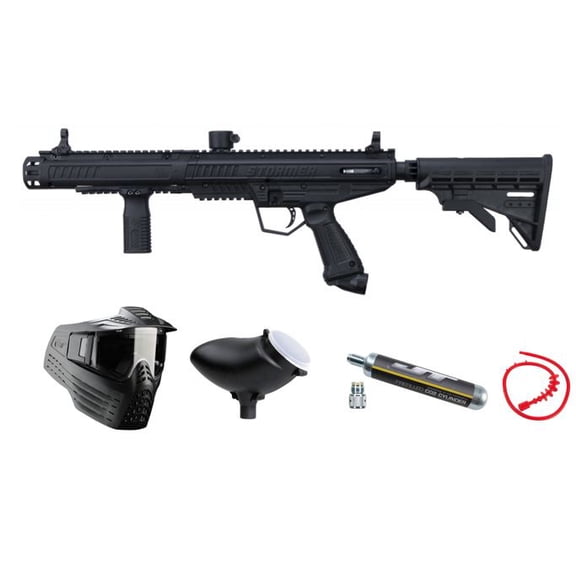
For a practical setup, you can start with a marker, hopper, mask, and paintballs. You may also want pods, a harness, tank accessories, and barrel covers for smoother game-day prep.
- You can choose marker styles that match casual, competitive, or low-impact play.
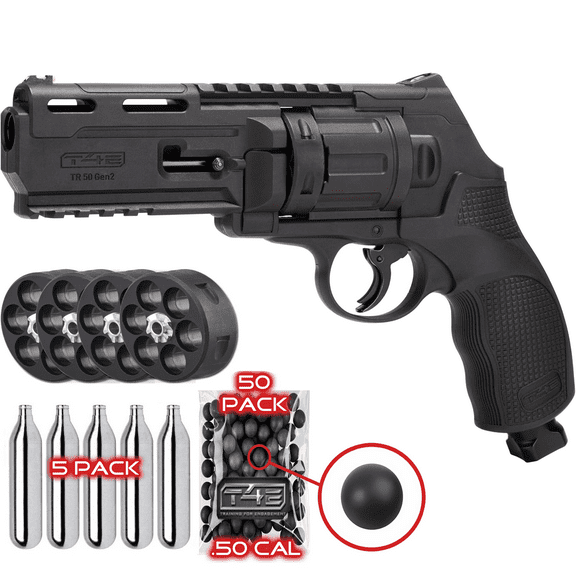
- You can compare .68 caliber and .50 caliber options for feel and field use.
- You can select CO2 or compressed air based on consistency and access.
- You can look for ASTM certified masks and dual-pane thermal lenses.
You can build a more consistent setup when each piece works with your field format. You can also reduce guesswork when you compare core equipment before accessories.
Choosing the right paintball guns and markers
You should compare mechanical, electronic, and pump markers by how you want each trigger pull to feel. You can expect simpler operation from mechanical designs and faster firing support from electronic systems.
With mechanical paintball guns, you use a sear-tripped system that many players consider straightforward to maintain. You may prefer that setup when you want fewer settings and a more direct shooting rhythm.
Electronic paintball guns use a solenoid to help control firing modes and response. You can consider that style when you want quicker follow-up shots and more adjustable trigger behavior.
Pump markers ask you to cycle the action between shots, which changes your pace and paint use. You may like that format when you want a more deliberate style and a lighter paintball loadout.
You can compare firing rate with your field rules before choosing a marker type. You should also check hopper fit and air compatibility, so your setup works together smoothly.
Choosing caliber and paintballs
You should look at caliber early because it affects marker compatibility and game feel. You can use .68 caliber for standard recreational play, while .50 caliber can support a lower-impact experience.
Many fields and markers center on .68 caliber, so you can match it with common equipment without extra confusion. You can choose .50 caliber when you want a lighter option for younger players or shorter backyard sessions.
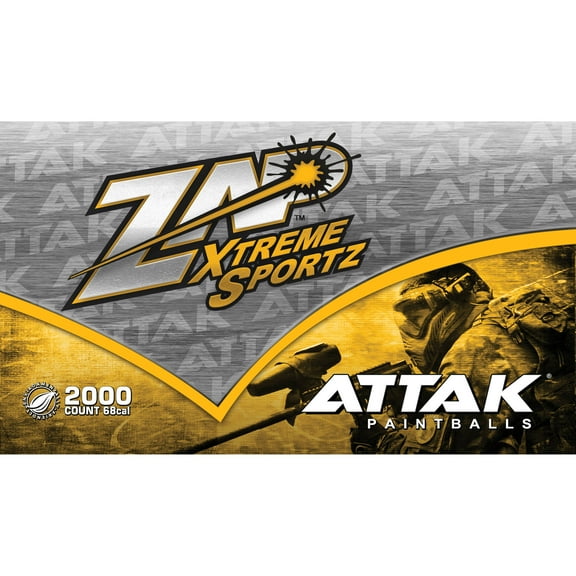
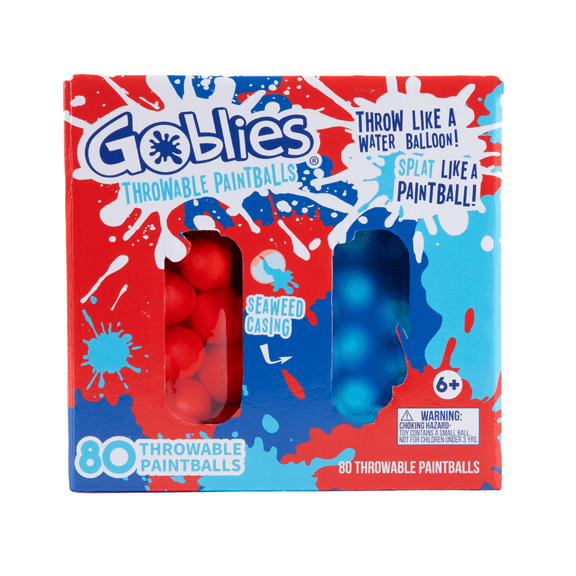
When you compare paintballs, you should check that the fill and shell fit your marker's caliber. You can also consider case counts and storage plans if you play often or host group events.
You can avoid mismatched purchases when you confirm caliber before buying extra paint. You should also compare paint quantity with your session length and player count.
Choosing CO2 or compressed air for your setup
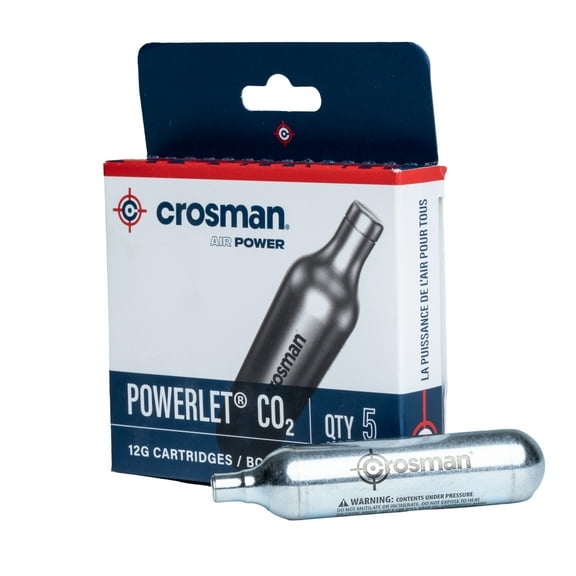
You should compare power source options because they affect consistency, refill habits, and marker compatibility. You can use CO2 for broad familiarity, while compressed air supports steadier performance in changing temperatures.
CO2 can work well for many recreational setups, especially when you want a common entry point. You should confirm tank and marker compatibility before you choose that route.
Compressed air systems can deliver more even shot behavior across a long session. You may prefer HPA when you want stable output and when your field supports simple refills.
If you're building a full setup, you should also compare tank size, regulator style, and how your marker balances in hand. You can create a more comfortable kit when your air source matches your playing pace.
Choosing paintball masks and protective essentials
You should treat your mask as a primary decision, not an afterthought. You can look for ASTM certified protection and dual-pane thermal lens options when visibility and secure coverage are important.
ASTM certified paintball masks help you narrow choices to designs built for the sport's demands. You should also compare coverage around your jaw, forehead, and ears for a fit that feels secure during movement.
Dual-pane thermal lenses can help you maintain a clearer view through long games and changing weather. You may also want to check foam comfort, lens swap design, and strap adjustment before choosing.
Beyond paintball masks, you can round out your setup with padded tops, gloves, pod packs, and harnesses. You can keep your gear organized and your reloads quicker when each piece fits your playing style.
Matching paintball gear to how you play
If you're new to paintball, you can start with a mechanical marker, .68 caliber paintballs, and an ASTM certified mask. You can keep your setup simple while you learn loading, aiming, and field movement.
For low-impact play, you may prefer .50 caliber equipment paired with a comfortable mask and easy-to-carry accessories. You can build a setup that feels approachable for family games or shorter sessions.
If you play often, you can compare electronic markers, compressed air systems, and thermal lens masks for longer days. You should look for combinations that support repeat games, quick reloads, and steady handling.
When you shop for paintball, you can narrow choices with clear equipment priorities instead of guessing. You can build a setup that fits your field, your pace, and your preferred style of play.