

Drawing Supplies in Art Supplies






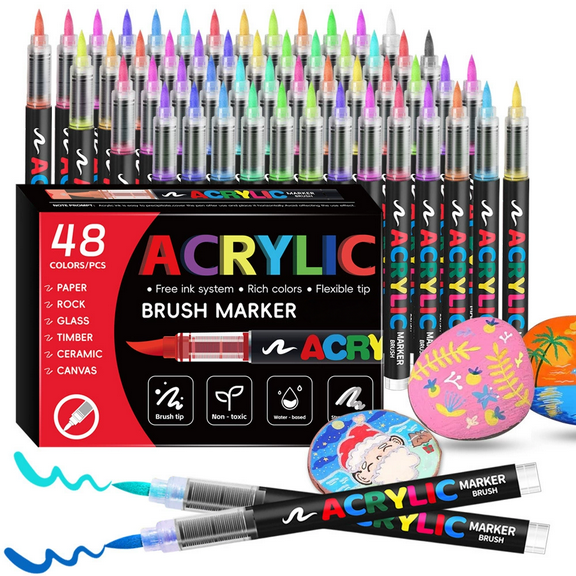
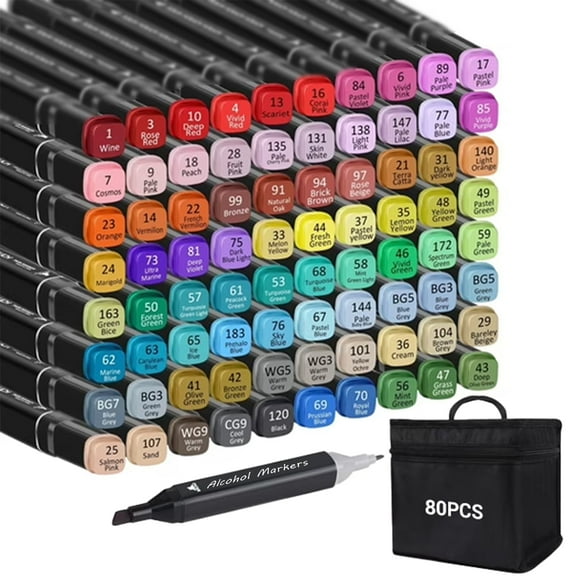
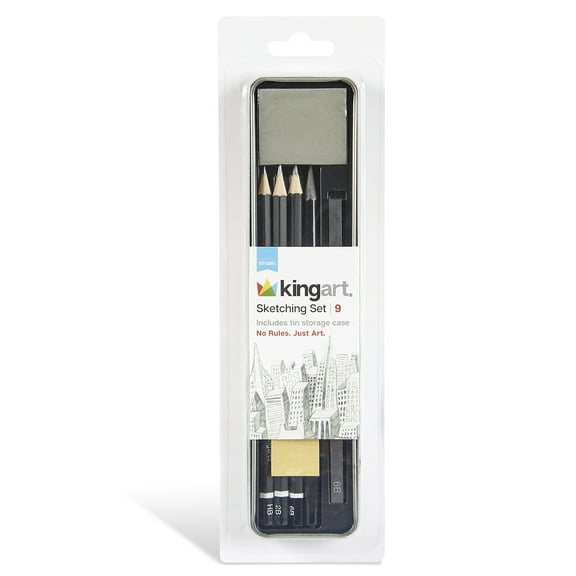


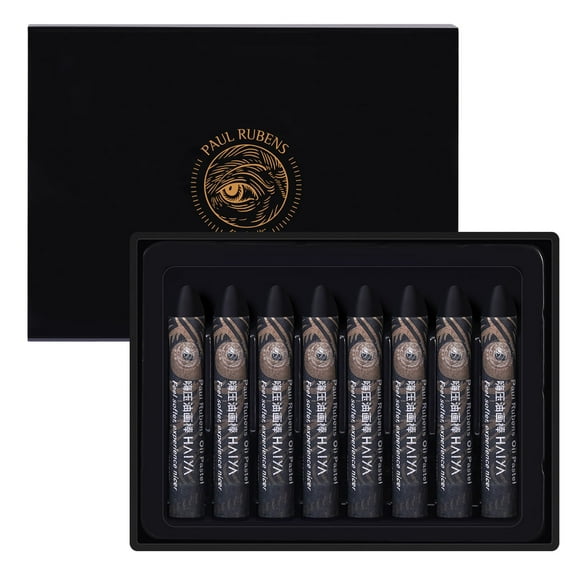













About Drawing Supplies in Art Supplies - Walmart.com
Drawing supplies help you build cleaner lines, smoother shading, and more confident practice with tools that match your medium and surface. You can compare graphite, charcoal, ink, and pastel options, then pair them with the right paper for more control.
If you're shopping for class, studio sessions, or creative time at home, you need options that fit how you draw. You can choose drawing pencils, sketchbooks, drawing pads, and full sets based on technique, age range, and project type.
How to choose drawing supplies by medium type
When you compare medium types, you can match each tool to the marks you want to make. You may prefer graphite for everyday sketching, charcoal for bold shadows, or ink for crisp outlines.
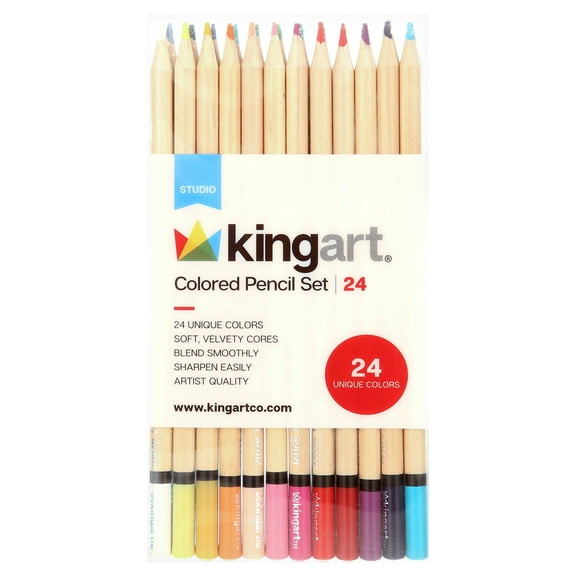
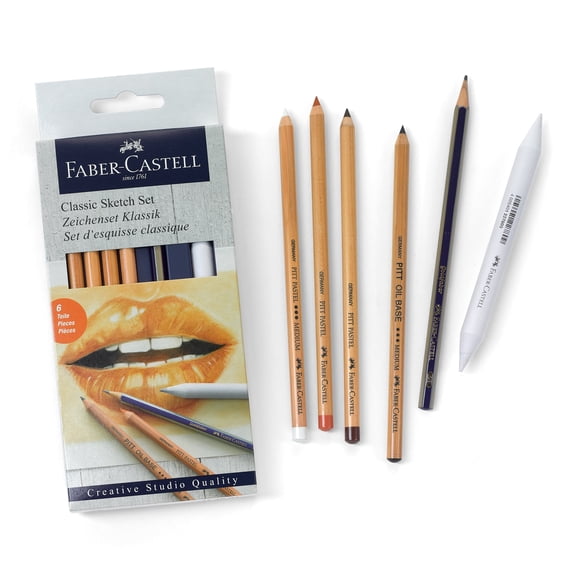
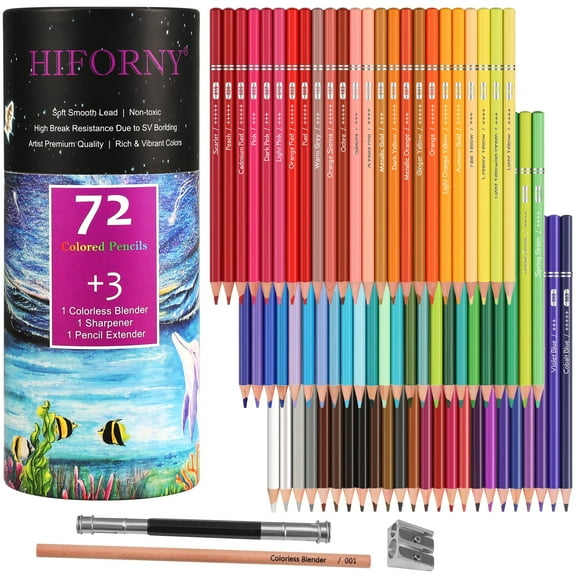
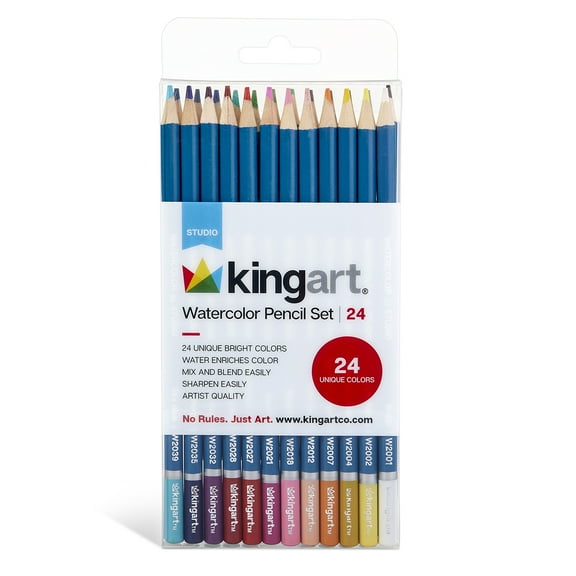
Colored pencil options help you layer controlled color, while pastel choices give you soft blending on textured paper. You can also build an art drawing set around one medium or mix several for more range.
- You can use graphite for sketching, drafting, and gradual shading.
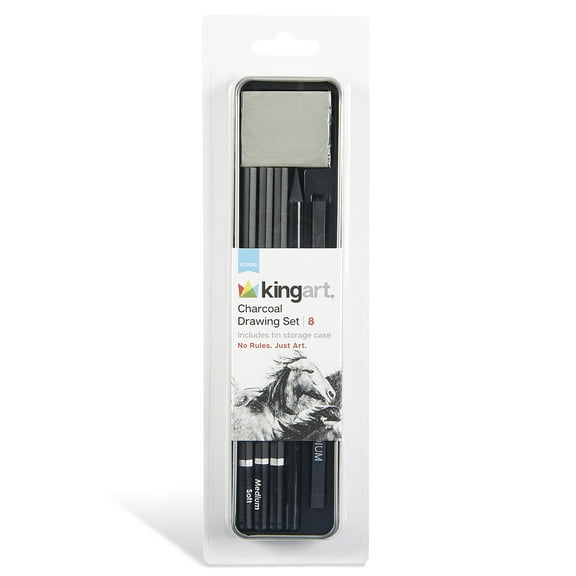
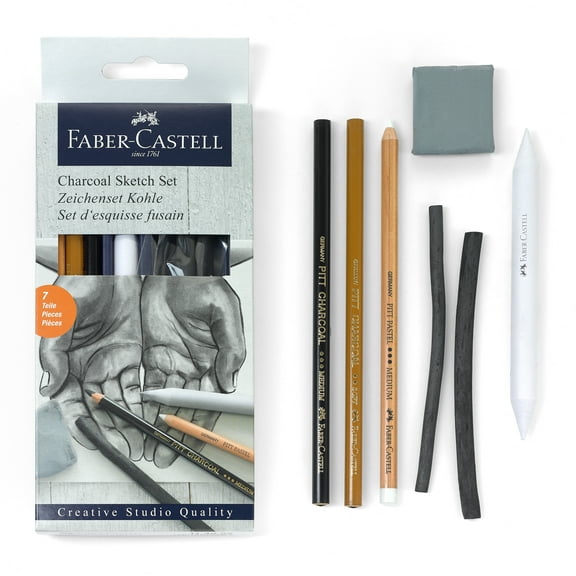
- You can use charcoal drawing supplies when you want deep contrast and expressive texture.
- You can use drawing pens for defined contours, hatching, and comic or design work.
- You can use pastel tools on textured sheets when you want soft edges and layered color.
As you compare mediums, you should also check how easily each one layers or erases. You'll usually notice graphite lifts more cleanly, while charcoal spreads faster for dramatic coverage.
Choosing drawing supplies for your skill level
Your experience level can help you narrow the right format before you compare individual tools. If you're a beginner, you may want simple sets with core grades, paper, and an eraser.
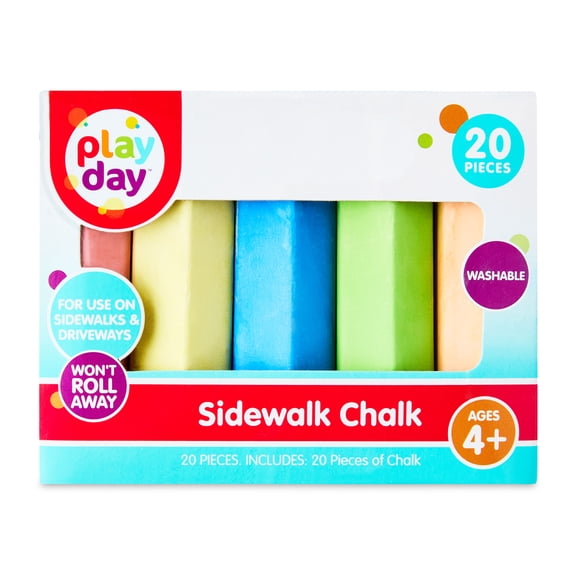
If you're shopping for students, you can focus on classroom-ready packs, sketchbooks, and drawing pencils that cover common assignments. If you're selecting for kids, you should check age guidance and look for an AP seal on labeled materials.
When you need more control, you can compare professional drawing pencils with wider grade ranges and consistent cores. You'll also want surfaces that handle repeated layering without feathering or excess smudging.
What to look for in lead grades and set size
Lead grade is a key drawing choice because it changes how dark or firm your marks feel. You can use H grades for lighter lines, HB for general sketching, and B grades for deeper shading.
If you're deciding between 2B, 4B, and 6B, you should think about pressure and contrast. You'll often use 2B for balanced sketching, 4B for softer shadows, and 6B for rich dark areas.
When you outline details, you may prefer H or HB sketching pencils because they keep a sharper point longer. When you blend tones, you may reach for softer grades that glide across the page.
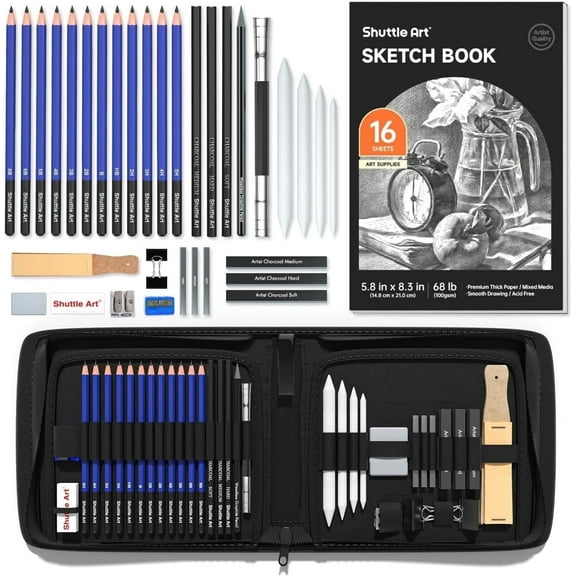
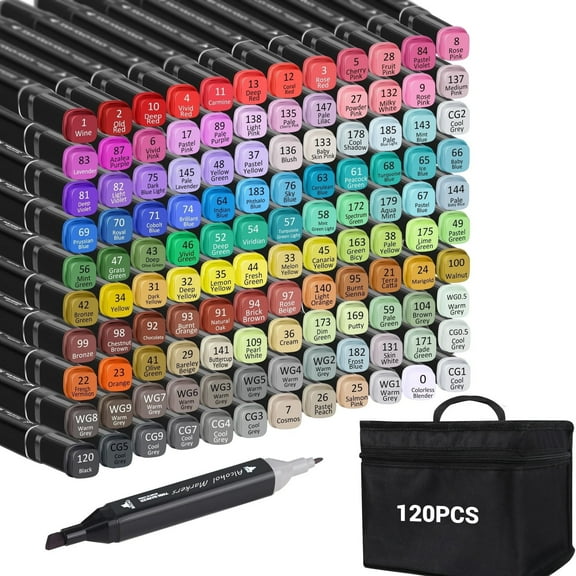
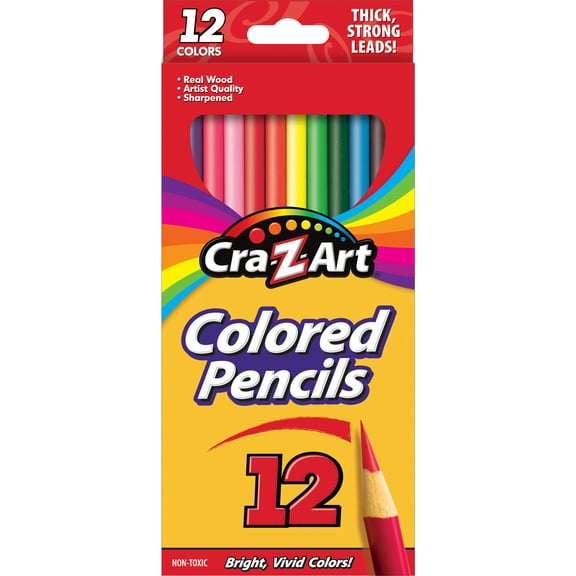
Set size matters too because it shapes how much variety you get right away. You can pick individual tools for replacement, 12-pack options for core use, 24-pack assortments for broader range, or a 72-piece set for mixed media practice.
If you like flexibility, you can build your own kit one item at a time. If you want convenience, you may prefer a drawing set that groups pencils, blending tools, sharpeners, and paper together.
Choosing sketchbooks and drawing pads for your surface
Your surface affects how your marks sit, blend, and erase, so it deserves as much attention as your tools. You can compare sketchbooks, loose drawing paper, toned paper, and canvas based on your medium.
For dry media, you may want drawing pads with enough tooth to hold graphite, charcoal, or pastel. You'll notice tooth means surface texture, and more texture usually grips powdery media more effectively.
Paper weight also matters because thicker sheets handle heavier layers with less show-through. If you use ink or light washes, you should check whether your sketchbooks have sturdier pages.
Toned paper can help you build highlights and shadows faster because the midtone sheet supports both dark and light marks. Canvas may suit mixed-media experiments when you want a firmer surface than standard drawing paper pads.
If portability matters, you may prefer spiral sketchbooks that open flat during class or travel. If presentation matters, you may choose bound books or larger pads for cleaner storage.
Matching drawing supplies to real projects
For back to school drawing supplies, you can start with HB and 2B pencils, a sharpener, an eraser, and a medium-weight pad. You'll cover common classroom sketches without overcomplicating your setup.
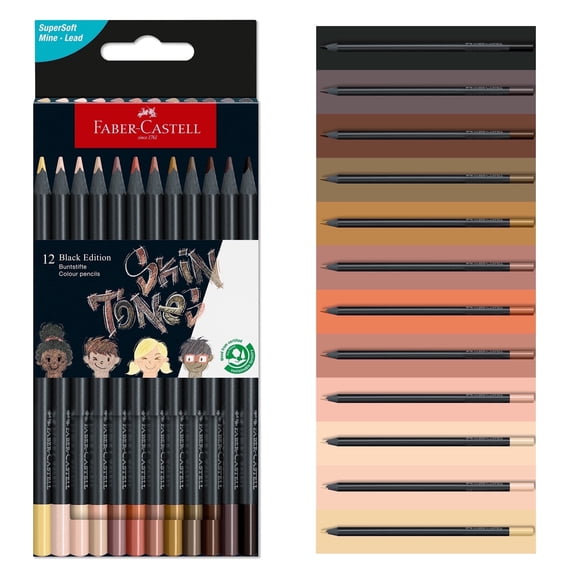
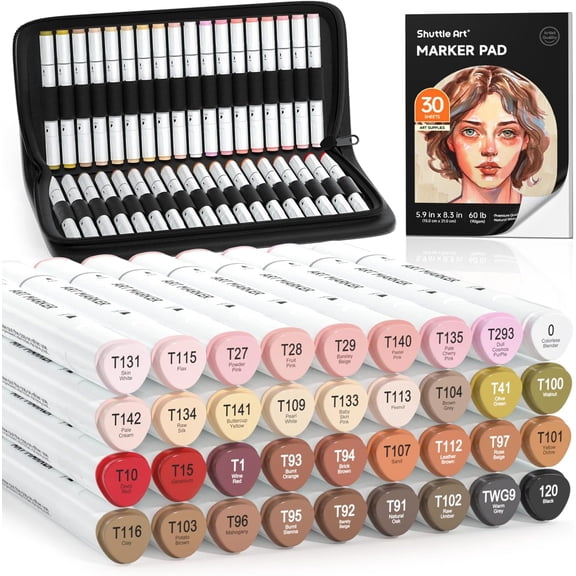
If you're practicing portraits, you may want 2B through 6B grades, blending tools, and paper with light tooth. You can build smoother skin tones and darker hair values with fewer interruptions.
For technical outlines or illustration, you can pair drawing pens with smoother sketchbooks that support crisp line work. You'll get cleaner edges and less drag across the page.
If you enjoy expressive still life or figure studies, you can choose charcoal tools and larger drawing pads. You'll have more room for broad gestures, layered shadows, and kneaded eraser highlights.
When you want a flexible starter collection, you can choose drawing supplies that mix pencils, pens, and surfaces in one bundle. You'll spend less time matching basics and more time testing techniques that fit your style.
With the right medium, grade range, and paper texture, you can make your tools work with your process instead of against it. You'll draw with clearer control, cleaner marks, and materials that fit each project.