

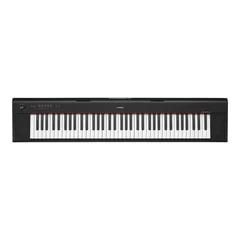

Shop Keyboards Pianos and MIDI Instruments
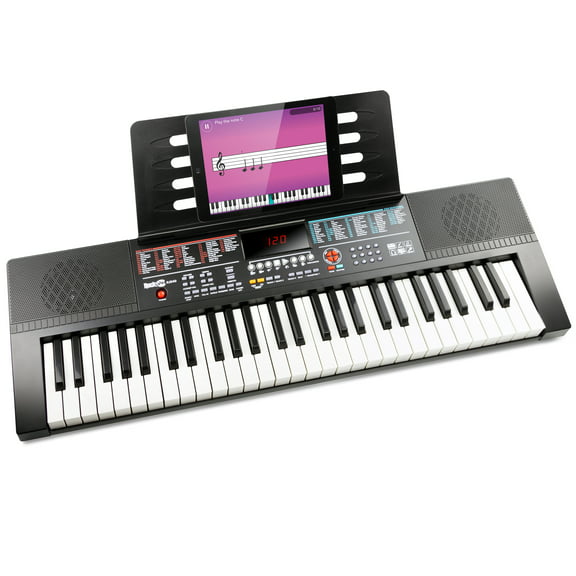

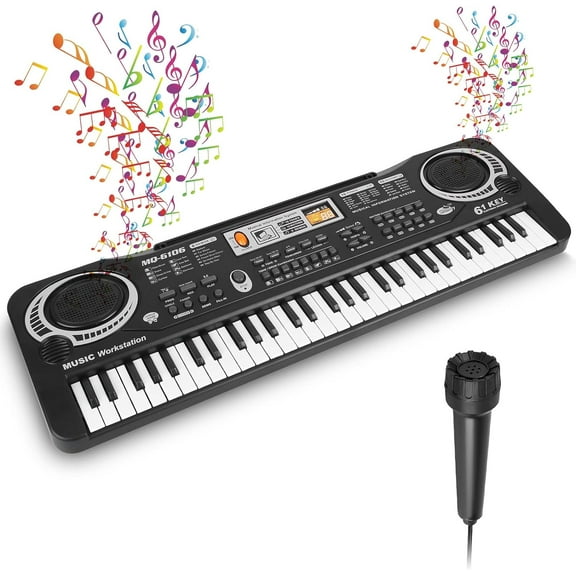
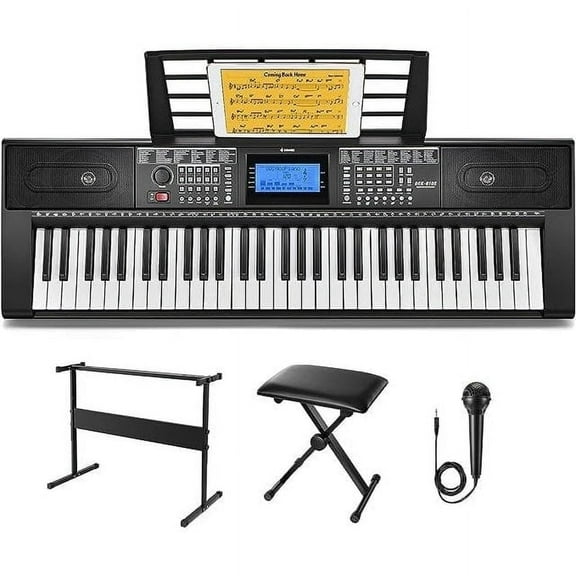



































About Shop Keyboards Pianos and MIDI Instruments - Walmart.com
88-key keyboards give you the full piano range for lessons, recording, and home practice. You can compare weighted feel, digital piano formats, and portable designs in one focused category.
How to choose 88-key keyboards by key feel
Key action shapes how your hands respond when you play chords, scales, and dynamics. You should compare fully weighted, semi-weighted, unweighted, and hammer action options before you choose.
If you want a piano-like response, you may prefer a weighted 88-key keyboard with hammer action. You may notice that heavier keys can feel closer to an acoustic piano during practice.
If you need a lighter touch for synth parts or fast control changes, you may prefer semi-weighted or unweighted keys. You can often move between rehearsals more easily with lighter builds.
When you compare graded hammer or escapement details, you’re reviewing how the keys respond across the range. You can use those terms to narrow choices that feel more natural for classical practice.
What to look for in instrument type
Your instrument type affects how you practice, perform, and record. You should compare each format by how you plan to use the full 88-key layout.
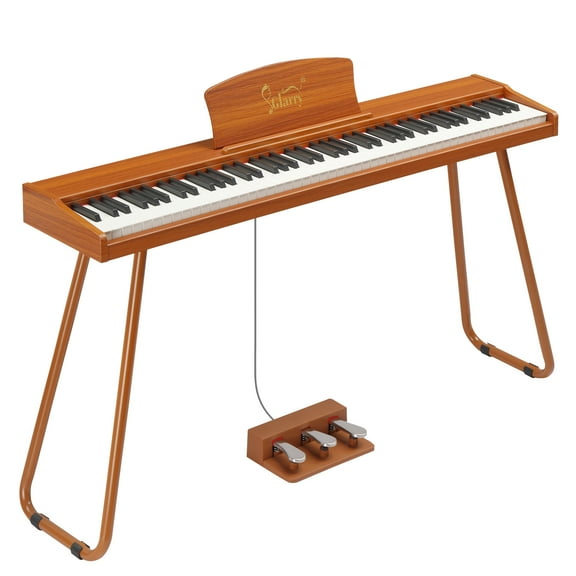
- You can choose an 88-key digital piano when you want piano-focused sounds and familiar key response.
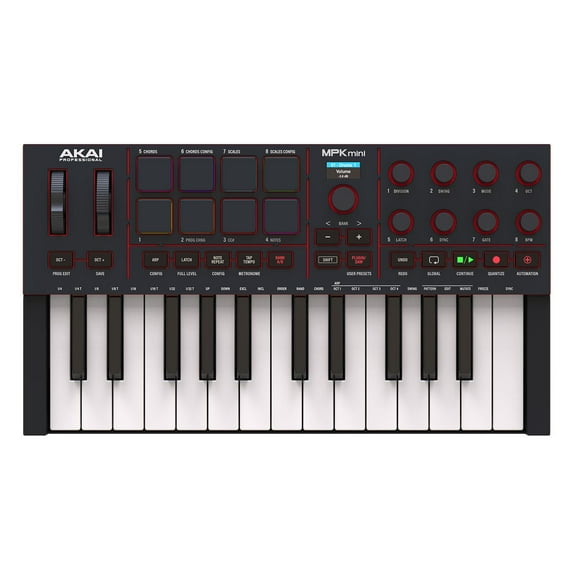
- You can pick an 88-key MIDI controller when you want to trigger software instruments and shape tracks in your setup.
- You can consider a stage piano when you want streamlined controls and easier transport for rehearsals or gigs.
- You can look at a synthesizer when you want layered textures, editing options, and broader sound design tools.
If your priority is traditional practice, an 88-key keyboard piano can support scales, repertoire, and hand positioning. You can usually find this format helpful when you want the full note span.
If your focus is production, an electronic keyboard 88 keys layout can give you room for splits, layers, and controller mapping. You can keep both piano parts and virtual instruments within one range.
Which features to consider before you decide
You should look past the key count and compare the sound source, speakers, and connections. These details affect how naturally your notes respond and how easily your keyboard fits your setup.
When you check the sampling engine, you’re reviewing how the instrument captures and plays back piano tones. You can expect richer note detail when the sound engine supports expressive playing.
Polyphony tells you how many notes can sound at once before earlier notes drop away. You may want 128-note or 256-note polyphony if you use sustain and layered sounds.
Built-in speakers can make home practice simpler because you can start playing with fewer extra pieces. If you plan to perform, you may prefer outputs for external amplification and monitors.
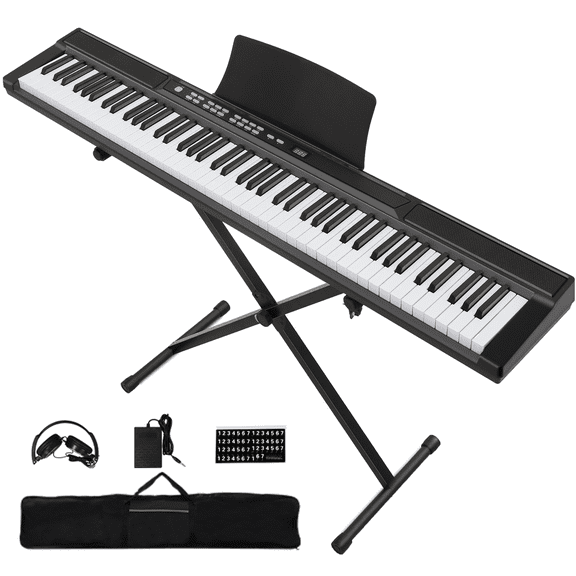
You should also check whether your keyboard supports pedals, stands, and bench-friendly setups. You can create a steadier practice station when your stand and sustain pedal compatibility are clear.
Connectivity matters when you want your keyboard to work with apps, speakers, or recording gear. You can compare MIDI, USB, Bluetooth, and auxiliary options based on your routine.
Choosing portability and setup for everyday use
Your space and schedule should guide whether you choose a console with stand or a portable 88-key keyboard. You may want a lighter frame if you carry your instrument between rooms, lessons, or events.
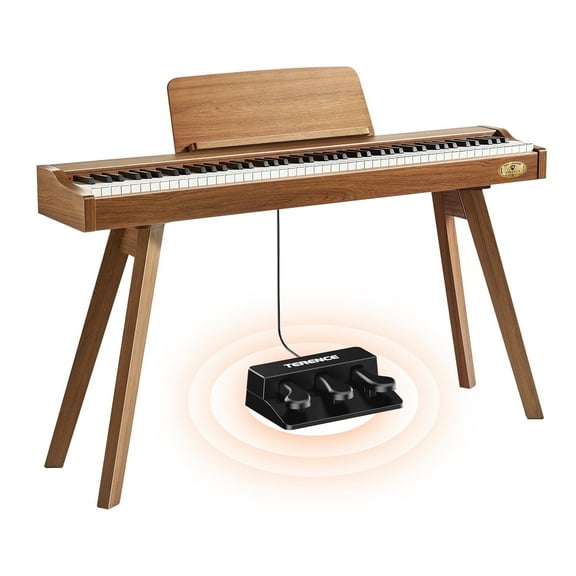
A console with stand can suit you when you want a furniture-style setup for regular practice. You can often get a more anchored feel that works well in one dedicated space.
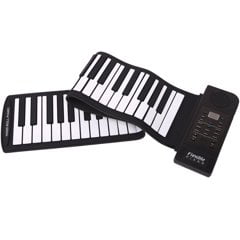
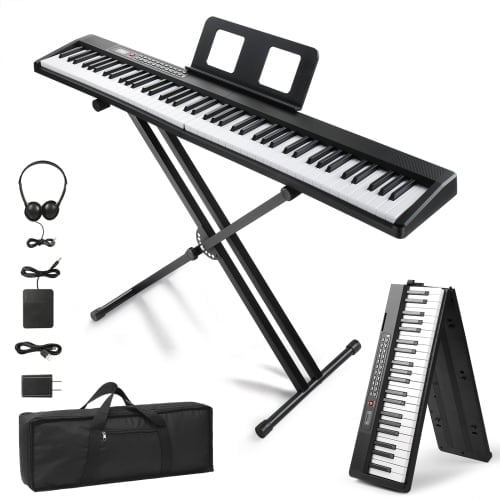
A folding or portable format can suit you when you need easier storage or transport. You can tuck it away after practice or bring it to rehearsals with less effort.
If you’re building a recording space, you should measure your desk, stand width, and pedal area first. You can avoid awkward placement when you confirm dimensions before choosing.
If you’re shopping for gifting season, an 88-key keyboard for Christmas can fit beginners, returning players, or songwriters. You can narrow the choice faster by matching weight, speakers, and portability to the recipient.
Matching your setup to your playing goals
If you’re learning piano technique, you may want a weighted 88-key keyboard, pedal support, and built-in speakers. You can practice dynamics and sustain with a setup that feels more complete.
If you’re writing songs at home, you may want USB or MIDI for recording software and layered sounds. You can move from sketching ideas to tracking parts with fewer setup changes.
If you’re playing at school, church, or small events, you may want a stage-ready model with audio outputs. You can connect to external sound systems and keep transport manageable.
If you’re producing with virtual instruments, an 88-key MIDI controller can give you full-range input without extra onboard sounds. You can focus on software libraries and controller assignments instead.
With the right action, connectivity, and format, you can choose 88-key keyboards that fit your playing style. You can end up with an instrument that supports practice, performance, and recording in one full-range setup.