


Find auto parts that fit
Let’s search for parts that fit your vehicle.Automotive Electrical





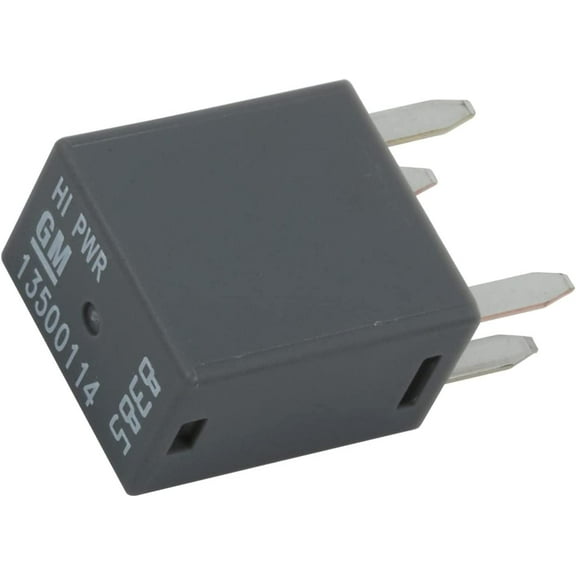
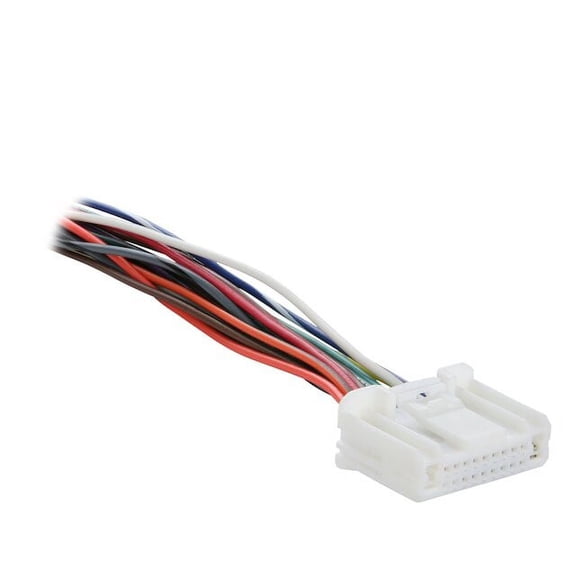
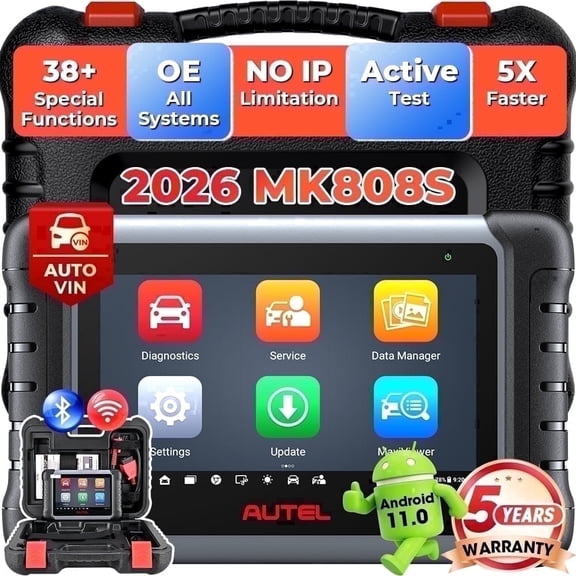

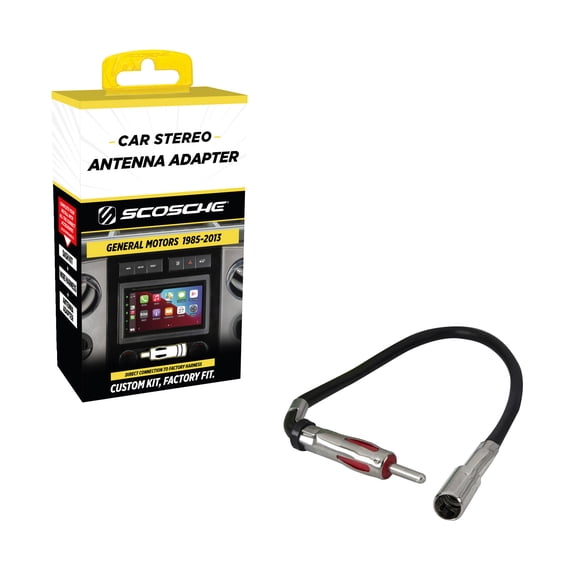









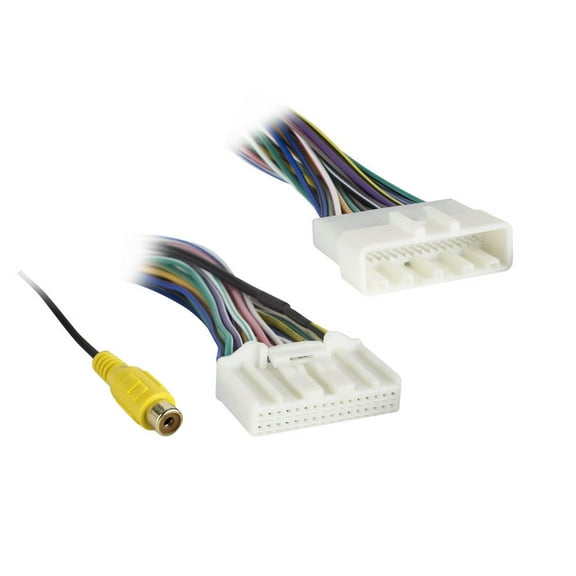


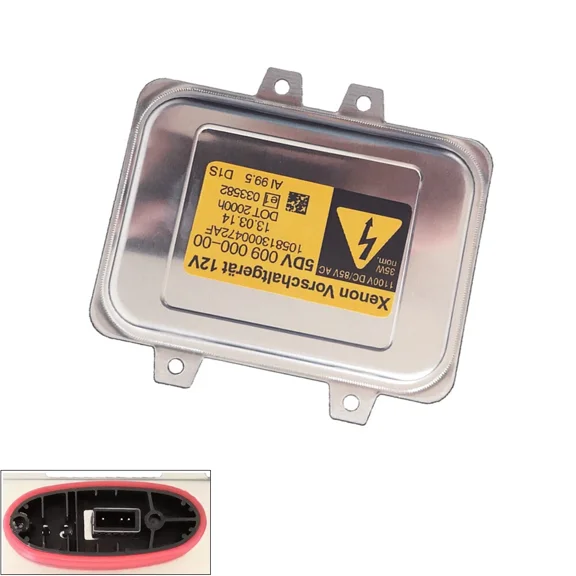

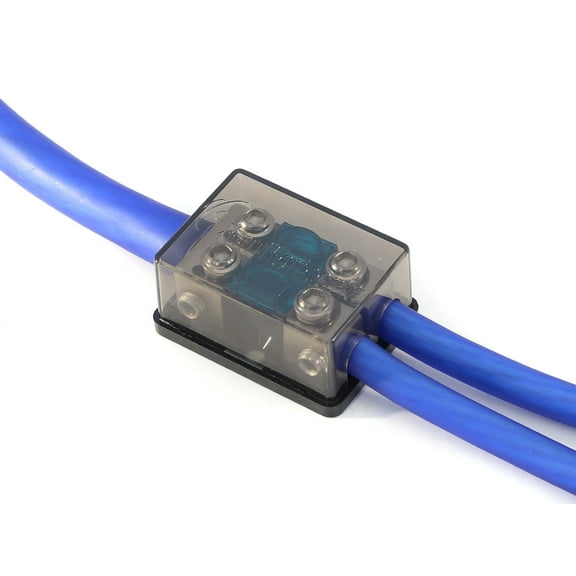

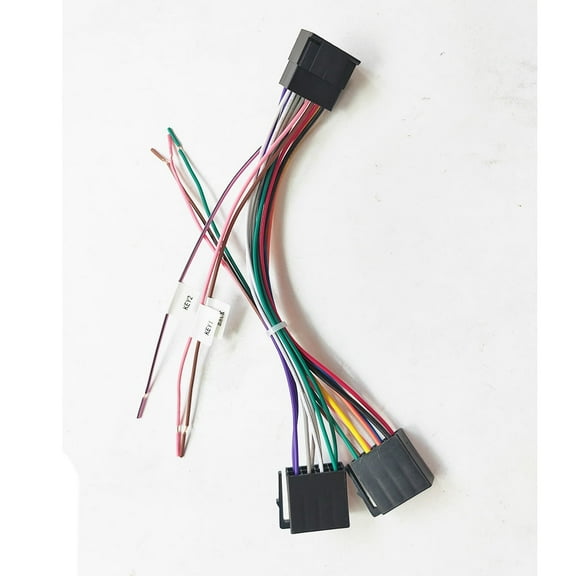



About Automotive Electrical - Walmart.com
Your automotive electrical choices shape reliable installs, clean connections, and clear diagnostics across cars, trucks, RVs, and marine setups. You can compare voltage, wire gauge, connector style, and protection features here, so your project matches your vehicle and your working conditions.
How to choose automotive electrical parts
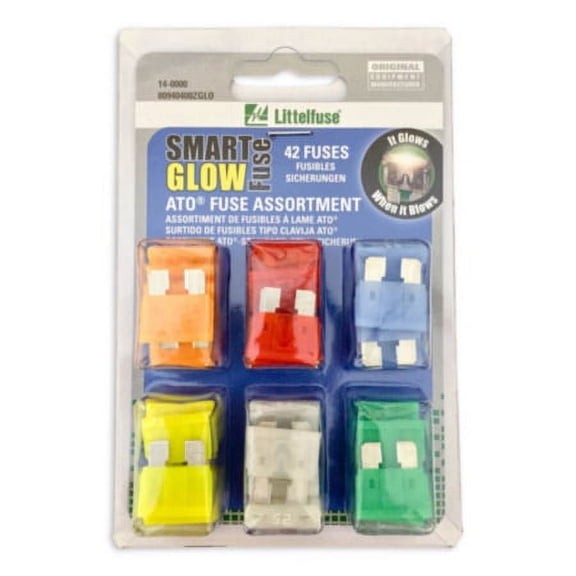
When you shop automotive electrical supplies, you should start with the product type your job requires. You may need wire connectors for splices, fuses for circuit protection, electrical tape for wrapping, or multimeters and circuit testers for troubleshooting.
You'll also want to match each item to your vehicle and location. Your engine bay, trailer wiring, dashboard install, and marine compartment can each call for different materials and protection levels.
For fast comparison, you can focus on a few key decisions before you pick parts. Your shortlist gets easier when you narrow by voltage, gauge, connection style, and exposure.
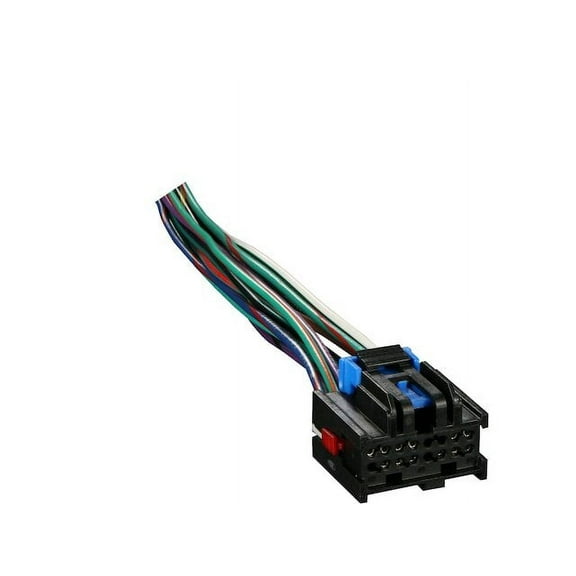
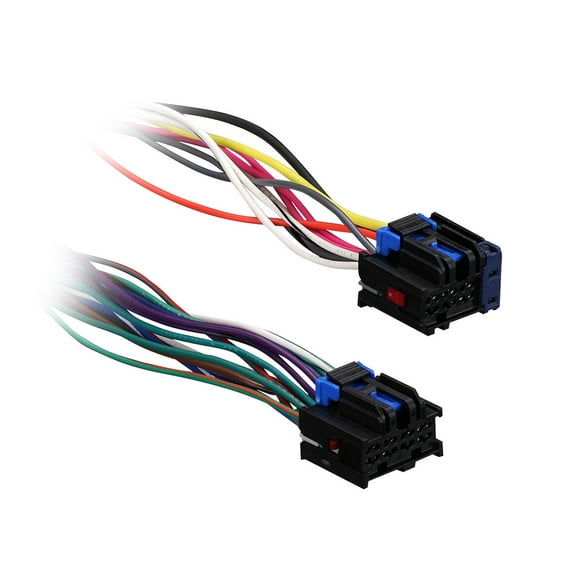
- You can use wire connectors and automotive wire terminals for secure joins and clean harness repairs.
- You can choose multimeters and circuit testers when your project needs voltage checks, continuity testing, or fuse tracing.
- You can look for electrical tape, insulated parts, and heat shrink styles when your wiring needs added coverage.
- You can match universal, car, truck, RV, or marine fitment to keep your setup aligned with your vehicle.
Choosing voltage and automotive electrical wire
You should check whether your system uses 12V automotive electrical components or 24V equipment before you connect anything. Your car and many light trucks often use 12V, while your heavier commercial setups may use 24V parts.
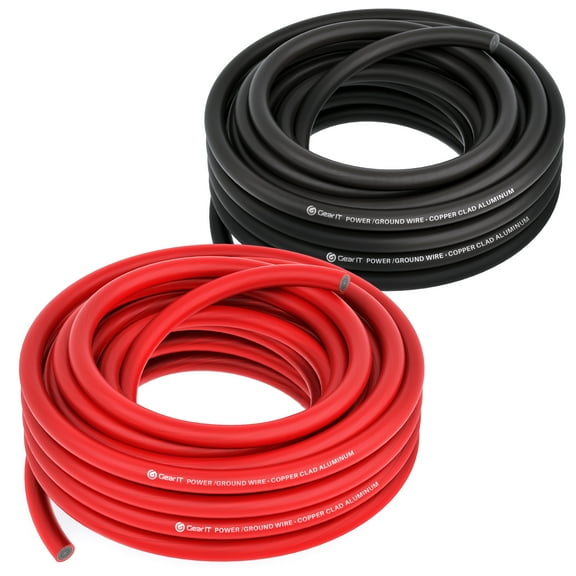
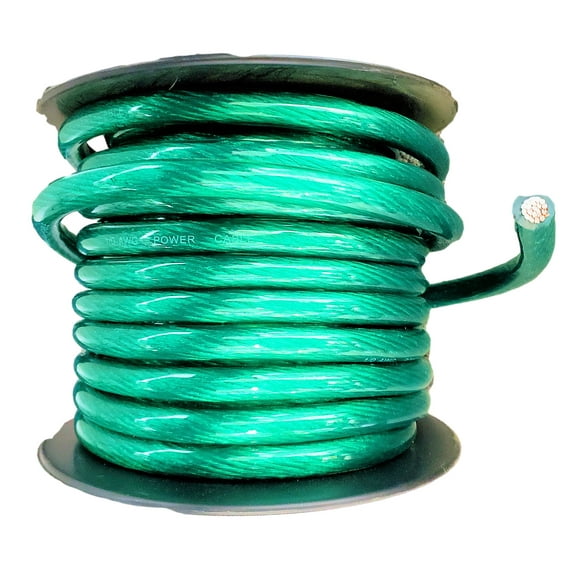
Wire gauge matters because your automotive electrical wire must fit the current load and the run length. You can compare 10 AWG, 12 AWG, and 16 AWG options based on how much power your accessory draws.
Lower AWG numbers mean thicker wire, so your 10 AWG option handles heavier loads than 16 AWG. You should measure your route and check your accessory requirements before you choose copper or brass connection points.
You'll notice copper options are common when you want strong conductivity and flexible routing. Your brass terminals can also work well when you need sturdy contact points in many car electrical parts setups.
Comparing automotive wire connectors and terminals
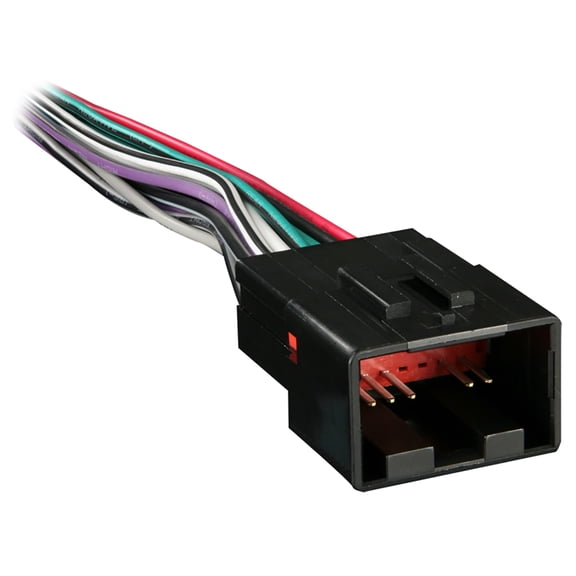
You can sort automotive wire connectors by how you plan to join, seal, and service your wiring. Your project may call for solderless crimp connectors, heat shrink connectors, ring terminals, spade terminals, or terminal blocks.
Solderless crimp styles help you make quick connections with the right automotive electrical tools. You should match the connector size to your wire gauge, so your crimp feels secure and your fit stays consistent.
Heat shrink connectors add a tighter outer seal after installation, which helps when your wiring faces moisture or road spray. You can use insulated styles when your harness runs through tighter spaces or near other conductors.
Ring and spade terminals can make battery, ground, and accessory connections easier to organize. You may prefer terminal blocks when your build needs neat distribution points for trailers, RV upgrades, or added lighting circuits.
What to look for in automotive electrical tools
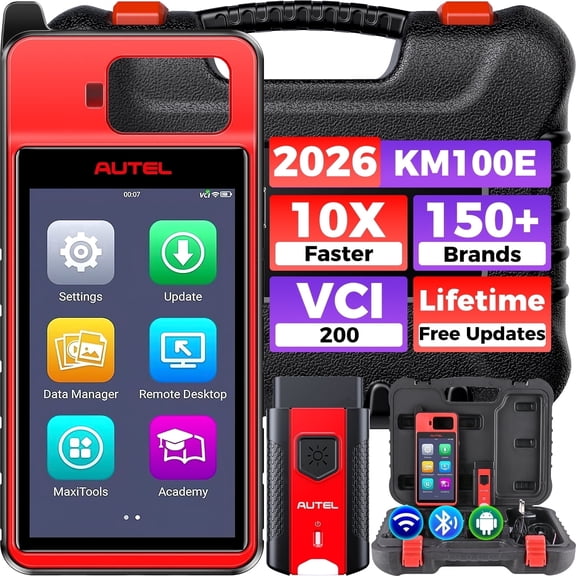
Your automotive electrical tools should match the work you plan to do most often. You can use multimeters to read voltage and continuity, while circuit testers help you verify power at specific points.
A multimeter helps you compare readings across batteries, fuses, switches, and accessory wires during diagnosis. You can trace a no-power condition, confirm a ground path, or verify whether a fuse still carries current.
You may also want crimping tools that fit your connector type and wire range. Your results are usually cleaner when your tool matches insulated terminals, heat shrink connectors, or open-barrel styles.
Electrical tape supports bundling and wrapping after you finish a repair or accessory install. You can use it to keep harness sections tidy and to add a clean outer layer around selected wiring runs.
Matching protection ratings to your environment
You should think about where your wiring will live before you choose connectors and terminals. Your engine compartment, underbody route, trailer tongue, and boat rigging each expose parts to different conditions.
Waterproof and weatherproof options can make sense when your wiring sees rain, splashes, or washdowns. You can look for heat shrink and sealed designs when your connection needs extra coverage around the joint.
Insulated pieces help when your install passes through crowded areas behind panels or under dashes. You should also compare materials and connector styles if your wiring runs near warmer engine bay zones.
Marine and RV applications often need more attention to sealing and long wire runs. You can narrow choices faster when you compare waterproof features with the wire gauge and voltage your setup uses.
Using automotive electrical parts for common projects
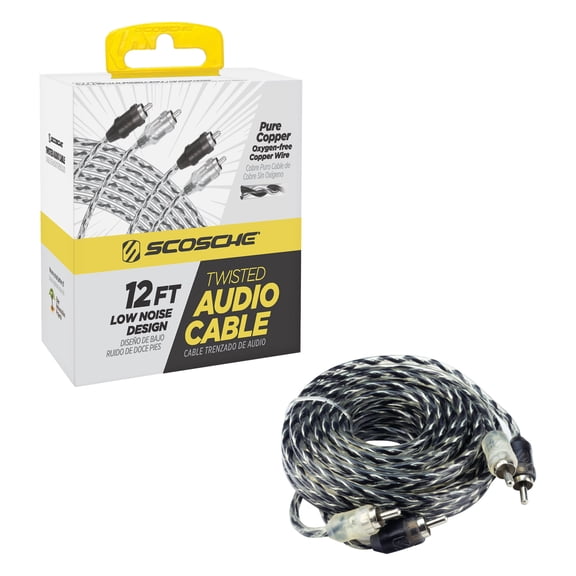
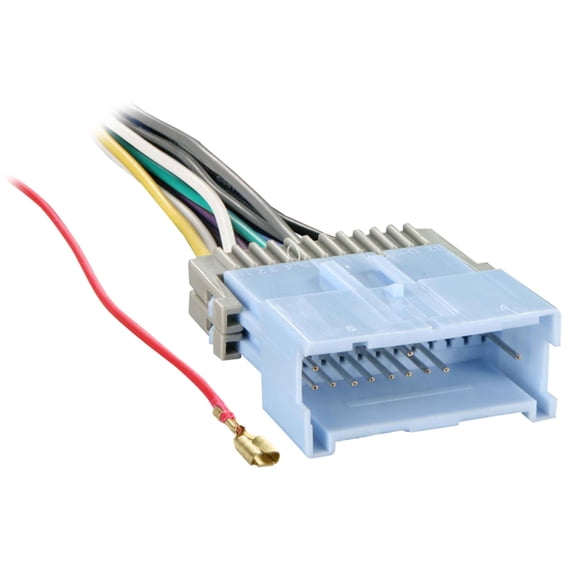
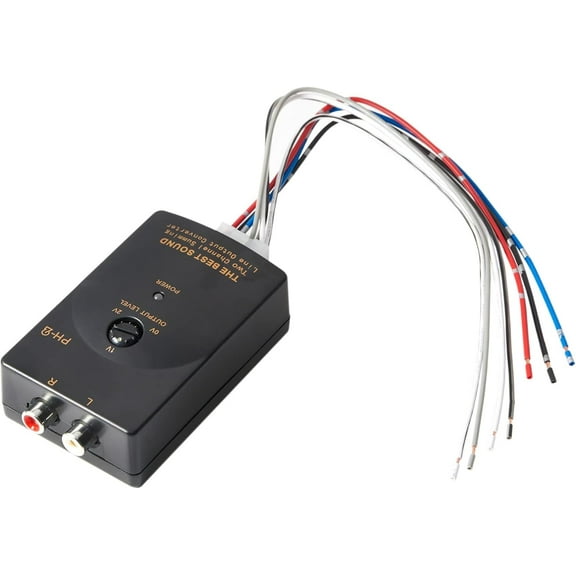
You can use these car electrical parts for stereo installs, trailer rewiring, battery accessory hookups, and lighting upgrades. Your project may involve replacing a fuse, extending a harness, or checking a charging circuit.
For a simple accessory install, you might choose 12V components, 16 AWG wire, and insulated crimp connectors. You can step up to thicker automotive electrical wire when your amplifier, winch, or auxiliary lighting draws more current.
If your truck or RV needs longer runs, you should compare gauge carefully to support the distance. Your marine setup may also need weatherproof automotive wire terminals and sealed connectors around exposed compartments.
When your issue is unknown, you can start with a multimeter or circuit tester before replacing parts. You gain a clearer path when you confirm voltage, trace continuity, and inspect the exact connector style your harness uses.
Your automotive electrical project gets easier when you compare voltage, gauge, connector design, and environmental protection together. You can build cleaner installs, quicker diagnostics, and longer-lasting connections by choosing parts that fit your exact setup.