

Ceramic Tile for Home Improvement Projects























About Ceramic Tile for Home Improvement Projects - Walmart.com
Ceramic tile helps you finish floors, walls, backsplashes, and showers with a clean look and easy upkeep. You can compare styles, finishes, and wear ratings to match each room with confidence.
How to choose ceramic tile by application
You should start with the surface you plan to cover, because ceramic wall tile and ceramic floor tile serve different needs. You’ll want lighter-duty options for walls and stronger surfaces for busy rooms.
For floors, you should check PEI wear rating and slip resistance before you choose a color or shape. You’ll usually want Class 3 or Class 4 for moderate to heavy foot traffic.
In showers and splash zones, you should also check water absorption and finish. You’ll often prefer glazed surfaces for easy cleaning and textured surfaces for added grip underfoot.
- You can use ceramic wall tile to add color, shine, or pattern to vertical spaces.
- You can use ceramic floor tile where you need a harder surface for everyday foot traffic.
- You can use ceramic backsplash tile to create an easy-to-wipe surface behind sinks and ranges.
- You can use shower tile options with suitable water resistance for wet-area installations.
Choosing shape, style, and color
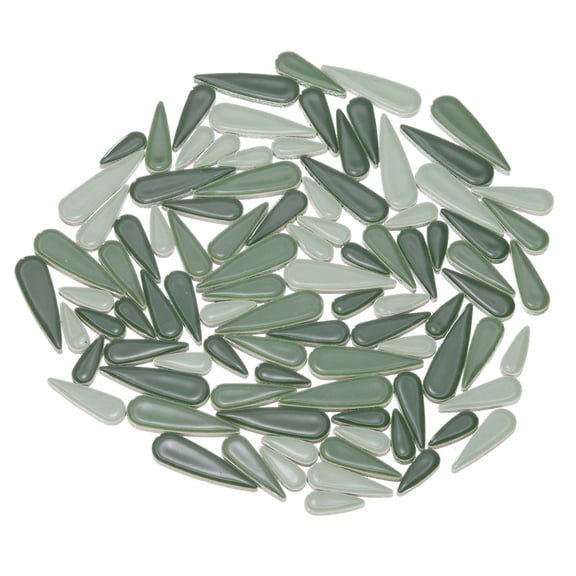
You can narrow your look quickly by comparing subway, square, hexagon, and patterned ceramic tile styles. You’ll notice each shape changes how grout lines, room scale, and visual movement feel.
If you want a classic layout, you may choose ceramic subway tile for kitchens, bathrooms, or laundry rooms. You can stack it vertically, run it brick style, or pair it with contrasting grout.
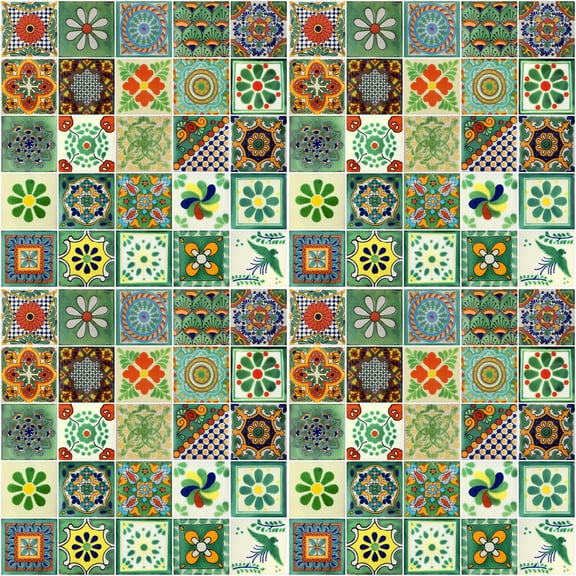
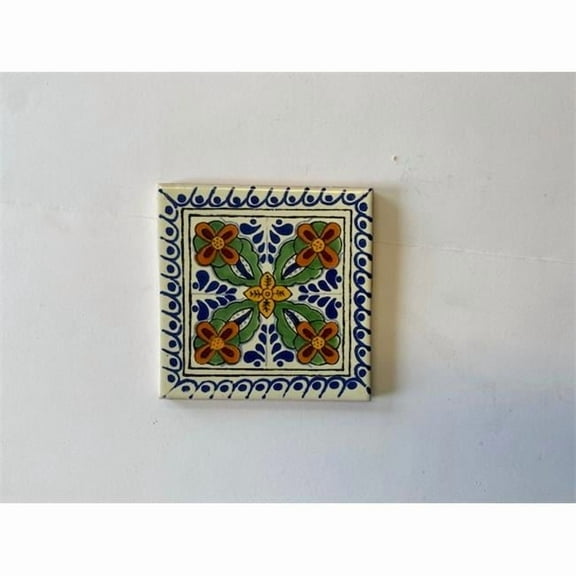
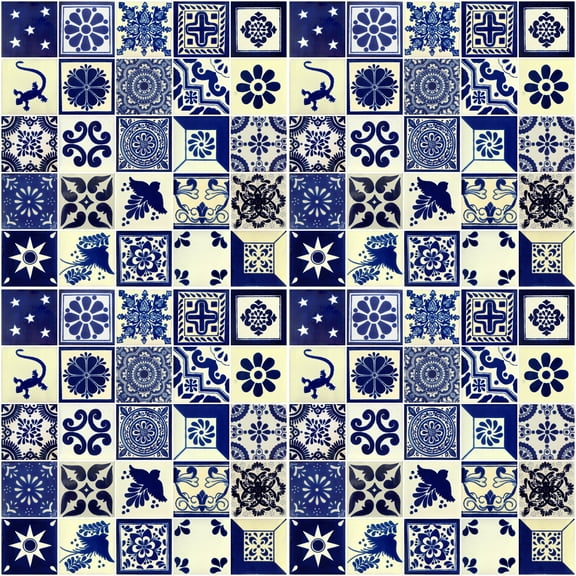
When you want a stronger design statement, you can look at patterned ceramic tile in entryways or backsplashes. You’ll often use white, gray, blue, beige, or multi-color palettes to coordinate cabinets, paint, and fixtures.
What to look for in finish and glaze
You should compare glossy, matte, textured, and glazed finishes based on the room’s lighting and daily use. You’ll see glossy surfaces reflect more light, while matte finishes soften glare.
For walls and backsplashes, you may like glossy or glazed ceramic tile because splatters wipe away easily. For floors, you may prefer matte or textured finishes where you want steadier footing.
You should also think about grout color when you compare finishes. You’ll notice dark grout outlines shapes clearly, while matching grout creates a calmer, more continuous surface.
Ceramic floor tile vs. ceramic wall tile
You can make a smarter choice when you compare tile strength, thickness, and intended placement together. You’ll want floor-rated pieces where chairs, shoes, and daily movement create repeated wear.
PEI ratings give you a simple way to match durability to traffic. You can view Class 1 for light traffic, Class 2 for lighter household use, Class 3 for moderate traffic, and Class 4 for heavier use.
You should treat slip resistance as an everyday comfort feature, especially in bathrooms, mudrooms, and shower floors. You’ll usually compare surface texture and room moisture before you decide.
Selecting ceramic backsplash tile and shower tile
You can use ceramic backsplash tile to protect painted walls from splashes while adding texture and color. You’ll often choose smaller formats or subway shapes when you want easy pattern layout.
For showers, you should check whether the tile is suited to wet-area use and frequent moisture. You’ll want to compare water absorption rate, finish, and grout joint spacing before installation.
You can also match shower walls, niches, and vanity backsplashes for a connected bathroom design. You’ll create contrast by mixing a simple field tile with hexagon or patterned accents.
Understanding installation needs and quantity
You can estimate quantity by measuring the length and width of each area in feet. You’ll multiply those numbers to get square footage, then total each section together.
After you measure, you should add about 10% extra for cuts, corners, and layout adjustments. You’ll appreciate that overage when you work around outlets, edges, and fixture openings.
You should also compare installation materials before you begin. You’ll need adhesive suited to the surface, spacers for even joints, and grout that fits the tile gap and room type.
For larger projects, you may also want tile cutters, trowels, grout floats, and leveling tools. You can keep your layout cleaner when you plan these supplies before the first row.
Using ceramic tile in real spaces
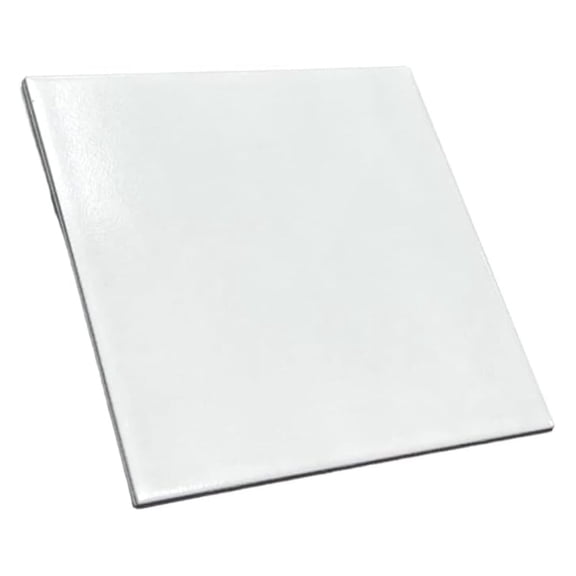
You can use white ceramic tile to brighten a small bathroom or narrow galley kitchen. You’ll make the room feel more open when you pair light tile with simple grout lines.
In busy kitchens, you may choose ceramic floor tile with a moderate or heavy-use PEI rating. You’ll get a practical surface that handles daily movement and cleans up with routine care.
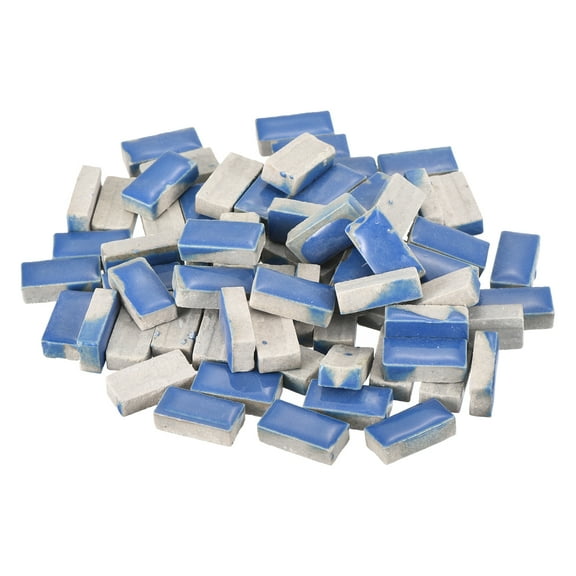
For a statement wall, you can combine blue or multi-color tile with matte fixtures and floating shelves. You’ll add pattern without covering the entire room in a bold print.
If you’re updating an entry or laundry room, you can compare square and hexagon formats for layout efficiency. You’ll often find smaller shapes help around corners, transitions, and tight spaces.
You can also coordinate tile with grout, trim pieces, and adhesive for a smoother project plan. You’ll finish with a surface that fits your room, your layout, and your installation goals.