

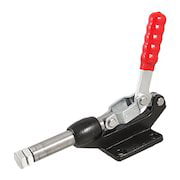
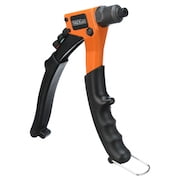
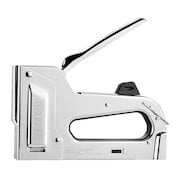
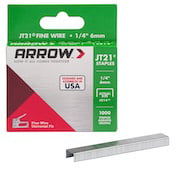
Clamps & Vise Grips
![Uwaomah Spring Clamps [10 Pack] – 4-Inch Clamps Heavy Duty with 30lb Grip Strength & 2" Jaw Capacity | Rust-Free for Backdrop with Non-Slip Pads | Heavy Duty Clamps, Crafts, DIY & Tarps](https://i5.walmartimages.com/seo/Uwaomah-Spring-Clamps-10-Pack-4-Inch-Clamps-Heavy-Duty-30lb-Grip-Strength-2-Jaw-Capacity-Rust-Free-Backdrop-Non-Slip-Pads-Heavy-Duty-Clamps-Crafts-DI_285c48be-23ef-43b9-be81-bc479f581173.b1b1bb9f06063e45e265bab9c60d5f37.jpeg?odnHeight=576&odnWidth=576&odnBg=FFFFFF)











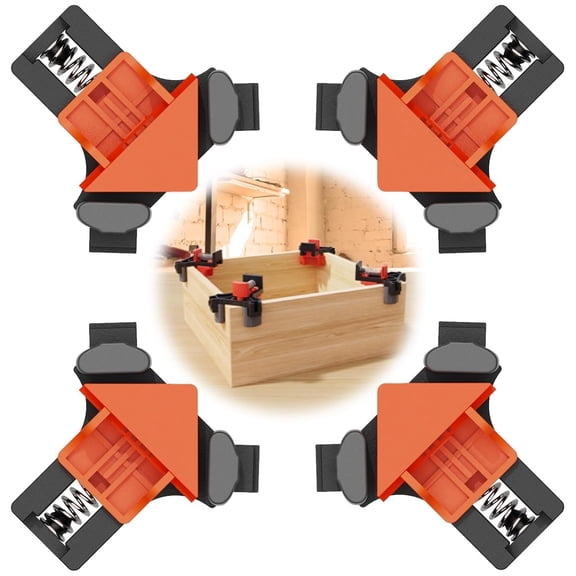
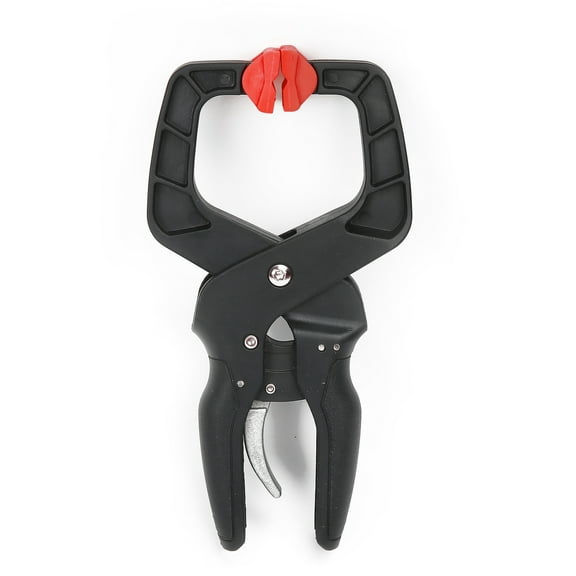
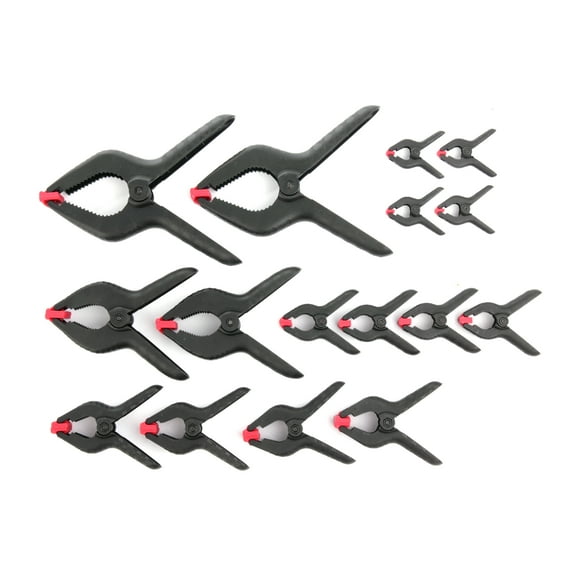
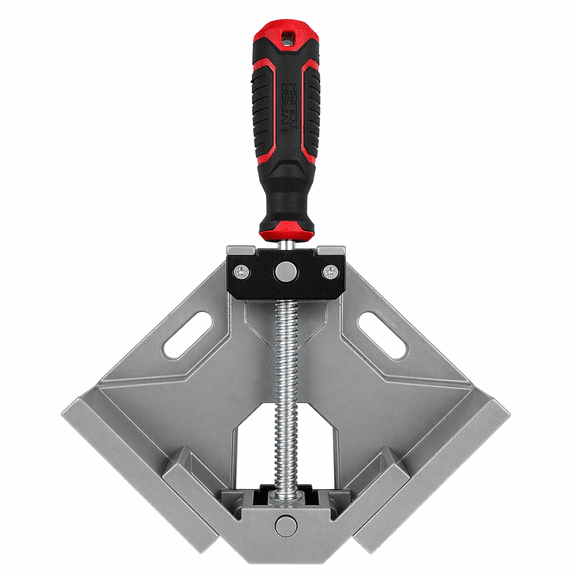










About Clamps & Vise Grips - Walmart.com
You can compare clamps and vises by hold type, jaw capacity, and mounting style, so your project parts stay steady while you cut, drill, glue, or shape. You’ll notice this category covers woodworking, metalworking, and general DIY tasks with tools built for very different bench setups and material sizes.
How to choose clamps and vises
When you compare tool type first, you can narrow your options faster and match your setup to the work in front of you. You may need bench vises for fixed holding, or you may prefer clamps for portable pressure across boards, pipes, or assemblies.
If you work at a bench every day, you may look for bench vises with a fixed or swivel base. If you move from station to station, you may prefer clamp-on styles or portable hand screws that adjust without permanent mounting.
Project material also shapes your choice. You’ll often want woodworking clamps for glue-ups and panel alignment, while metalworking tasks may call for firmer holding and heavier construction.
Choosing between bench vises and bar clamps
You can use bench vises when you need both hands free for filing, sawing, tapping, or drilling. You’ll get a stable grip on stock that needs repeated pressure in one position.
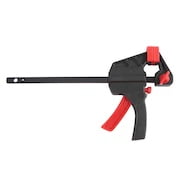
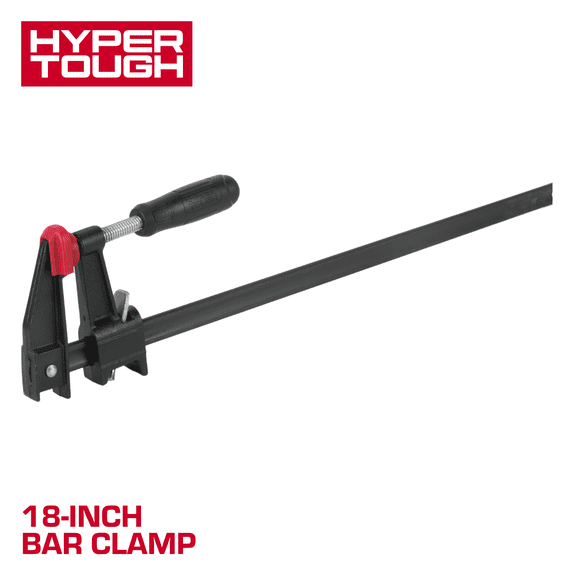
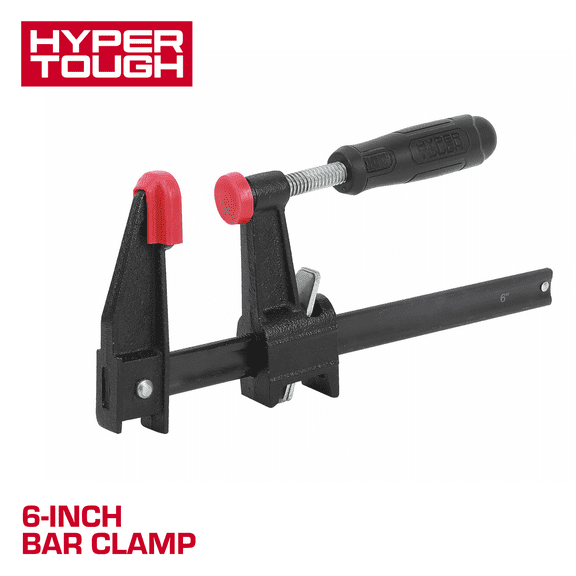
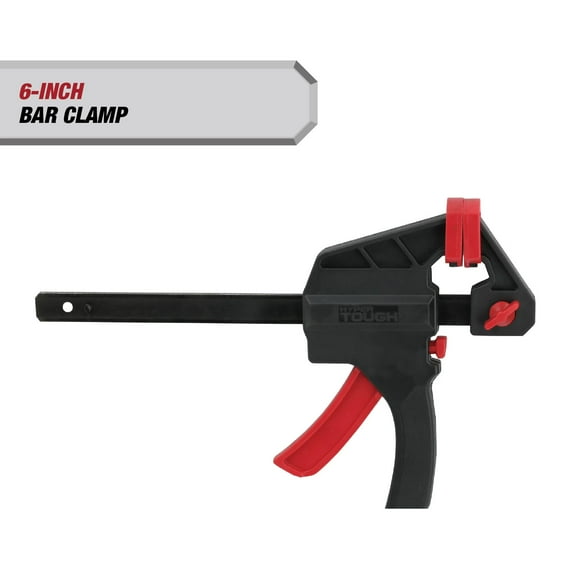
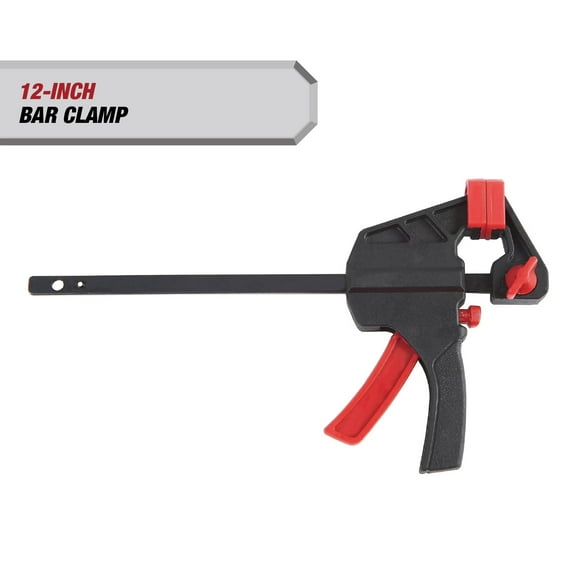
You may choose bar clamps when you need even pressure across longer boards, frames, shelves, or edge-glued panels. You’ll often find that longer clamp bars help you span wide workpieces that a vise can’t hold.
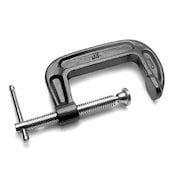
C-clamps suit compact jobs where you need targeted pressure in a smaller area. Hand screws give you adjustable wooden jaws that can grip angled or delicate parts with more control.
- You can use bench vises for repeat bench tasks that need a fixed holding point.
- You can use bar clamps for panel glue-ups, cabinet parts, and wide assemblies.
- You can use C-clamps when your space is tight and your hold needs to stay concentrated.
- You can use hand screws when your workpiece has unusual angles or finished surfaces.
What to look for in jaw opening capacity
You should match jaw opening capacity to the size of your workpiece, not just the tool’s overall shape. You’ll usually see common sizes like 3 inch, 4 inch, 6 inch, and 8 inch openings.
If you handle trim pieces, light hardware, or compact hobby stock, you may only need a smaller opening. If you work with thick blocks, pipe, or wider assemblies, you’ll want more room between the jaws.
You should also compare jaw width and throat depth because those numbers affect how much surface your tool actually grips. You’ll notice a wider jaw can spread pressure more evenly across flat material.
Throat depth matters when you need to reach farther from an edge. You can often clamp or secure deeper into a panel when your tool gives you more reach.
Comparing duty levels and holding force
You can sort light duty, medium duty, and heavy duty clamps by the amount of pressure your project needs. You’ll usually want heavier holding force for rigid materials, repeated shop use, or thicker stock.
Light duty options can work well when you’re positioning small parts, hobby materials, or quick repairs. Medium duty tools often fit home workshops where you need regular use without oversized hardware.
Heavy duty clamps make sense when your assemblies are larger or your materials resist movement under pressure. You’ll appreciate that extra holding force when you’re gluing long boards or securing metal pieces at the bench.
You should also compare construction materials like cast iron and steel. You’ll often choose cast iron for stable bench mounting, while steel parts can support frequent adjustments and shop wear.
Choosing the right base type for your bench vises
You can improve bench workflow by checking whether a swivel base, fixed base, vacuum base, or clamp-on design fits your station. You’ll want a mounting style that matches how permanent or flexible your setup needs to be.
A swivel base helps you reposition your work without removing it from the jaws. You can turn the vise toward your cutting, sanding, or drilling angle with fewer interruptions.
A fixed base suits benches where your work stays in one direction and stability matters more than repositioning. Vacuum and clamp-on styles can help when your space is shared, temporary, or used for smaller portable tasks.
Using woodworking clamps and vises for specific projects
You can use woodworking clamps for cabinet doors, tabletop glue-ups, trim fitting, and frame alignment. You’ll usually want even pressure and enough bar length to keep boards flat while adhesive sets.
For metalworking, you may prefer bench vises with wider jaws and sturdy bench mounting. You can secure rod, plate, and hardware while you saw, file, or shape parts more accurately.
If your project changes often, you may keep several tool types on hand instead of relying on one setup. You’ll gain flexibility by pairing a bench vise for bench work with bar clamps for larger assemblies.
You can also compare jaw pads, handle style, and release mechanisms when speed matters during repeated adjustments. You’ll notice small design differences can make frequent repositioning smoother during longer shop sessions.
You can choose clamps and vises with more confidence when you compare tool type, jaw capacity, duty level, and base style together. You’ll end up with steadier workholding that fits your bench, your materials, and your project pace.