

C-Clamps in Clamps
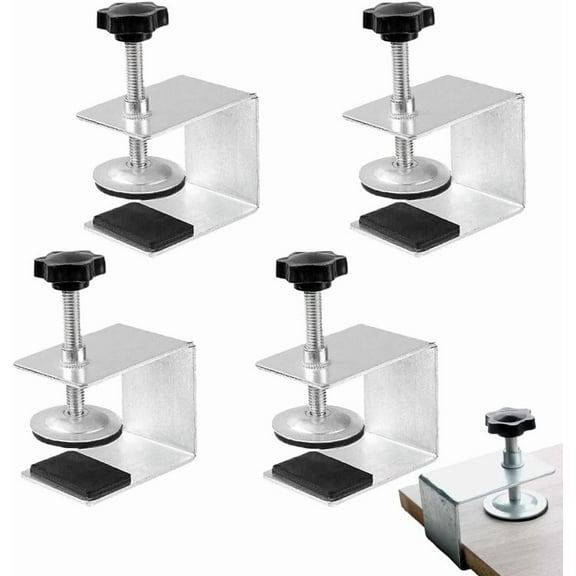


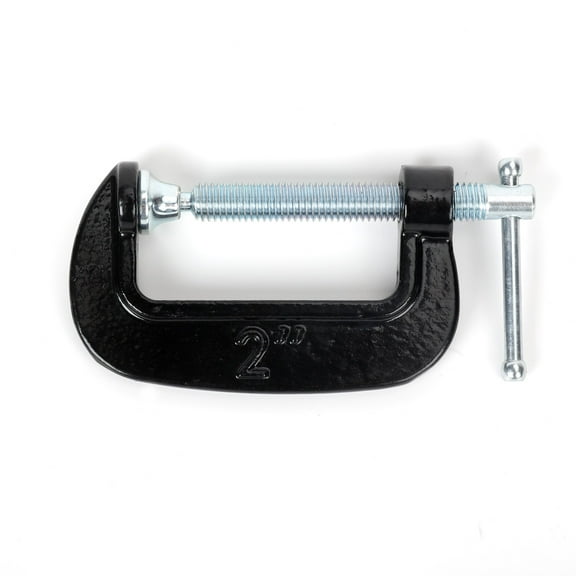
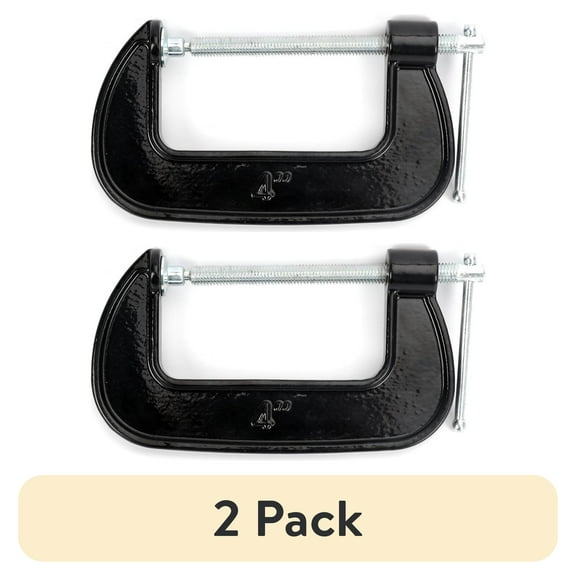
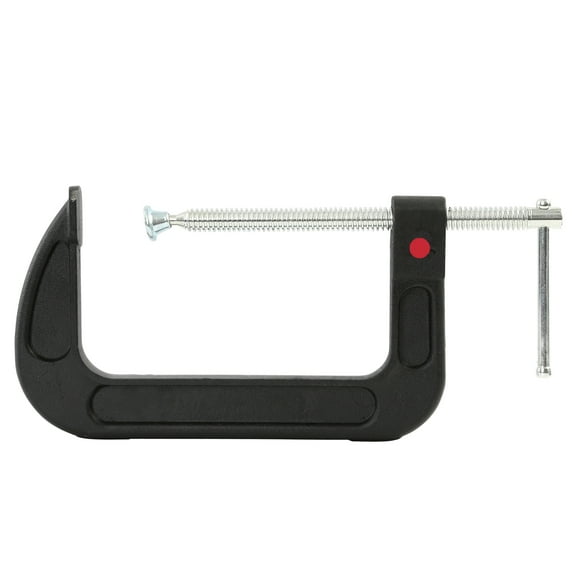
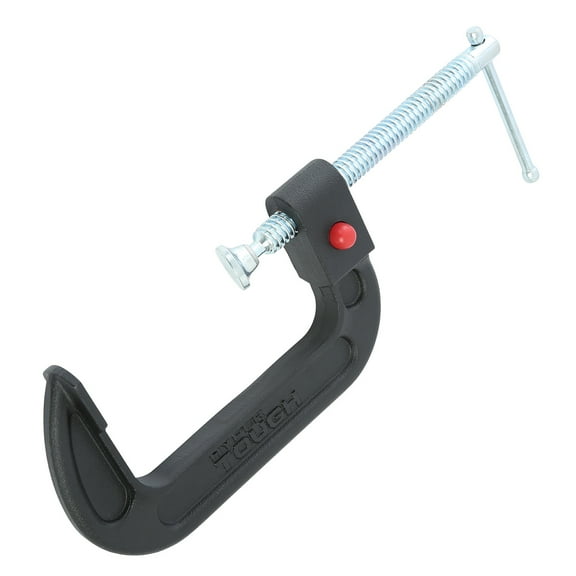

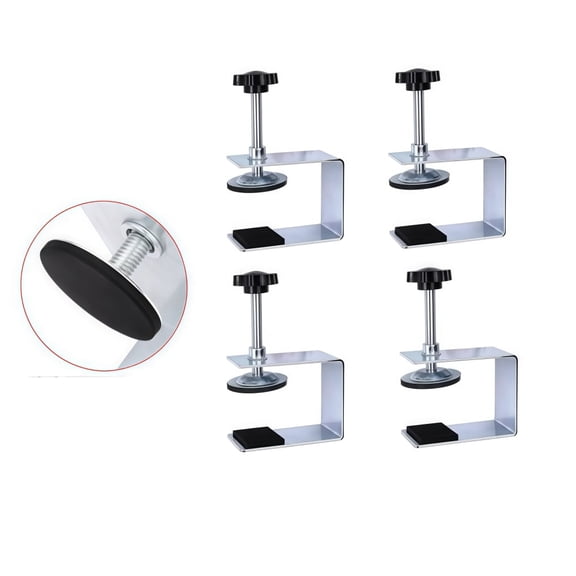
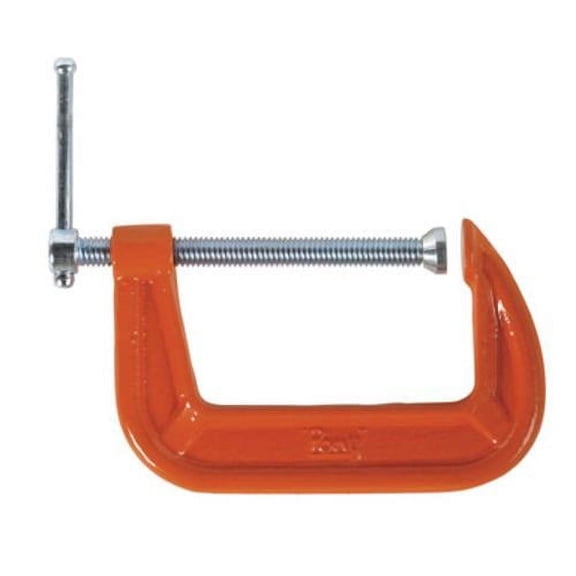


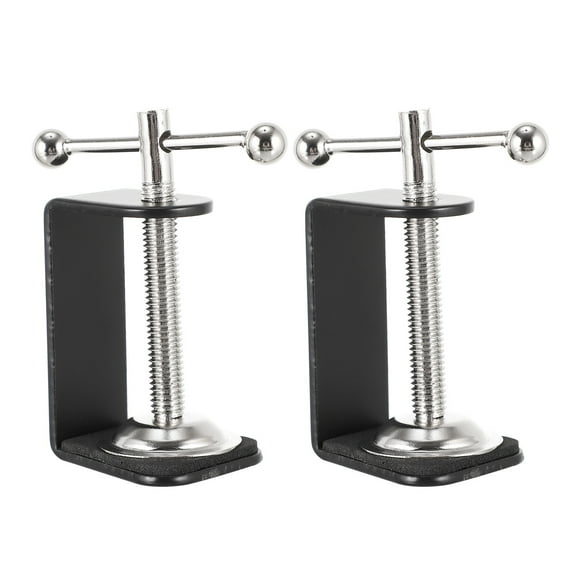


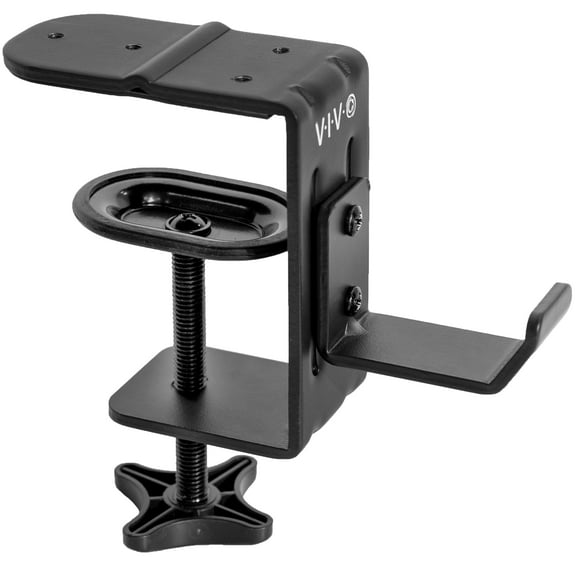

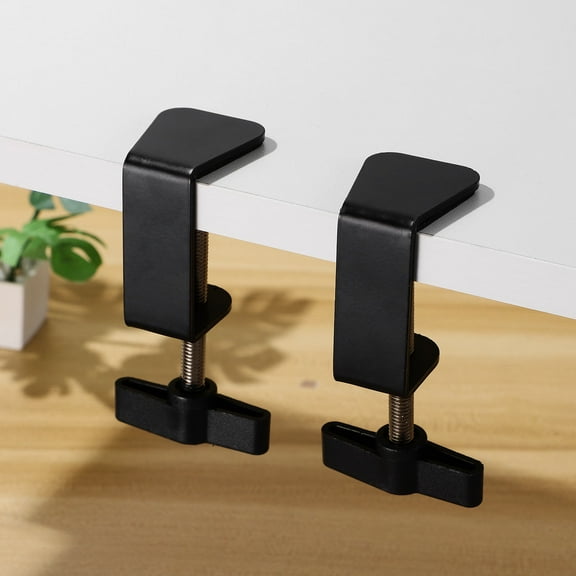
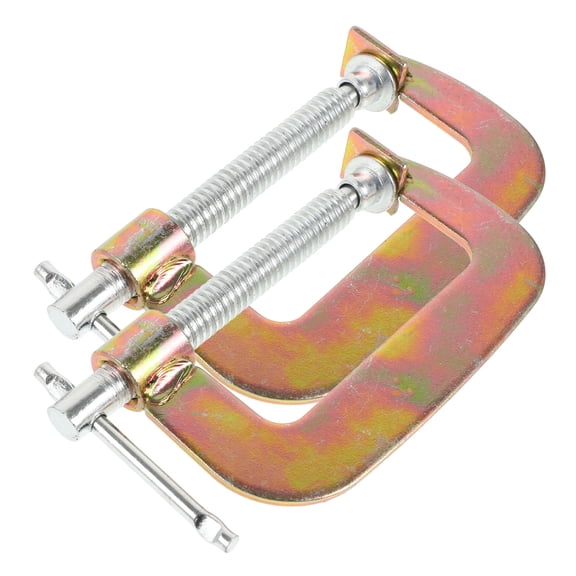
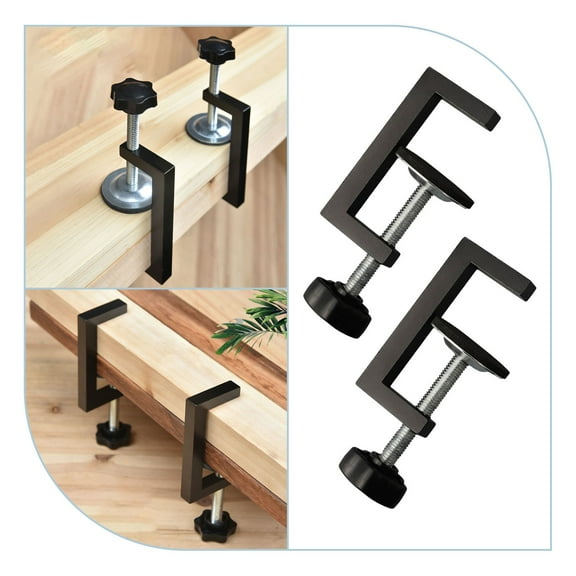
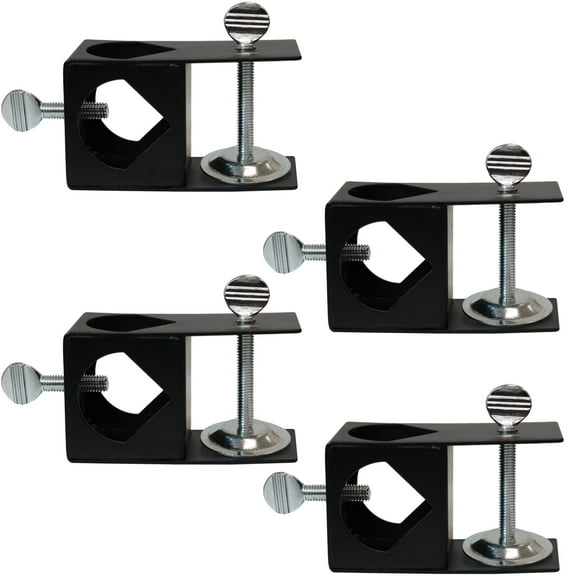
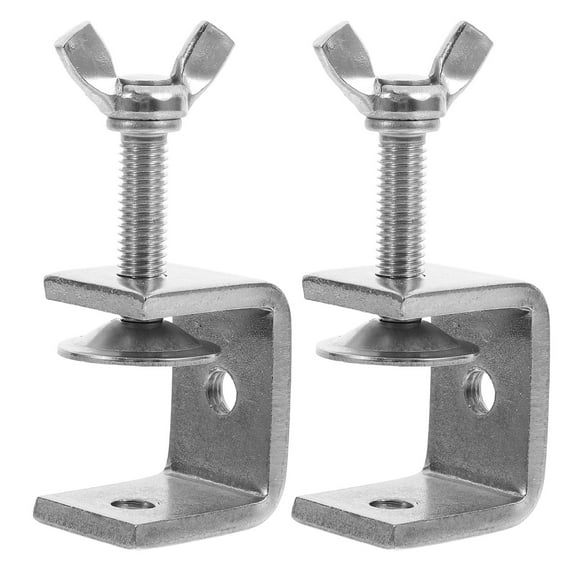


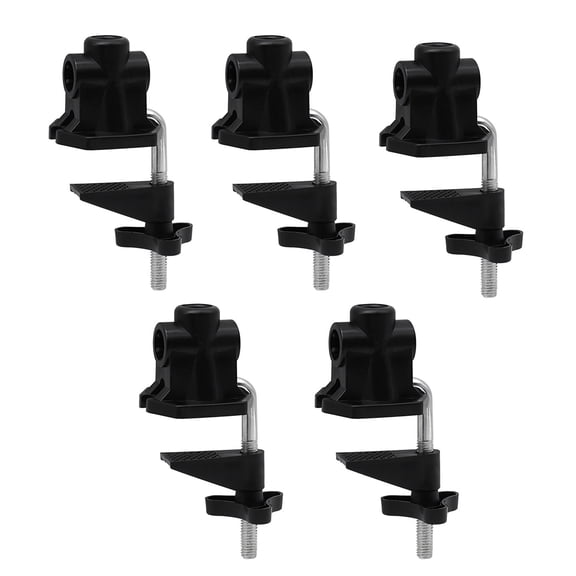





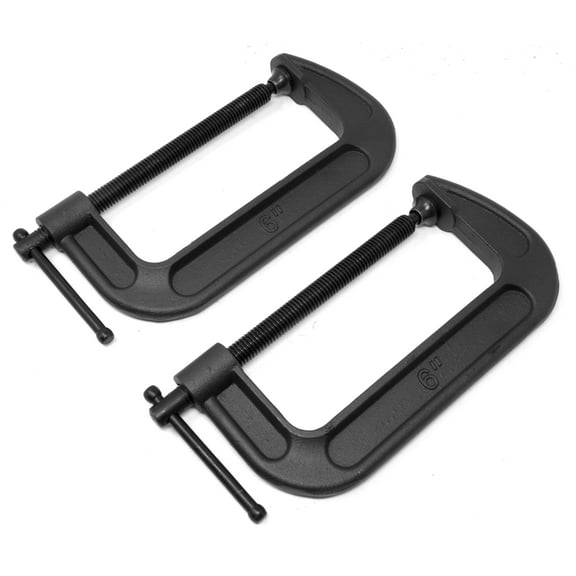
About C-Clamps in Clamps - Walmart.com
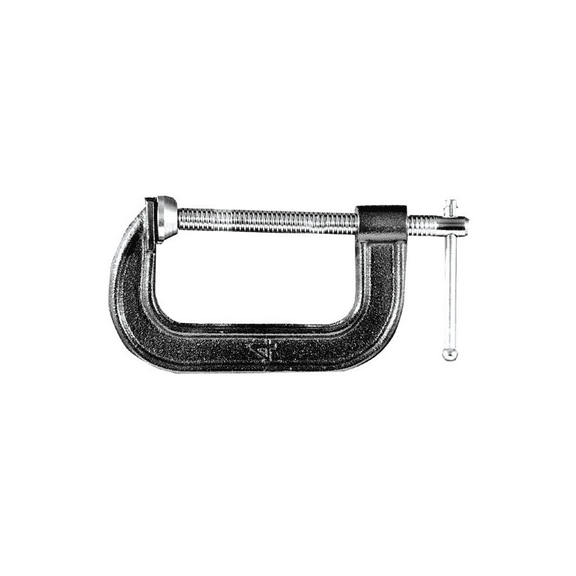
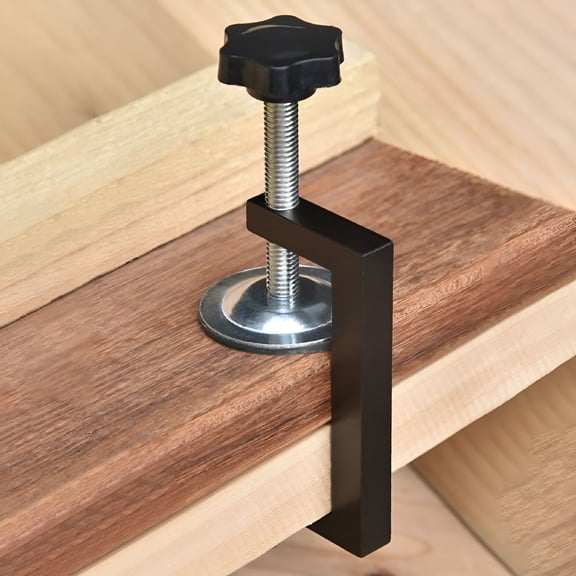
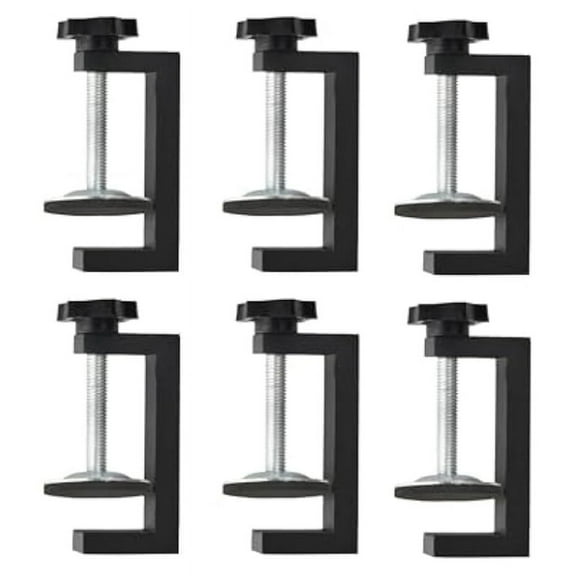
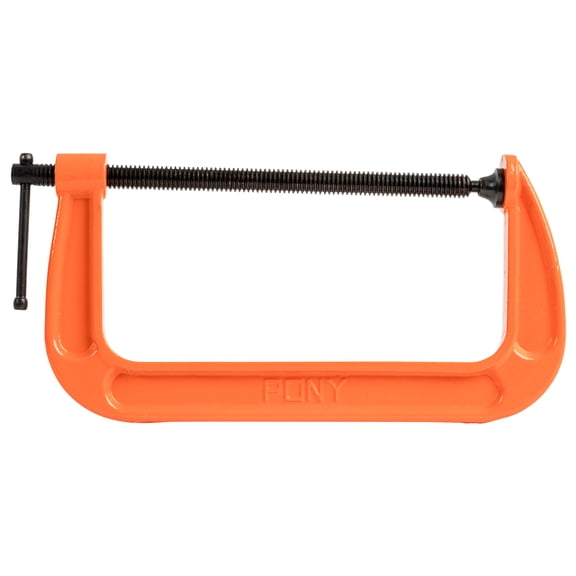
A c clamp helps you hold workpieces steady for cleaner cuts, tighter glue-ups, and controlled drilling across wood, metal, and repair tasks. This category brings together small c clamps, heavy-duty frames, and assorted throat depths that fit bench work, welding tables, and cabinet assembly. You can compare screw styles, pad designs, and frame materials in one place. That makes it easier to match clamp pressure and reach to the job at hand.
C clamps for steady holding power
Reliable clamping keeps parts from shifting while you saw, sand, glue, or fasten. A secure hold supports straighter layouts and cleaner assembly steps. C-clamps also fit tight spots where bar clamps can feel bulky. Their open frame makes edge work and bench mounting easier on many projects.
- Use them for woodworking glue-ups, trim fitting, and jig setup.
- Choose them for metalworking tasks, welding prep, and shop fabrication.
- Keep small c clamps handy for hobby work, model building, and light repairs.
- Pick larger openings when you need more reach across boards or pipe.
Many shoppers want one clamp that works across several materials. A c clamp can handle boards, sheet goods, tubing, and shop fixtures with the right pad and screw design. The shape is especially useful for edge joining and holding stock to a workbench. That category-specific control matters during drilling, filing, and finishing steps.
How to compare c clamp features
Frame material changes how a clamp feels and performs. Ductile iron frames are common for shop use, while steel options can suit fabrication setups and repeated tightening. Screw threads matter too. Smooth threads can feel easier to turn during repeated adjustments.
Opening capacity tells you the thickest material the clamp can span. Throat depth shows how far the clamp reaches from the edge inward. Those two measurements are key buying points for this category. They decide whether the clamp fits a cabinet face frame, a pipe section, or a welding plate.
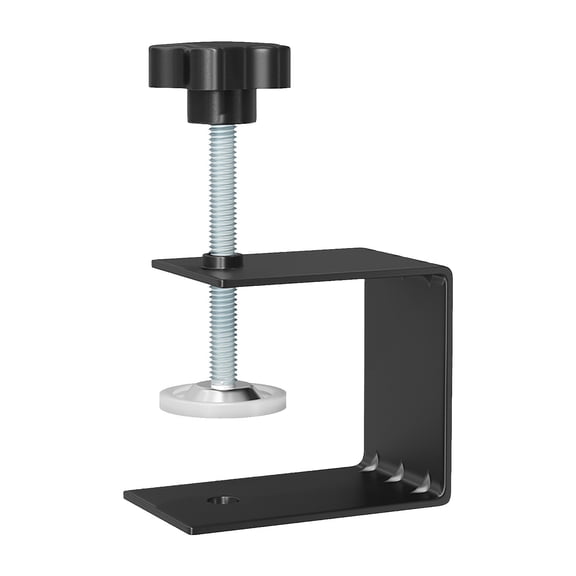
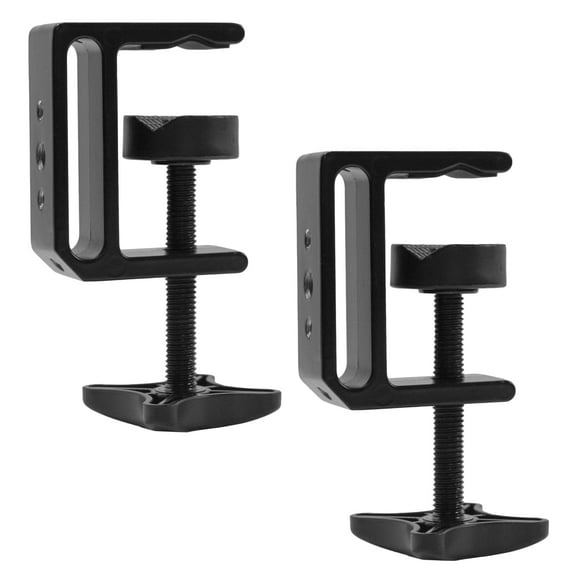
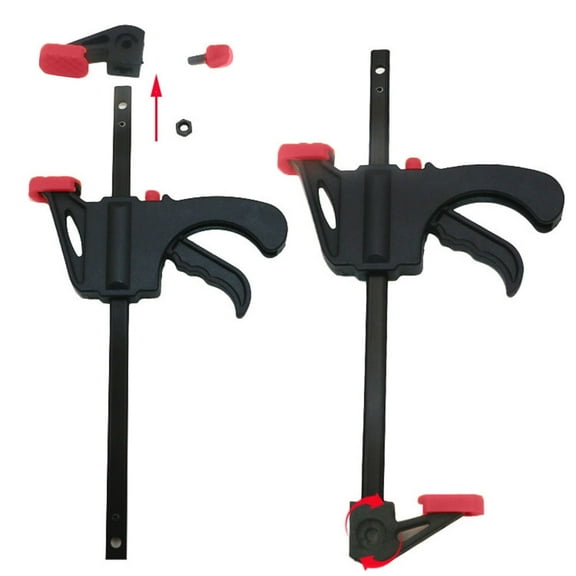
Look closely at swivel pads and handle styles. Swivel pads help the clamp sit flatter on uneven surfaces. T-handles and sliding tommy bars create different tightening feel and leverage. Some shoppers also compare standard screw models with a click clamp or quick-release style. That can speed setup when you reposition often.
Protective pads are useful when appearance matters. They help reduce marks on painted trim, finished wood, and laminated panels. For heavier shop use, many buyers focus on frame rigidity, screw travel, and stable pad contact instead.
Small c clamps and job-specific uses
Small c clamps are a smart fit for detail work and compact spaces. They’re useful for holding thin stock, craft pieces, and small assemblies where oversized tools get in the way. You can use them to secure drawer parts, picture frames, and light-duty jigs. Their smaller footprint also stores easily in a toolbox or work apron.
For woodworking, c-clamps often hold boards during glue curing and edge treatment. They’re also useful when attaching guides to a work surface for repeat cuts. In metal shops, they can steady flat bar, angle stock, and plates during layout and tack-up. That broad range makes them a practical choice for mixed-material workspaces.
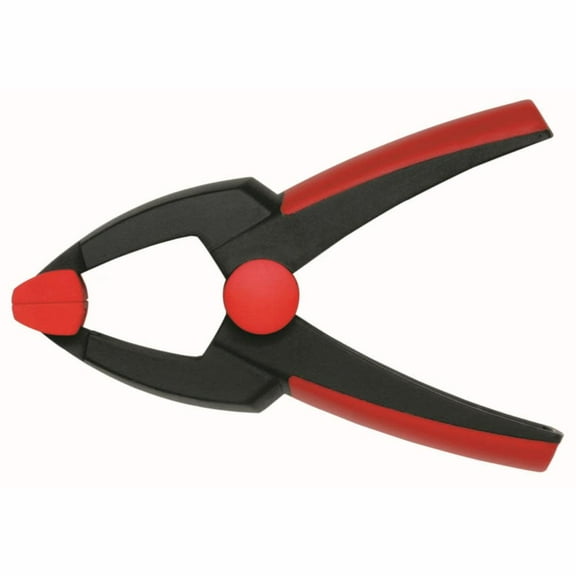
If you’re comparing a c clamp alternative, think about access and pressure style. Spring clamps work fast for lighter holding, while locking clamps can suit quick positioning on some shapes. Bar clamps cover wider panels, but they may not fit narrow edges as neatly. C-clamps stand out when you need concentrated pressure in a compact frame.
Some projects call for several sizes in one setup. A deeper throat can reach farther onto a panel, while a smaller body fits corners and close clearances. Matching clamp size to material thickness helps you work more efficiently. It also helps you place pressure exactly where the joint needs support.
What experienced buyers look for
Experienced shoppers usually start with opening size, throat depth, and frame material. Those details affect fit, reach, and overall handling during repeated use. Threaded screw movement is another practical checkpoint. A smooth-turning screw helps with quick adjustments between parts.
Pad contact matters when surfaces vary. A stable swivel pad can sit more evenly on angled or slightly uneven material. Buyers also check handle shape for grip and turning control. These small design details can make repeated clamping feel simpler during assembly sessions.
When your work ranges from trim to metal brackets, keeping several c clamps on hand gives you flexible holding options. The right mix helps you secure material accurately, apply focused pressure, and keep projects aligned from setup through final fastening.