

Lifting Equipment and Tool Storage Solutions













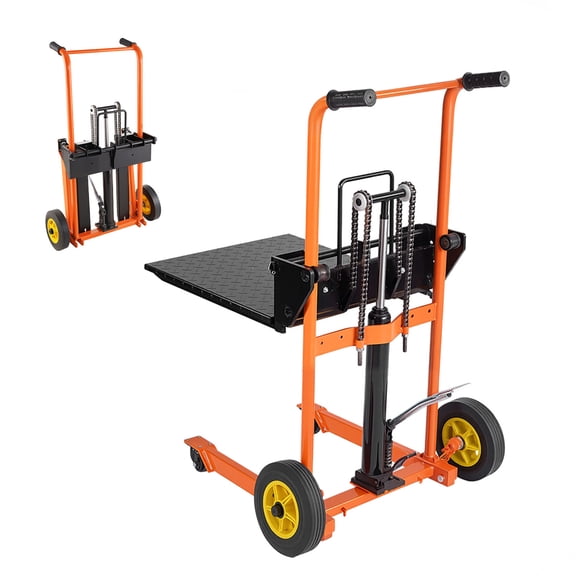


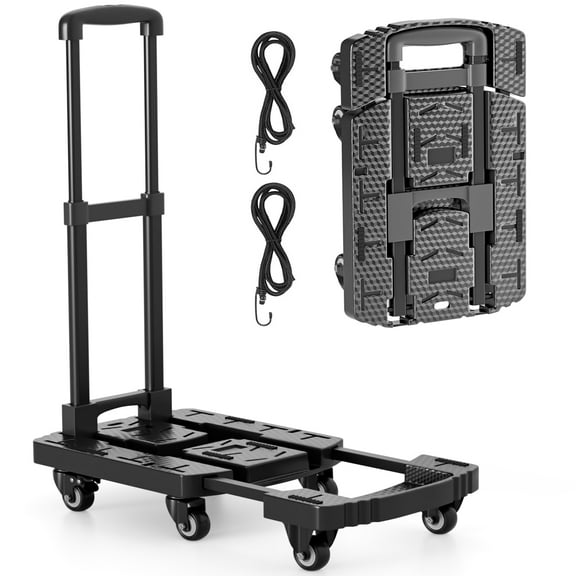


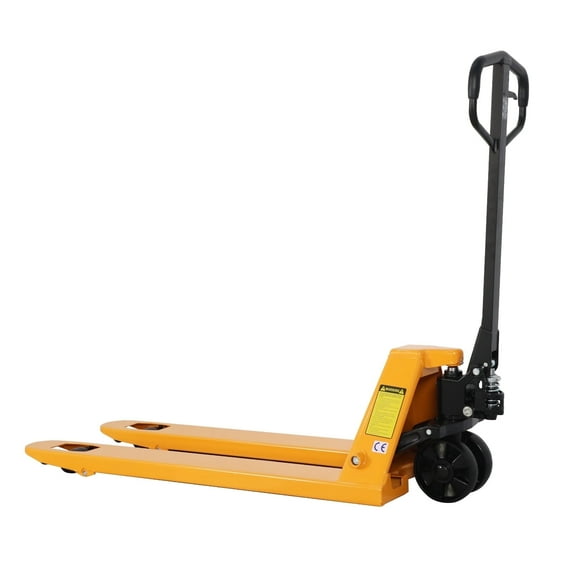
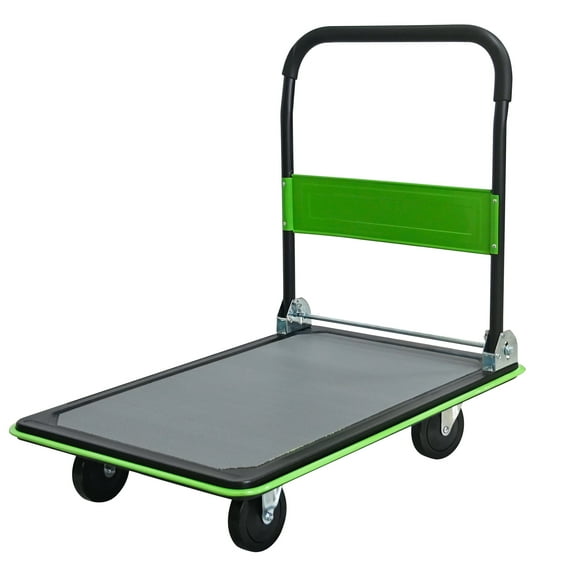



















About Lifting Equipment and Tool Storage Solutions - Walmart.com
Your lifting equipment choice gets easier when you compare load capacity, mechanism, and workspace fit first. That approach helps you sort hoists, jacks, cranes, and winches by the jobs you handle.
How to choose lifting equipment for your job
Start with equipment type because each design supports a different kind of motion. Your project may call for jacks for vehicle lifting, hoists for suspended loads, winches for pulling, or cranes for extended reach.
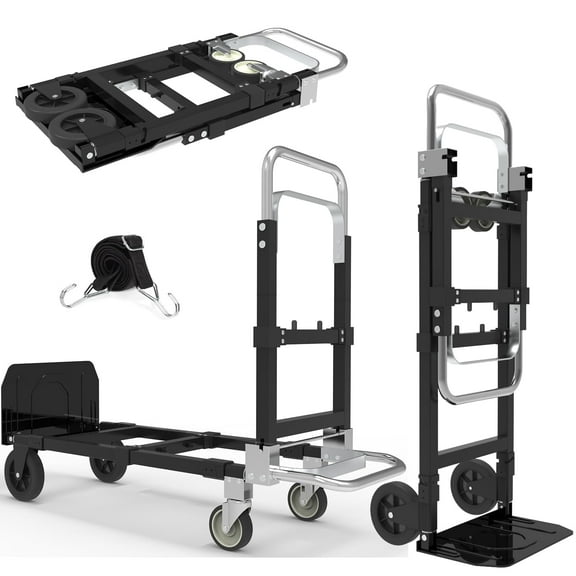
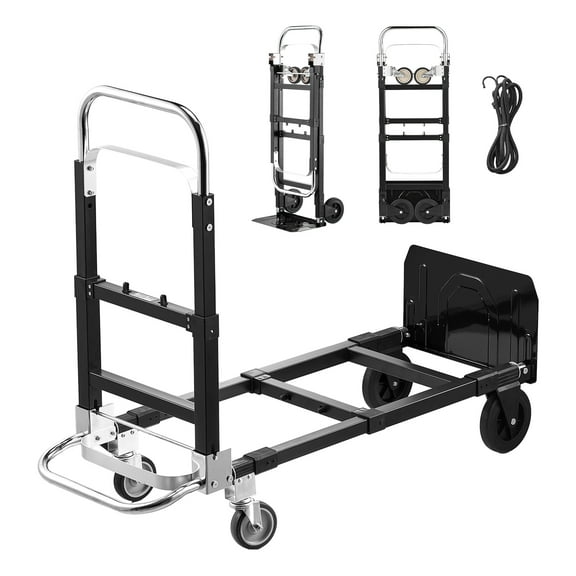
When you compare material handling equipment, match each option to your floor space and setup routine. A compact frame can suit your tighter areas, while a larger base can fit your wider lifting path.
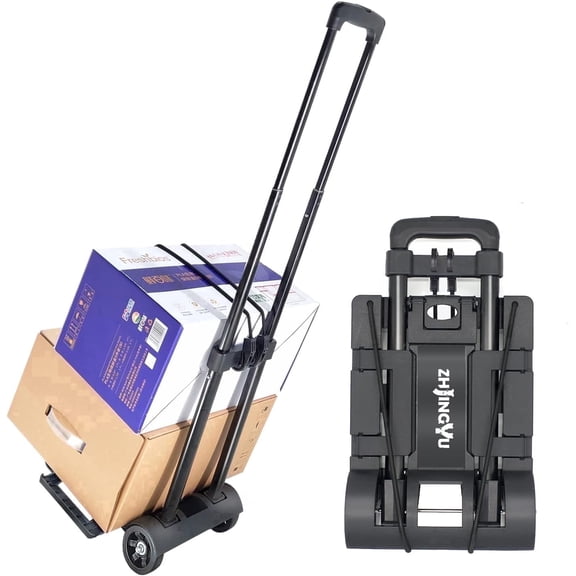
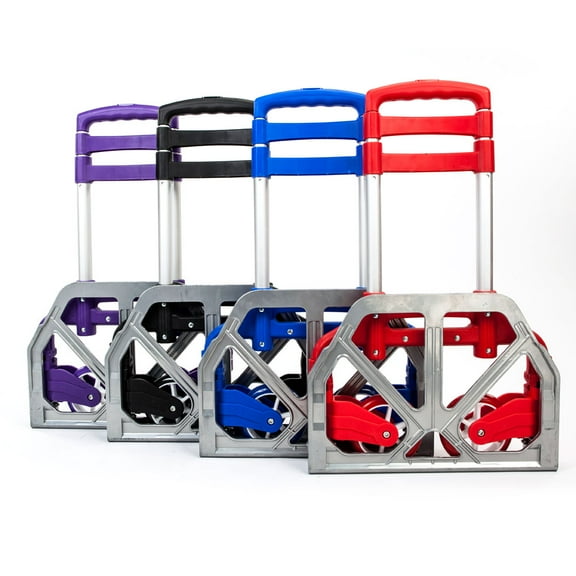
Another key step is checking how often the unit moves between tasks or storage spots. For your home garage, portable designs can fit well, while larger frames can suit your steady warehouse routine.
Choosing load capacity and power source
Check load capacity first because that rating shapes your short list. Your options may include one ton, two ton, five ton, and heavy duty lifting equipment for larger jobs.
Weight ratings help you compare real tasks with the tool's intended range. A clear capacity match can support your planning for repeated lifts, overhead work, or vehicle service setups.
Next, compare hydraulic, electric, manual, and pneumatic designs by effort and speed. Hydraulic systems can give your job strong lifting force, while electric models can suit your repeated lifting cycles.
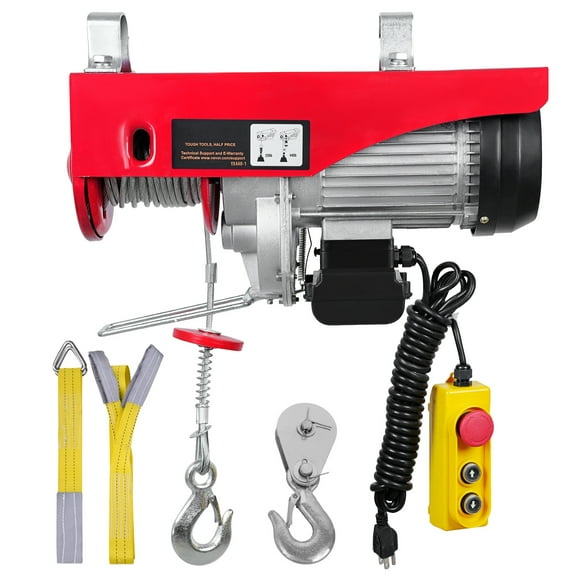
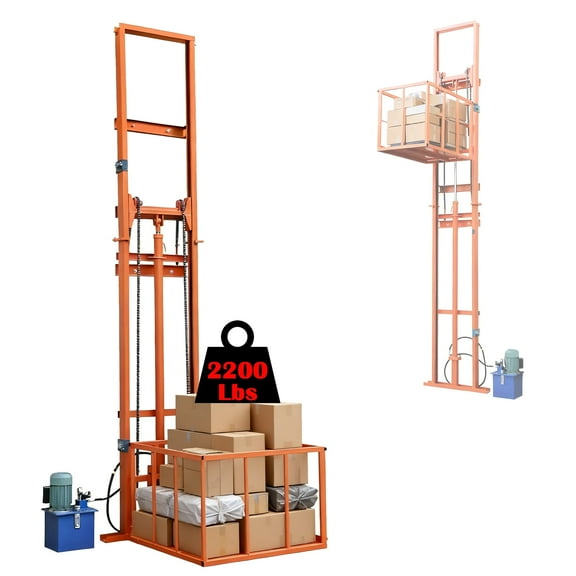
- Your hoist setup can work well when you need vertical lifting from an overhead point.
- Your jack choice can make sense when vehicle service needs ground-based lifting and compact storage.
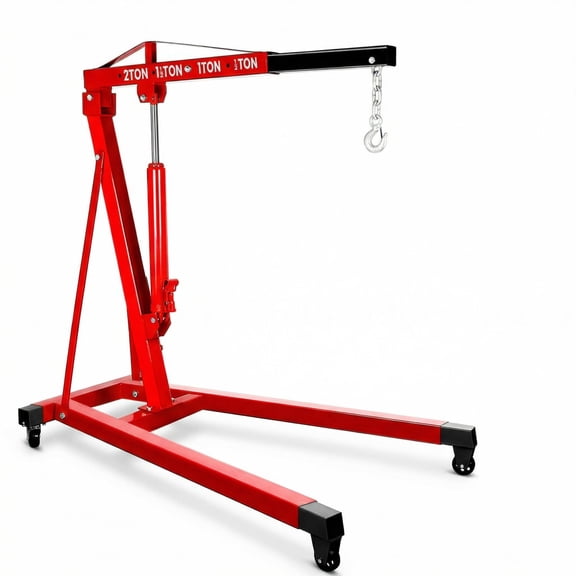
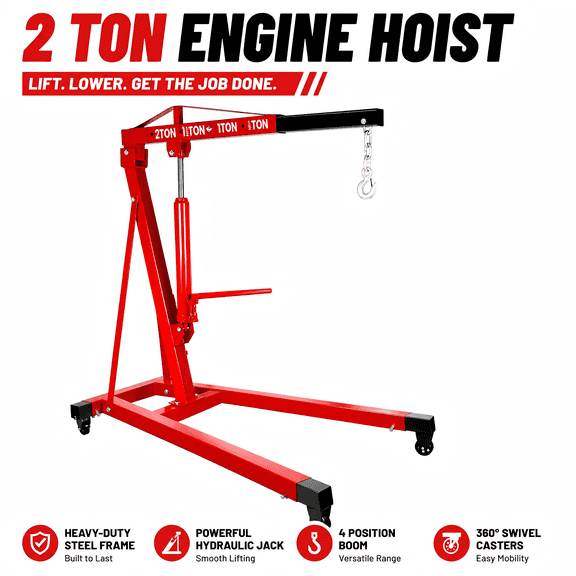
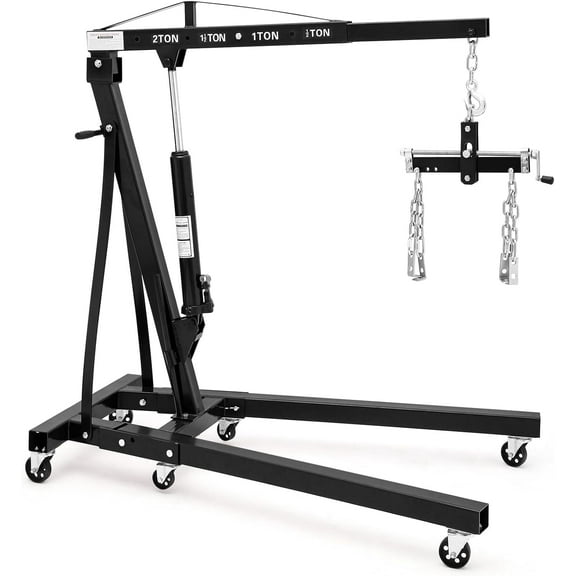
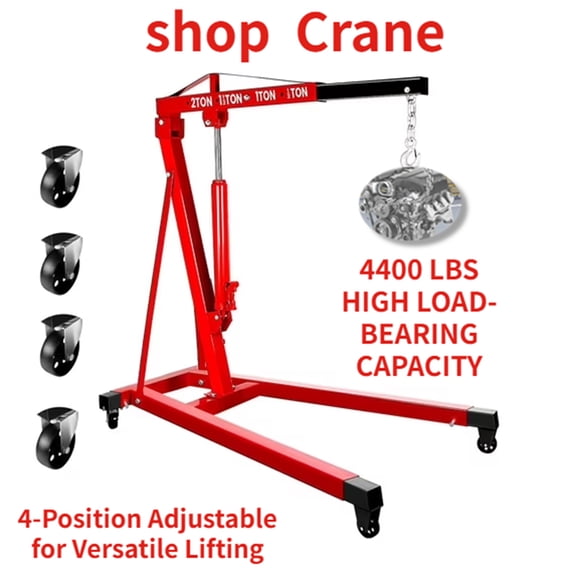
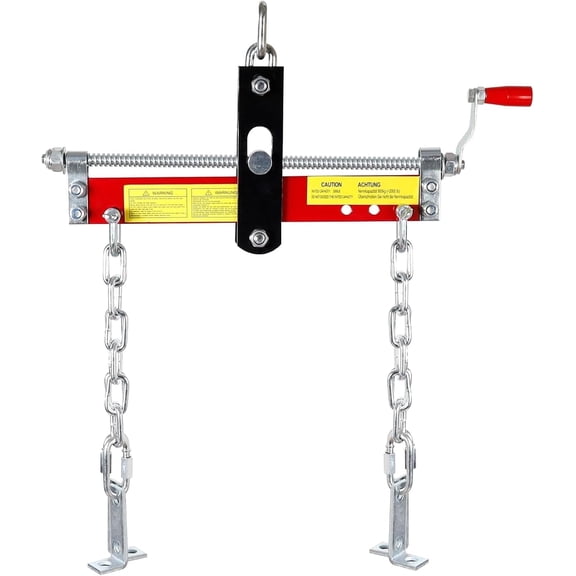
- Your crane comparison can focus on reach, positioning control, and shop lifting cranes for wider work zones.
- Your winch selection can fit pulling, tensioning, or moving equipment along a fixed path.
Before you choose larger industrial lifting tools, measure your storage area carefully. That step can help your setup fit handle length, frame size, and lifting height requirements without crowding the space.
What to look for in heavy duty lifting equipment
Construction details matter when your equipment sees frequent use and steady handling. Your checklist may include reinforced frames, stable bases, solid hooks, and durable finishes for demanding settings.
Reliable control also matters because your lifting routine depends on clear operation. Look for readable load markings, secure locking points, and controls that give your team a consistent feel.
Lift range, reach, and travel speed can shape your final decision. An electric option can suit your repeated cycles, while a manual setup can fit occasional tasks and simpler storage needs.
In shared work areas, straightforward controls can support training and handoffs between users. For your tighter garage, compact designs can fit shelves, corners, and narrow work zones easily.
Matching material handling equipment to your application
Automotive projects often start with jacks and hoists that fit under vehicles and around service bays. Your comparison should include minimum height, maximum lift, and storage footprint before setup day.
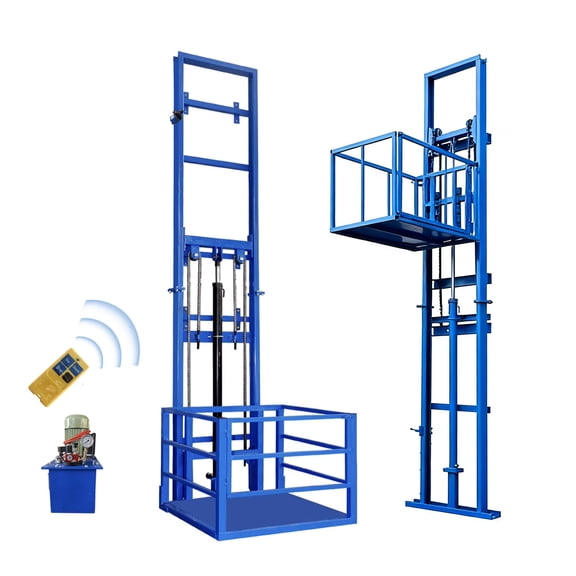
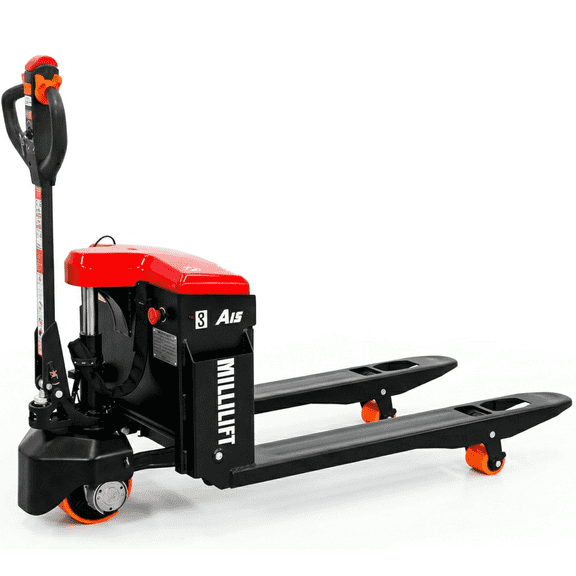
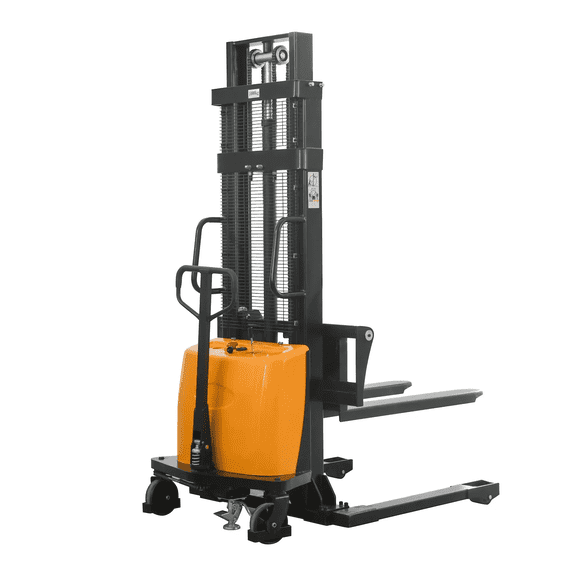
Industrial warehouse tasks may call for cranes, hoists, and other material handling equipment with steady reach. In your workflow, repeat movement between pallets, benches, and loading zones can shape the right choice.
A home garage can benefit from manual or hydraulic options that store neatly after use. Along your walls or shelves, smaller frames and shorter handles can fit compact work zones without wasting space.
Work frequency and item size can guide your final choice. Electric power can suit your repeated motion, while manual control can match occasional setup and smaller spaces.
Key differences between industrial lifting tools
Compare lifting direction because each tool handles motion in its own way. Some options support your straight vertical travel, while others can pull, position, or extend outward.
Mechanism choice also changes how much effort your task requires. Hydraulic power can add force, electric power can support repetition, and manual designs can keep your operation straightforward.
A practical comparison of capacity, footprint, and application can make your decision easier. When your lifting equipment fits your load, your space, and your routine, your setup stays more organized.
With the right match, your team can plan around rated capacity, movement type, and setup space with fewer surprises. That approach can support smooth lifting in your garage, shop, or warehouse.