

Woodworking Tools in Tools



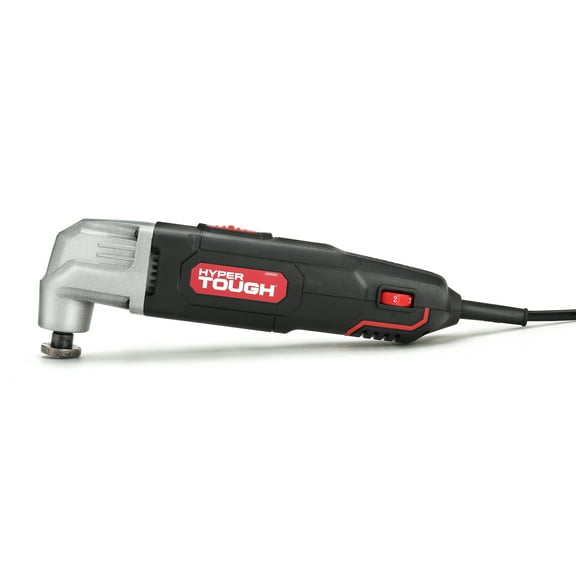
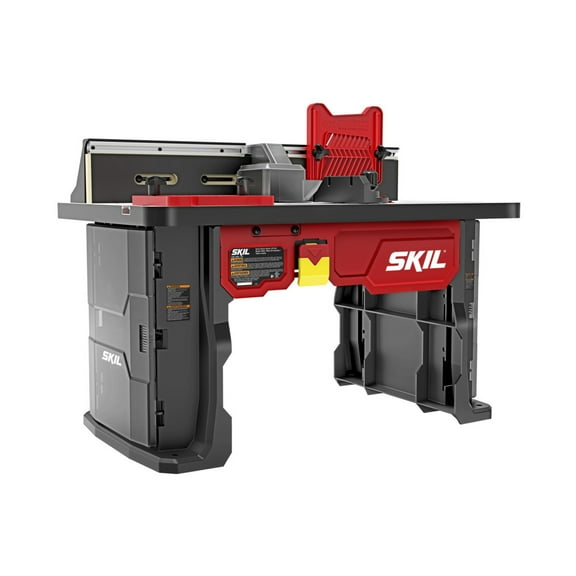

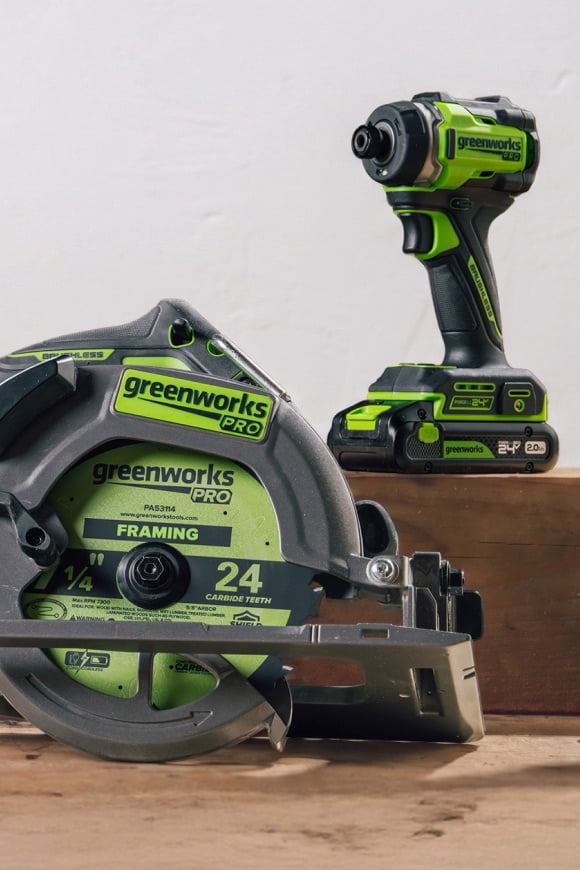
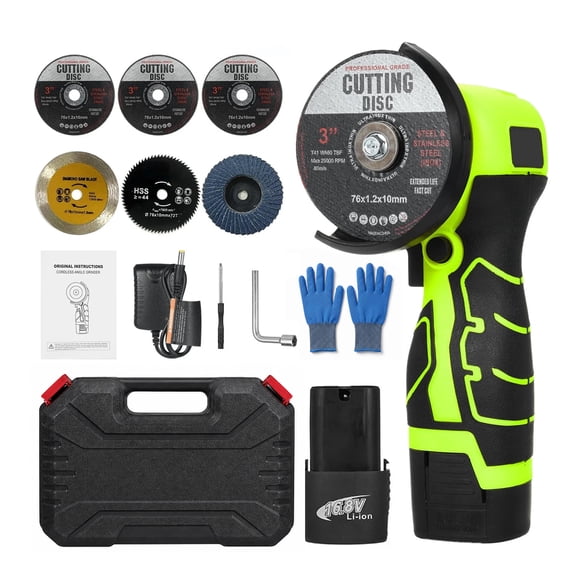
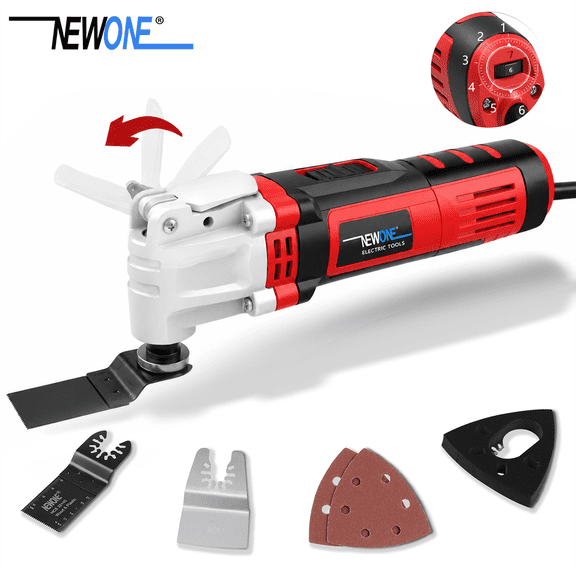
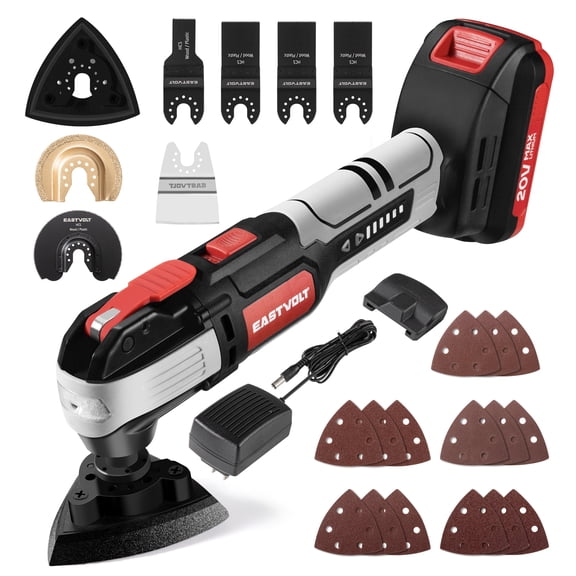


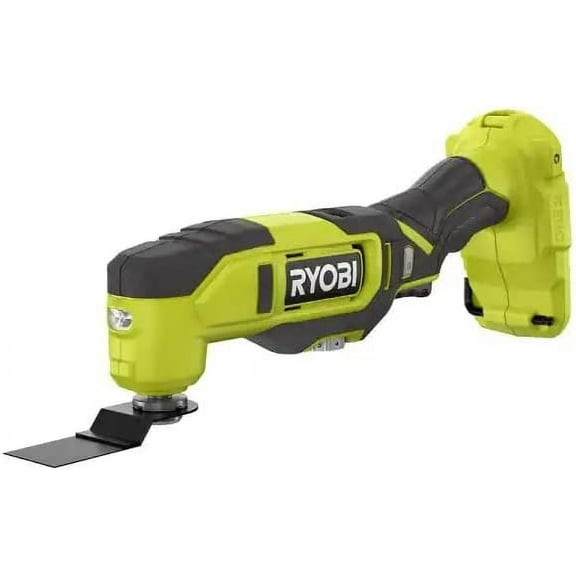


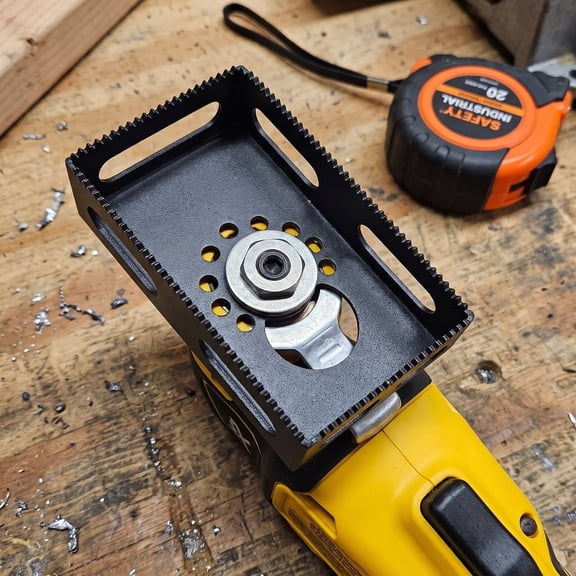


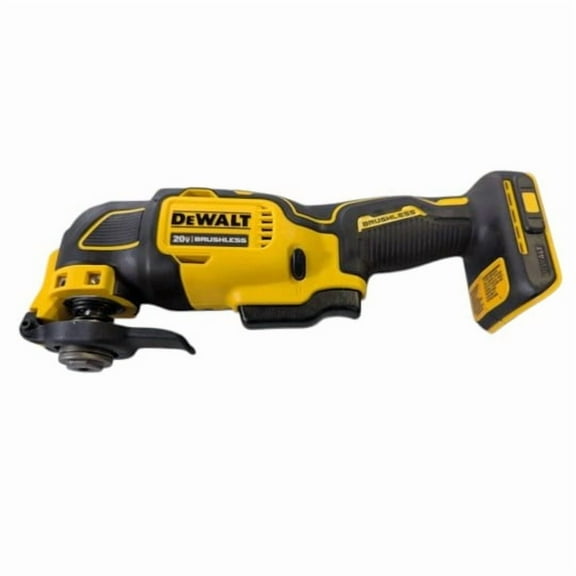



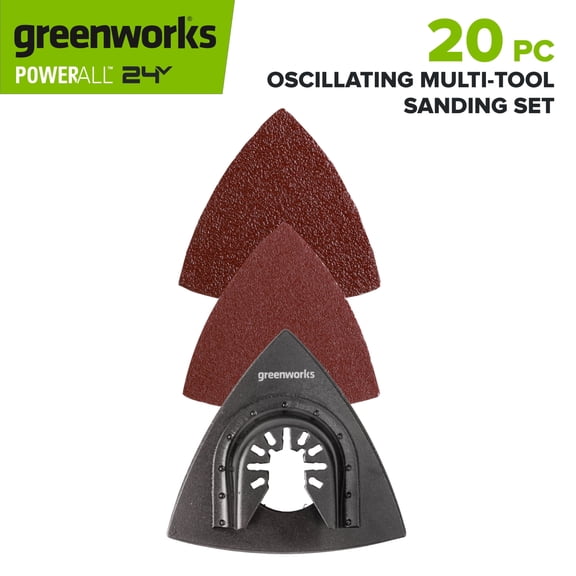




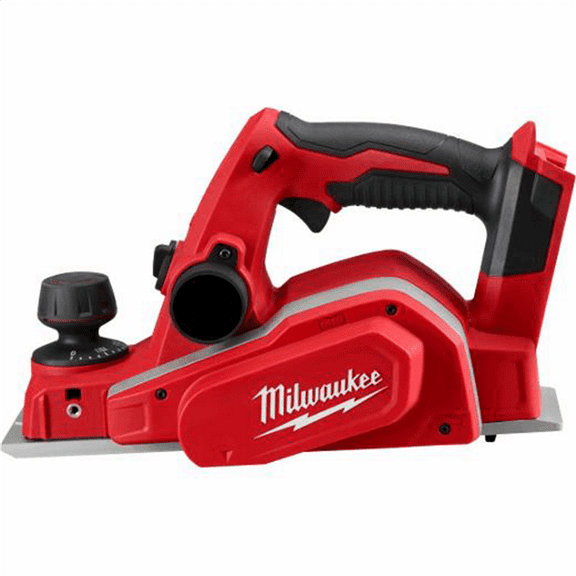

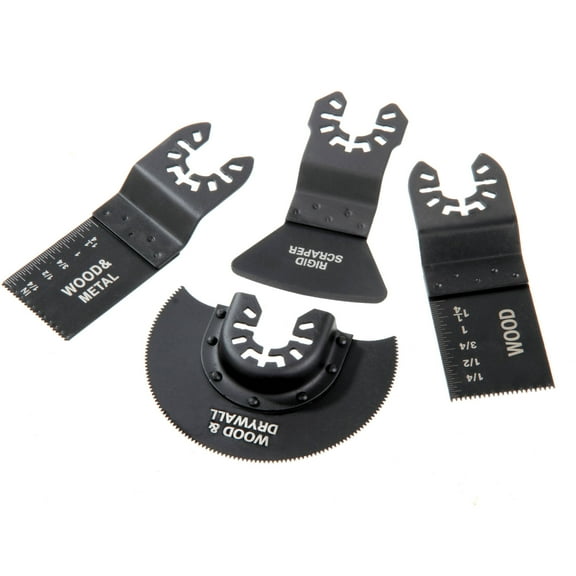
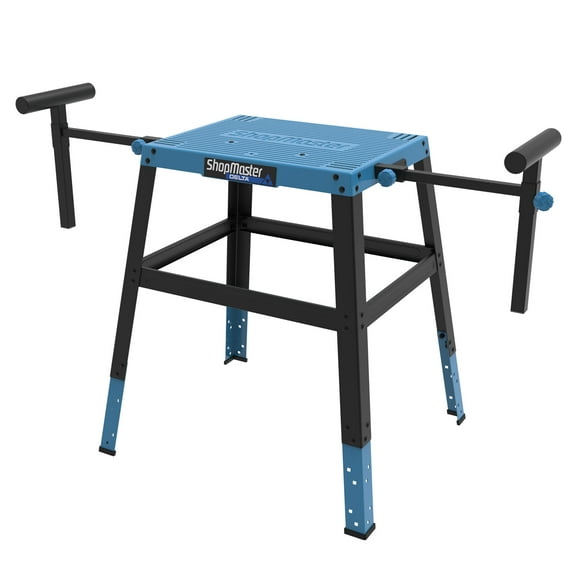



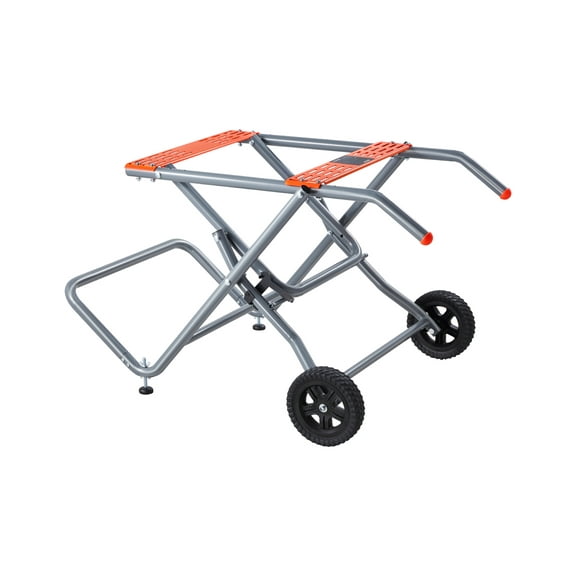
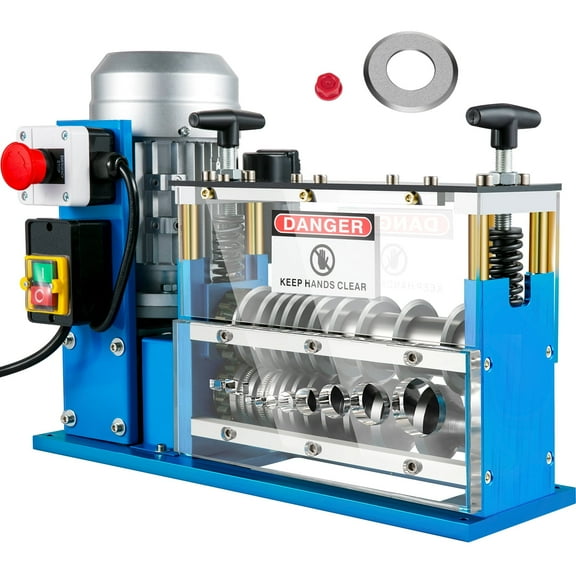
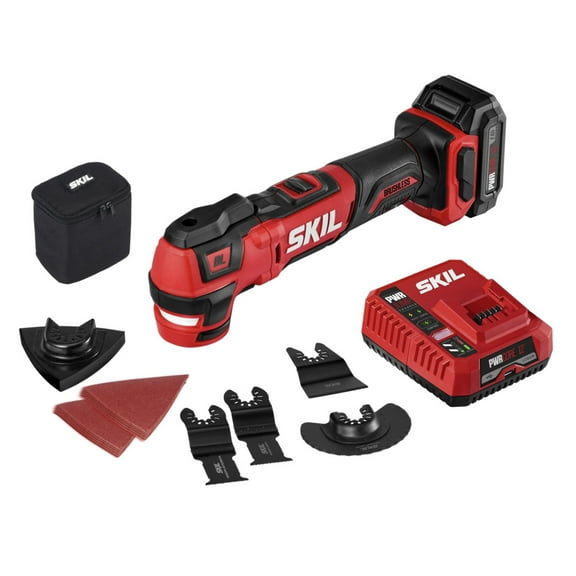
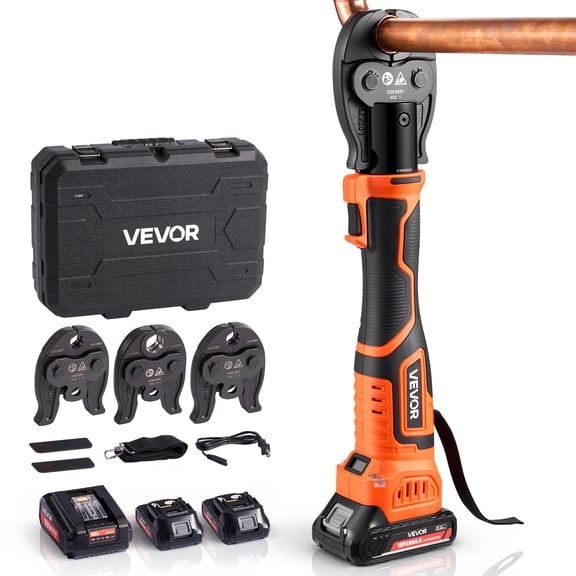
About Woodworking Tools in Tools - Walmart.com
Woodworking tools help you cut, shape, join, and finish wood with added control. You can compare hand tools, power tools, and carving tools in one place for cabinetry, carpentry, woodturning, and small-shop projects.
If you're building shelves, trimming joints, or carving details, you need tools matched to your workflow. You can use this guide to compare tool types, power sources, and workshop features before you choose.
How to choose woodworking tools by tool type
You should start with the tool type that fits your project size and finish goals. You may want woodworking hand tools for quiet precision and woodworking power tools for rapid stock removal.
When you compare hand tools, you can focus on control during trimming, smoothing, and joinery. When you compare power tools, you can handle repeated cuts, routing edges, and surface prep with less manual effort.
Carving tools work well when you want shaped contours, lettering, or decorative details in softer or harder woods. Measuring tools help you mark square lines, repeat dimensions, and keep parts aligned before assembly.
- You can use hand tools for paring joints, tuning fit, and refining surfaces.
- You can use power tools for ripping boards, routing profiles, and sanding larger panels.
- You can use wood carving tools for relief work, chip carving, and shaped accents.
- You can use measuring tools to check angles, depth, spacing, and repeatable layout marks.
Choosing woodworking power tools and power sources
You should compare corded, cordless, and manual options based on mobility, runtime, and bench access. You may prefer corded tools for longer sessions and cordless tools when you move between stations.
If you choose cordless woodworking power tools, you should check battery platform compatibility first. You can keep charging simpler when your drill, sander, and trim router share the same voltage system.
You should also compare amp-hour ratings because they affect runtime between charges. You can often use higher Ah packs for longer jobs, though you may notice extra weight in your hand.
Manual tools make sense when you want quiet operation and a direct feel at the cut. You can plane an edge, pare a tenon, or mark a baseline without plugging in equipment.
What to look for in cutting and shaping features
You should compare blade and cutter materials because they affect edge life and maintenance. You may find high-carbon steel easier to sharpen, while carbide-tipped cutters usually stay ready longer.
If you work on hardwoods or repeat the same profile often, you should check cutter durability closely. You can reduce interruptions when your router bits and saw blades hold an edge through multiple passes.
Dust collection compatibility matters when you work indoors or in a shared garage shop. You should compare port size and airflow needs, including CFM guidance, so your vacuum or collector connects properly.
When you check port size, you can avoid loose adapters and weak extraction at the tool. When you check CFM expectations, you can support clean cuts and clear sightlines around your layout marks.
You should also compare handles, fences, guides, and adjustment points before choosing woodworking tools. You can make precise changes during joinery, edge work, and thickness setup when controls feel clear.
Matching woodworking hand tools to your skill level
You can narrow woodworking tools quickly when you match them to your experience level. If you're a beginner, you may want starter hand tools, measuring tools, and a few easy-to-control power options.
If you're at an intermediate level, you may compare specialty cutters, advanced guide systems, and battery platform expansion. You can take on precise dados, repeat bevels, and more exact fitting during furniture builds.
If you're a professional, you may look for workflow features that support daily production. You can compare adjustment accuracy, dust port compatibility, and tool balance for longer sessions in the shop.
Woodworking hand tools remain important at every level because they help you refine machine work. You can tune a joint, break an edge, or clean a corner where larger equipment can't reach.
Using woodworking tools for cabinetry, carving, carpentry, and woodturning
You should match your woodworking specialty to the tools you compare. If you build cabinets, you may focus on measuring tools, routers, sanders, and joinery-focused carpentry tools.
For woodturning, you can compare wood lathe tools, sharpening needs, and handle styles that suit repeated passes. You may also check cutter material carefully because edge retention affects surface smoothness on spinning blanks.
If carving is your focus, you can compare wood carving tools by blade shape and control. You may want gouges, detail knives, and small mallet-ready options for relief panels or carved accents.
For general carpentry, you can balance speed and versatility across saws, drills, fastening tools, and layout gear. You can move from framing a shop fixture to trimming a face frame with fewer setup changes.
You may also want woodworking accessories that support accuracy and upkeep during repeated projects. You can look for guides, clamps, replacement cutters, sanding supplies, and storage that keeps your setup organized.
With the right woodworking tools, you can move from rough stock to finished details with a clear plan. You can compare tool type, power source, specialty, and shop compatibility to get results that feel precise.