

Wood Wall Panels in Wall Panels


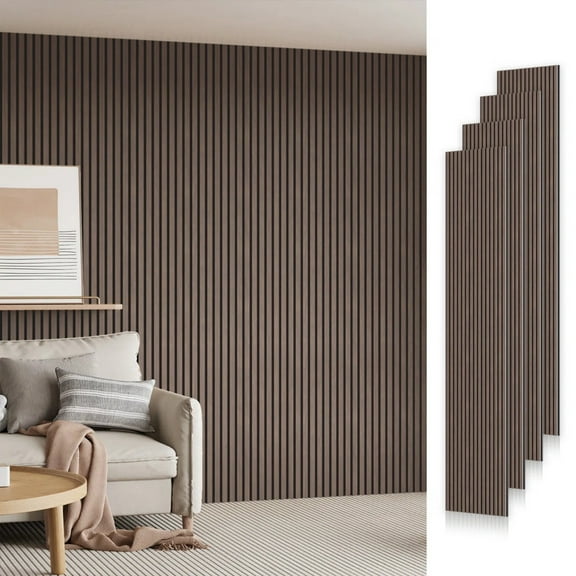


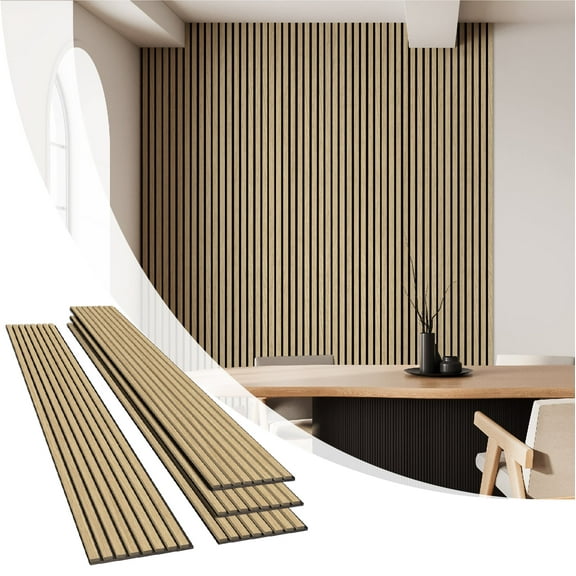


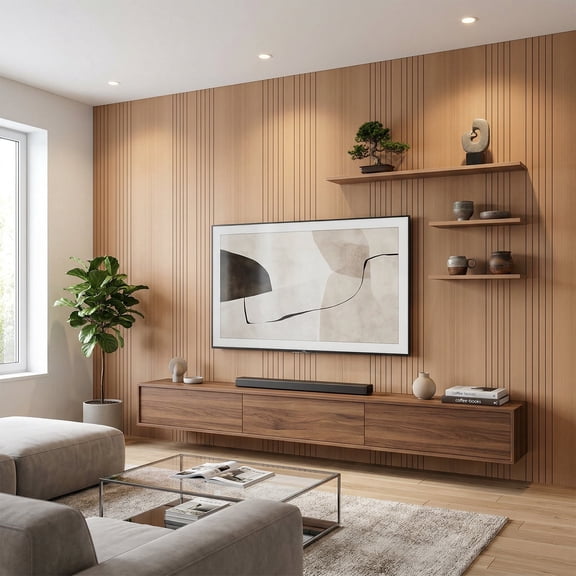


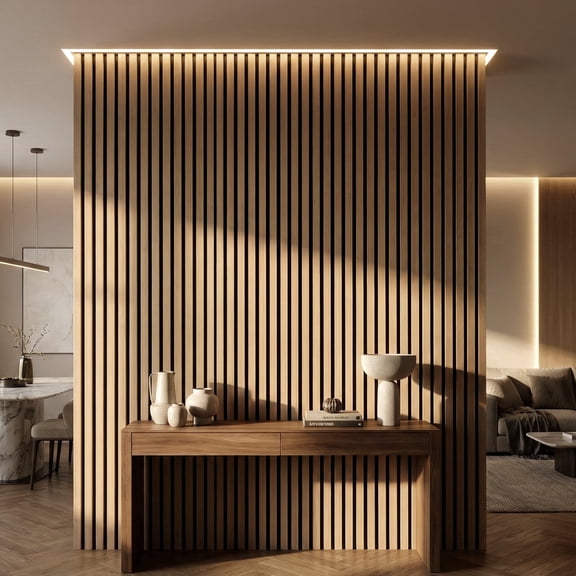















About Wood Wall Panels in Wall Panels - Walmart.com
Wood wall panels help you turn blank walls into warm focal points with texture and depth. You can compare slat, plank, shiplap, and 3D styles here, so your project feels planned from the start.
How to choose wood wall panels for your room
You’ll want to start with the look you want and the wall you plan to cover. Your choice often comes down to material type, panel style, installation method, and how much sound control you want.
When you compare decorative wood panels, you’ll notice each option changes your room in a different way. You can use narrow slats for a modern media wall, or use wider planks for a cozy accent surface.
- You can add warmth and dimension without painting an entire room.
- You can create a clear accent wall behind beds, sofas, desks, or entry tables.
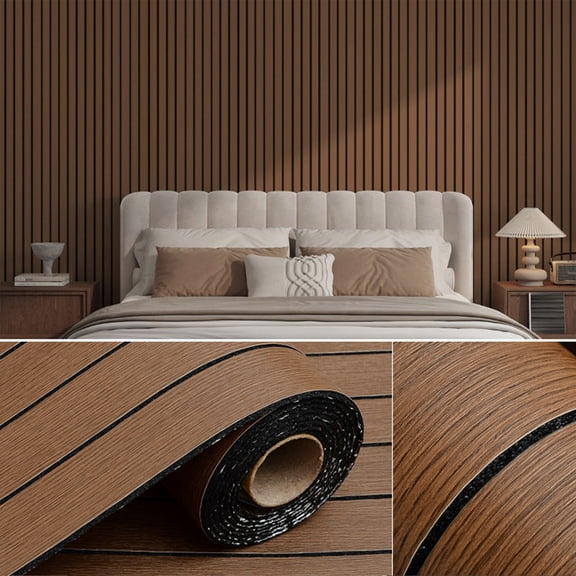
- You can choose peel and stick wood planks for a straightforward DIY setup.
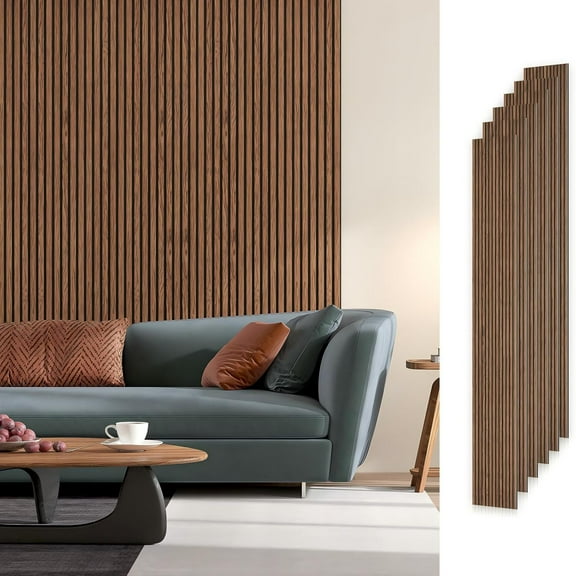
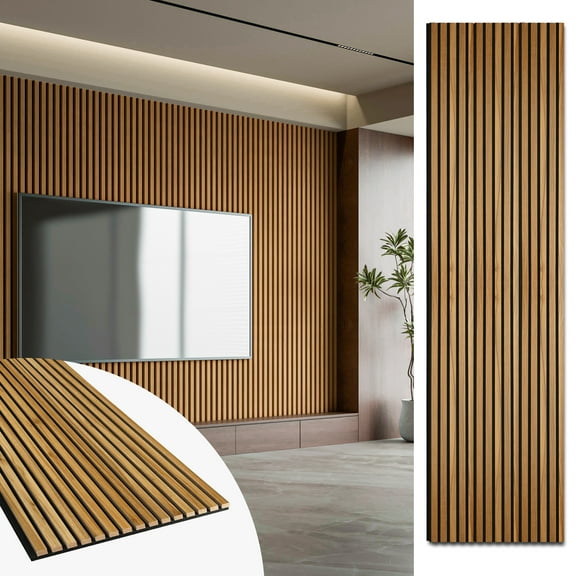
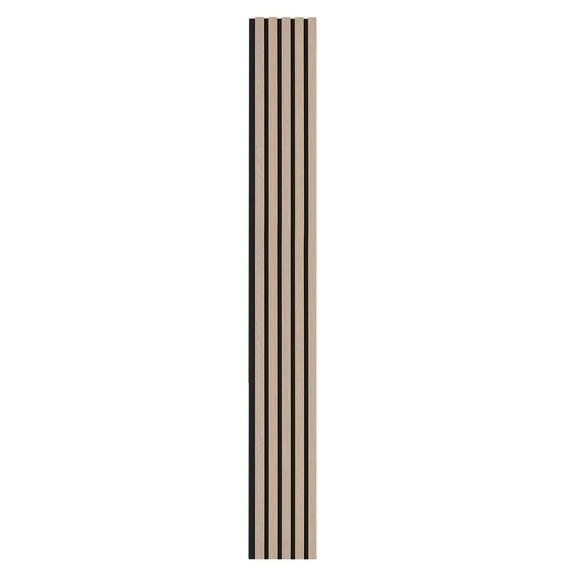
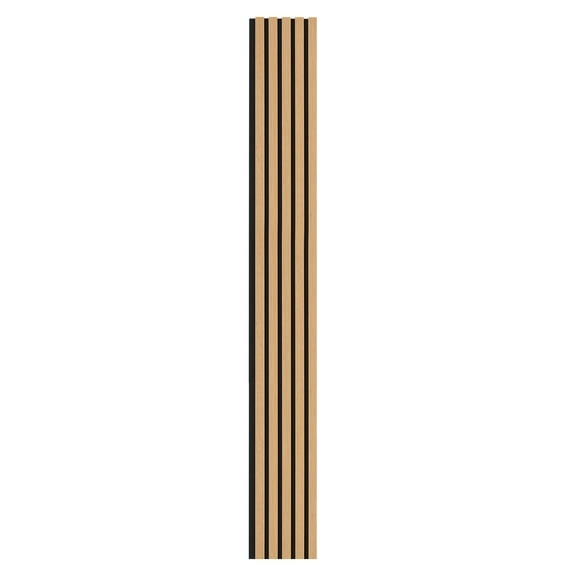
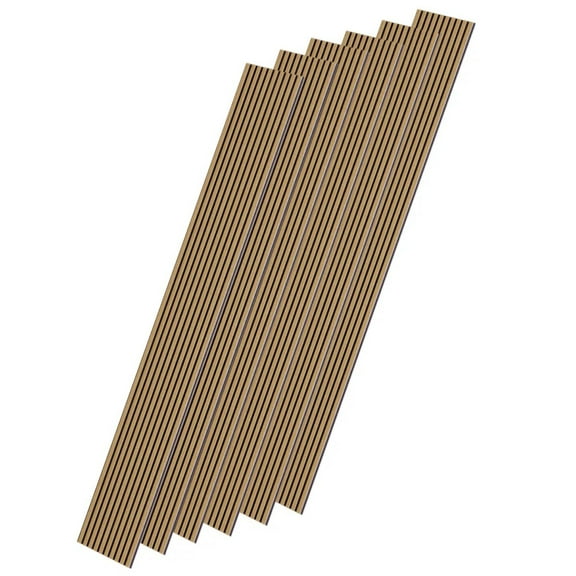
- You can use wood slat wall panels to introduce a linear, tailored look.
- You can pick 3d wood wall panels when you want pronounced texture and shadow.
If you’re updating a living room, you may focus on style and coverage first. If you’re updating a hallway or office, you may also care about easy upkeep and a clean finish around outlets.
Choosing material type and panel style
You should compare real wood, MDF, reclaimed wood, and PVC before you choose a finish. Your room conditions, desired texture, and installation plan can shape which material is suitable.
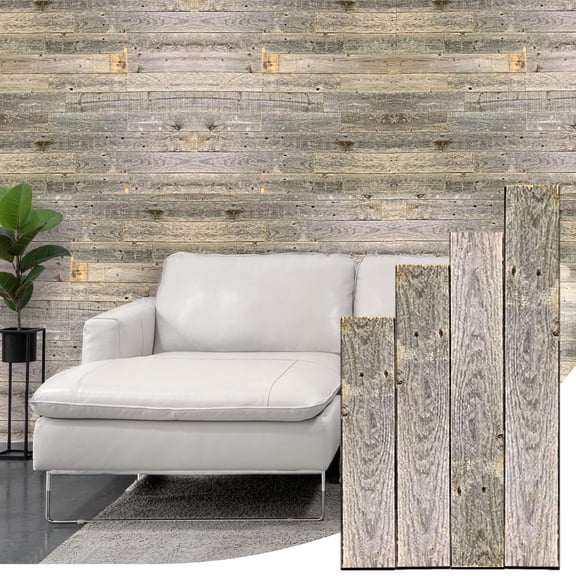
With real wood, you get natural grain variation that gives your wall a natural look. You may like reclaimed wood if you want visible character marks and a rustic accent wall.
If you choose MDF, you’ll usually get a smooth, uniform surface for painted or consistent designs. If you choose PVC-backed styles, you may get a practical option for spaces with moisture exposure.
Panel style matters just as much as material when you’re narrowing down wood paneling for walls. You can use slat panels for vertical rhythm, shiplap for classic lines, planks for a layered look, or 3D textured panels for sculpted depth.
Wood slat wall panels can visually stretch a wall and make your setup feel architectural. You may prefer this format behind a TV console, bed, or desk where straight lines look intentional.
With 3d wood wall panels, you get raised surfaces that catch light throughout the day. You can use that texture on a fireplace wall or entry feature where you want strong visual contrast.
Choosing installation methods and wall prep
You should check your wall surface before you choose peel and stick, nail down, glue down, or interlocking panels. Your wall prep affects how cleanly the panels sit and how smooth your finished layout looks.
If you want a straightforward project, peel and stick wood planks can help you move quickly on flat, clean walls. You should measure carefully, mark your starting line, and check whether the adhesive suits your surface.
For nail down panels, you’ll usually need more tools and a stable backing surface. You may choose this route when you want a firm hold for large feature walls or detailed trim layouts.
Glue down options can work well when you want a flush look with fewer visible fasteners. You should confirm adhesive guidance, because wall texture and finish can affect how evenly panels attach.
Interlocking panels can help you keep rows aligned while reducing visible gaps between pieces. You’ll want to dry-fit several sections first, so your corners, outlets, and edges stay easy to manage.
Before you buy, you should calculate coverage in square feet and add extra for cuts. You can measure wall width and height, subtract large openings, and compare that number with each box’s stated coverage.
Choosing wood slat wall panels for sound and room conditions
You may also compare standard decorative panels with styles built for soundproofing or acoustic support. Your room use matters here, especially if you’re styling a TV wall, office, music nook, or reading area.
Wood slat wall panels with acoustic backing can help soften echo in open spaces. You may notice a calm atmosphere in rooms with hard floors, high ceilings, or large windows.
Standard decorative panels focus more on visual texture than sound control. You can choose them when your goal is a warm backdrop for shelves, artwork, or a dining wall.
Room conditions should also guide your material choice, especially in kitchens, bathrooms, and entryways. You’ll want to check whether the panel material handles humidity or splashes comfortably than natural wood alone.
In drier spaces like bedrooms and living rooms, you may have freedom to prioritize grain and finish. In busy spaces, you may prefer easy-clean surfaces and stable panel construction.
Using wood wall panels in real spaces
You can use accent wall wood panels behind a bed to frame the room without adding bulky furniture. You can also place them behind a sofa to define the seating area with clear visual structure.
For home offices, you may choose slat panels to create a sharp backdrop for video calls and shelving. If you want more texture in a compact room, you can try 3D styles on one shorter wall.
In entryways, you can use plank or shiplap looks to make the space feel finished. You may pair that wall treatment with hooks, benches, or mirrors for a coordinated setup.
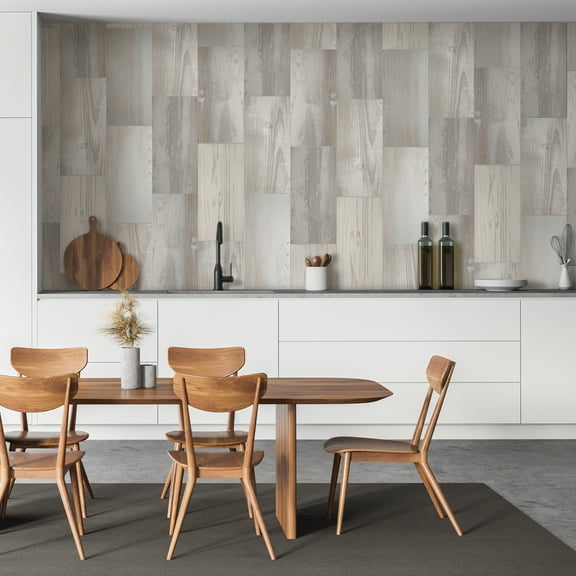
If you’re refreshing a dining space, decorative wood panels can add warmth without heavy remodeling. You can use them to break up plain painted walls and give the room a layered look.
For rentals or light DIY projects, you may focus on peel and stick wood planks that require less hardware. You should still check surface compatibility and panel weight before you start your layout.
When you compare materials, styles, and coverage, you can narrow your project with confidence. The right wood wall panels help your room look finished, intentional, and easy to style around every day.