

Window Weather Protection & Seals for Winter | Walmart























About Window Weather Protection & Seals for Winter | Walmart - Walmart.com
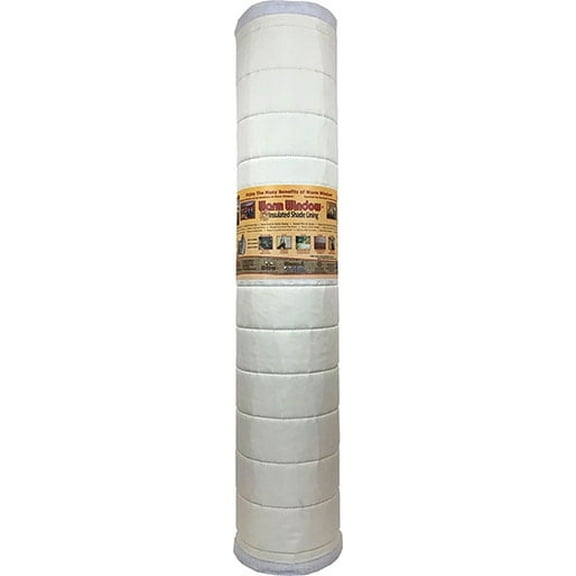
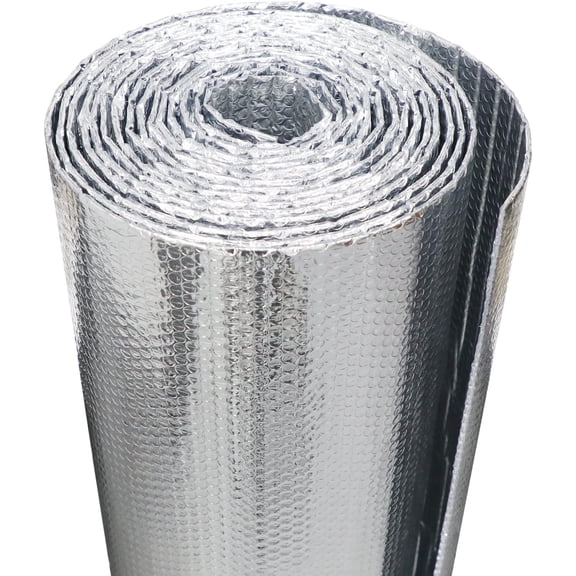
Window weatherproofing helps you block drafts around frames, sashes, and meeting rails with practical materials for seasonal or longer-term sealing. You can compare film, tape, foam, and caulk by gap size, window movement, and installation method.
If your windows feel drafty during colder months, you can choose solutions made for full-glass coverage or narrow perimeter gaps. You can also match each option to double-hung windows, sliding windows, and fixed panes.
How to choose window weatherproofing
When you compare window weatherproofing, you should start with your window dimensions and the size of each gap. You can use narrow tape for slim cracks, or thicker foam for uneven spaces.
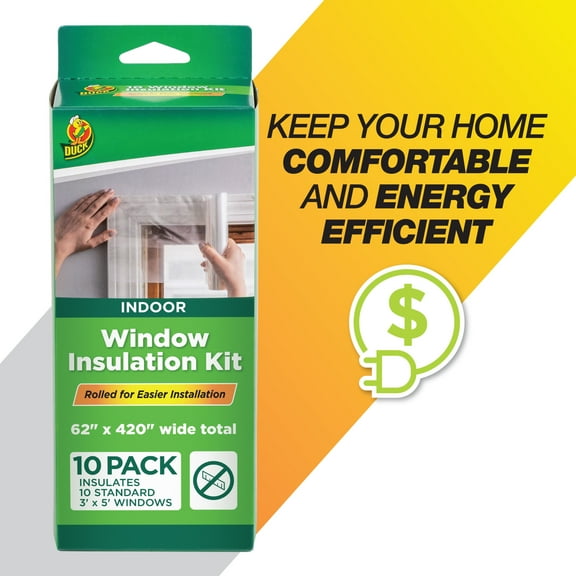
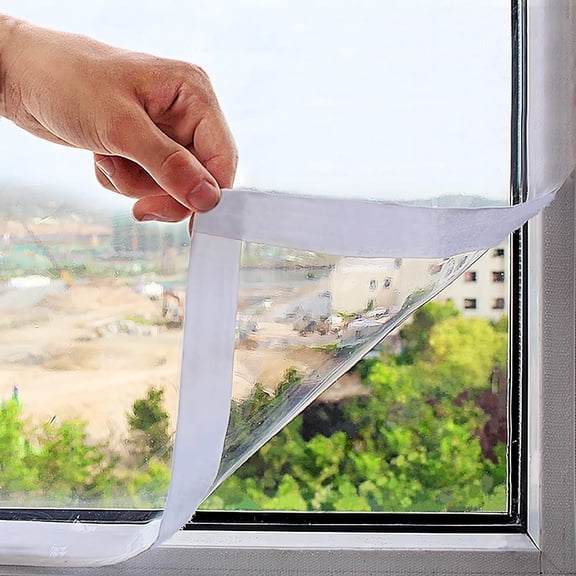
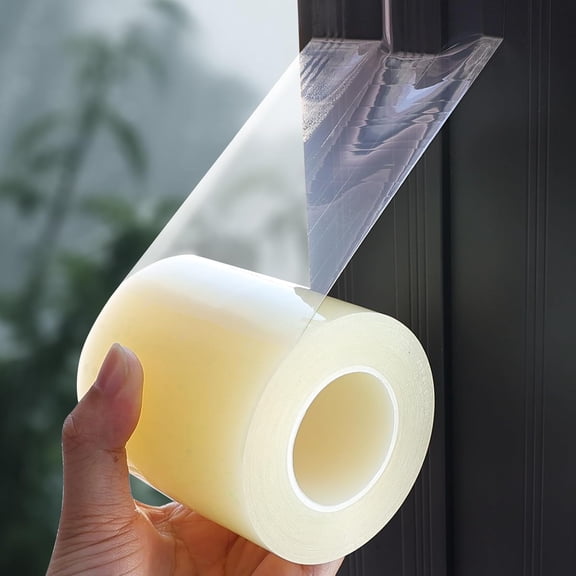
For full-window coverage, you can consider a window insulation kit with plastic film across the glass area. For edge sealing, you can use window weather stripping, caulk, or window seal tape around seams.
If your window opens often, you should check whether the seal compresses without crowding the sash or track. You can compare flexible materials when movement matters every day.
- You can reduce drafts around sash channels, lower corners, and frame edges.
- You can choose temporary winter coverage or a more permanent perimeter seal.
- You can install many options with simple prep and common household tools.
- You can match material thickness to narrow gaps, uneven frames, or full-window coverage.
You can get a proper fit by measuring both the opening and the gap before installation. You can also compare how often your window moves, since moving parts need flexible sealing choices.
Choosing between a window insulation kit and window weather stripping
If you want broad coverage, a window insulation kit can add a clear layer over the full window area. You can use plastic window covering for winter when you want seasonal coverage.
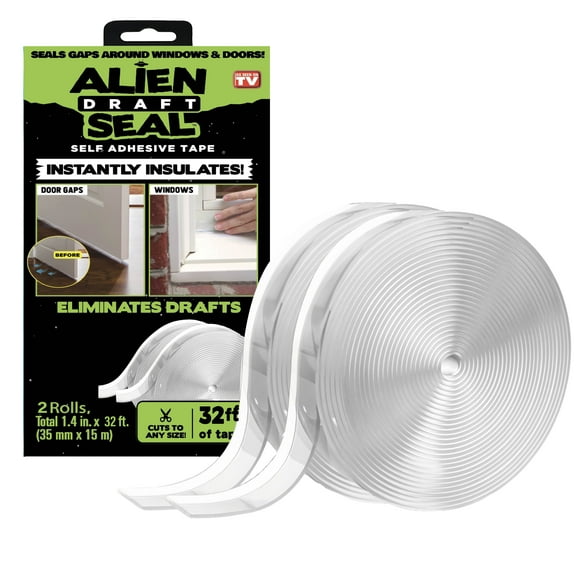
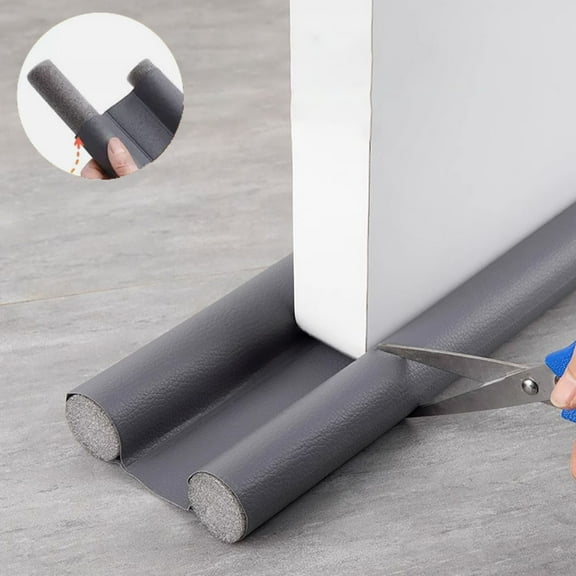
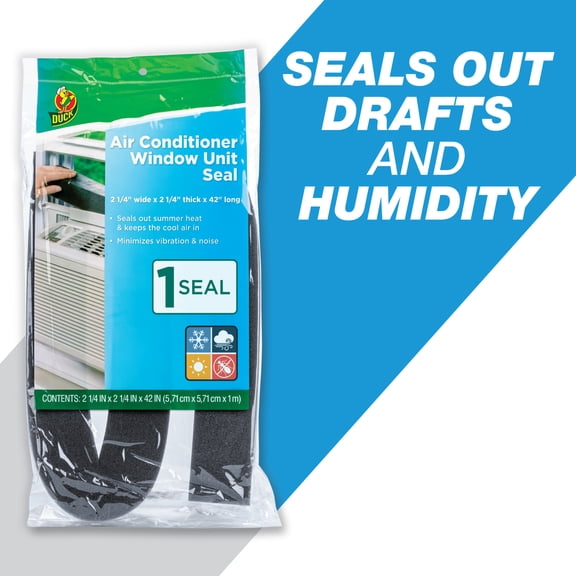
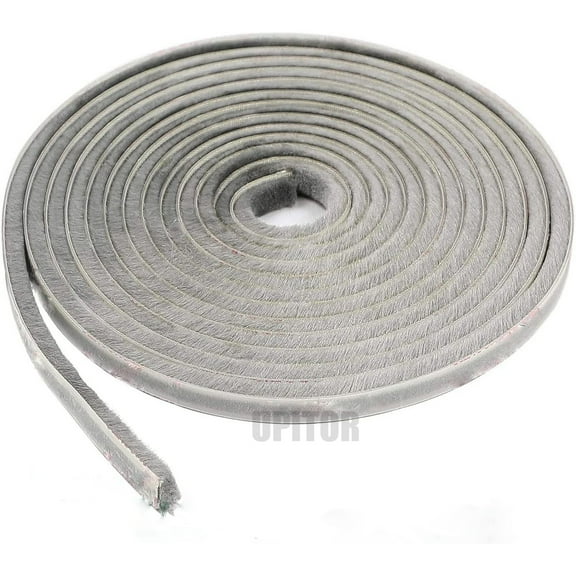
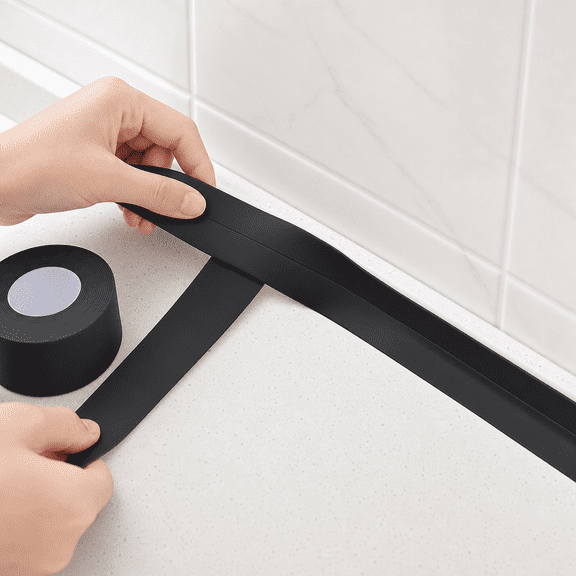
If you want to target specific leaks, you can use weatherstripping tape or foam seals along frame edges. You can use caulk on fixed joints, but you should keep opening paths clear.
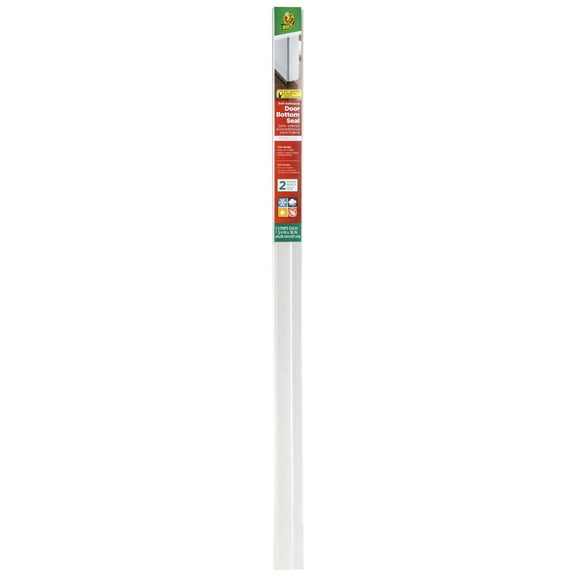
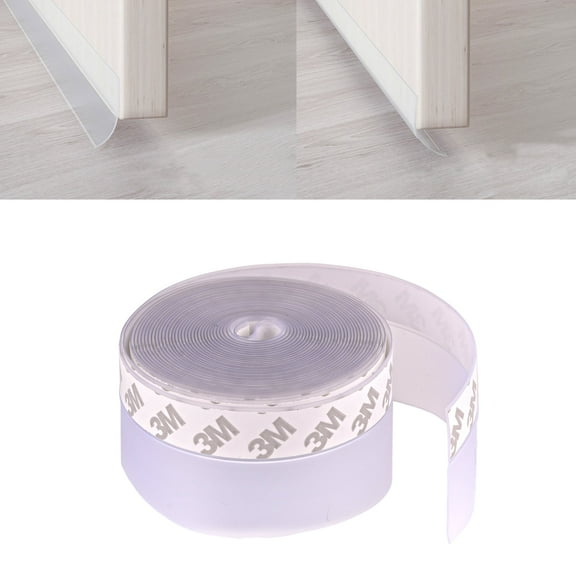
Self-adhesive options can work well when you want fewer steps and a simple setup. You can compare nail-on or press-in styles when you want a firmer attachment.
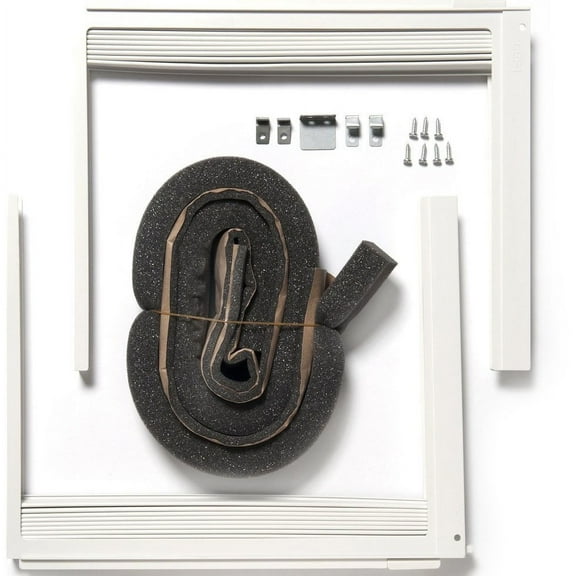
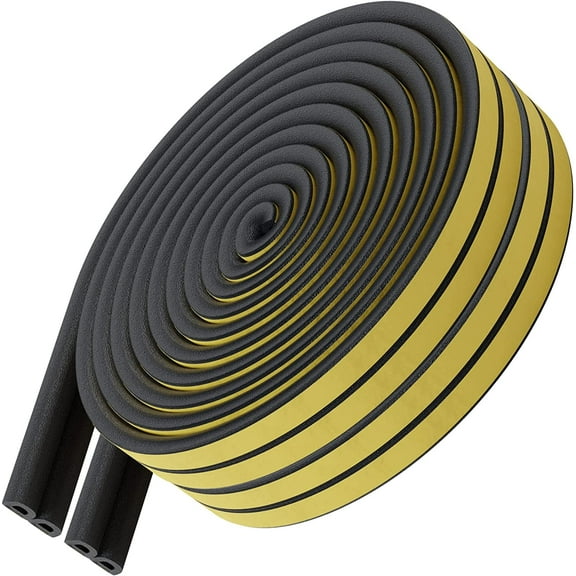
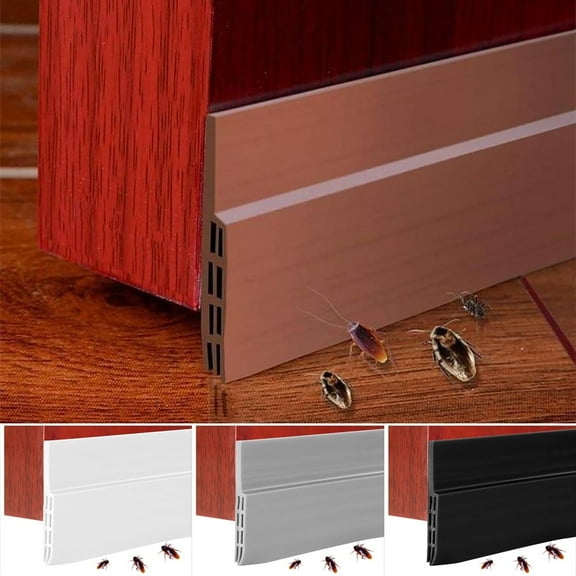
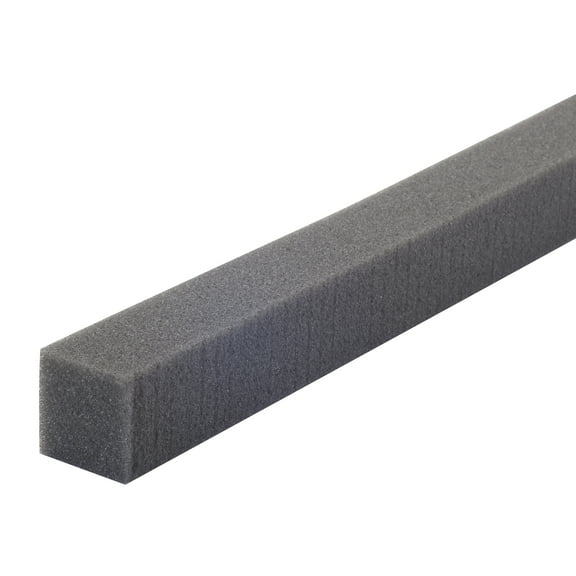
For irregular frames, you can consider foam because it compresses into wider spaces and uneven edges. For repeated opening, you can compare silicone and EPDM rubber for flexible perimeter sealing.
What materials and installation methods mean
When you compare materials, you should consider flexibility, visibility, and whether your window opens often. You can use plastic film for glass coverage, while foam and rubber seal the perimeter.
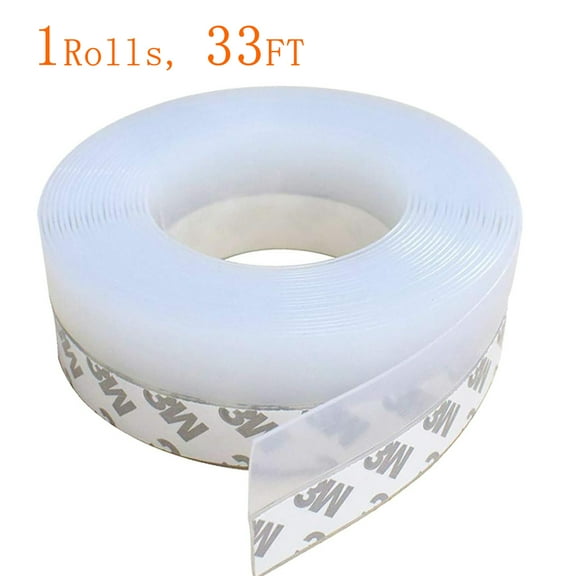
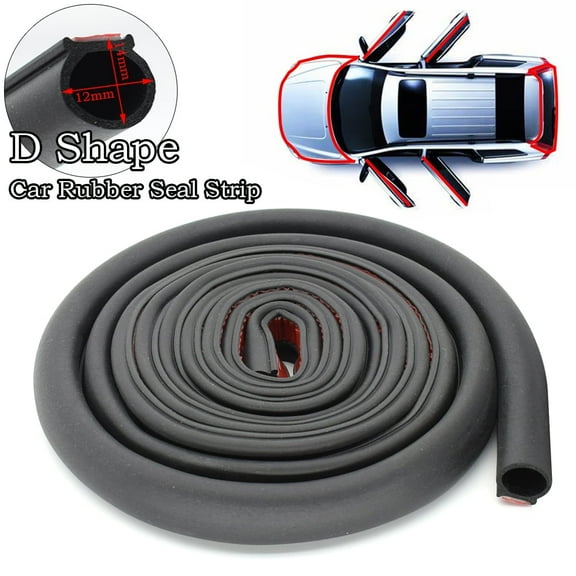
You can choose silicone when you want a smooth seal along edges and trim lines. You can consider EPDM rubber when you need a material that rebounds after repeated movement.
Heat-shrink installation can tighten film across the window for a clearer finish and tidier look. You can choose self-adhesive strips when you want a straightforward setup with fewer tools.
If you want cleaner application, you should prepare the frame before adding adhesive-backed materials. You can clean and dry the surface so the seal sits more evenly.
Before you choose a product, you should decide whether your project is temporary or permanent. You can use a shrink film window kit for seasonal coverage, or durable stripping for ongoing use.
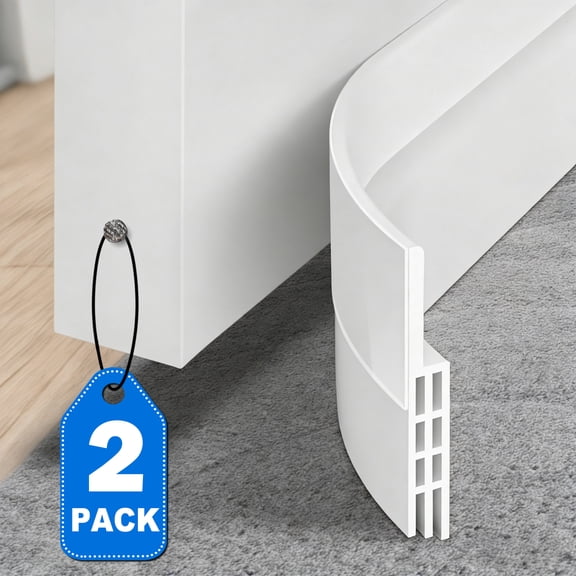
Using a window draft stopper by room and window type
In bedrooms and living areas, you may want thermal insulation around older frames and rattling panes. You can use a draft blocker for windows where edge gaps and loose meeting rails stand out.
In kitchens, baths, and utility rooms, you may focus on waterproof sealing around fixed joints and trim. You can compare caulk and window seal tape when moisture and airflow both matter.
For rentals or short-term cold-weather prep, you can use plastic window covering for winter that removes after the season. You can choose a shrink film window kit when you want temporary coverage.
If you have double-hung windows, you should check the sash channels, meeting rail, and lower corners first. You can use slimmer strips where movement matters, then fuller foam on stationary gaps.
For sliding windows, you should measure the track and frame edges before choosing press-in or adhesive materials. You can compare profile thickness so your window still moves smoothly.
When you want a neater seal, you can match material thickness to the actual gap instead of oversizing it. You can get cleaner compression when the product fits without crowding the frame.
What to look for before you install a window draft stopper
You should measure height, width, and air-gap size before choosing a window draft stopper, tape, or film. You can then compare whether you need perimeter sealing, glass coverage, or both.
If your goal is quick seasonal prep, you can focus on easy application and clean removal guidance. If your goal is longer wear, you can compare durable materials and attachment styles.
You can make a smarter choice when you match the product type to your window design and draft location. You can get a more comfortable room and a tidier seal with the right fit.