

Window Fans in Fans







About Window Fans in Fans - Walmart.com
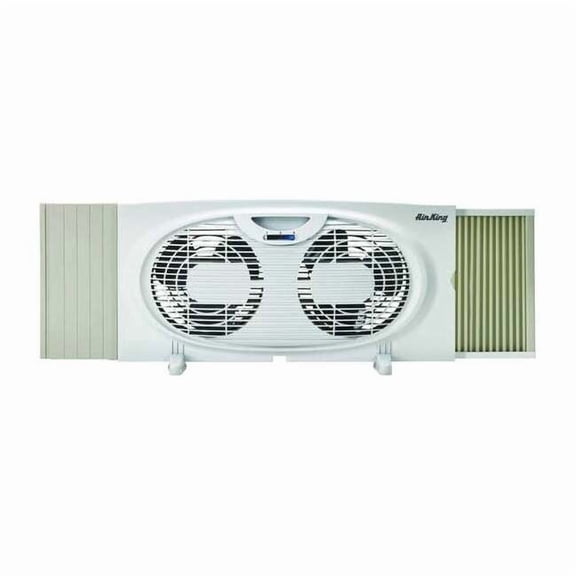
A window fan helps move stale indoor air out and pull fresh air in through a compact, easy-to-fit design. These models sit in the sash opening, so you get targeted airflow without giving up floor space. Many options include reversible blades, expandable side panels, and intake or exhaust settings. That setup makes them practical for bedrooms, kitchens, apartments, and upstairs rooms that feel warm by late afternoon.
Choosing the right window fan
Fit matters first. Measure the window opening width and height before comparing models. Many units adjust with sliding extenders for a steadier fit in common double-hung windows.
Airflow matters too. CFM ratings help compare how much air a fan can move in a minute. Higher airflow can feel useful in larger rooms or spaces with lingering heat.
Control options shape daily convenience. Some models offer thermostat controls, multiple speeds, remote controls, and reversible airflow. Those features make it easier to switch from drawing air in to pushing air out.
- Reversible settings support intake, exhaust, or room-to-room circulation.
- Expandable side panels help the unit fit the window opening more securely.
- Multiple speed settings let you adjust airflow for daytime or overnight use.
- Slim profiles keep the unit closer to the frame and out of the way.
Benefits of window fans
This category stands out because it cools through the window opening instead of taking up room on the floor. That makes a fan for window use helpful in smaller bedrooms, offices, and apartment living areas.
You also get directional airflow. An exhaust setting can push warm indoor air outside. An intake setting can pull evening air in when outdoor conditions feel more comfortable.
Many shoppers choose these fans for flexible placement. A sill-mounted unit can support airflow where a tower fan or pedestal fan canu't sit comfortably. That gives you another cooling option without rearranging furniture.
Noise control can be another practical advantage. Several models include low, medium, and high speeds for different times of day. Lower settings often feel more suitable for overnight operation in sleeping spaces.
Twin window fans and double window fan styles
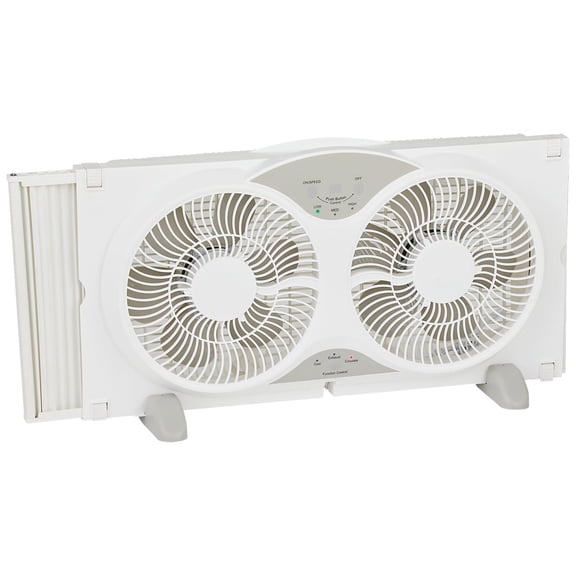
A twin window fan uses two side-by-side blades inside one housing. This layout supports stronger circulation across the full unit width. It also helps balance airflow across the window opening.
A double window fan often includes reversible motors or independent settings. That means one side can draw fresh air in while the other side pushes warm air out. This exchange-style setup is specific to this category and useful during mild mornings or evenings.
Blade size and housing depth affect performance and fit. Slimmer housings can sit closer to the sash. Larger blades may move more air, depending on the motor design and speed settings.
Look at the controls before choosing. Some twin and dual models use manual switches, while others add digital panels, timers, and thermostats. Those details can change how convenient the fan feels each day.
Window fan features that help you compare
Materials and build details matter on a page like this. Many models use plastic housings that feel lightweight and simple to place. Removable covers and grilles can also make routine cleaning easier.
Power source and cord length can affect placement near the window. Check where the outlet sits before choosing a unit. A compact footprint can help when the sill area is narrow.
Some fans include weather-resistant covers for off-season use. Others are designed for temporary placement and quick removal. That distinction matters if you want to open and close the window often.
Installation style is another key detail. Most options are made for vertical sash windows with extender panels. Some can also work in horizontal slider windows, depending on the product design.
Where a window fan works well
Bedrooms are a common use case, especially on cooler nights. You can use intake mode to pull in outside air after sunset. That focused airflow can make upper floors feel less stuffy.
Kitchens can also benefit from exhaust mode during everyday cooking. Pushing warm air outward through the window opening can refresh the room faster. This setup differs from a box fan placed across the floor.
Home offices and apartments often need cooling that doesnu't crowd the room. A fan window setup keeps walkways clear and furniture placement simple. That can matter when every square foot counts.
These units also work well in seasonal spaces. Sunrooms, enclosed porches, and workshops may need quick airflow without a large appliance footprint. A compact design helps when storage space is limited between seasons.
When fit, airflow rating, and controls line up with your room, the right window fan delivers focused circulation from the frame itself. That category-specific design can make everyday cooling feel simpler and more space-conscious.