










Heating, Cooling, & Air Quality
Heating by category
Air quality by category
Humidifier guide
Water purification

Cooling by category



FAQ
About Heating, Cooling, & Air Quality
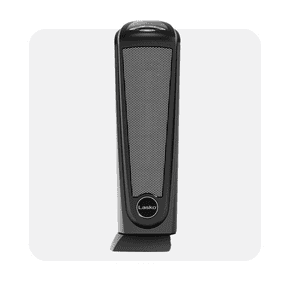
Heaters help you warm the rooms you use frequently without changing your whole-home setup. You can compare heater types, power sources, and placement options to match your space and routine.
If you need quick warmth for a bedroom, office, garage, or patio, you can find category choices built for those settings. You can also narrow your search by wattage, BTU output, safety features, and portability.
How to choose heaters for your space
You should start with room size because output affects how comfortably your space feels. You can use wattage for many electric heaters and BTU ratings for propane or natural gas models.
For smaller rooms, you may prefer personal or compact units that fit beside a desk or chair. For larger spaces, you should look for higher output and wider heat coverage.
You can also match the heater to your location. Indoor heaters suit bedrooms and living areas, while patio and garage models fit more open environments.
- You can target quick spot warmth with personal or portable units.
- You can cover steady everyday use with oil-filled or baseboard styles.
- You can direct heat efficiently with infrared options for occupied areas.
- You can compare outdoor heaters by fuel type and BTU output.
Choosing heater type and portability
You may notice ceramic models often warm up fast and fit everyday indoor use. You can place many portable heaters where you need temporary warmth during work, reading, or relaxing.
Infrared options can focus warmth on people and nearby objects instead of pushing only heated air. You may prefer that feel when you want direct comfort in a specific seating area.
Oil-filled styles usually deliver gentle, steady heat without a fan-driven feel. You might choose them for bedrooms, studies, or other spaces where quieter operation matters.
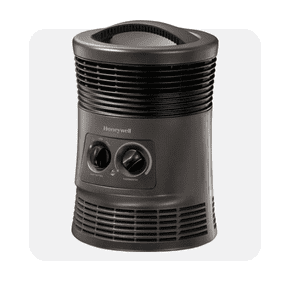
Fan-forced units can move warmth across a room faster, which helps when you want a quick temperature boost. You should compare noise level if you plan to use one while working or sleeping.
Wall-mounted and baseboard choices can support a more fixed setup with less floor disruption. You may prefer those options when you want heating that blends into a room layout.
Portable heaters give you flexibility from room to room during changing weather or shifting routines. You can move one from a home office in the morning to a den at night.
What to look for in electric heaters and fuel options
You should compare electric heaters, propane units, and natural gas models based on where you’ll use them. Electric heaters are common for indoor spaces because you can plug them in and place them quickly.
For electric heaters, you should check wattage because it signals heating capacity in a simple way. Higher wattage often supports larger spaces, while lower wattage can suit personal use.
For outdoor heaters, you may compare BTU ratings to understand heat output across patios or open-air areas. Higher BTU numbers generally support broader warmth in less enclosed spaces.
You can also look for clear safety features that support everyday use. Look for tip-over switches and overheat protection, because those features help shut the unit off under certain conditions.
Energy efficient heaters can help you focus warmth where you spend time instead of warming unused rooms. You should compare thermostat controls, heat settings, and timers for more tailored operation.
Noise level matters when you’re choosing home heaters for bedrooms, nurseries, or workspaces. You may prefer oil-filled or certain infrared styles when you want less fan noise during use.
Matching heaters to indoor, outdoor, garage, and patio use
You can match indoor heaters to bedrooms, living rooms, dorms, and home offices by size and control style. Portable heaters work well when you want warmth to follow your daily routine.
For a desk area, you may choose a personal model with a compact footprint and simple controls. For a family room, you might need broader coverage and multiple heat settings.
Garage spaces often need more output and a design suited to larger, less insulated areas. You should check whether the unit’s placement and power source fit that environment.
Patio heaters support outdoor gatherings when you want heat in open air instead of enclosed rooms. You can compare propane and natural gas options by output, footprint, and placement needs.
If you want overnight background warmth in a bedroom, you may focus on quieter operation and steady heat delivery. If you want quick warmth after coming in from the cold, fan-forced models may fit better.
You can also compare controls that make everyday use easier. Digital displays, adjustable thermostats, remotes, and timers help you fine-tune comfort around your schedule.
How to compare space heaters with confidence
When you compare space heaters, you should balance heater type, room size, safety features, and noise level. You can make a clearer choice when you match wattage or BTU output to where you’ll actually use it.
Your ideal pick depends on whether you want portable warmth, fixed placement, or outdoor coverage. You can narrow the field faster and get comfort that fits your space more precisely.