


Weight Lifting Gloves in Weight Lifting Accessories































About Weight Lifting Gloves in Weight Lifting Accessories - Walmart.com
Weight lifting gloves help you keep a steadier grip during training. You can compare padding, wrist support, and fit details that matter for pressing, pulling, and high-rep sessions.
How to choose weight lifting gloves
You’ll want to start with the training style you do most often. Your glove choice can feel very different during deadlifts, dumbbell presses, rows, and machine work.
Consider how much bar feel you want in your hand. You may prefer thicker palm coverage for repeated reps, or you may want a closer grip on knurled handles.
Check whether your gloves match your usual gym routine. If your workouts include heavy compounds, your hands may need more structure than circuit or studio sessions.
You can narrow your options faster when you compare a few key factors together. Your decision often comes down to wrist support, palm padding, airflow, and a close fit.
Choosing materials in workout gloves
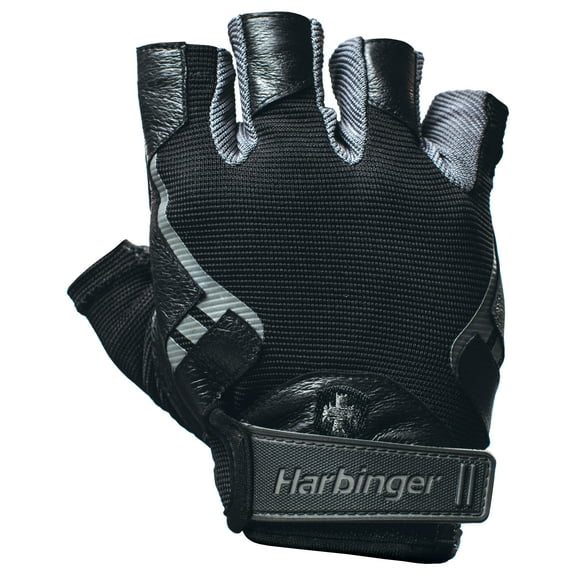
Leather weight lifting gloves usually give you a firmer feel against barbells and dumbbells. You’ll often choose leather when your priority is durable palm contact and a classic training feel.
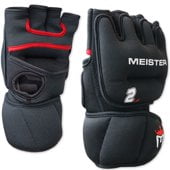
Neoprene options can give your hands a flexible, close fit during mixed workouts. You may like neoprene when your routine moves between free weights, cables, and bodyweight stations.
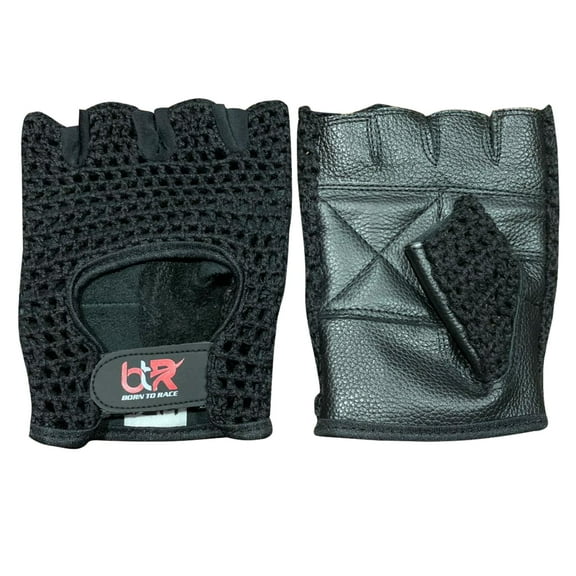
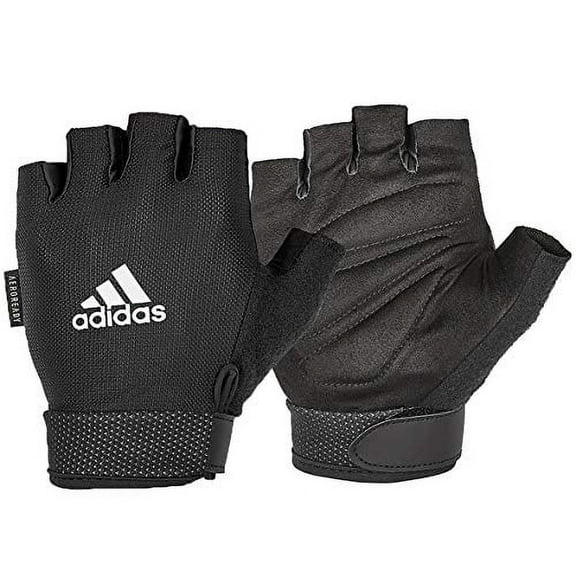
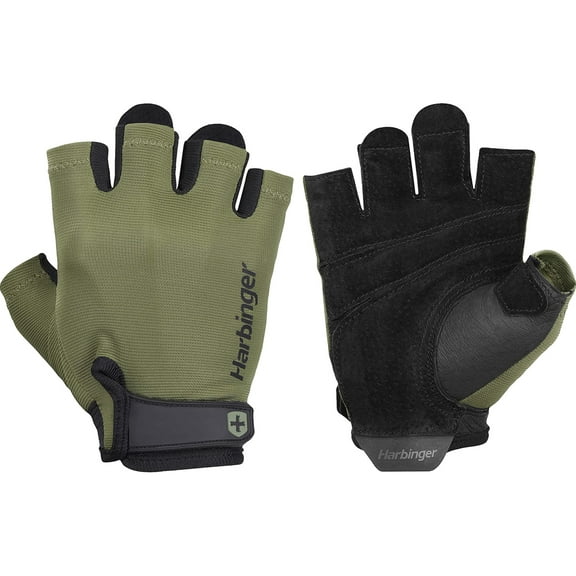
Mesh panels can help your hands feel less covered during long sessions. You’ll often notice breathable workout gloves use mesh across the back to encourage airflow.
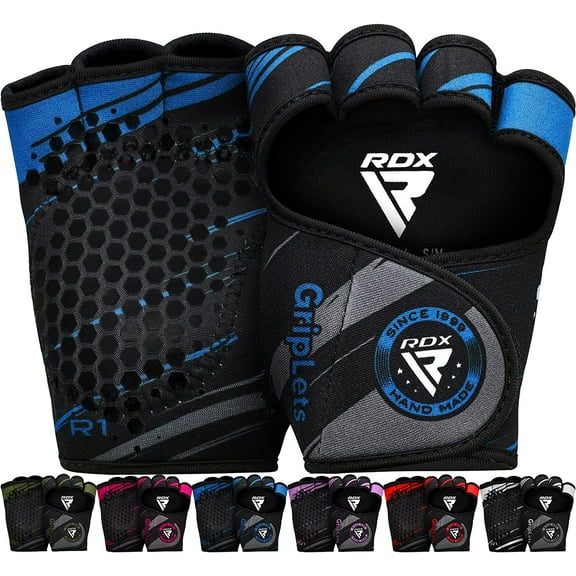
Silicone grip zones can add tackier contact on handles without heavy bulk. You can look for this detail when you want a lighter glove for kettlebells or fast transitions.
- You can choose leather when your focus is firm bar contact and repeated lifting sessions.
- You can pick neoprene when your routine mixes flexibility, movement, and a closer fit.
- You can look for mesh when your workouts run long and your hands need more airflow.
- You can select silicone zones when you want extra grip without thicker palm layers.
Choosing weightlifting gloves with wrist support
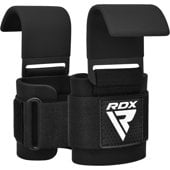
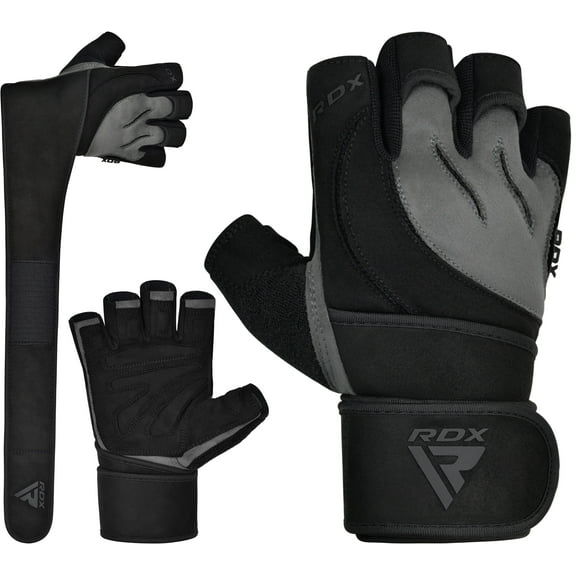
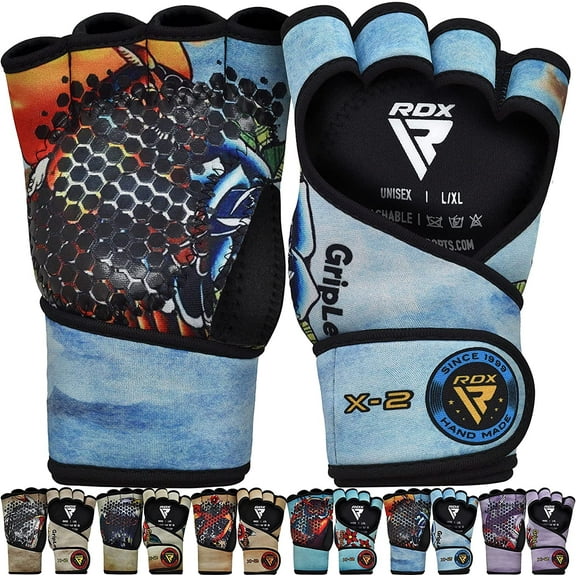
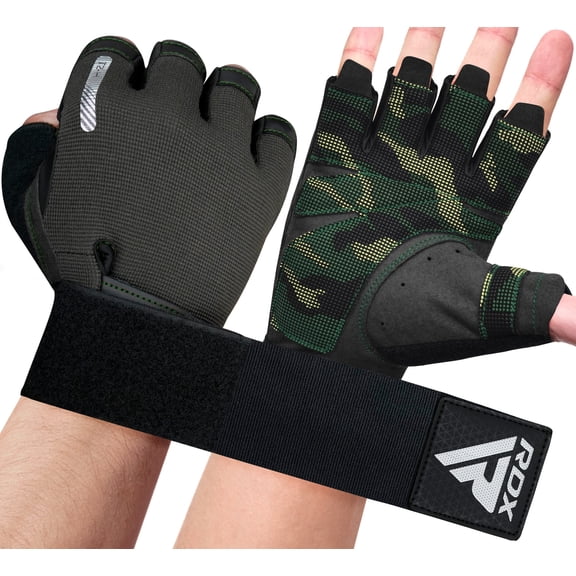
Integrated wrist wraps matter when you want more structure around pressing and overhead work. You can adjust your wrap tension before sets, then loosen it between movements.
Standard elastic bands give you a simpler hold with less bulk around your wrist. You may prefer this option when your workouts mix lifting with rowing, stretching, or fast machine changes.
Strapless designs keep your wrist area open for a freer range of motion. You’ll likely choose them when your priority is quick on and off use and fewer layers.
You should compare wrist support with wrist mobility before choosing a pair. Your heavier bench or shoulder sessions may call for wraps, while your faster circuits may favor open movement.
Picking padded gym gloves by palm feel
Gel padded gym gloves can soften bar pressure during repeated sets. You may find gel padding useful when your plan includes high-volume chest, back, or arm work.
Foam padding usually feels lighter and less dense across your palm. You’ll often like foam when you want cushion without losing too much connection to the bar.
Reinforced leather palms can support repeated contact in key grip zones. You can choose this build when your workouts center on barbells, pull-up bars, and metal handles.
Minimalist grip styles keep bulk low and let your fingers feel closer to the knurling. You may prefer this design when your lifting form depends on precise hand placement.
You should think about padding thickness before you focus on color or style. Your palm comfort and your bar feel can change a lot between gel, foam, and thinner grip designs.
Choosing finger length and fit
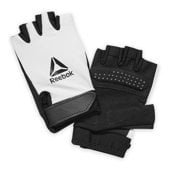
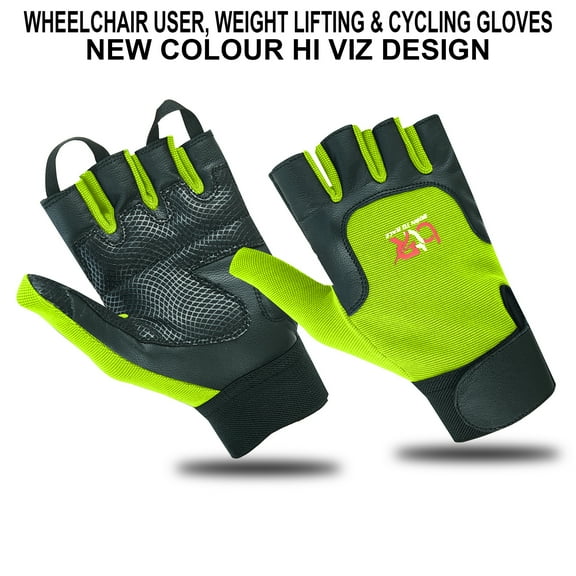
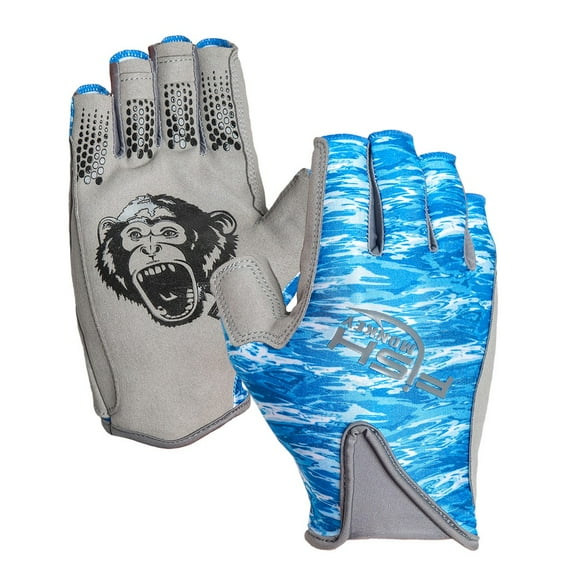
Half finger workout gloves leave your fingertips open while covering key palm areas. You can use this style when you want easier bar contact and quick adjustments between exercises.
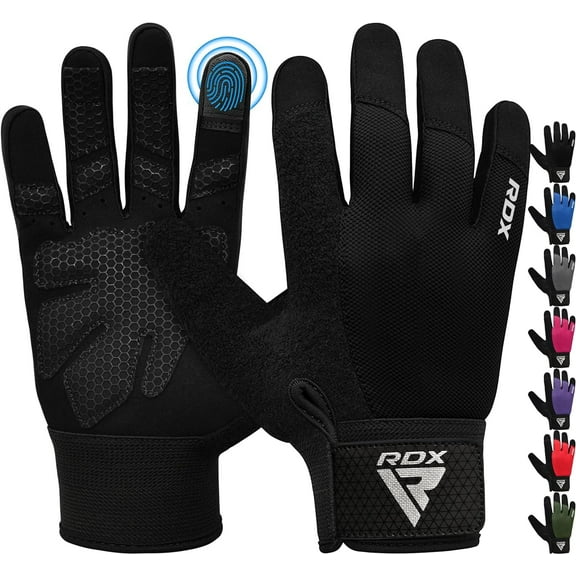
Full finger designs cover more of your hand during training. You may choose them when you want broader coverage for machines, cables, or cooler workout spaces.
Fingerless grips reduce material between your hand and the handle. You’ll often reach for them when your focus is traction and minimal coverage.
Sizing matters as much as material or padding. You should measure your palm circumference so your gloves stay smooth, since extra fabric can bunch during lifts.
You can improve fit by checking closure details before you buy. Your hand can feel more secure with hook-and-loop tabs, pull tabs, or stretch openings that match your routine.
Using weight lifting gloves in real workouts
You can match weight lifting gloves to push days that include bench and overhead presses. Your wrist wrap choice can help you feel more structured during setup and repeated pressing sets.
For pull days, you may prefer reinforced palms or minimalist grip sections. You’ll want a design that supports repeated contact on barbells, cable attachments, and pull-up stations.
During circuit training, breathable workout gloves can help you move between stations with less bulk. You can look for mesh backs and lighter padding for faster transitions.
If your routine includes home gym sessions, you may want versatile gloves for dumbbells, kettlebells, and compact cable machines. Your choice should balance grip feel, wrist control, and easy storage.
Gym gloves for men often come in wider size runs and larger palm dimensions. You’ll also find many unisex fits, so your palm measurement matters more than label wording.
What to look for before you choose
You should compare palm texture, wrap style, finger length, and back-of-hand ventilation together. Your training goals become clearer when you match glove features to the lifts you do most.
With the right weight lifting gloves, you can get steadier grip contact and more predictable hand comfort. Your final choice can feel more dialed in from warm-up through your last set.