

Waterproof Sealers & Sealants | Walmart


























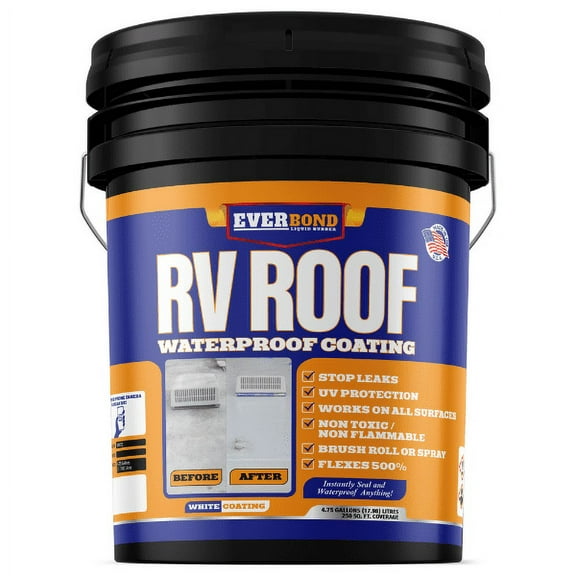


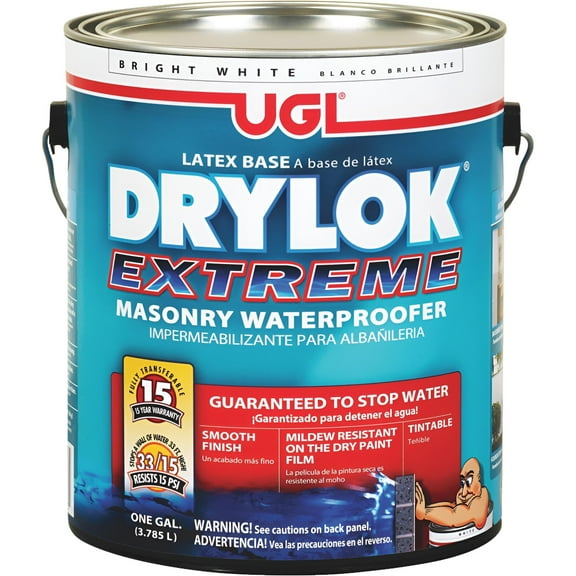
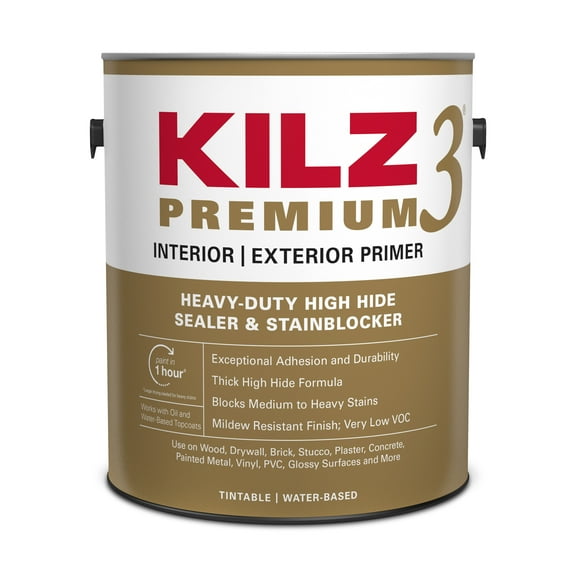



About Waterproof Sealers & Sealants | Walmart
You can use waterproof sealer to help protect wood, concrete, and masonry from rain, splashes, and changing outdoor conditions. You’ll also find options made for decks, driveways, walls, and other surfaces that need a finish matched to your project.
When you compare waterproofers and sealers, you’ll notice important differences in surface compatibility, sealer type, finish, and application area. You can use those decision points to narrow your choice faster and avoid coatings that don’t suit your material.
Choosing the right waterproof sealer
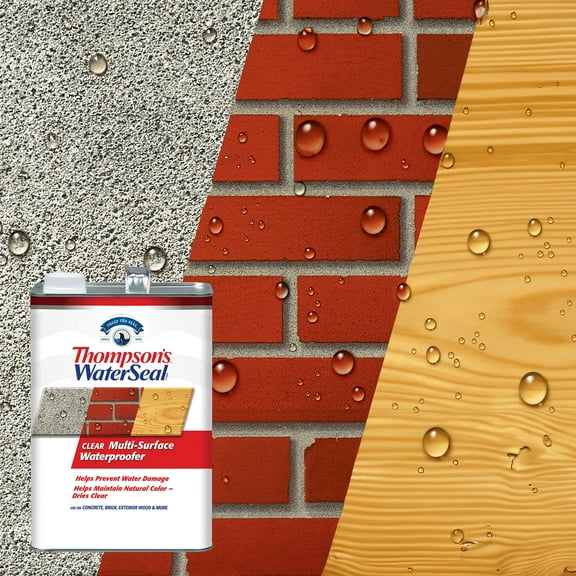
You should start with surface compatibility because wood, concrete, brick, masonry, and metal absorb moisture in different ways. You’ll usually get a more consistent result when your formula matches the surface you’re sealing.
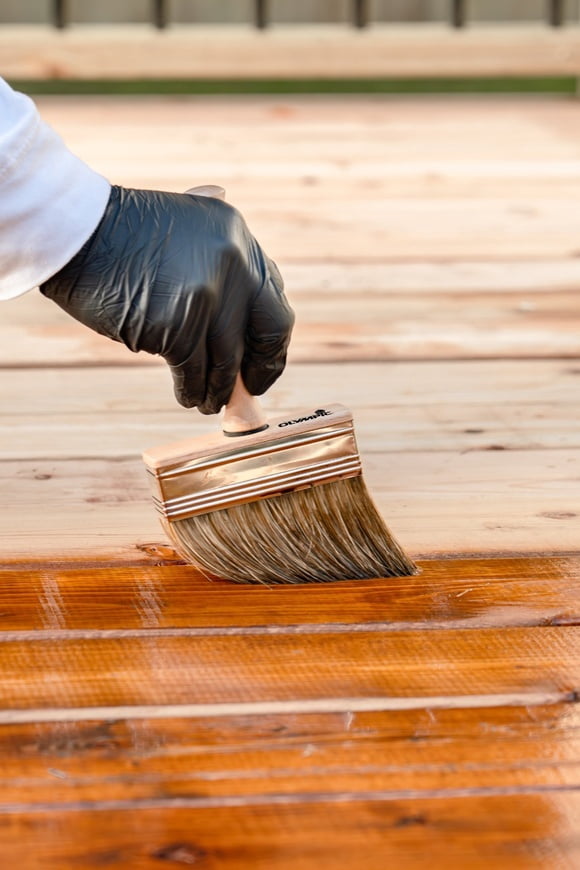
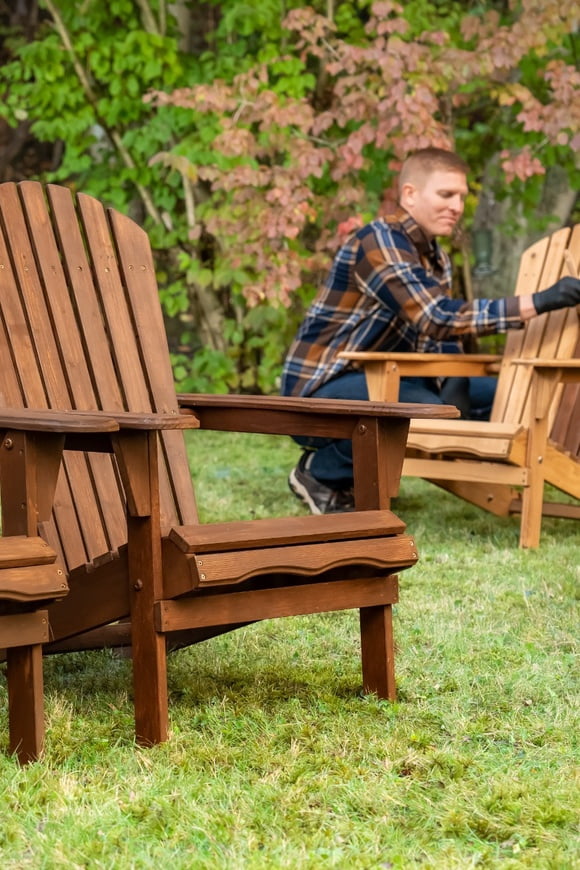
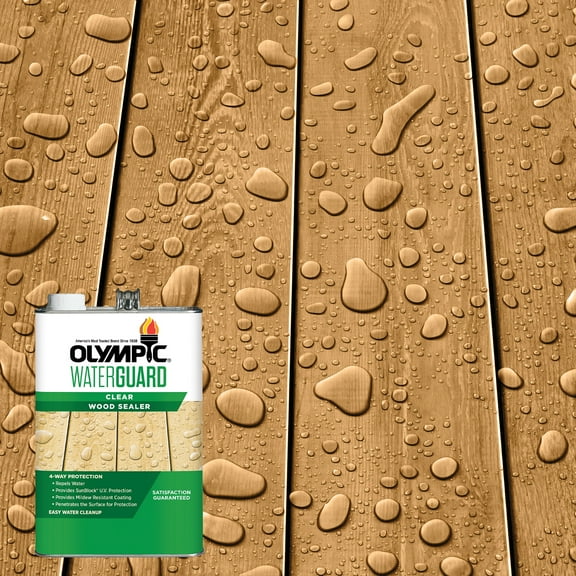
If you’re sealing a deck or fence, you may prefer products designed to soak into wood grain instead of sitting heavily on top. If you’re sealing a driveway or patio, you may look for formulas made for porous concrete and masonry.
You can also compare water resistance levels before you commit to a product. You’ll see terms like waterproof, water-resistant, and weatherproof sealer, and each one points to a different level of exposure.
- You can choose penetrating formulas when you want the sealer to move into porous surfaces.
- You can choose topical coatings when you want a visible layer across concrete, brick, or wood.
- You can compare clear, matte, semi-gloss, gloss, and tinted finishes to match the final look.
- You can check whether the product fits exterior walls, decks, driveways, or indoor utility spaces.
How to compare waterproof sealant types
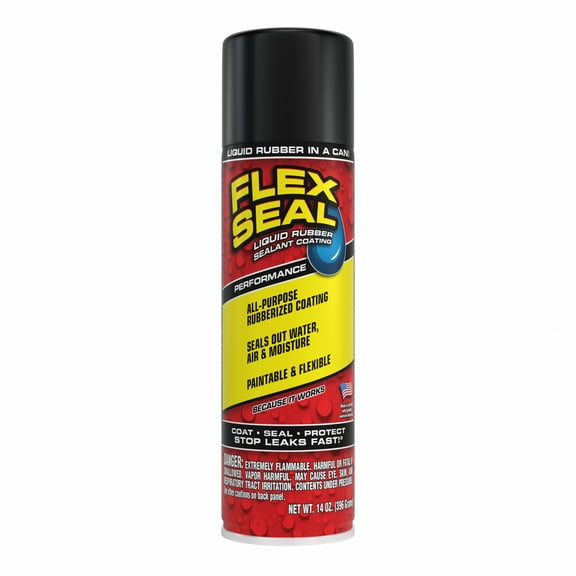
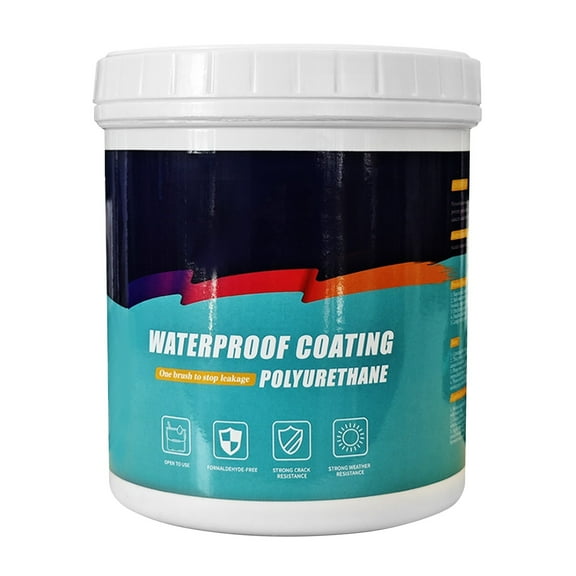
You’ll often see acrylic, silicone, and polyurethane options within waterproofing sealers, and each type fits different project goals. You can use that label as a shortcut when you want to compare feel, appearance, and wear.
Acrylic options can work well when you want a straightforward finish and easier application on some surfaces. Silicone-focused formulas may suit projects where you want strong water beading on exterior materials.
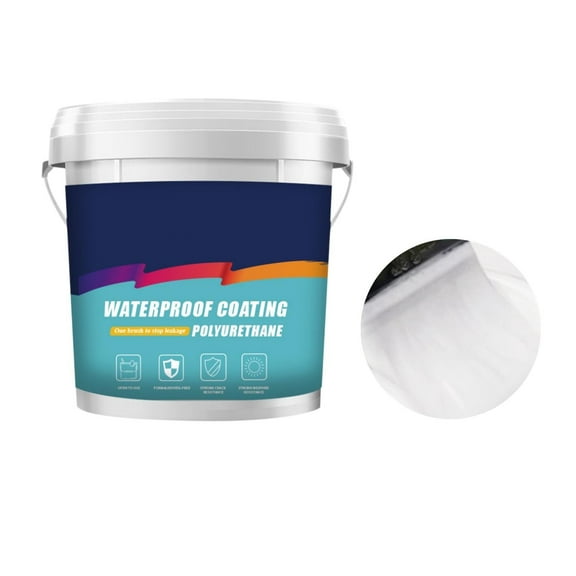
Polyurethane choices can make sense when you expect frequent foot traffic on decks, porches, or concrete paths. You should also compare penetrating and topical designs because that choice affects both appearance and maintenance.
When you’re deciding between a waterproof sealant and a water sealant, you should read the surface list and finish notes closely. You’ll avoid guesswork when you match those details to the exact material under your brush, roller, or sprayer.
What to look for in surface compatibility and finish
You should treat surface compatibility as a core buying step, especially when you’re moving between wood and concrete formulations. You’ll often need different chemistry for lumber grain than you need for dense masonry or brick.
If you want a natural look on cedar, redwood, or pressure-treated boards, you may prefer a clear or matte finish. If you want a richer appearance on a patio border or decorative wall, you may consider semi-gloss, gloss, or tinted options.
You can also use finish choice to balance appearance with upkeep. You’ll usually notice that clear coatings keep the surface look more unchanged, while tinted options can shift color and add visual depth.
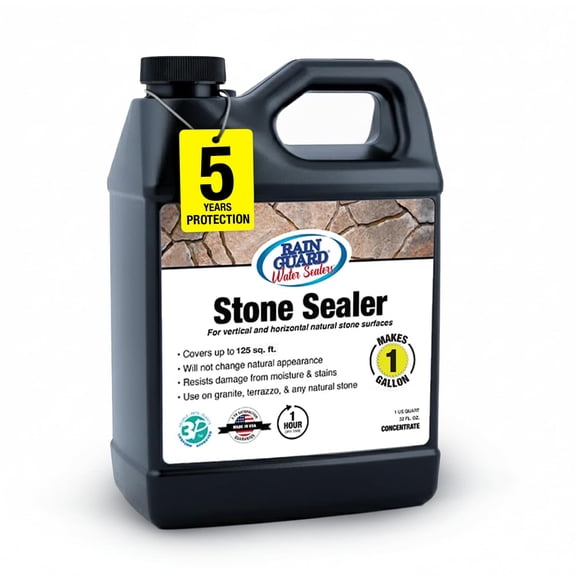
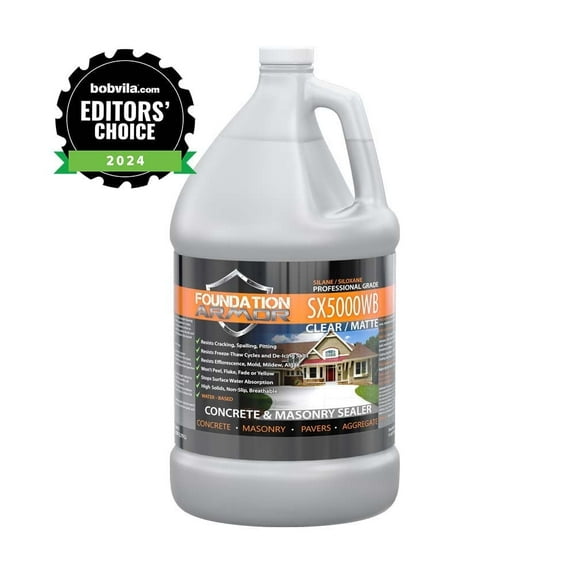
For a waterproof sealant for exterior walls, you should confirm that the label covers vertical masonry or brick. You’ll get more reliable coverage when the product is designed for walls instead of only horizontal slabs.
Checking dry time, cure time, and application method
You should compare dry time and cure time before you start your project because those numbers shape your schedule. You’ll often see dry times measured in hours, while full cure can take several days.
If you need to finish a weekend deck project, you may prefer a formula with a shorter recoat window. If you’re planning a driveway treatment, you should check how long the surface needs before regular use.
You can also compare application method to make the job easier. You’ll find some water sealers that work with a brush, roller, or pump sprayer, and that choice affects speed and coverage.
For railings, corners, and textured masonry, you may like a brush for tighter control. For broad concrete pads or long fence lines, you may prefer a roller or sprayer to cover more ground evenly.
Matching waterproof sealers to real projects
You can narrow your options faster when you match the sealer to the place you’re working. You’ll make a clearer choice when you combine surface type, finish, water resistance level, and application method.
If you’re refreshing a wood deck, you may look for a penetrating formula with a clear or tinted finish. If you’re coating a concrete driveway, you may prefer a topical option that’s made for outdoor slab surfaces.
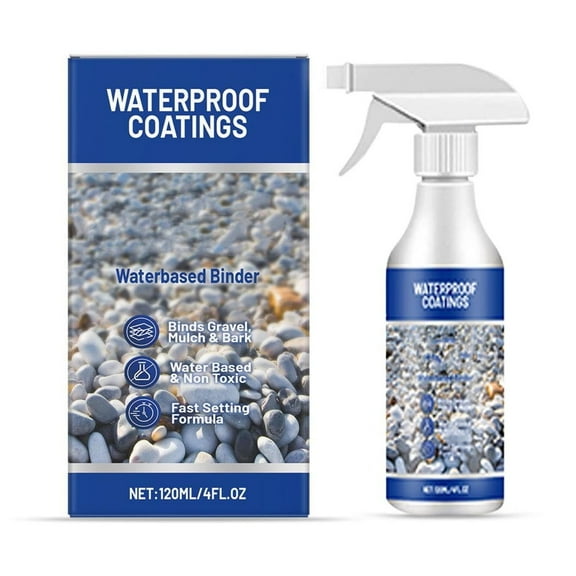
For brick or block walls, you may want a waterproof sealant for exterior walls that’s labeled for masonry. You should also confirm whether you want a nearly invisible finish or a more noticeable sheen.
If you’re sealing an indoor workshop floor or utility wall, you may focus on appearance and cleanup. If you’re treating an exposed patio, steps, or retaining wall, you may focus more on weatherproof sealer performance through changing seasons.
You can feel more confident when you compare waterproof sealer choices by surface, finish, dry time, and application method. You’ll end up with coverage that fits your project, your timeline, and the look you want to keep.