

Paint Sealers in Art Painting Supplies


















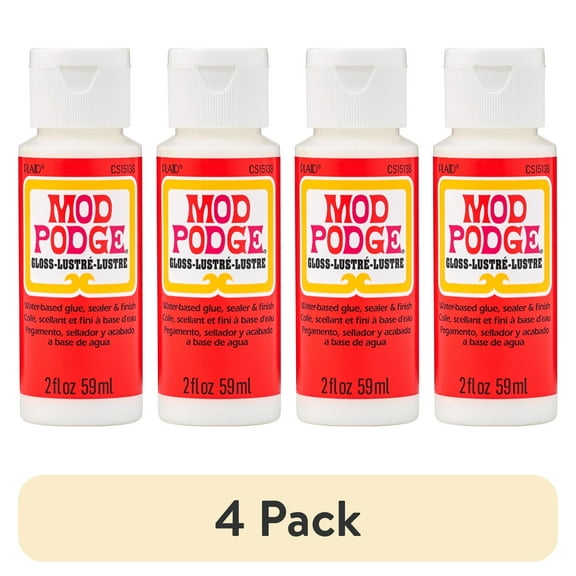
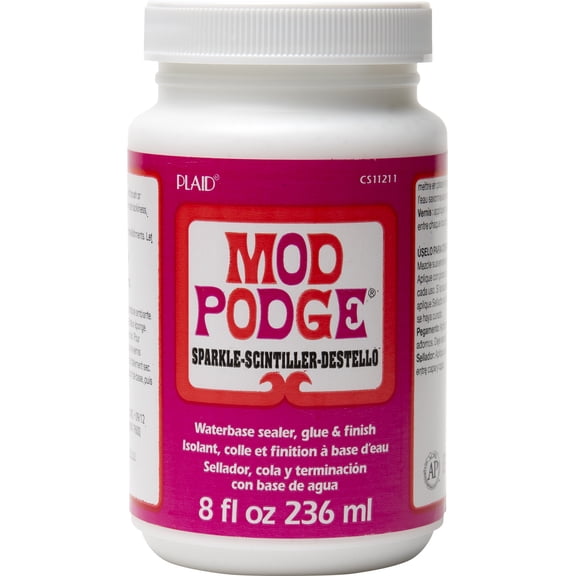
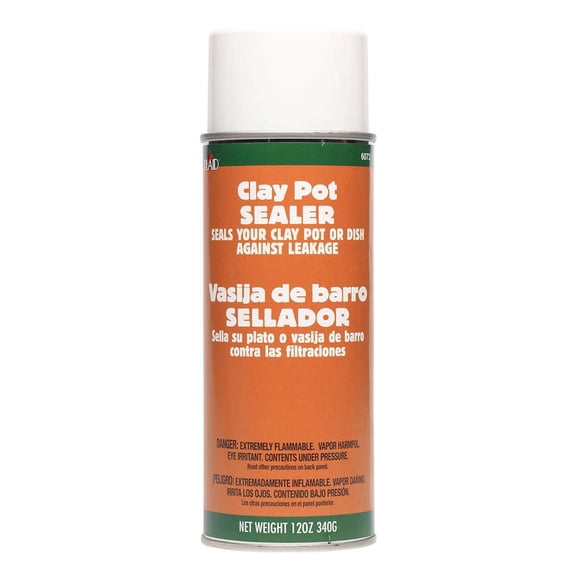
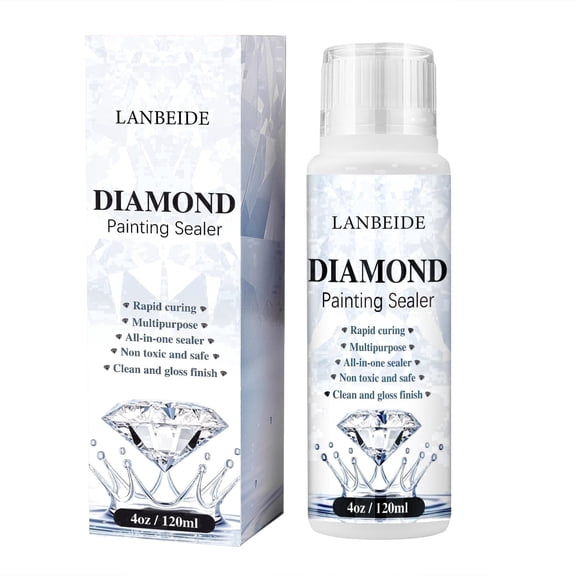






About Paint Sealers in Art Painting Supplies - Walmart.com
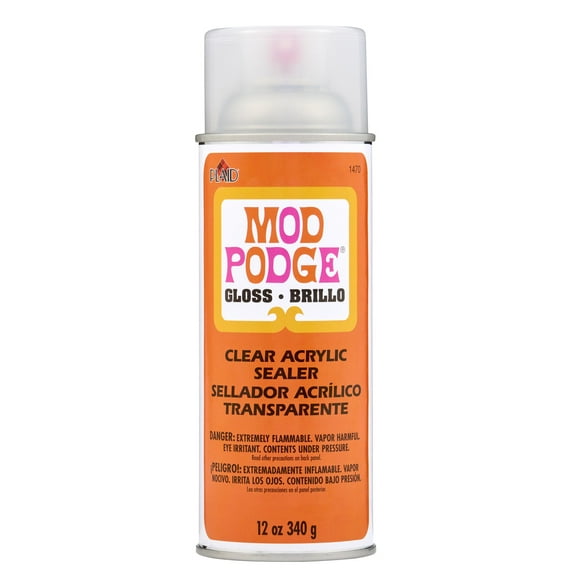
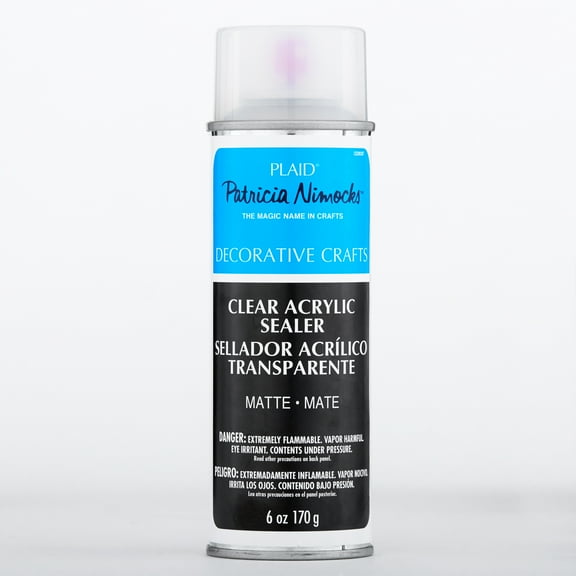
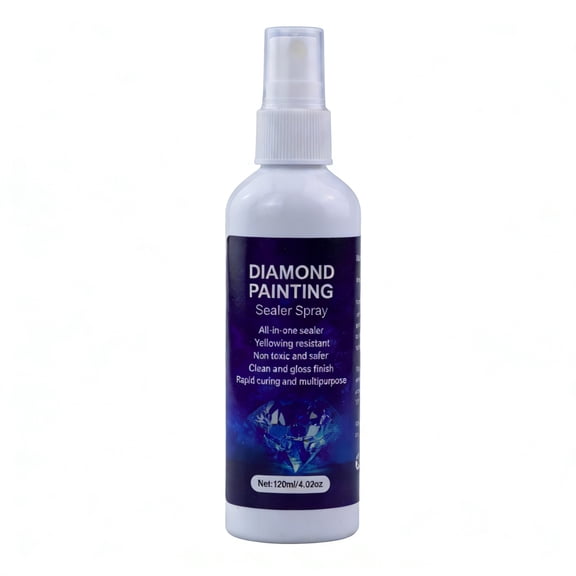
You can protect finished art with a spray on paint sealant that fits your surface, finish preference, and application style. You’ll find options for canvas, wood, ceramic, metal, and paper, so your painted project keeps its intended look.
When you compare sealers at the category level, you can focus on finish type, paint compatibility, and how you want to apply each coat. You’ll also want to check drying time and full curing details before you start display pieces or everyday crafts.
Choosing the right spray on paint sealant
You can use this page as a guide when you need a sealer for painting across different materials and paint types. You’ll usually start by matching your sealer to acrylic, oil-based, watercolor, or chalk paint.
If you’re sealing acrylic work, you may want a clear top layer that keeps colors visible without changing your design. If you’re finishing chalk paint or mixed-media crafts, you may prefer a formula labeled for broad surface compatibility.
- You can preserve color visibility with clear finishes that let painted details stay front and center.
- You can control shine by choosing matte, gloss, satin, or semi-gloss finishes for your final coat.
- You can match the application method to your project size, from quick spray coverage to careful brush-on control.
- You can choose indoor, outdoor, waterproof, or UV-resistant options based on where your project will live.
You’ll notice these choices matter because a painted canvas needs different coverage than a decorated flowerpot or wood sign. You can make a clearer choice when you compare the paint type, surface, and finish before sealing.
How to compare sealant for paint finishes
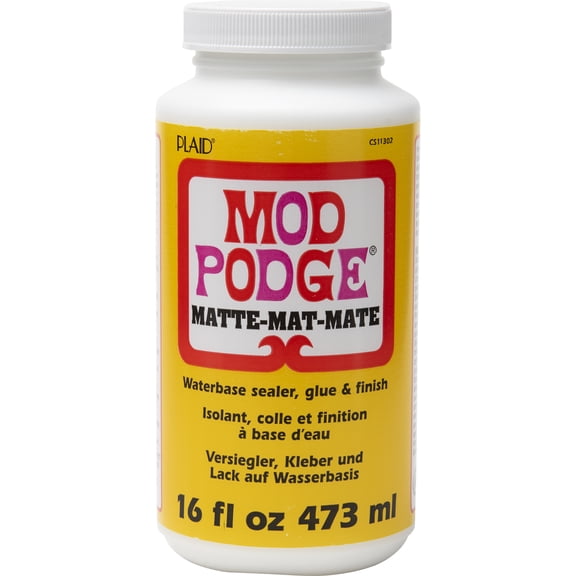
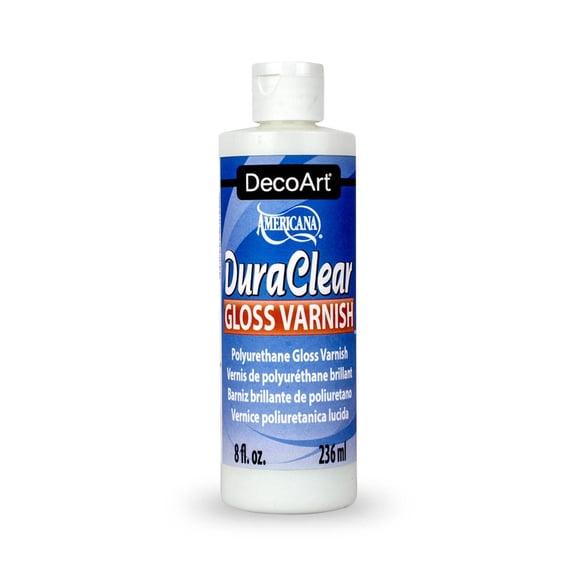
You can choose a matte sealer for acrylic paint when you want a non-reflective look on portraits, wall art, or layered canvas work. You can pick gloss when you want colors to look bright and surfaces to reflect more light.
If you want a middle ground, you can consider satin or semi-gloss for a softer sheen. You’ll often like these finishes on decorative wood pieces, painted trays, and craft projects that need some light reflection.
You can also think about texture and detail before picking a paint seal finish. If your artwork includes fine brush marks, you may prefer a finish that doesn’t add extra glare under room lighting.
What to look for in clear sealer for acrylic paint
You can narrow your options fast by checking whether the label calls out acrylic compatibility. You’ll want a clear sealer for acrylic paint when your goal is to protect color while keeping the original painted design easy to see.
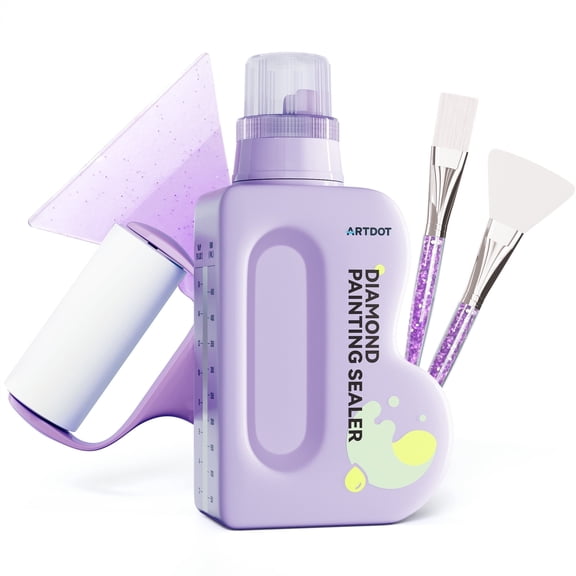
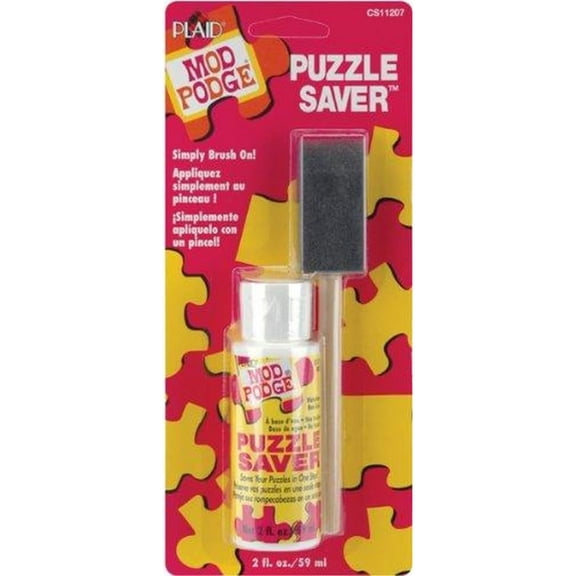
If your project includes layered acrylics, you can compare spray-on, brush-on, and pour-on formats. You may prefer spray coverage for even coats on larger areas, while brush-on formulas can help with edges and smaller sections.
You should also compare dry-to-touch time and full cure time before handling the piece. You might touch a surface sooner, but you’ll usually wait longer before stacking, wrapping, or placing it into regular use.
Choosing a canvas painting sealer by surface
You can choose a canvas painting sealer when you want your finished artwork ready for display, storage, or gifting. You’ll usually want light, even coverage on stretched canvas so your painted surface keeps a consistent appearance.
For wood, you can look for sealers that cover flat signs, frames, and painted décor with steady adhesion. For ceramic or metal, you should check whether the formula lists those hard surfaces on the package.
If you’re sealing paper crafts, you can compare light coats and clear finishes that won’t hide printed or painted details. You can use the same approach for mixed-media projects that combine paper, canvas, and painted embellishments.
Comparing application methods for a paint seal
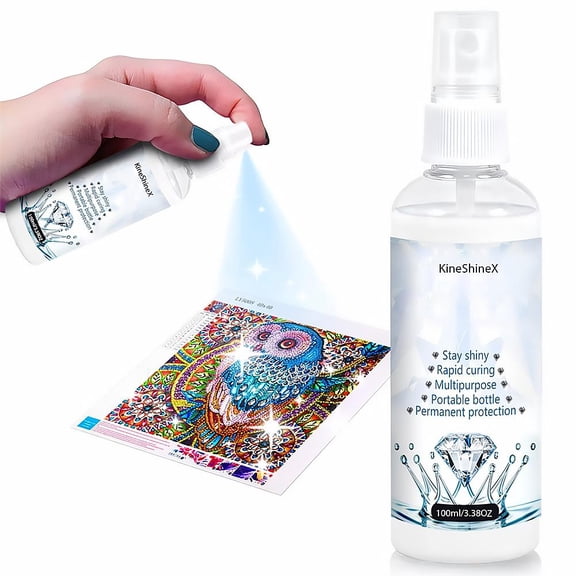
You can choose a spray on paint sealant when you want quick, even coverage across larger artwork or textured surfaces. You may prefer brush-on formulas when you want more control around corners, trim, or raised details.
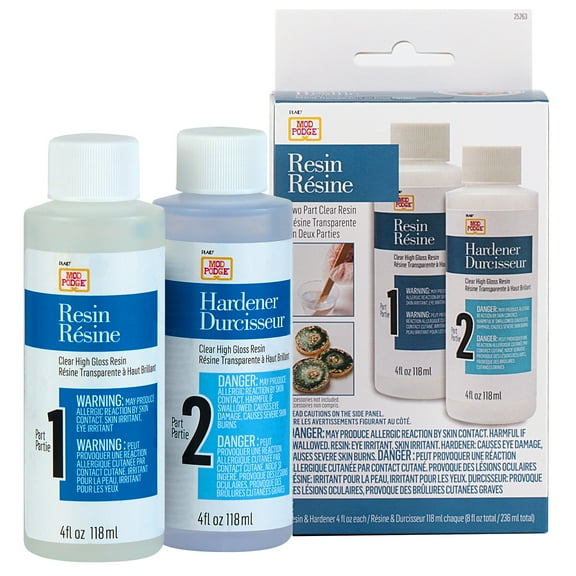
If you’re working on signs, canvases, or seasonal crafts, you can compare aerosol spray with liquid application based on project size. You’ll often find spray-on options easier for broad coverage, while pour-on formulas suit thick, self-leveling finishes.
You can also compare nozzle style, coverage guidance, and coat recommendations before starting. You’ll get a smooth result when your chosen method matches the shape, scale, and detail level of your painted piece.
How all purpose sealer options fit your projects
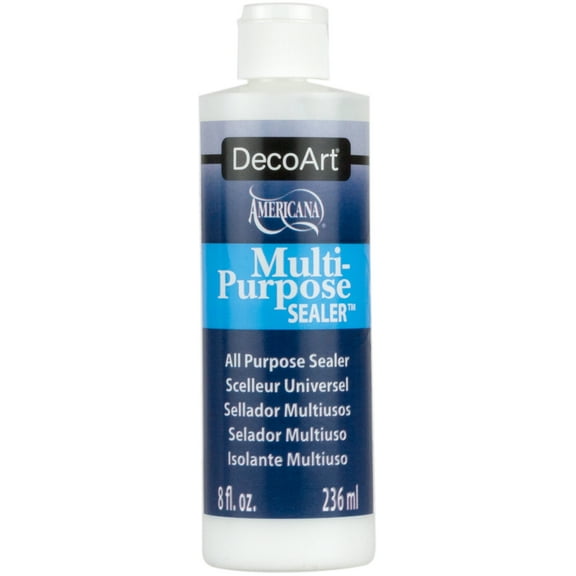
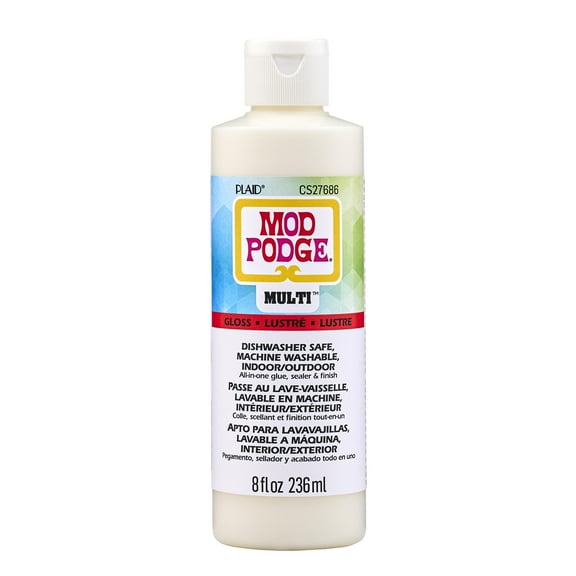
You can consider an all purpose sealer when you switch between surfaces like canvas, wood, ceramic, and metal. You may find that broad compatibility helps when you make gifts, classroom crafts, or home décor projects.
If your project will stay outdoors or near sunlight, you can compare waterproof and UV-resistant labeling. If your piece will stay indoors, you may focus more on finish appearance and compatibility with your paint type.
You can feel more confident when you match finish, surface, paint type, and application method before sealing. You’ll end up with a paint sealer choice that supports a clean final look and long-lasting display results.