


Wool Yarn in Yarn by Fiber







































About Wool Yarn in Yarn by Fiber - Walmart.com
You can choose wool yarn with more confidence when you compare fiber, weight, care, and yardage before starting your project. You'll find wool stands out for warmth, stitch definition, and a natural feel that suits knitting, crochet, weaving, and felting.
When you shop this category, you may want soft strands for scarves, structured yarn for sweaters, or loftier skeins for blankets. You'll get clearer results when you match the yarn to your project instead of choosing by color alone.
How to choose wool yarn by fiber composition
You should start with fiber composition because it shapes softness, texture, and the finished fabric's look. You'll notice 100% wool often feels springy, while wool blends can feel smoother and easier for everyday projects.
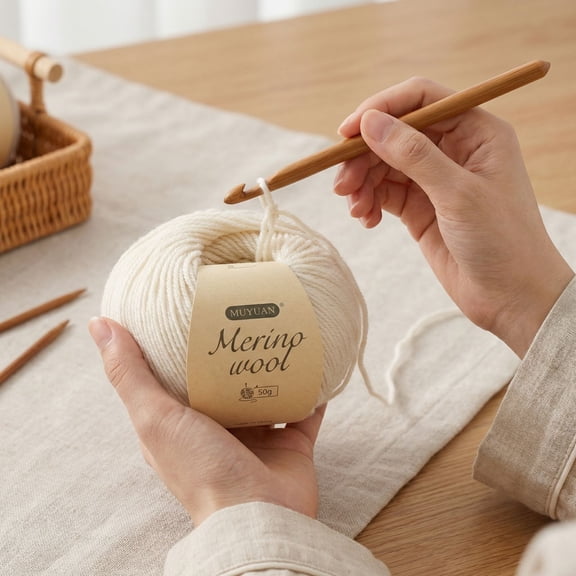
If you want next-to-skin softness, you may prefer merino wool for hats, cowls, and baby-inspired crafts. If you want a rustic look, you may choose heartier wool that gives your stitches clear definition.
You can also compare alpaca blend options when you want drape and a softer halo around your stitches. You'll often see yarn wool choices that balance warmth, softness, and structure across different project types.
What you gain from knitting wool yarn
You get distinct benefits from knitting wool yarn when you match the fiber and weight to your pattern. You'll often notice cleaner texture, helpful stretch, and a cozier finish than many slick synthetic strands.
- You can enjoy clear stitch patterns that help cables, ribbing, and textured rows stand out.
- You get natural warmth that suits sweaters, hats, mittens, and cold-weather accessories.
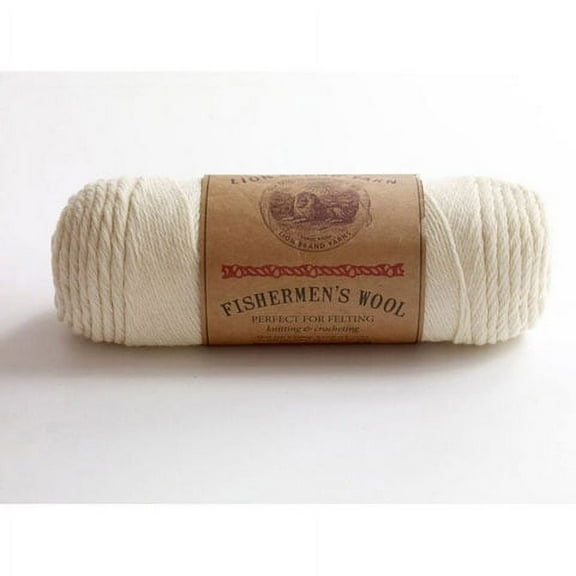
- You can felt select untreated fibers for dense slippers, bags, and crafted accents.
- You may choose wool blends when you want easier care and more everyday versatility.
You also gain flexibility across craft styles because wool works for knitting, crochet, weaving, and decorative fiber projects. You'll have more control when you compare softness, loft, and care needs before you buy wool yarn.
Choosing yarn weight and yardage for your project
You should compare yarn weight next because it affects drape, warmth, and how quickly your project grows. You'll usually see lace, sport, worsted, and bulky options, and each one changes the fabric in a different way.
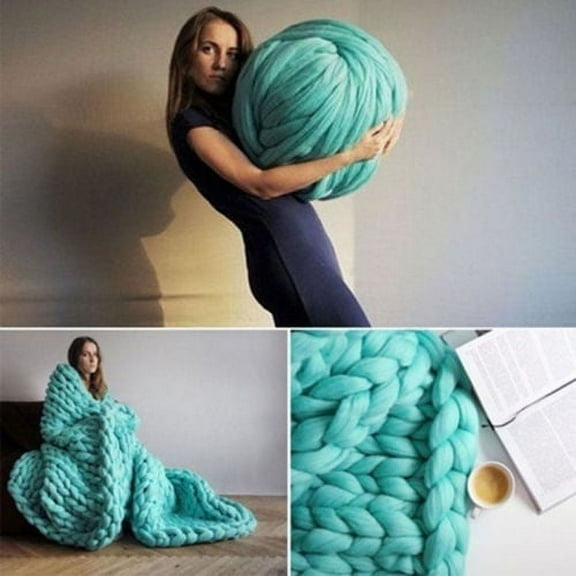
If you want lighter wraps or delicate details, you may look at lace or sport weights. If you want versatile sweaters or hats, you may choose worsted, while bulky yarn helps you finish thicker projects faster.
You may also check pattern guidance for ply or standard weight terms, since those labels help you match gauge more closely. You'll avoid frustrating restarts when your yarn weight lines up with your hook or needle size.
Yardage per skein matters just as much as weight when you plan scarves, socks, blankets, or cardigans. You can estimate how many skeins you need by checking total pattern yardage and adding extra for swatches, borders, or matching dye lots.
Comparing care instructions before you buy wool yarn
You should check care instructions early because they can shape how often you'll reach for the finished piece. You'll usually choose between hand wash cold, superwash machine washable yarns, and items that should dry flat.
If you want traditional wool texture, you may choose untreated fibers that keep a more natural feel. If you want simpler laundry routines, you may prefer superwash treatment because you can care for many finished items with less fuss.
You should also check whether your yarn is designed to dry flat, since that helps your finished shape stay more consistent. You'll make a smarter choice when care instructions match the way you plan to wear or gift the project.
Matching wool yarn to knitting, crochet, weaving, and felting
You can narrow your options faster when you match wool wool yarn choices to the craft you actually plan to use. You'll often want smooth, even strands for garments, sturdier texture for weaving, or untreated wool for felting projects.
If you're knitting sweaters or hats, you may look for balanced softness, steady stitch definition, and workable yardage. If you're crocheting baskets or textured throws, you may prefer a weight and twist that holds shape clearly.
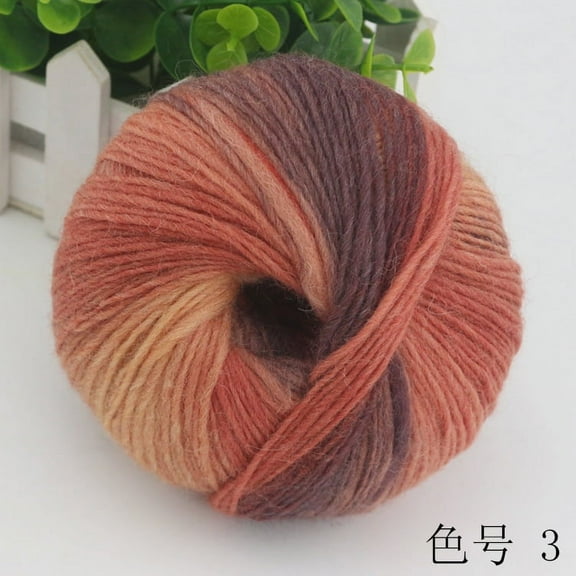
You may choose weaving yarn based on color transitions, fiber loft, and how much structure you want in the finished cloth. You can select felting-friendly wool when you want fibers to mesh into denser forms for slippers, pouches, or decor.
As you compare options, you should consider fiber composition, yarn weight, care labels, and total yardage together. You'll finish with a wool yarn choice that fits your pattern, your tools, and your everyday use.