

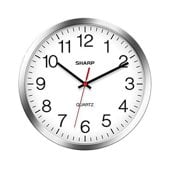
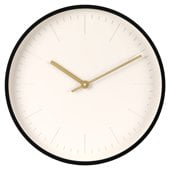
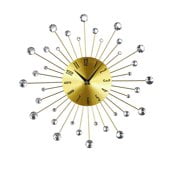
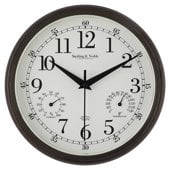
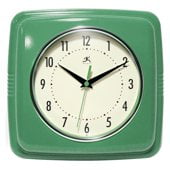
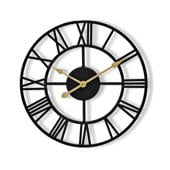
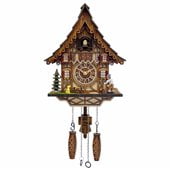
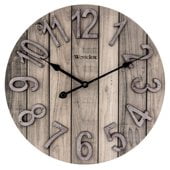

Wall Pendulum Clocks: Traditional & Modern Designs





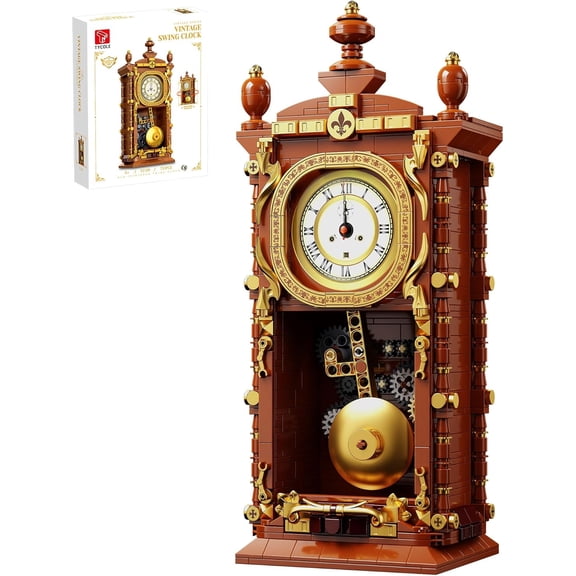

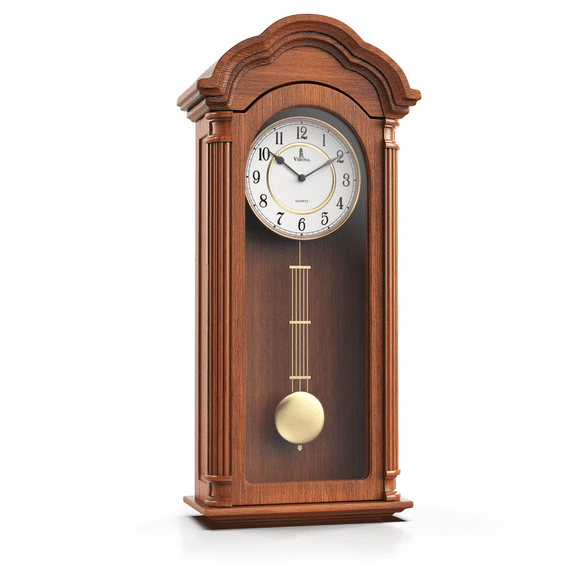
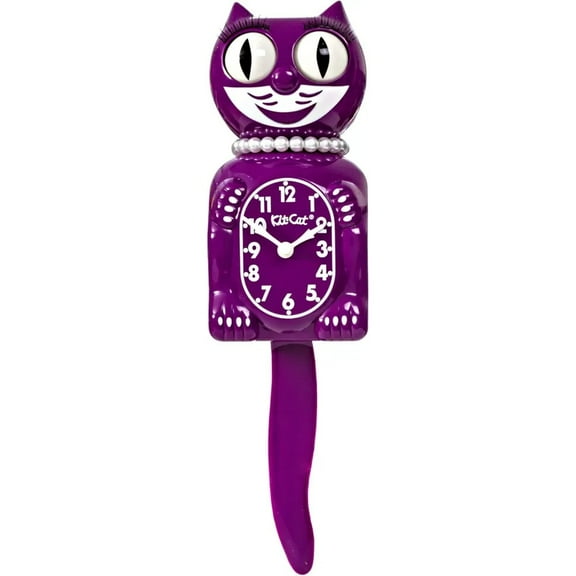
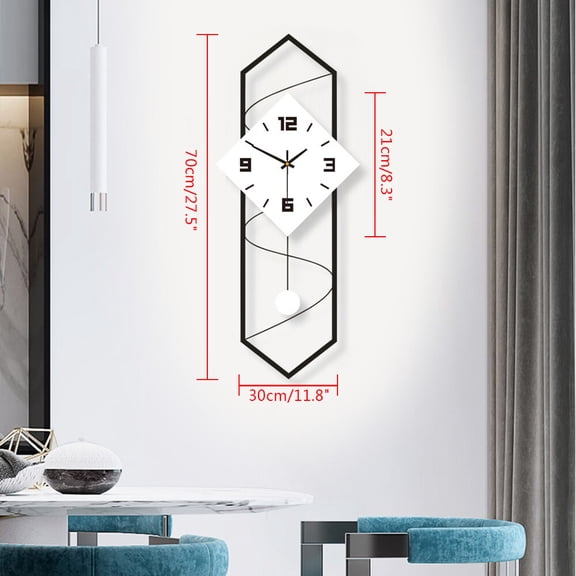


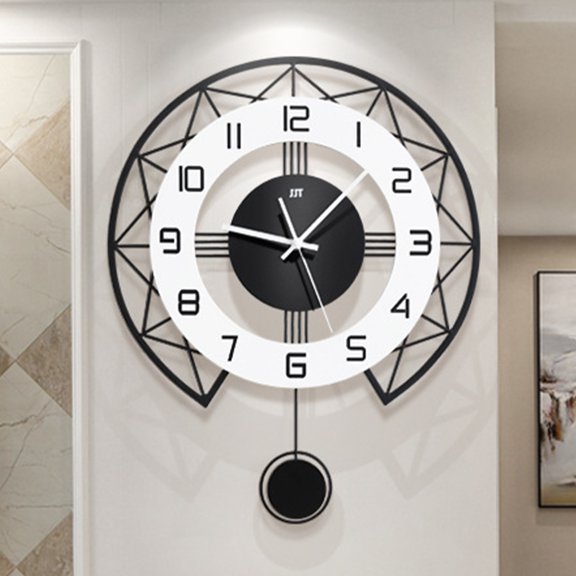


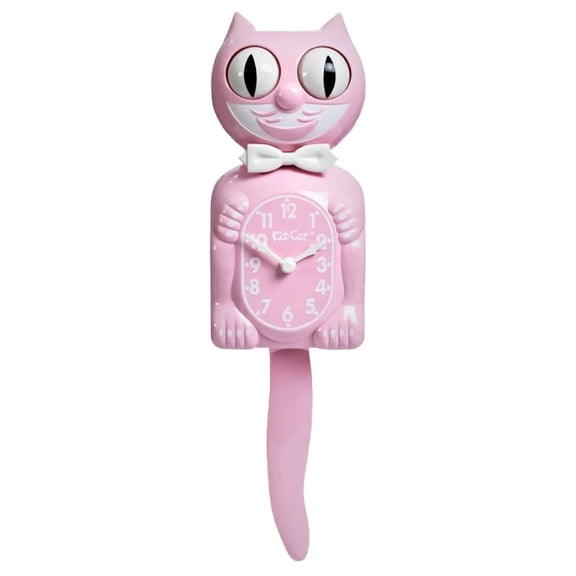
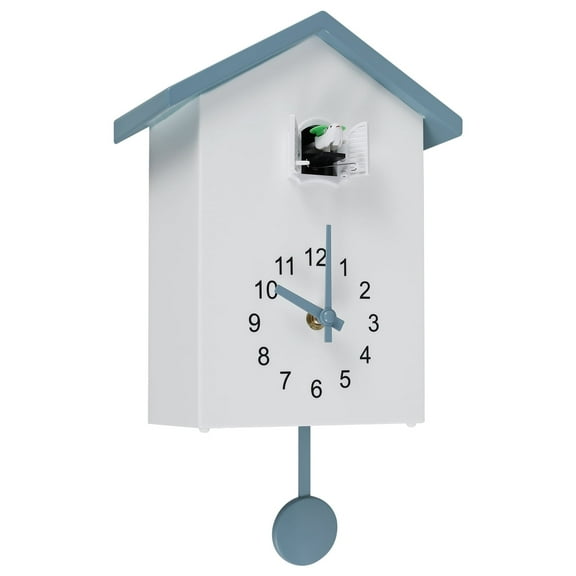


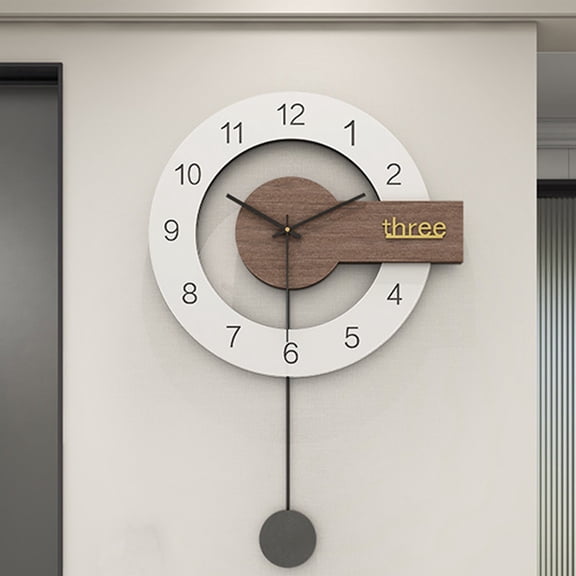

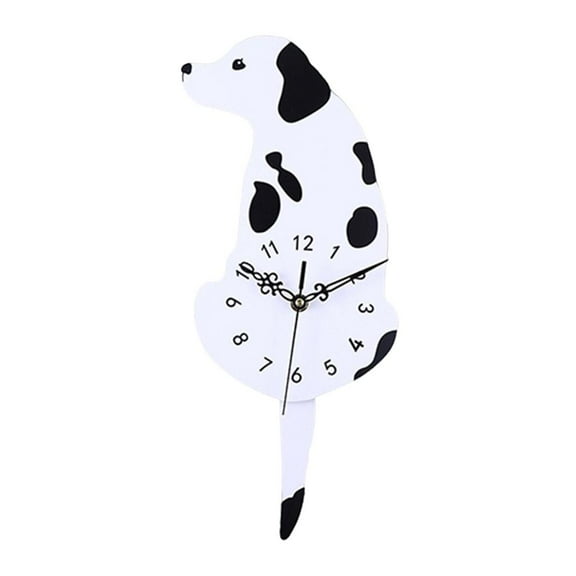


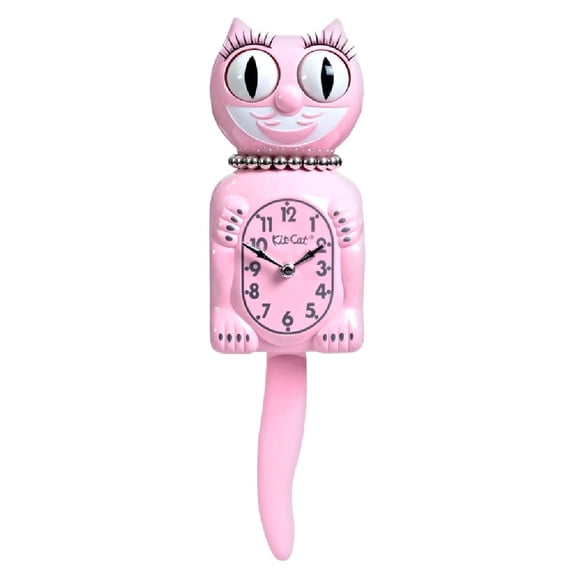
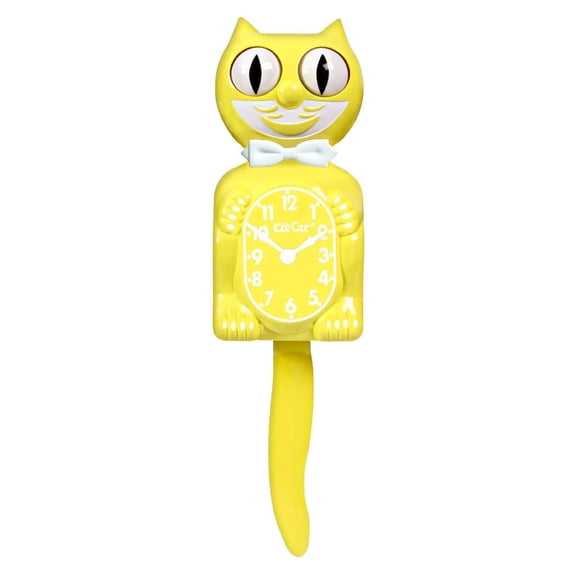
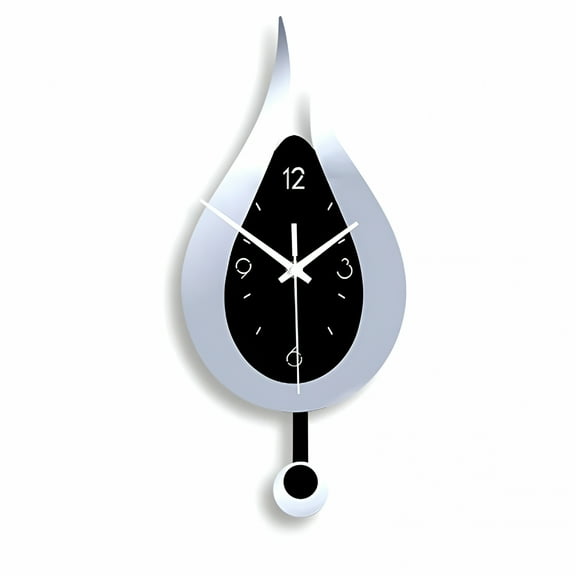

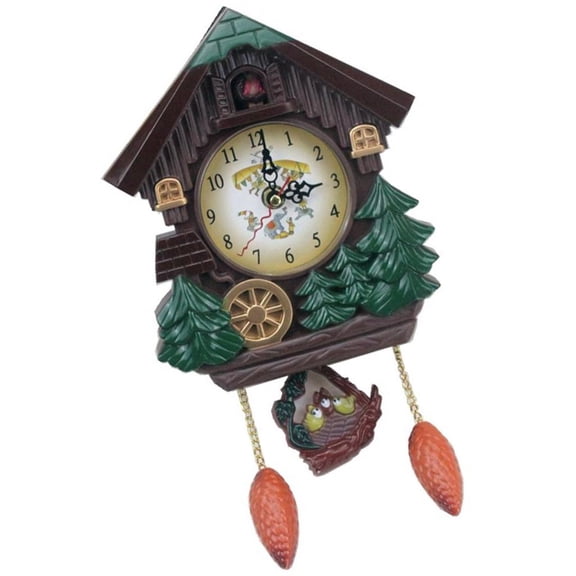

About Wall Pendulum Clocks: Traditional & Modern Designs - Walmart.com
Wall pendulum clocks help you add visible motion and classic character to your room while keeping time in a display-friendly format. You can compare style, power source, size, and sound settings, so your pendulum clock wall choice fits your space and routine.
You may want a decorative focal point for an entryway, dining room, living room, or office wall. You can narrow your search easily when you understand how pendulum movement, clock size, and movement type shape daily use.
How to choose wall pendulum clocks by style
You can start with style because the clock face, case shape, and pendulum window set the tone for your room. You can often compare vintage, modern, traditional, and farmhouse looks with different furniture and wall finishes.
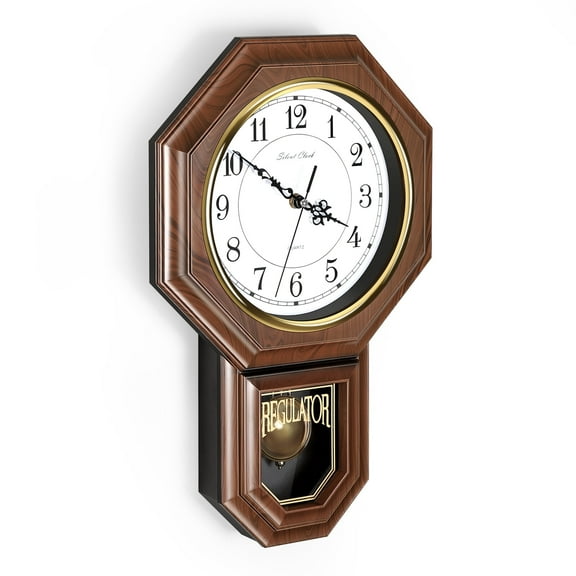
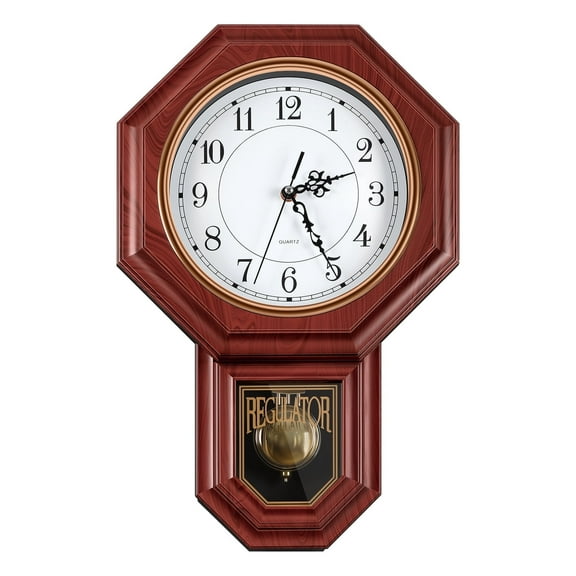
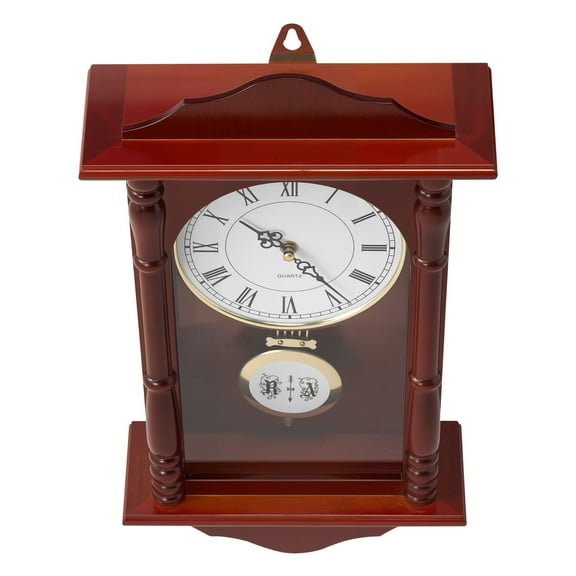
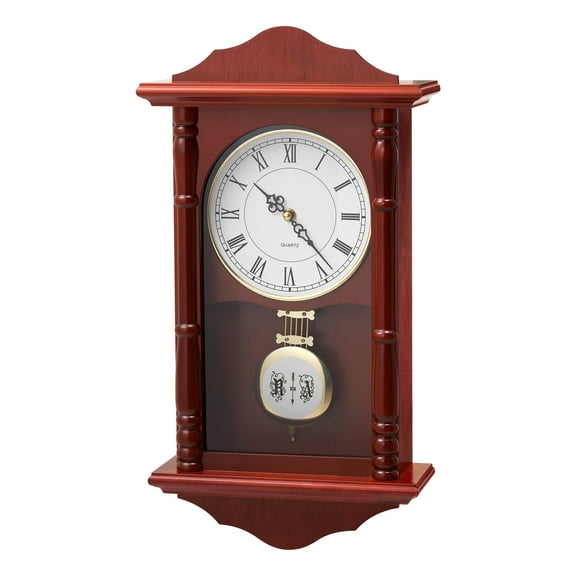
If your room has warm wood tones, you may prefer a vintage wooden wall clock with pendulum details and a classic dial. If your room feels simple and clean, you may lean toward metal accents, slim profiles, and modern numerals.
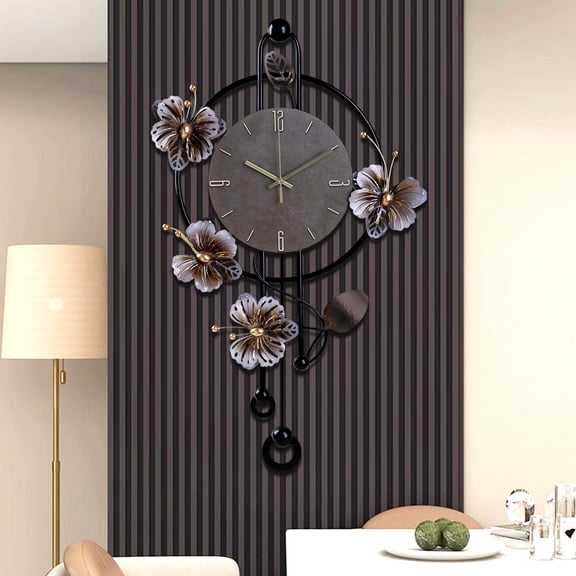
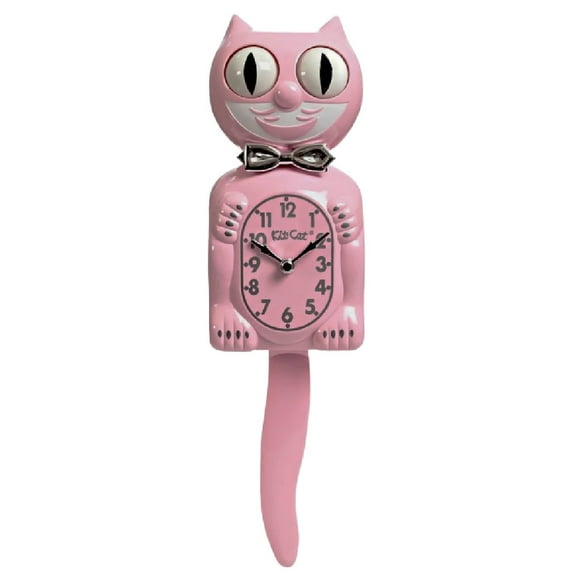
You can also compare decorative wall clocks with pendulum designs by how much visual detail you want. A carved case feels formal, while a flatter frame can blend into casual spaces.
- You can use vintage styles to echo dark wood furniture, framed art, and traditional trim.
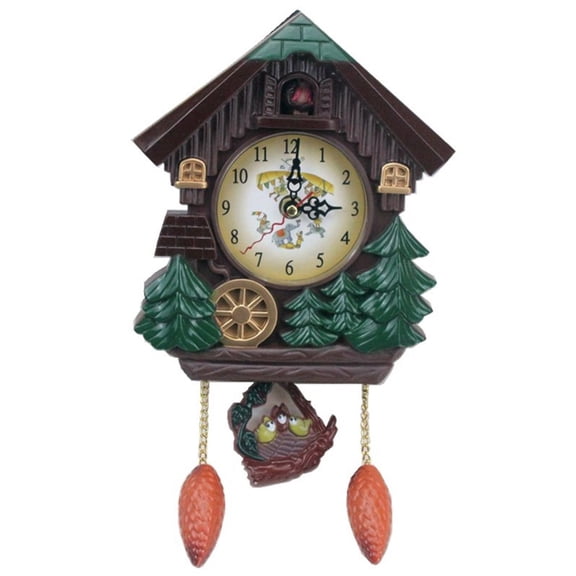
- You can pick farmhouse looks when your room features distressed finishes, lighter woods, or rustic accents.
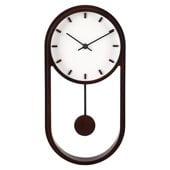
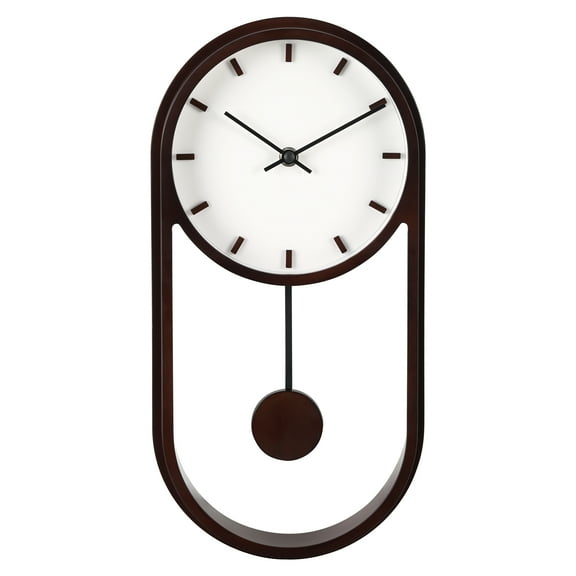
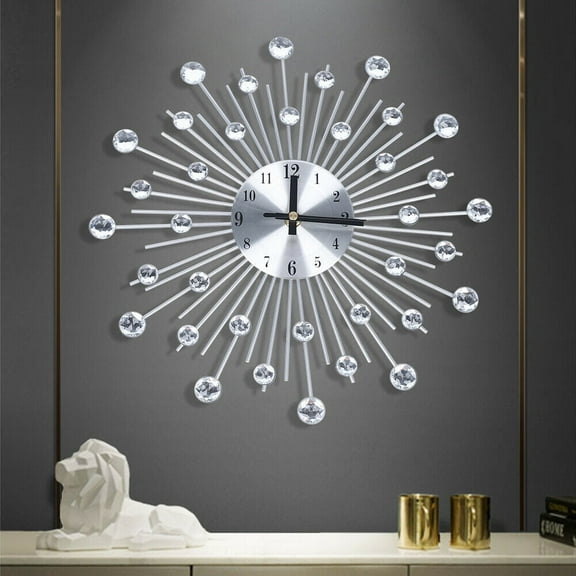
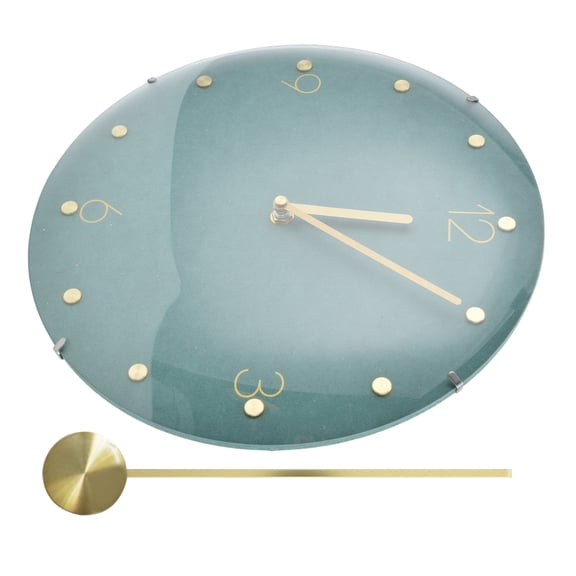
- You can choose modern designs when your wall needs motion without ornate details.
- You can match material choices, like wood, metal, or plastic, to your room’s finish and upkeep preferences.
Choosing power source and movement type
You should compare movement type early because it affects maintenance, setup, and the sound you hear each day. You can usually choose among battery operated, quartz, and mechanical wind-up options in this category.
If you want simple upkeep, a battery operated pendulum clock can make routine care easier. You can usually replace batteries as needed instead of winding the clock on a schedule.
If you enjoy traditional operation, you may prefer a mechanical wind-up design with a classic hands-on feel. You should check whether you want that regular winding step as part of ownership.
You can also look for quartz movement when you want familiar, straightforward timekeeping in a pendulum format. You may notice some clocks offer a clock with swinging pendulum styling while keeping setup less involved.
Sound settings matter too, especially when your clock hangs near bedrooms, offices, or shared living areas. You should compare silent sweep options, hourly chimes, and volume controls so your clock matches your daily rhythm.
Choosing the right size and placement
You should measure wall space before choosing a case size because pendulum clocks need visual breathing room. You can consider both the frame height and the pendulum area below the dial.
A large wall clock with pendulum details can anchor a fireplace wall, stair landing, or open living room. You may prefer that scale when your furniture sits low and your wall needs a strong focal point.
If you’re furnishing a smaller nook, you may look at a mini pendulum clock or compact hanging style. You can keep the pendulum look without overwhelming a narrow hallway, breakfast area, or apartment wall.
You may also be comparing a wall clock to a mantle clock with pendulum styling for shelves or mantels. You should check placement first, because a wall model uses vertical space while a mantel option uses tabletop or ledge space.
If your clock will hang in a busy family room, you should look for readable numerals and clear contrast on the dial. You can read the time easily when the face stands out from across the room.
What to look for in materials and details
You can compare materials for both style and maintenance, since each finish changes the look of the clock. Wooden cases often feel classic, metal frames can look clean, and plastic options may keep the design lighter.
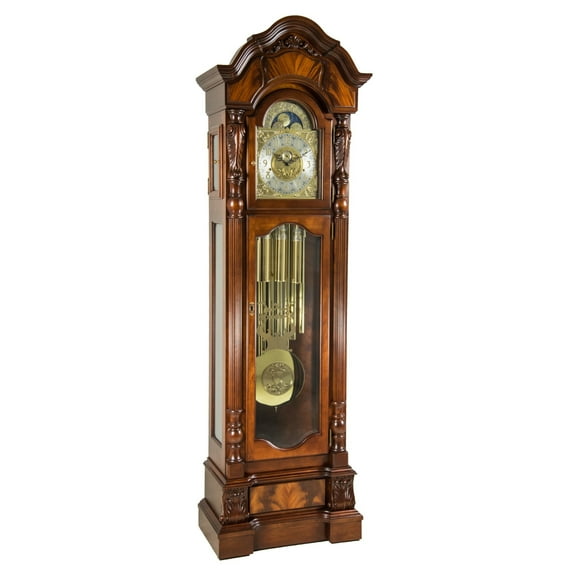
If you want a wall clock antique pendulum feel, you may look for darker wood tones, Roman numerals, or shaped cases. You can create that heritage look without using a floor clock footprint.
You should also check the dial layout, hands, glass cover, and pendulum visibility before you decide. A clock with a pendulum can feel very different depending on whether the pendulum sits behind glass or in an open cutout.
Installation details deserve attention because your clock should sit level for the right visual effect. You can check hanging hardware, overall depth, and the clearance needed for the pendulum swing.
Matching use cases to your room
You can use wall pendulum clocks to finish spaces that need both time display and decorative movement. An entryway clock can greet guests, while a dining room clock can reinforce a traditional or farmhouse theme.
If you’re styling a formal room, you may pair a wooden case with framed artwork, sideboards, and warm finishes. You can create a classic look with ornate trim, aged dials, and a visible pendulum window.
If your space feels minimal, you may choose a pendulum clock wall design with a slimmer frame and simpler markers. You can keep the swinging motion while avoiding extra ornament on a clean wall.
You may also want a clock with a swinging pendulum for an office, study, or reading area. You should compare silent or reduced-chime options if your room needs a calmer background.
When you’re choosing between clocks with pendulums for different rooms, you should think about wall height, furniture scale, and daily sound preferences. You can narrow your options easily when those three factors guide your decision.
You can shop with more confidence when you compare style, movement, size, and sound as connected choices instead of separate features. Your finished space can feel more intentional when the right pendulum clock fits your wall, routine, and decor.