





Vitamin E in Letter Vitamins
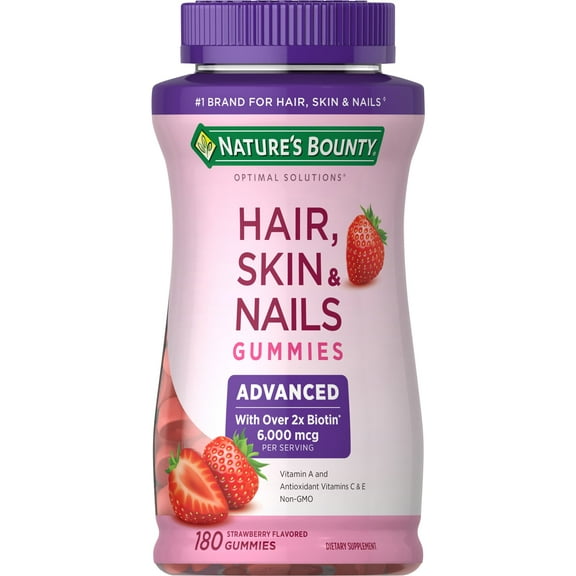


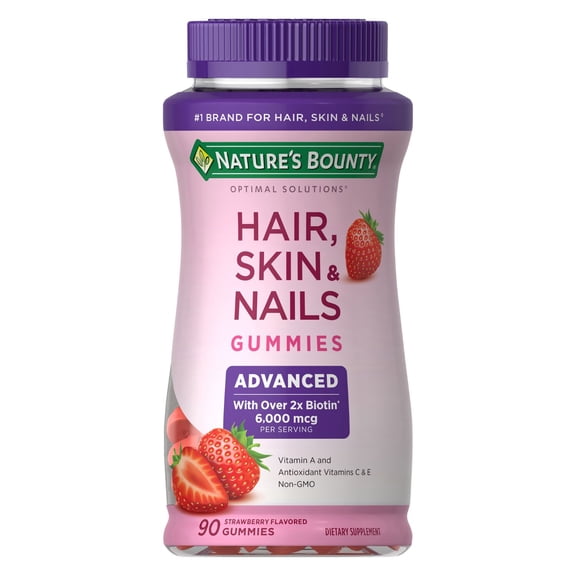
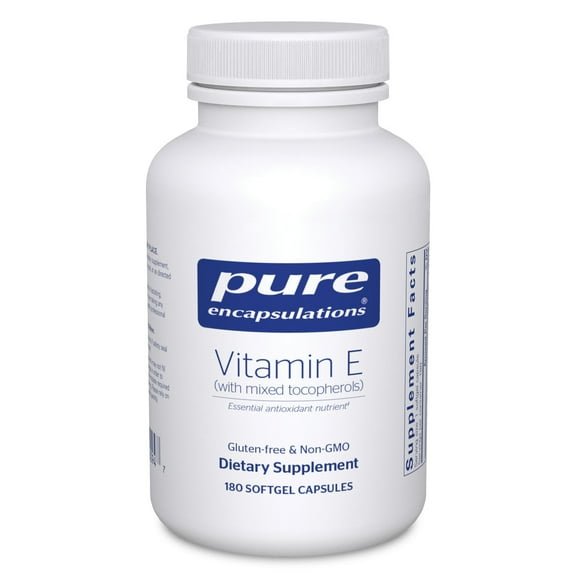
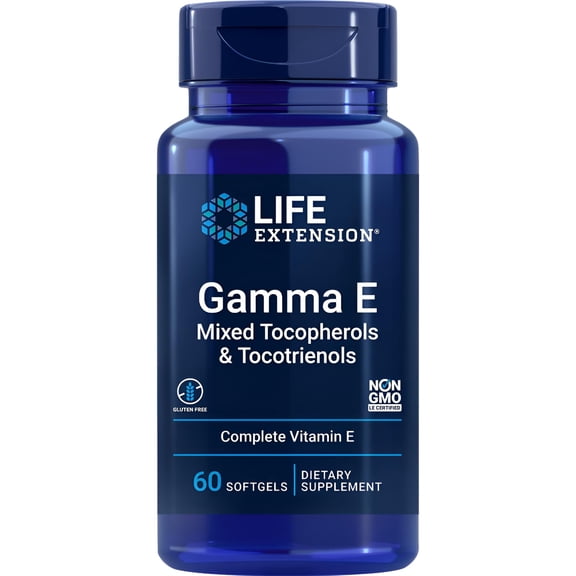


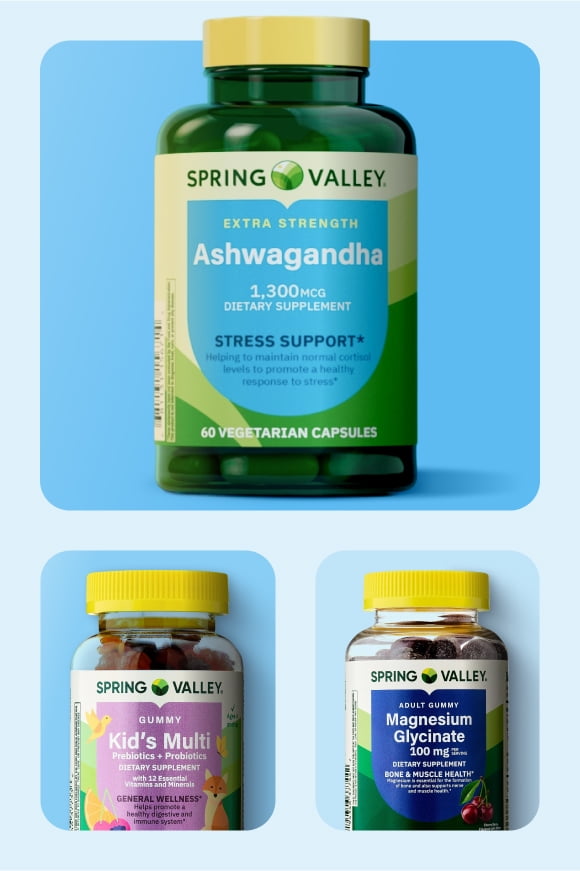

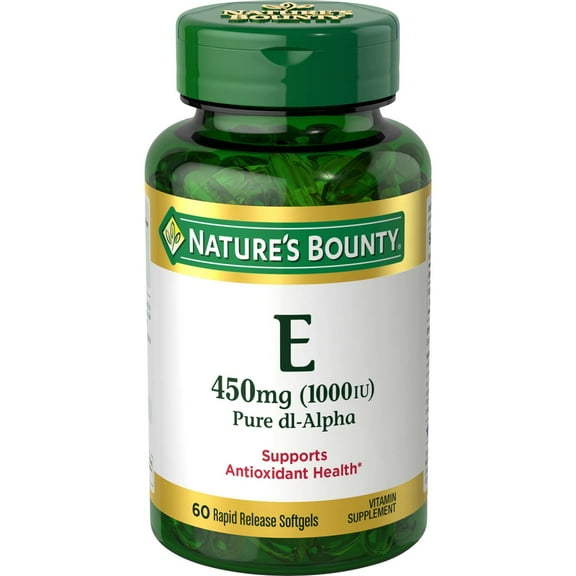

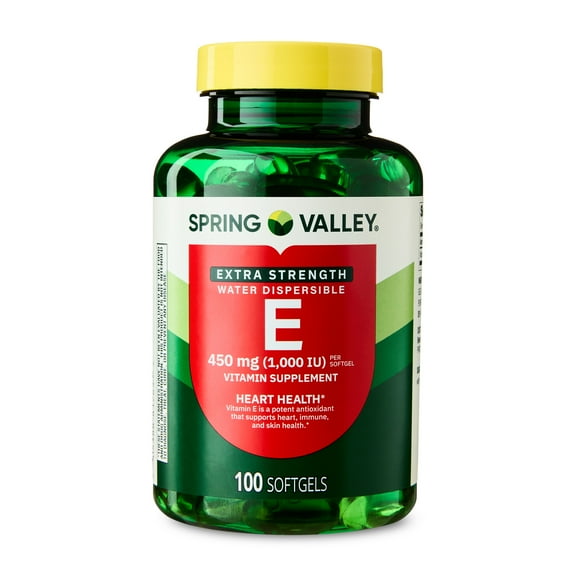
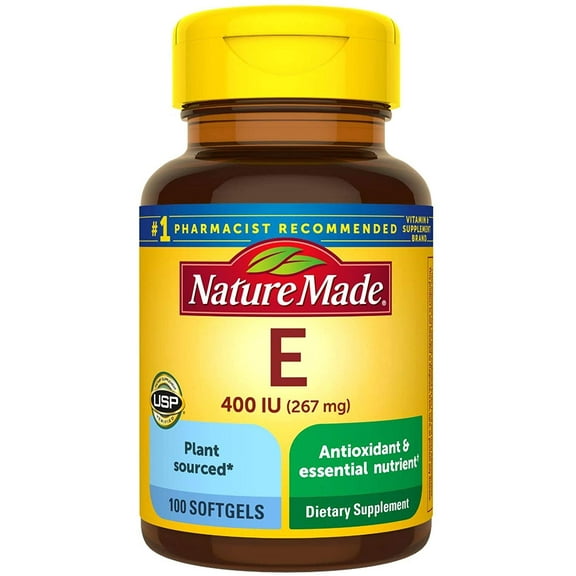









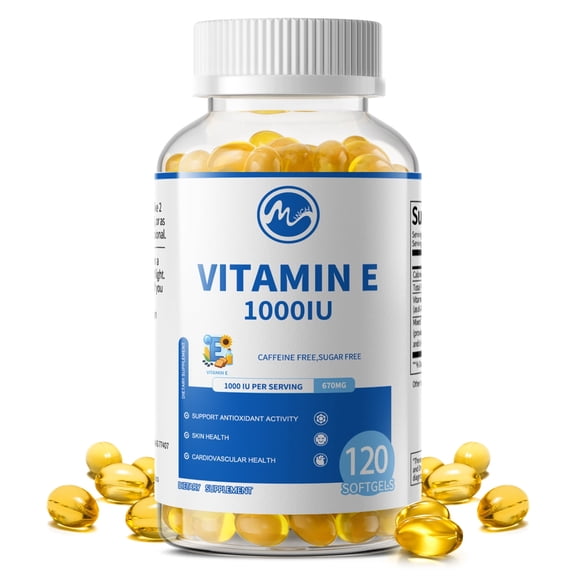


About Vitamin E in Letter Vitamins - Walmart.com
Vitamin e options on this page help you compare dietary supplements and topical picks in one place. You can sort capsules, softgels, liquids, oils, and creams by how you plan to use them.
If you want a daily supplement, you can focus on labeled strengths and source types first. If you want skin or hair care support, you can compare vitamin e oil textures, bottle sizes, and application styles.
How to choose vitamin e by form
You’ll notice that form shapes how vitamin e fits into your routine. You can compare capsules, softgels, liquid, oil, and cream based on how you take or apply them.
With vitamin e capsules, you get a familiar format that’s simple to store and count. With softgels, you may prefer a smooth coating and clearly labeled serving size.
If you want flexible measuring, you can look at liquid formulas with dropper or pour options. If you want direct application, you can choose oils or creams for targeted skin and hair care routines.
- You can pick capsules or softgels when you want a measured dietary supplement format.
- You can choose liquid vitamin e when you want to adjust serving amounts more easily.
- You can select vitamin e oil when you want a topical option for skin or hair care steps.
- You can consider cream formulas when you want vitamin e blended into a richer texture.
Choosing dosage and strength in vitamin e supplements
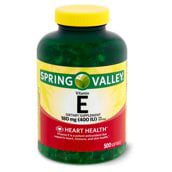
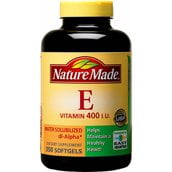
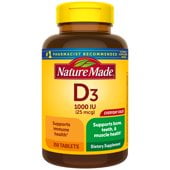
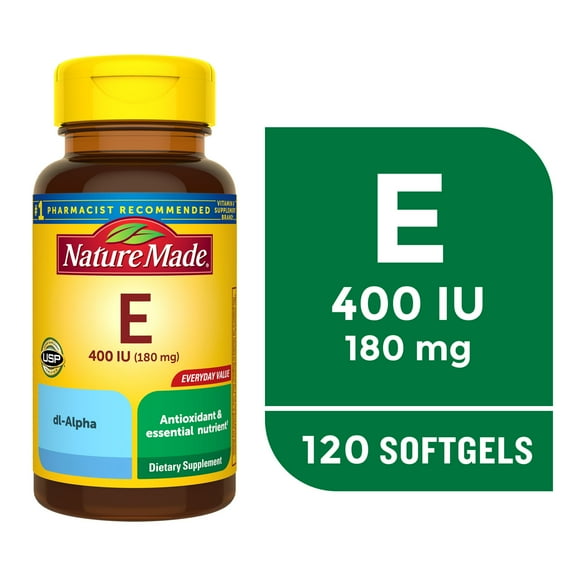
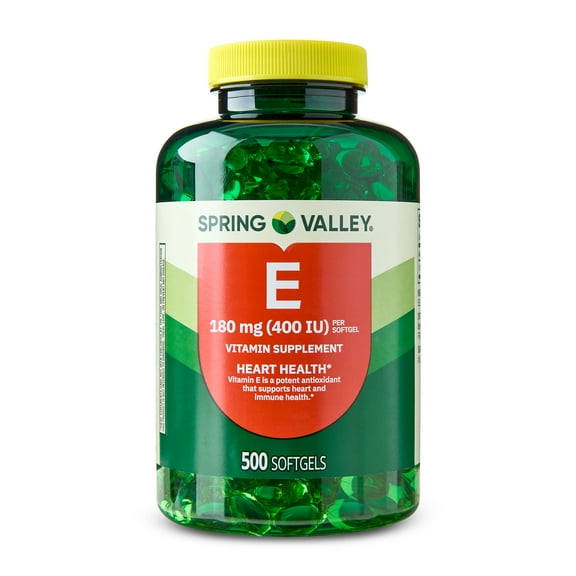
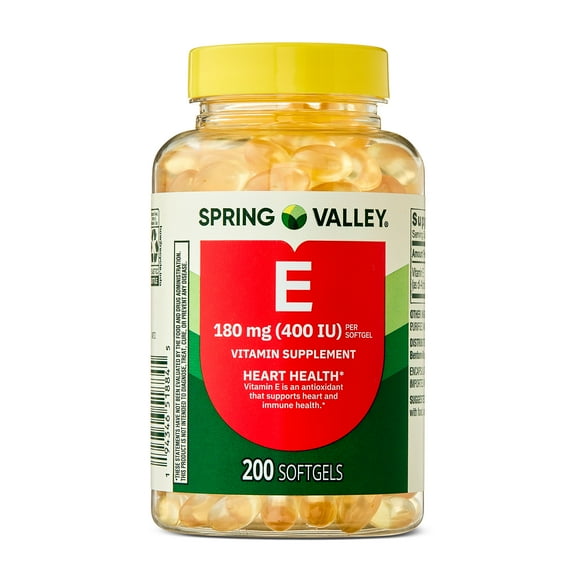
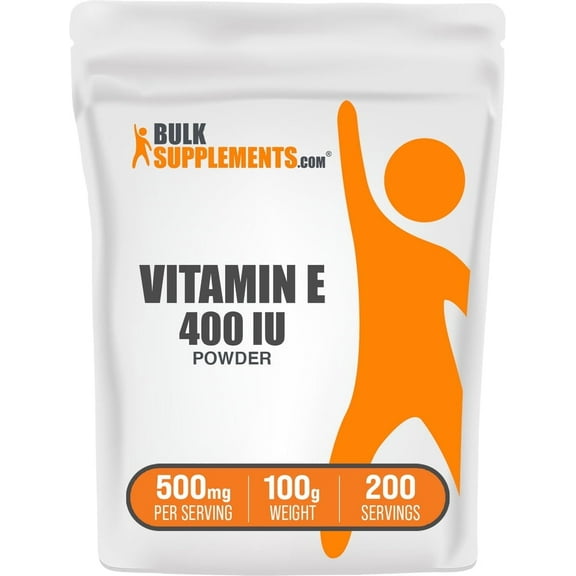
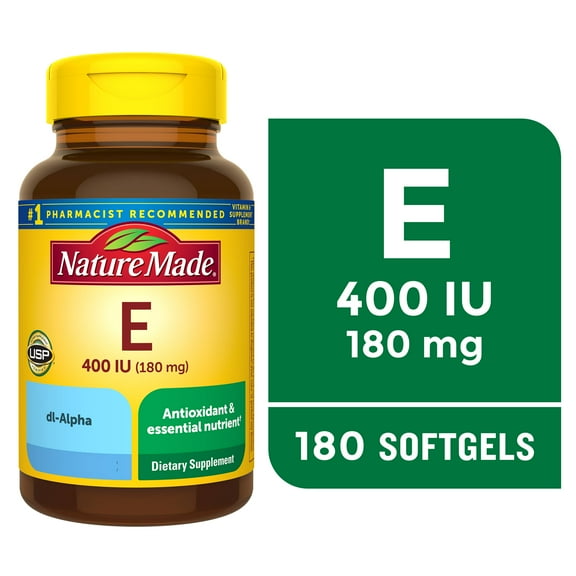
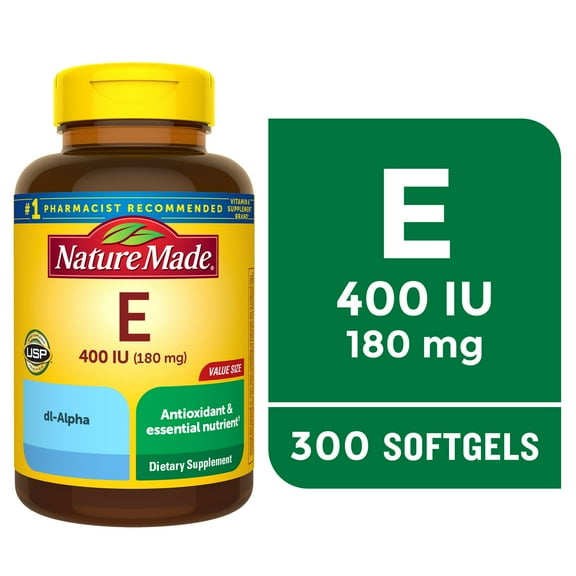
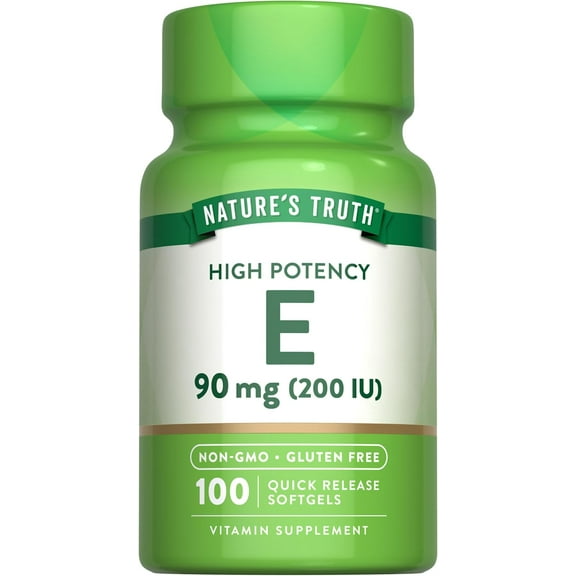
You should compare strength labels carefully because vitamin e supplements come in several common amounts. You may see vitamin e 400 IU, 1000 IU, and higher topical strengths such as 15000 IU.
When you compare IU or mg on the label, you’re checking how much vitamin e each serving contains. You can use that label detail to match serving size, frequency, and your preferred format.
If you want fewer pills, you may compare higher-strength options with smaller serving counts. If you prefer more flexibility, you may choose lower amounts or liquid formats with measured drops.
You should also check the supplement facts panel for serving size and servings per container. You can compare those details across bottles instead of focusing on the front label alone.
Comparing natural vitamin e and synthetic sources
You may see natural vitamin e listed as d-alpha tocopherol on the label. You may also see synthetic forms listed as dl-alpha tocopherol in supplement facts.
That wording matters because you’re comparing source type, not just bottle design. You can use the label language to narrow choices that match your ingredient preferences.
If you want a simpler path, you can start by filtering for natural vitamin e first. If you’re open to broader options, you can compare synthetic forms alongside capsule count, strength, and format.
You should also check whether your vitamin e supplements include soybean oil, gelatin, or mixed tocopherols. You can use those details to compare ingredient lists with your routine and label preferences.
What to look for in vitamin e capsules and softgels
You can use capsules and softgels when you want vitamin e in a straightforward daily format. You’ll often find these options labeled by IU strength, source type, and serving count.
If dietary preferences matter, you should check whether labels note vegan, gluten-free, or non-GMO details. You can also compare gelatin versus plant-based shells before you choose a bottle.
You may want fewer add-ons in your formula, especially if you prefer a simpler ingredient panel. You can compare single-ingredient vitamin e supplements with blends that add other vitamins or oils.
For regular use, you should measure bottle size against serving directions and refill frequency. You can avoid guesswork when the count, serving size, and strength are clearly listed together.
When vitamin e oil or cream fits your routine
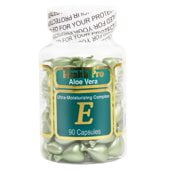
You can choose vitamin e oil when you want a topical format that applies directly where you need it. You may prefer oil for cuticle care, dry-feeling areas, or layering into a skincare routine.
If you want less slip, you can compare cream formulas that pair vitamin e with a thicker texture. You can look for pumps, jars, or tubes based on how you store and dispense products.
For hair care, you may prefer smaller amounts that you can smooth through ends or blend with styling steps. You should check whether the label describes pure oil, blended oil, or cream texture.
You can also compare package size and applicator style when you want easier daily use. You’ll likely notice that dropper bottles, squeeze bottles, and jars suit different routines.
Using vitamin e for dietary and topical routines
You can shop this category more confidently when you separate dietary supplement needs from topical use. You should compare capsules and softgels for ingestion, then compare oils and creams for application.
If you travel often, you may prefer capsules or softgels that pack neatly in a bottle. If you keep products at a vanity, you may prefer vitamin e oil with a dropper.
For gift baskets or self-care sets, you can pair topical formats with other beauty staples. For wellness cabinets, you can group vitamin e supplements with vitamin c, vitamin d, or multivitamins.
You’ll make a clearer choice when you compare form, strength, source, and label details together. You can narrow the category faster and pick the vitamin e format that fits your routine.