

Victorian Wallpaper in Wallpaper by Pattern



















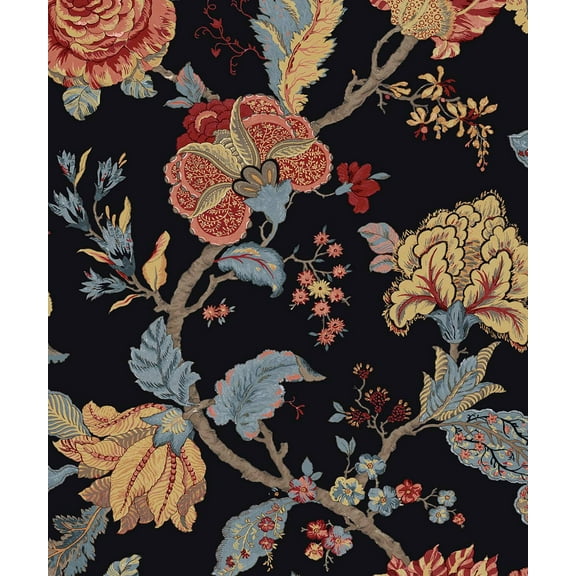

About Victorian Wallpaper in Wallpaper by Pattern - Walmart.com
Victorian wallpaper helps you give your room a classic, detailed look with damask, floral, stripe, and toile patterns. You can compare removable and traditional options while choosing colors and finishes that fit your space.
How to choose victorian wallpaper by pattern style
Pattern style shapes how your room feels, so you should start with the look you want on the wall. You may prefer damask for formal rooms, floral for soft bedrooms, stripe for height, or toile for storybook charm.
Country wallpaper can also fit a Victorian theme when you want a lighter, relaxed take on vintage decor. You can use smaller motifs in compact rooms and larger repeats where you want the wall to stand out.
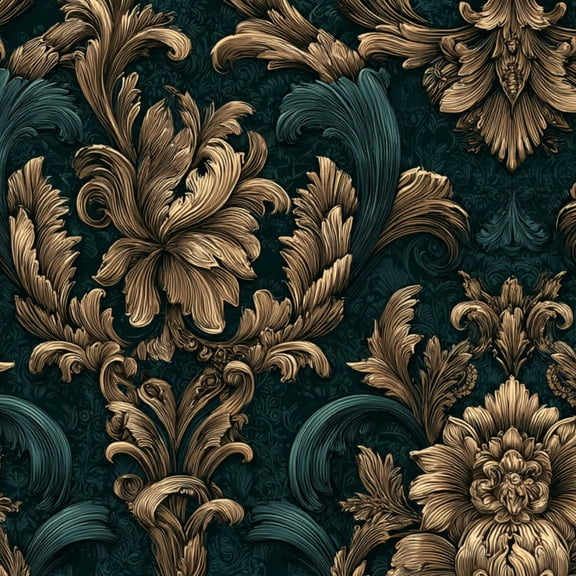
- You can use damask patterns to frame dining rooms, entryways, and formal accent walls.
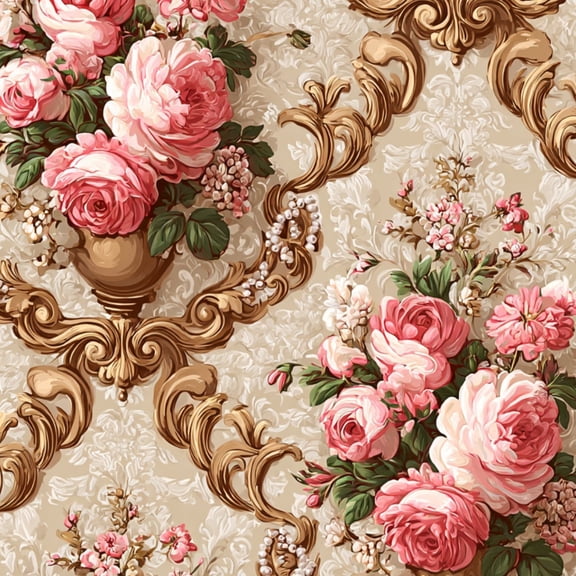
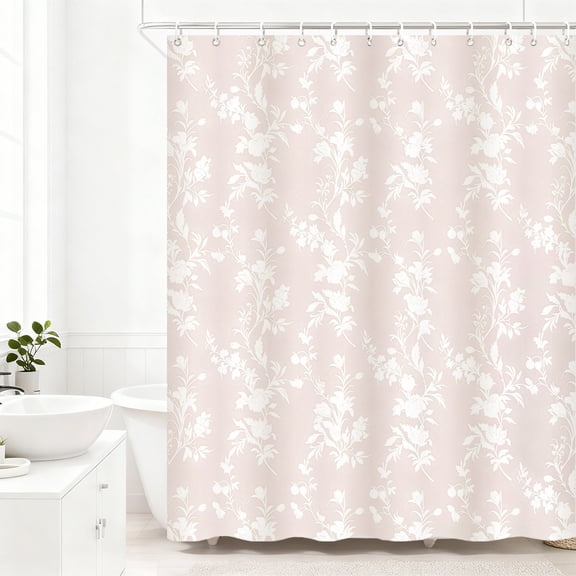
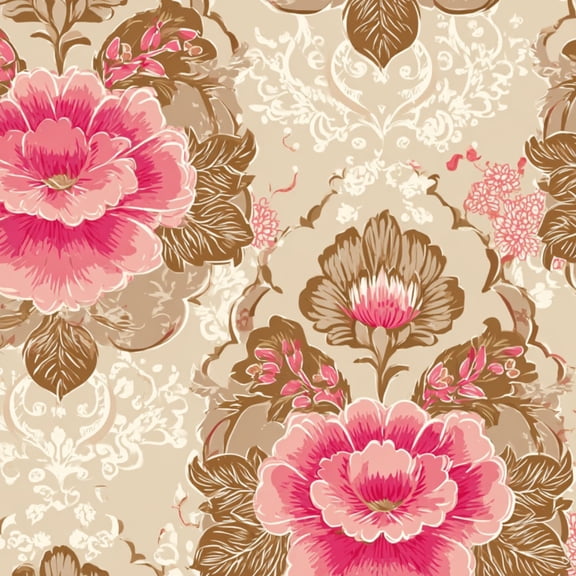
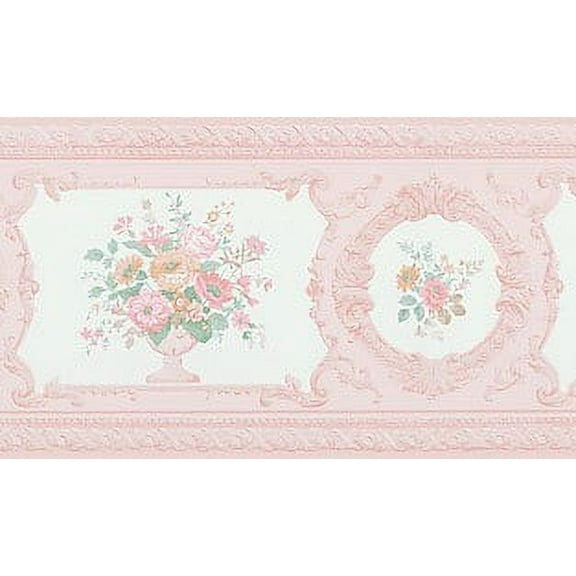
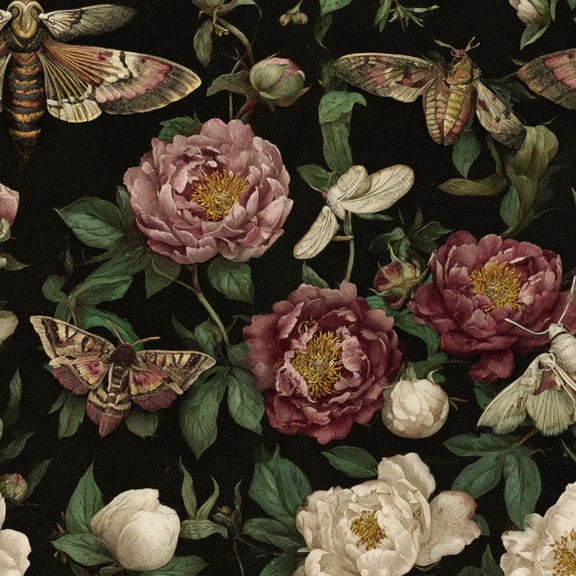
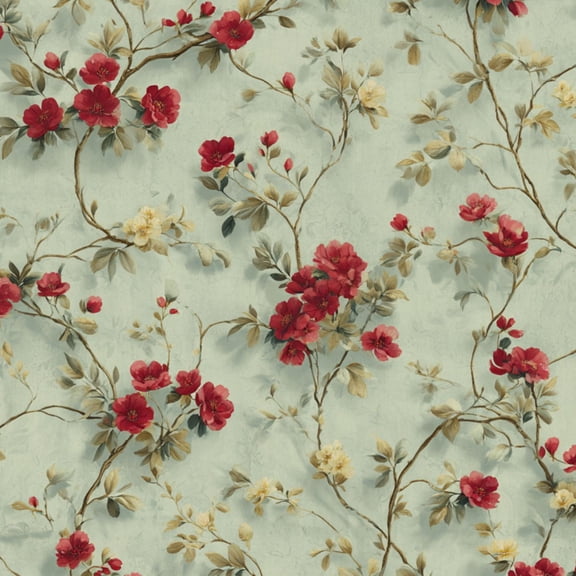
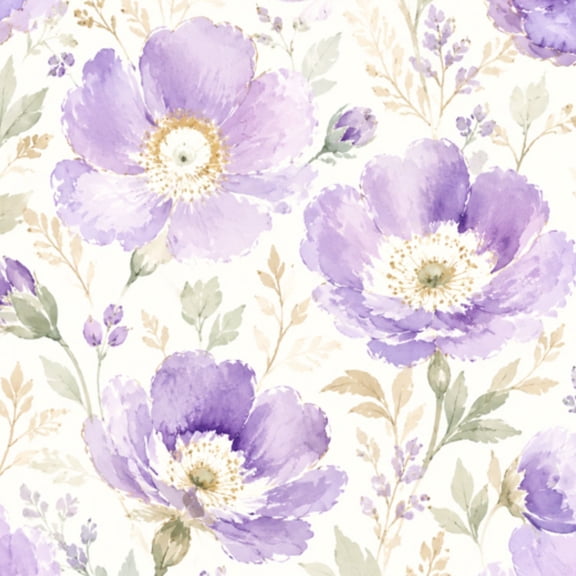
- You can choose floral prints when your bedroom or sitting room needs a softer vintage look.
- You can pick stripe designs if you want your walls to feel taller and more structured.
- You can try toile patterns when you want detailed scenes and an old-world finish.
Pattern repeat matters when you plan your project, because you need extra paper to line up the design. You should measure each wall, then add allowance for matching so your seams look consistent.
Choosing victorian peel and stick wallpaper or traditional application
Application type affects setup time, wall prep, and how long you want the look to stay in place. You can compare victorian peel and stick wallpaper with prepasted and unpasted styles before you commit.
If you rent or refresh rooms often, you may want peel and stick sheets that reposition during installation. If you want a more permanent wall treatment, you may prefer prepasted or unpasted rolls.
Adhesive type changes how you install each option, so you should check your wall surface before ordering. You'll want smooth, clean walls for peel and stick, while traditional rolls usually involve paste and careful booking.
Roll planning gets easier when you think in plain numbers instead of guesswork. You can calculate coverage by measuring wall width and height, then adding extra for trimming and pattern matching.
When you cover a powder room, bedroom, or dining area, your installation method can shape the whole project timeline. You may finish one accent wall quickly with removable panels, while full-room projects may suit traditional rolls.
What to look for in color palette and finish
Color and finish guide how victorian wallpaper works with your furniture, molding, and lighting. You can choose blue, gold, green, or neutral palettes to support either dramatic rooms or softer vintage spaces.
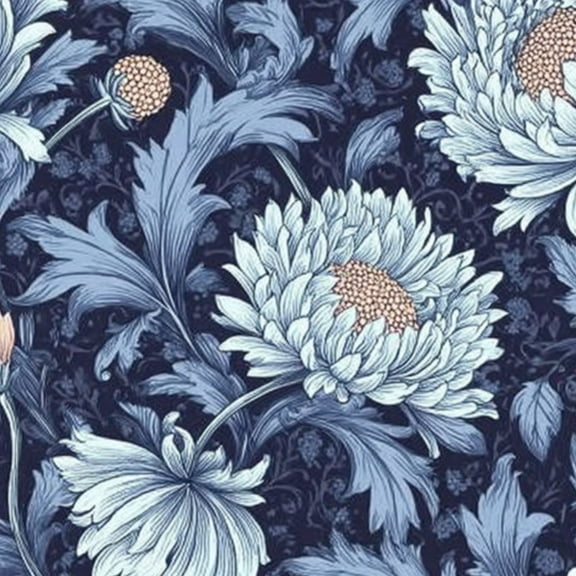
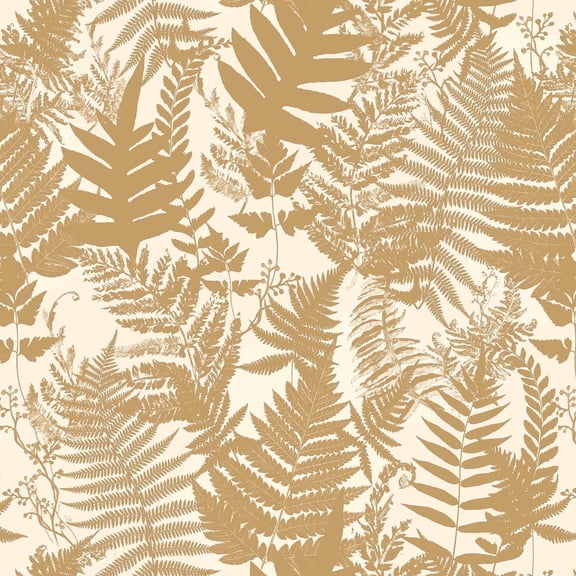
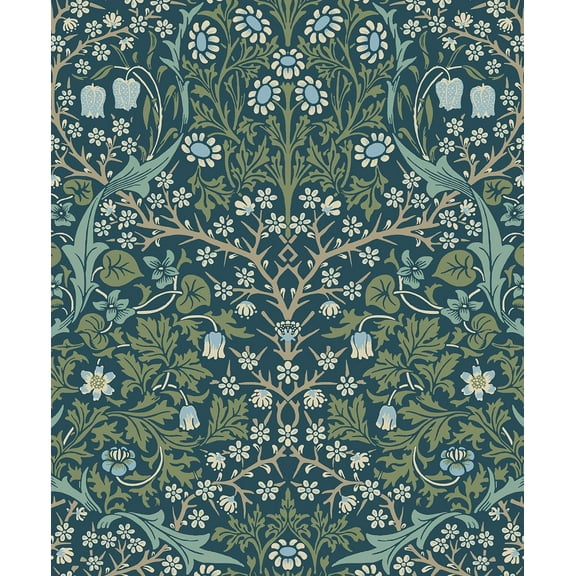
Blue peel and stick wallpaper can give you a cooler Victorian look that pairs well with white trim and brass accents. You may lean toward gold for formal spaces, green for heritage style, or neutrals for layered decorating.
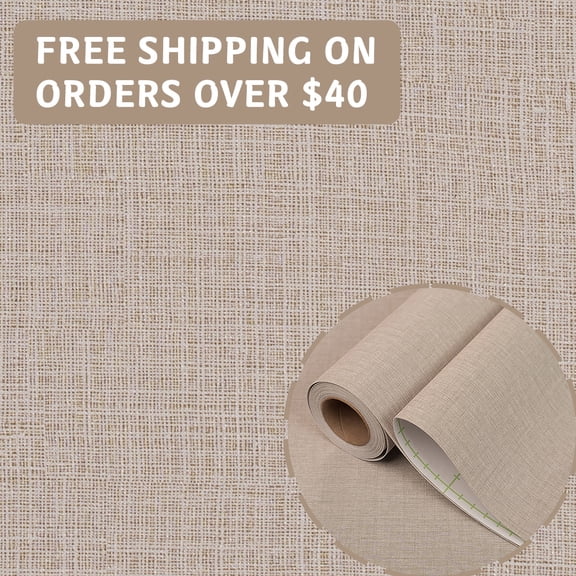
Finish also changes the mood, so you should compare textured, smooth, metallic, and matte surfaces closely. You'll notice textured styles add depth, while smooth finishes can make detailed prints easier to read.
If you want candlelit drama or a parlor-inspired accent wall, you may like a metallic finish. If you want a quieter backdrop for antiques, framed art, or dark wood, you may prefer matte.
Matching features to your room and daily use
Your room type should guide the wallpaper you choose, especially when you decorate busy or moisture-prone spaces. You can look for washable surfaces in kitchens, bathrooms, mudrooms, or homes with active households.
Removability matters when your plans may change, so you should think about how long you want the style to stay. You may choose peel and stick for guest rooms, apartments, or nursery updates that evolve over time.
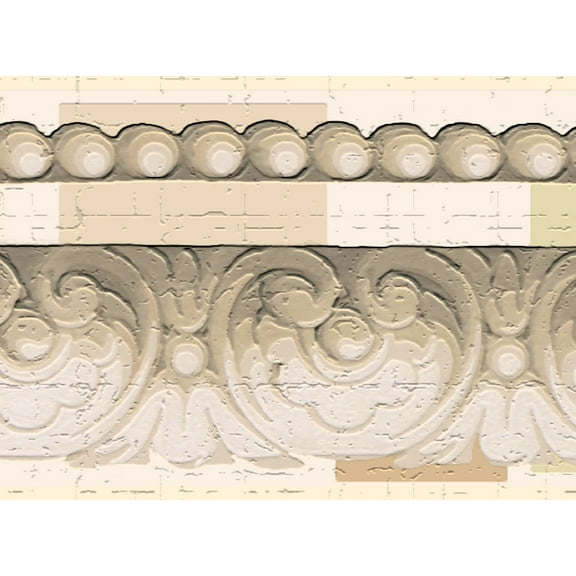
Traditional options can make sense when you want a finished, established look in dining rooms or primary bedrooms. You can pair ornate patterns with wall molding, medallions, or vintage-inspired lighting for a cohesive effect.
Accent walls let you bring in bold florals or dramatic damask without covering every surface. You can also wrap a reading nook, line a hallway, or highlight a fireplace wall with a more focused pattern.
When you compare pattern, application, color, and finish together, your decision becomes much clearer. You can create a tailored Victorian look that fits your room size, wall condition, and decorating style.
How victorian wallpaper fits different decorating goals
If you want a formal room, you can combine damask, gold tones, and textured finishes for a rich period-inspired effect. If you want something lighter, you can pair floral prints with blue or neutral shades.
For renter-friendly updates, you can focus on removable panels in bedrooms, home offices, or accent walls. For longer-term projects, you can consider prepasted or unpasted rolls in dining rooms and entryways.
If your room gets natural light, you can use smooth or metallic finishes to highlight pattern detail throughout the day. If your space feels small, you can try stripes or softer country wallpaper looks to keep it open.
Victorian wallpaper gives you clear design choices instead of one fixed look. You can match pattern repeat, adhesive type, washability, and finish to create a polished room with lasting character.