


Find auto parts that fit
Let’s search for parts that fit your vehicle.UTV Jack & Hydraulic Lifts for Side-by-Sides | Walmart




















About UTV Jack & Hydraulic Lifts for Side-by-Sides | Walmart - Walmart.com
You need a utv jack that fits your machine, lifts with control, and travels easily on rough trails. You can compare jack types, lift mechanisms, and fit details here, so your recovery kit matches your side-by-side setup.
When you ride far from pavement, you need gear that works with ground clearance, frame access, and trail storage. You can use this guide to compare scissor, hydraulic, high-lift, and bottle styles before you choose.
How to choose the right utv jack
Start with vehicle compatibility, because your jack needs to match your UTV or SXS frame shape. You should check frame contact points, underbody access, and whether your jack fits your machine's clearance.
Next, compare stroke length, because you need enough lifting range to raise a wheel off uneven ground. You can think of stroke length as the travel from the lowest pickup point to the highest lift point.
You'll also want a design that packs securely on the trail without wasting cargo room. You can compare compact folded sizes and mounting options when you carry recovery gear often.
What to look for in jack type and lift mechanism
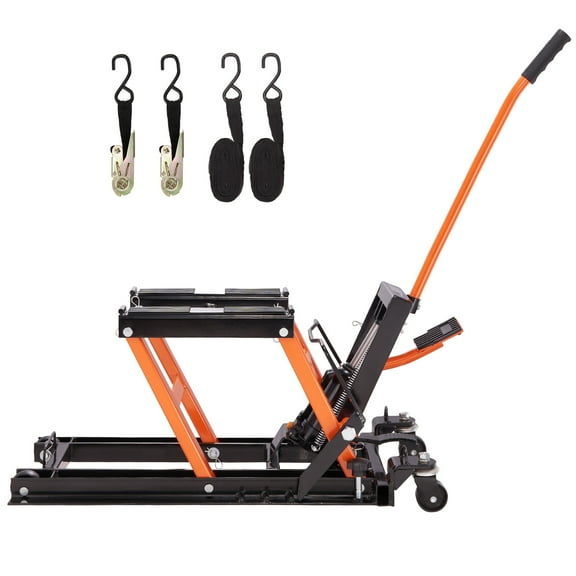
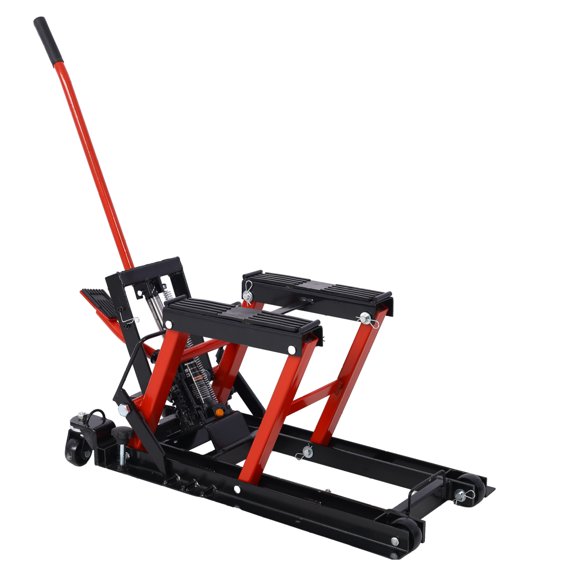
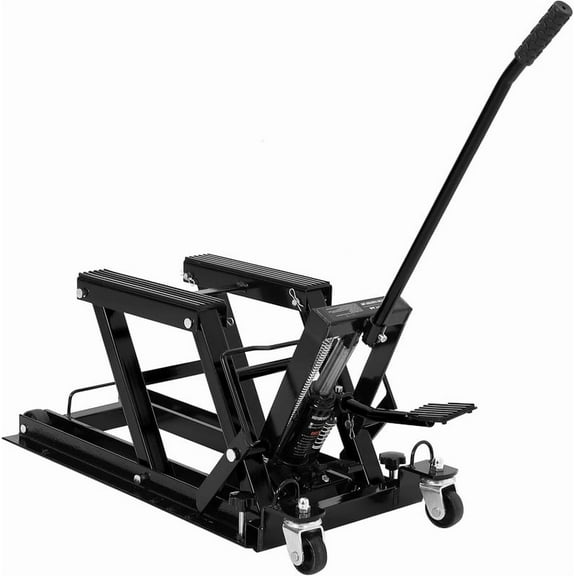
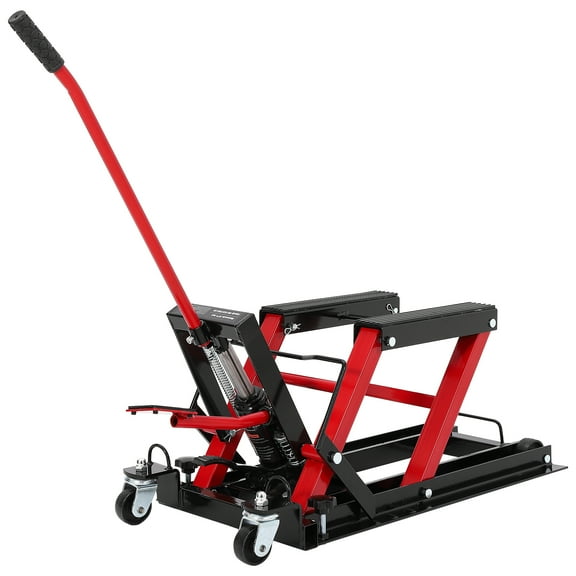
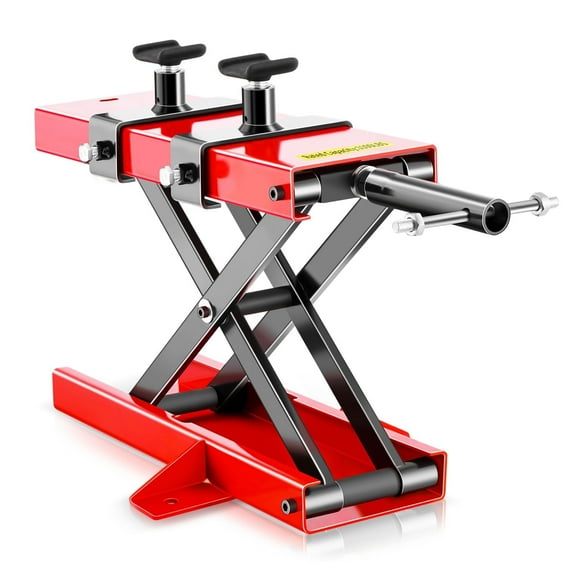
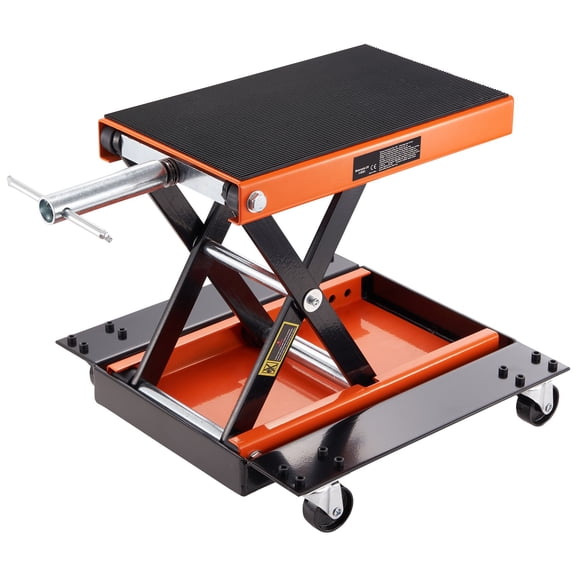
A utv scissor jack usually suits compact storage and controlled manual lifting. You can tuck one into tighter cargo spaces, and you can use it when you want a simple mechanical setup.
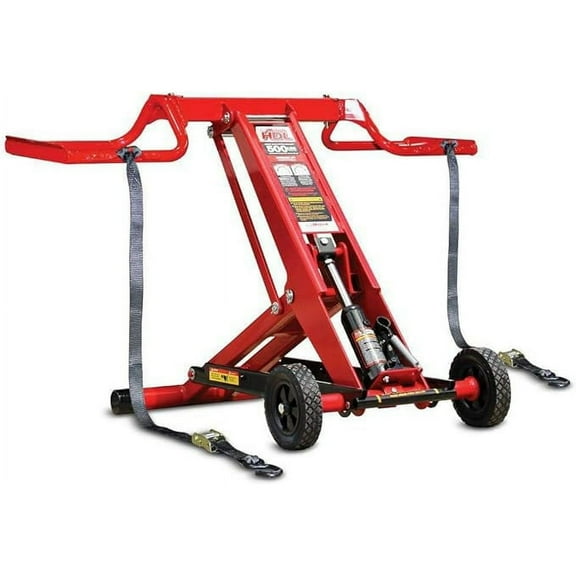
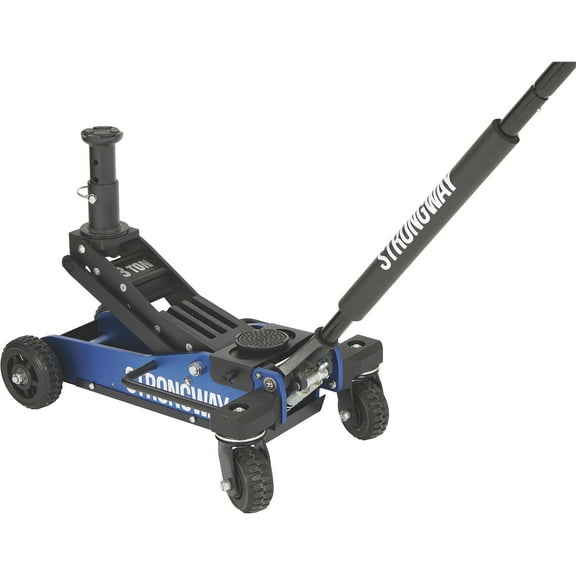
A utv hydraulic lift can reduce pumping effort when your machine carries accessories or larger tires. You may prefer a hydraulic utv lift when you want quicker raising and lowering during tire changes.
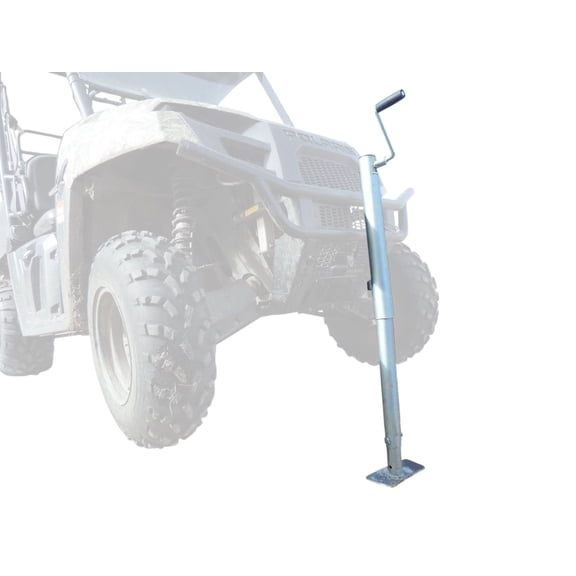
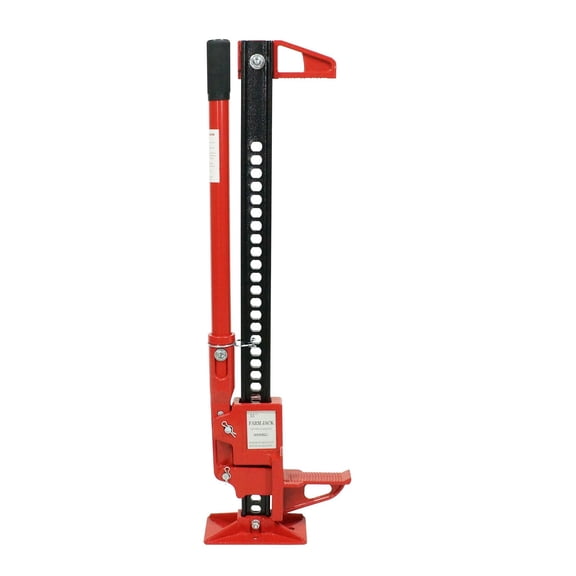
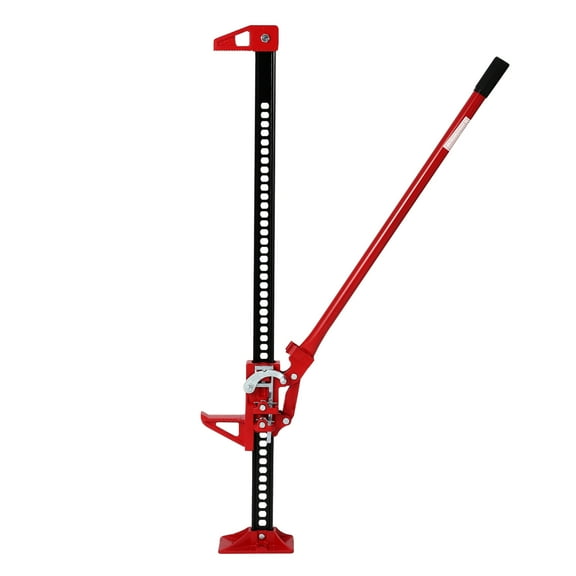
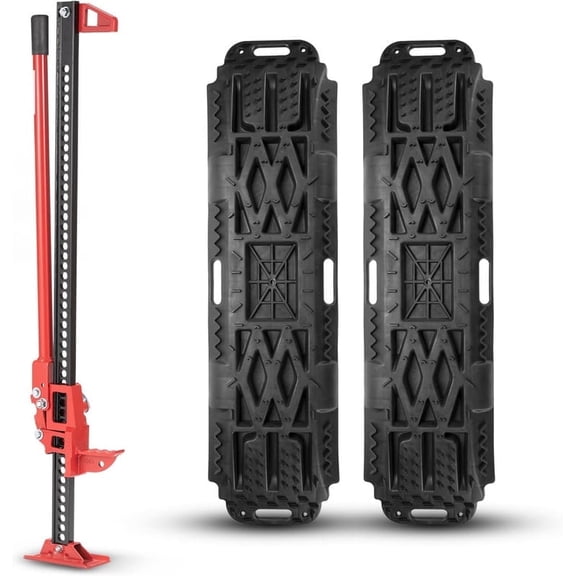
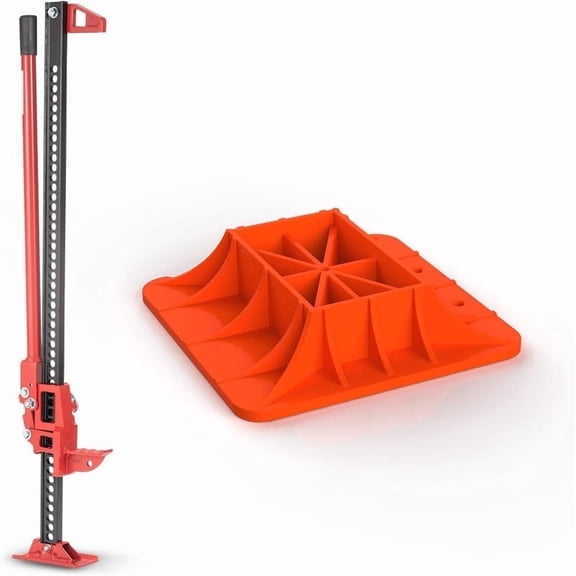
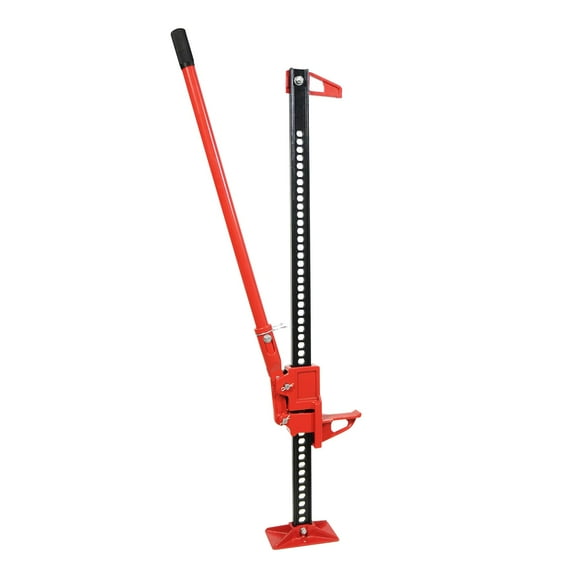
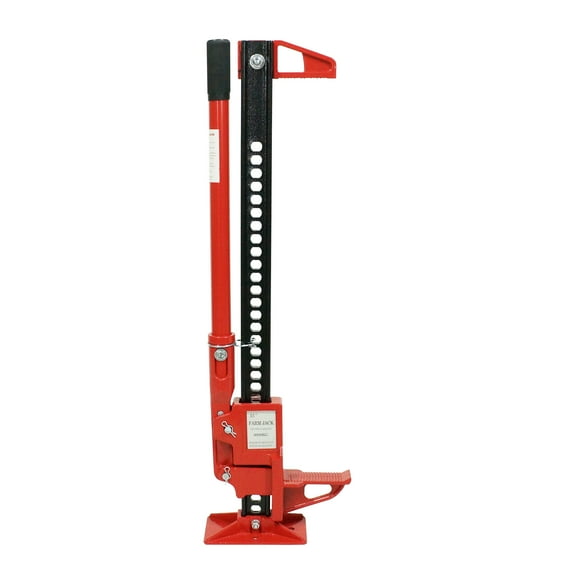
High-lift styles can help when you need more reach around lifted machines or deeper ruts. You should compare base size and handle travel, because trail surfaces often feel loose and uneven.
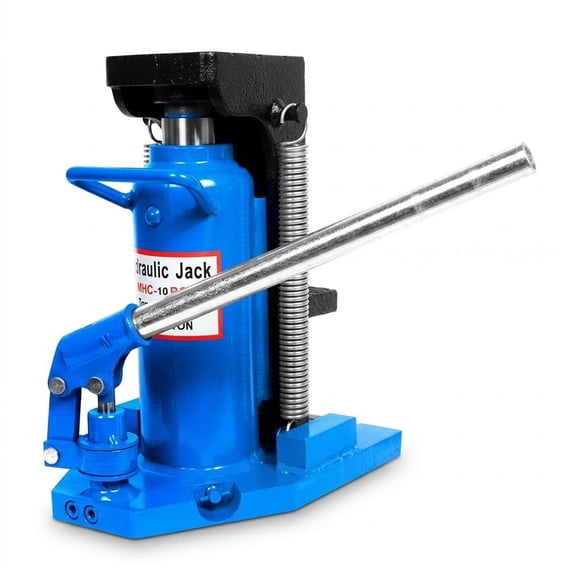
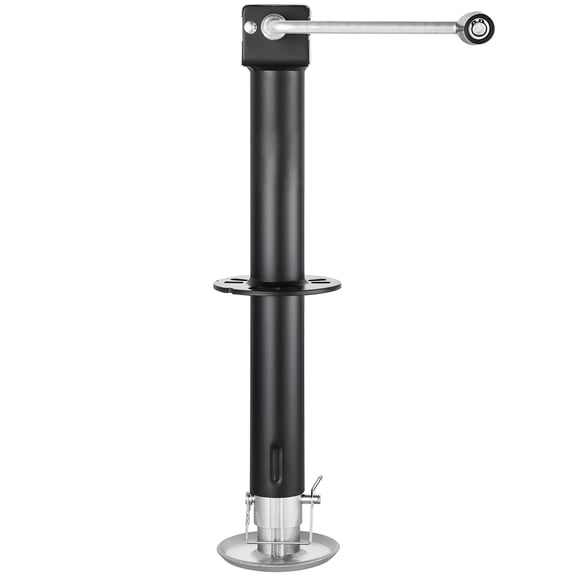
Bottle styles can offer a smaller footprint under certain frame points, especially when storage space matters. You need to confirm minimum height and maximum lift, so the jack fits below your machine first.
- You can choose scissor styles for compact storage and straightforward manual operation.
- You can choose hydraulic options for smoother lifting effort and faster setup.
- You can choose high-lift designs when you need extra reach on uneven terrain.
- You can choose bottle styles when you need a small body and vertical lifting power.
Choosing weight capacity and stable lifting support
You should match capacity to your fully loaded vehicle, not just the dry weight on a spec sheet. Your accessories, spare tire, tools, and cargo can change how much support you need.
Many shoppers compare one-ton, two-ton, and three-ton ratings as a quick starting point. You should choose enough headroom for your setup, especially if your machine carries bumpers, racks, or larger wheels.
You may also compare utv jack stands when you want added support during maintenance at home. You can use stands as a separate support option after lifting, especially for wheel or brake work.
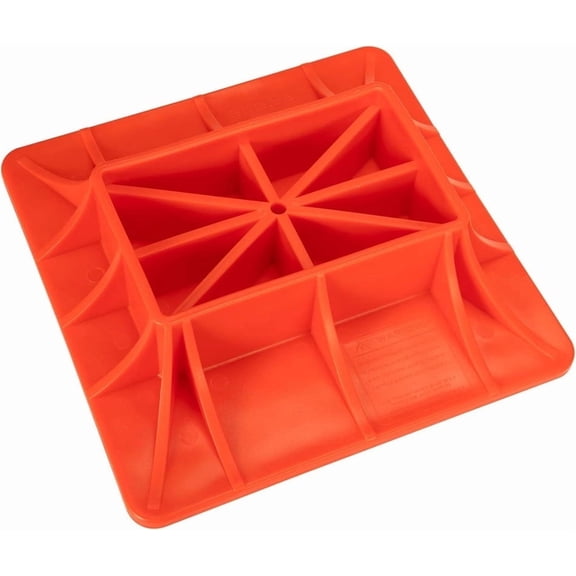
Stable lifting matters as much as capacity when you park on dirt, gravel, or grass. You should look for a broad base or supportive contact area, because soft ground can shift under load.
Checking fit, clearance, and transport details
You should measure ground clearance before you choose any jack for UTV use. Your jack needs a low enough starting height to slide under the frame without forcing the machine upward first.
You also need enough lift range to raise the tire clear of the surface. You can compare closed height and extended height together, because one number alone won't tell the full story.
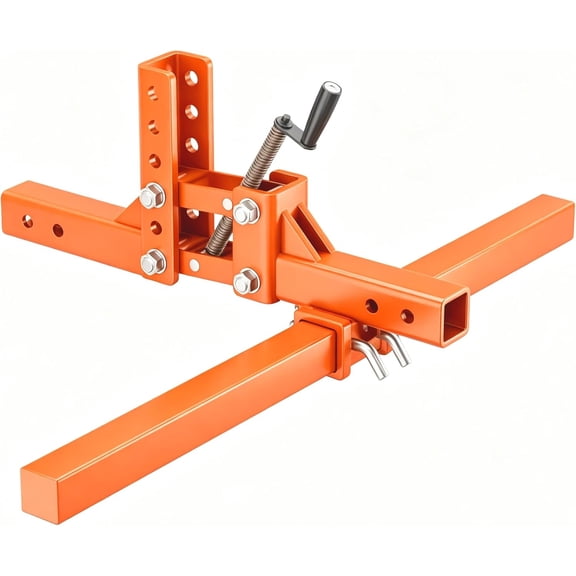
If you carry a trail jack often, you should check mounting and transport details carefully. Your roll bar diameter, rack space, or bed layout can affect how securely your gear rides.
Some side by side jacks work well for compact cargo boxes, while others suit external mounting setups. You can compare handle length, body shape, and tie-down points for cleaner storage.
You should also think about handle effort and access around skid plates or suspension parts. Your jack works more smoothly when the lifting point aligns cleanly with the frame area you can reach.
Using a utv jack on the trail and at home
A utv recovery jack helps you manage flat tires, wheel swaps, and trail repairs with less guesswork. You can keep your machine moving when you bring the right size, reach, and support style.
On rocky trails, you may want a compact jack that stores neatly and sets up fast. You can pair your choice with recovery straps, a tire repair kit, and a portable compressor.
In muddy campsites or sandy staging areas, you should pay close attention to base contact and balance. Your jack needs steady footing when the surface feels soft or uneven.
At home, you may want a jack for tire rotation, brake access, or seasonal wheel changes. You can compare manual and hydraulic designs based on how often you lift and how much effort you want.
If your machine has a lift kit or larger tires, you should revisit clearance and stroke length again. Your modified setup can change which side by side jack feels practical for routine use.
When you compare these details carefully, your utv jack choice becomes easier and more precise. You can end up with lifting gear that fits your frame, travels securely, and works confidently on rough ground.