

Turkey Calls in Game Calls















About Turkey Calls in Game Calls - Walmart.com
Turkey calls help you create yelps, clucks, purrs, and cuts that match real bird talk in the field. You can compare mouth turkey calls, box turkey calls, slate turkey calls, and push-button styles by sound, skill level, and hunting conditions.
If you're building your setup, you'll want clear guidance that matches how you hunt. You can use this guide to compare diaphragm calls, friction calls, materials, and weather performance before opening day.
How to choose turkey calls by call type
When you compare call types, you'll notice each one changes how you control tone, volume, and rhythm. You should start with the style that fits your experience and how much hand movement you can manage.
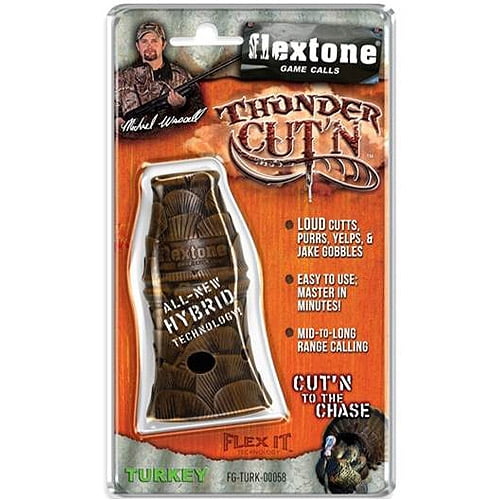
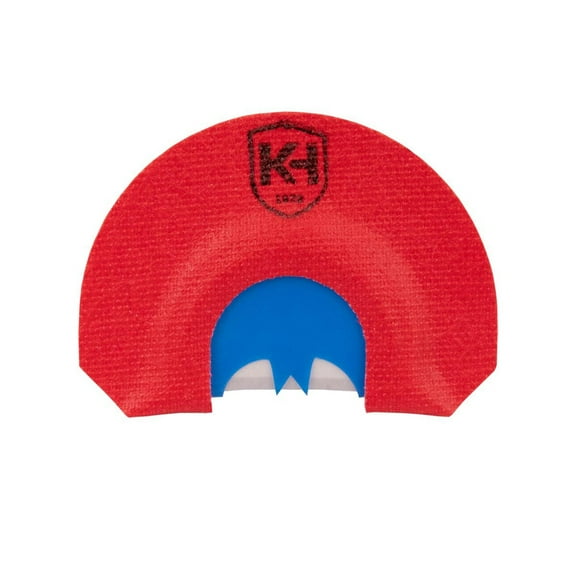
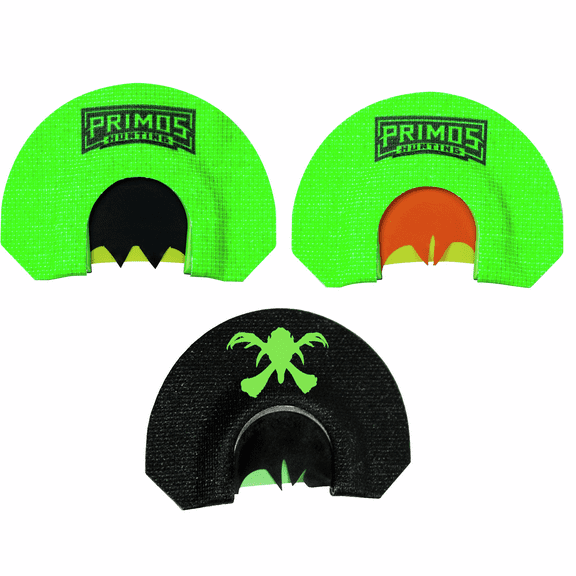
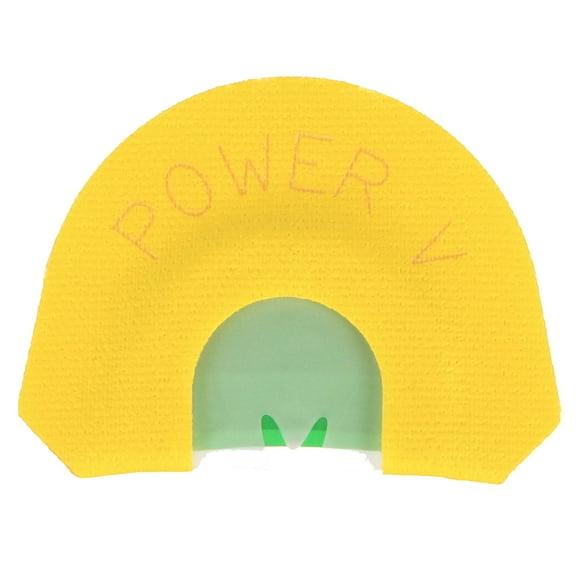
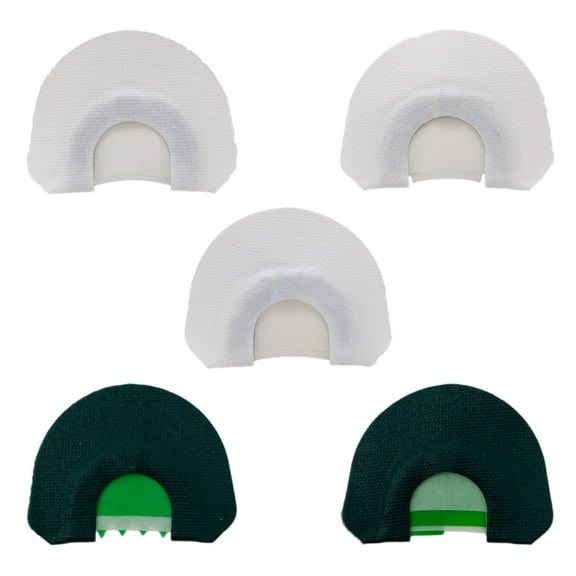
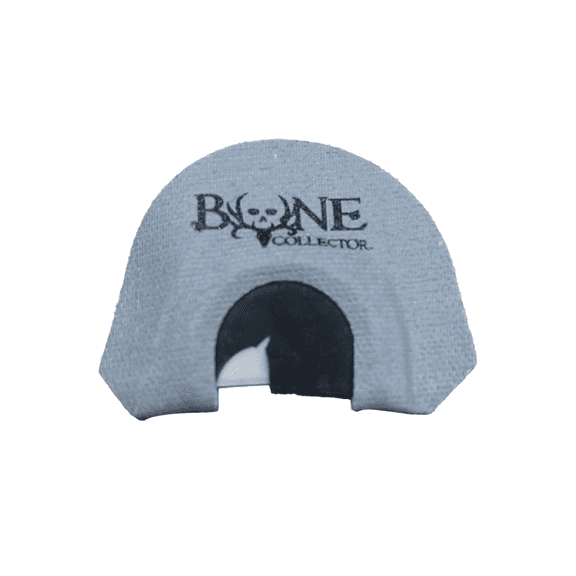
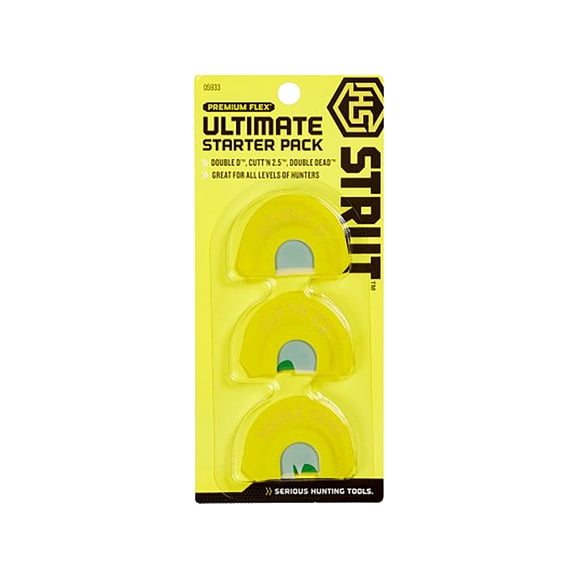
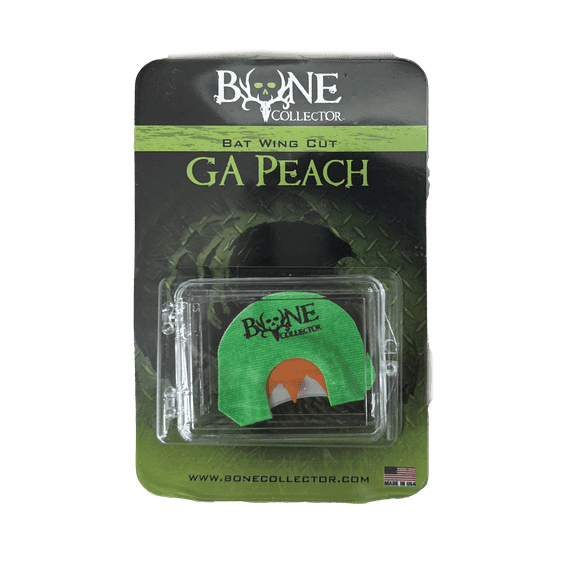
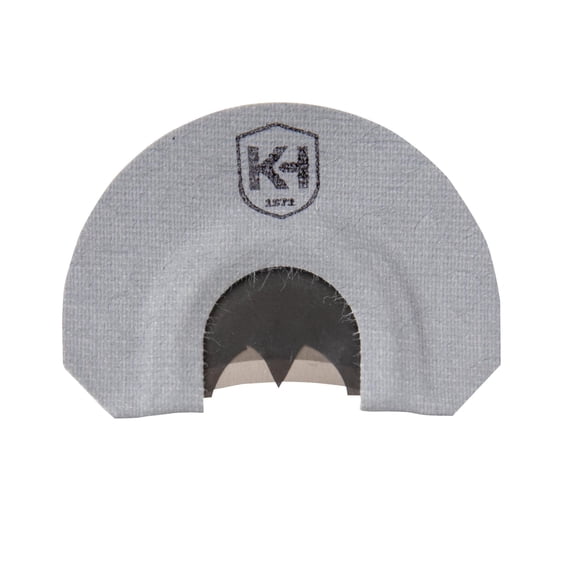
With mouth turkey calls, you place a diaphragm call inside your mouth and shape air with your tongue. You'll get hands-free calling, which helps when your shotgun or bow needs to stay ready.
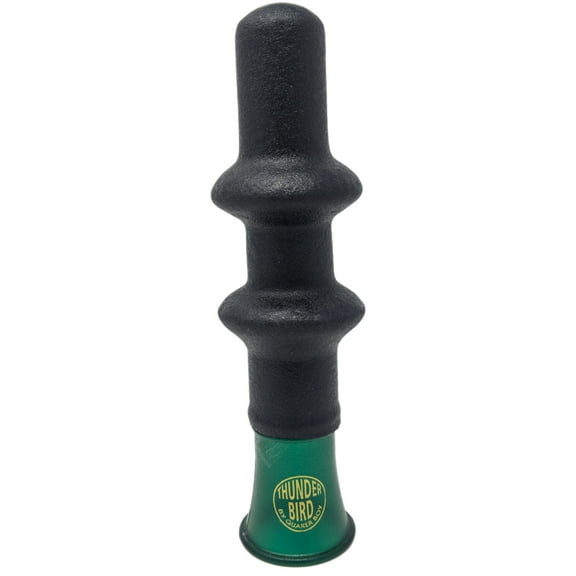
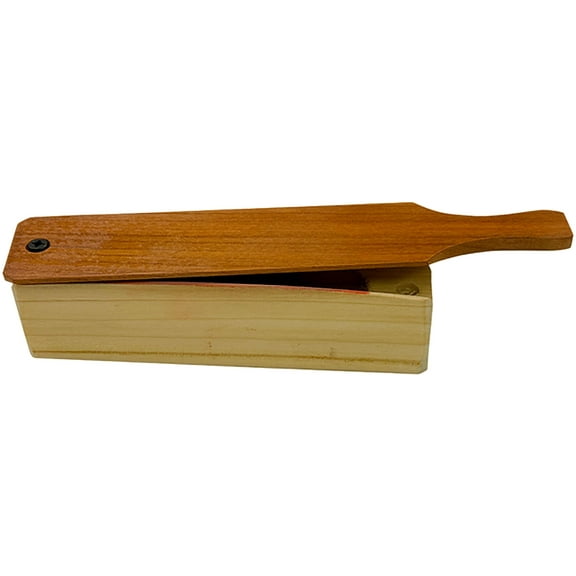
If you choose box turkey calls, you'll move a lid across the call body to create sharp yelps and cuts. You may like this style because you can make loud, clear sounds with less practice.
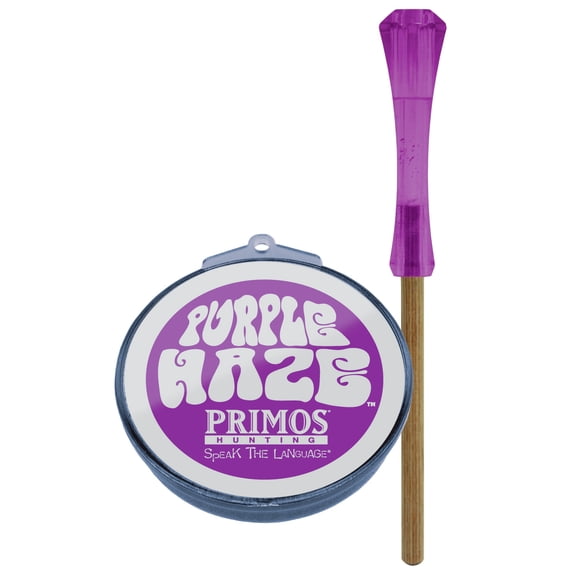
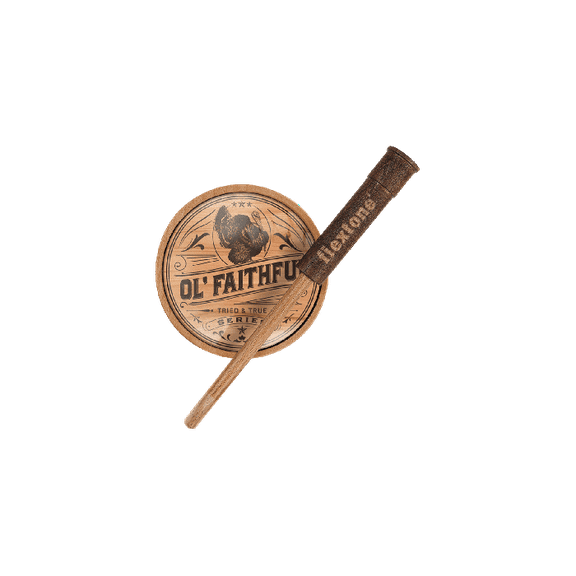
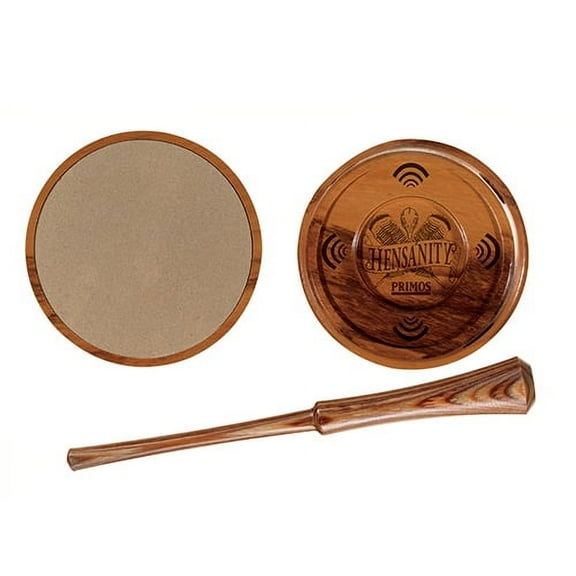
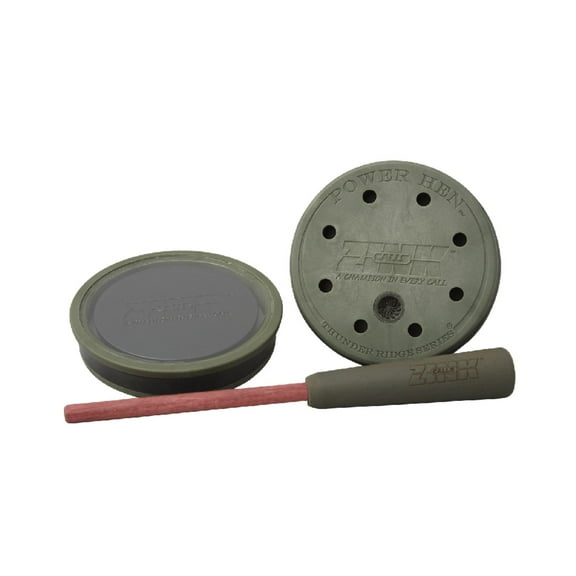
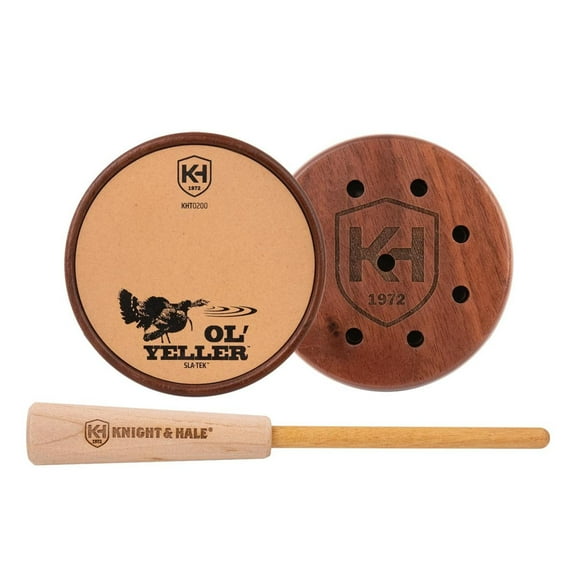
When you use slate turkey calls, you run a striker across a pot surface for soft, realistic notes. You'll often prefer this friction call style when you want fine control for close birds.
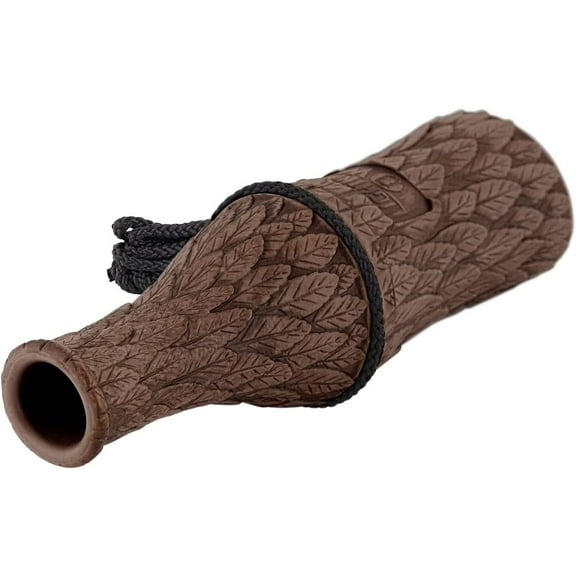
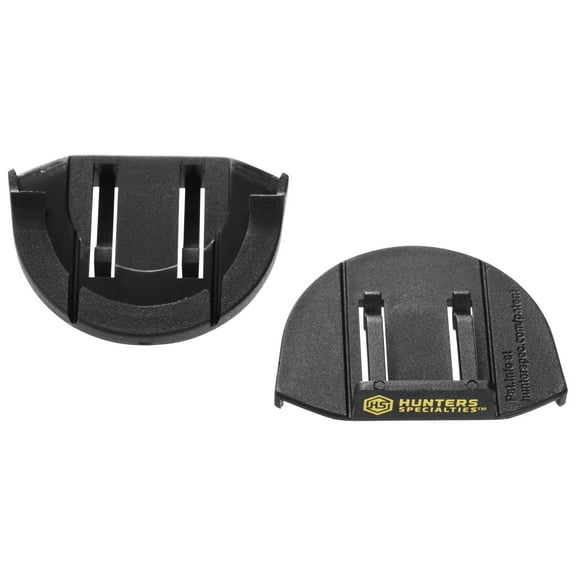
If you want an easy learning curve, you can start with push-button calls for simple clucks and yelps. You'll appreciate this option when you want straightforward operation with minimal motion.
- You can keep your hands freer with diaphragm calls during setup.
- You can reach louder volume quickly with box calls in open woods.
- You can create soft finishing sounds with pot and slate styles.
- You can begin faster with push-button models when you're new to calling.
Comparing mouth turkey calls and diaphragm details
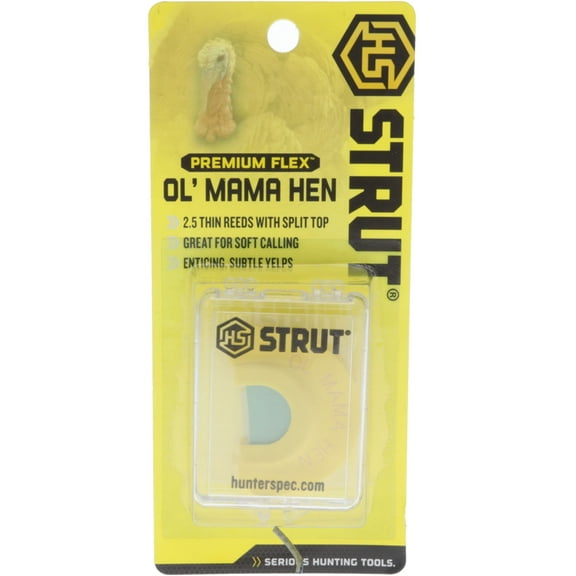
As you compare mouth turkey calls, you should look at reed count, reed thickness, and cut style. You'll notice these details affect airflow, rasp, and how easily you can break into clear notes.
With thinner reeds, you can often start notes with less air pressure and smoother control. With thicker reeds, you may get a stronger rasp, but you'll usually need more practice.
If you see cuts like batwing or split-V, you should read them as sound-shaping details. You'll often get different rasp levels and note breaks that help you vary yelps, cuts, and purrs.
Because diaphragm calls sit in your mouth, you can call without lifting your hands. You'll need some repetition to build comfort, but you'll gain versatile sound control once your technique improves.
Choosing box turkey calls by material and skill level
When you review box turkey calls, you should compare body material, paddle feel, and sound character. You'll hear that wood often gives you a warmer tone, while plastic can feel more consistent in changing weather.
If you're a beginner, you may prefer box calls because the motion feels easy to learn. You'll usually produce recognizable yelps and cuts faster than you would with a diaphragm style.
For intermediate hunters, you can use pressure and stroke length to change cadence and emotion. You'll get more range from your sounds when you practice slowing down and tightening your sequences.
If you're calling across distance, you may lean toward a box design for louder reach. You'll find that sharper volume helps your sounds carry through wind and larger timber.
Understanding slate turkey calls and friction call materials
As you compare slate turkey calls, you should focus on pot material, surface feel, and striker pairing. You'll notice that slate, glass, and aluminum each shape tone, pitch, and texture differently.
With a slate surface, you can produce soft, mellow notes that work well at close range. You'll often like this material when you want subtle purrs and relaxed clucks.
If you choose glass, you can get brighter pitch and crisp front-end sound on yelps. You'll often use glass when you want extra volume without moving to a box call.
With aluminum surfaces, you can create sharper, higher sounds that cut through damp mornings. You'll appreciate this option when you want a friction call that stays lively in tougher conditions.
Because pot calls use a striker, you should also compare wood pairings and grip comfort. You'll notice that a comfortable striker helps you keep smoother circles and steadier pressure.
Matching turkey calls to weather, terrain, and sound profile
When weather changes, you should match your call to moisture and the distance you need. You'll usually want to know that slate can lose traction in rain, while glass and aluminum often perform better when wet.
In calm woods, you can lean on soft purrs and clucks to finish a cautious bird. You'll often prefer a pot call here because you can stay delicate and controlled.
Across ridges or windy openings, you may need louder yelps and cuts that carry farther. You'll often choose box turkey calls when you want stronger projection with clear note separation.
If your setup demands low movement, you can keep mouth turkey calls ready while staying in position. You'll benefit from hands-free calling when a gobbler appears without much warning.
For beginners, you should consider push-button or box styles for faster confidence. For advanced calling, you may prefer diaphragm calls that let you shape volume, cadence, and emotion more precisely.
What to look for before you pick your turkey calls
Before you choose, you should compare your skill level, your hunting weather, and the sounds you want to make. You'll also want to check whether your call type matches your need for volume, realism, or hands-free use.
If you build your setup around these decisions, you'll narrow the field faster and hunt with more confidence. You can choose turkey calls that fit your terrain, your calling style, and your season plan.