


Find auto parts that fit
Let’s search for parts that fit your vehicle.Trailer Wheels and Rims in Wheels and Rims


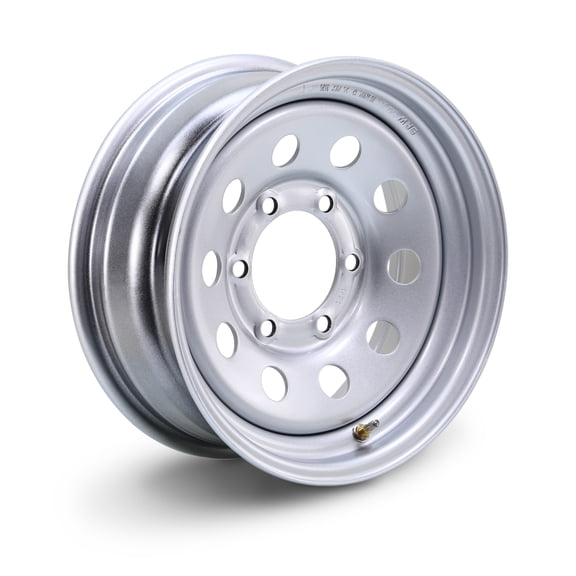
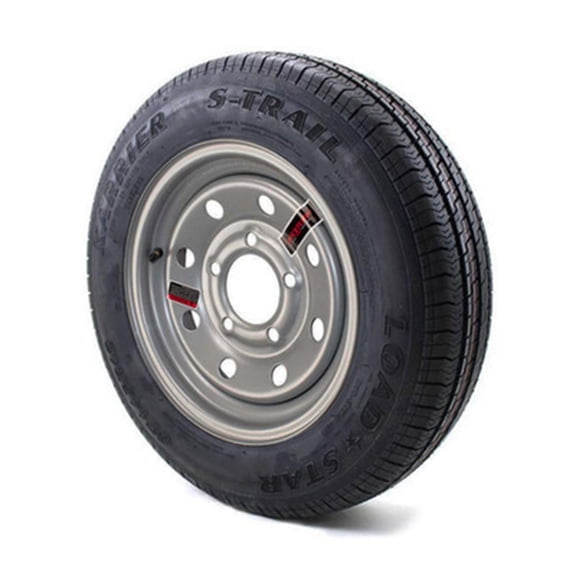


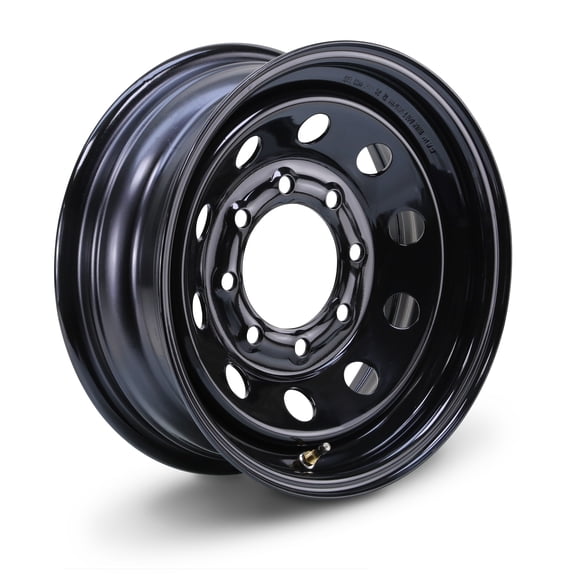
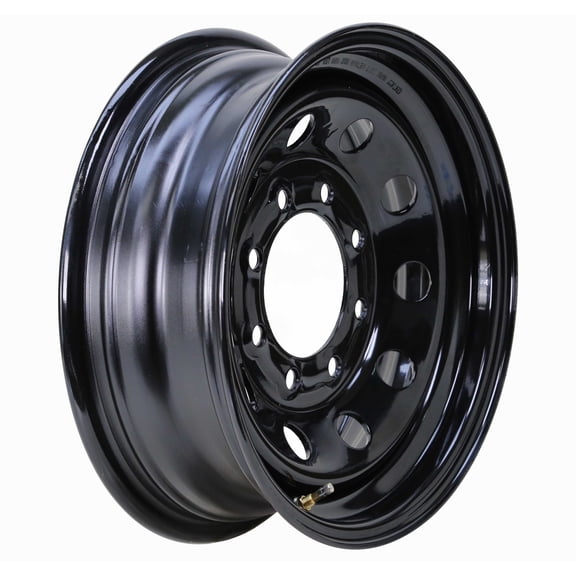









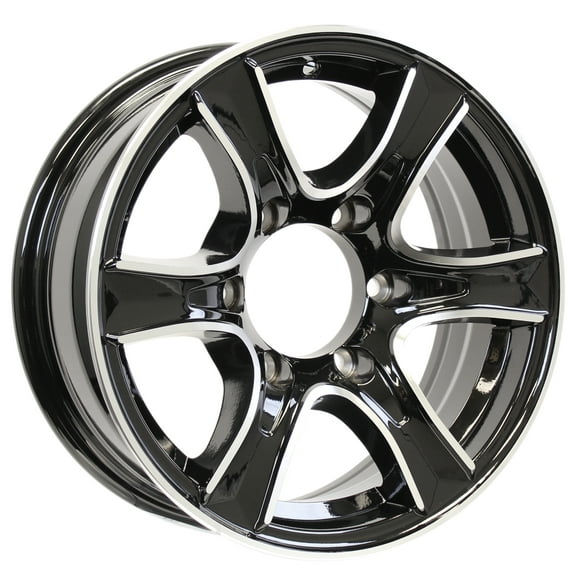


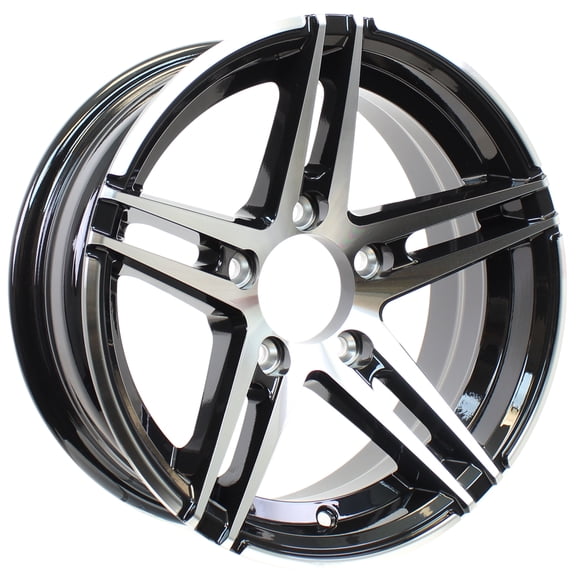
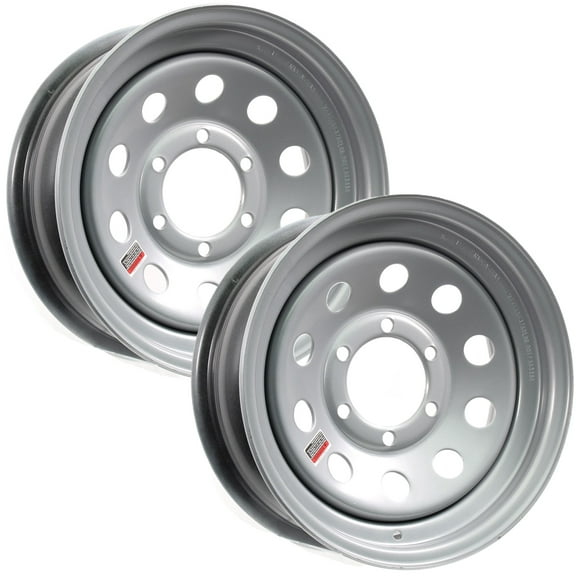
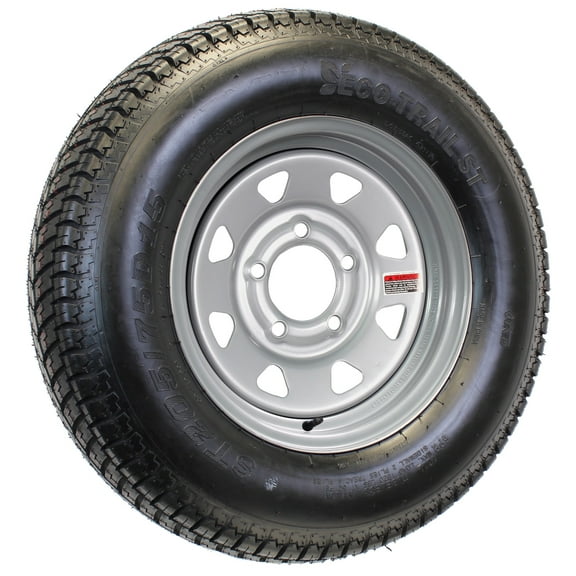
About Trailer Wheels and Rims in Wheels and Rims - Walmart.com
Trailer rims help you match your trailer to the right bolt pattern, load range, and wheel diameter. You can compare fit details here faster because this category centers on trailer-specific sizes and lug setups.
When you replace worn wheels, you need fit information that matches your hub and tire setup. You’ll also want material choices that suit boat trailers, utility trailers, campers, and equipment haulers.
Choosing trailer rims by bolt pattern
You should start with bolt pattern compatibility because your wheel must match your hub exactly. You can narrow your options by counting lugs and checking the bolt circle diameter.
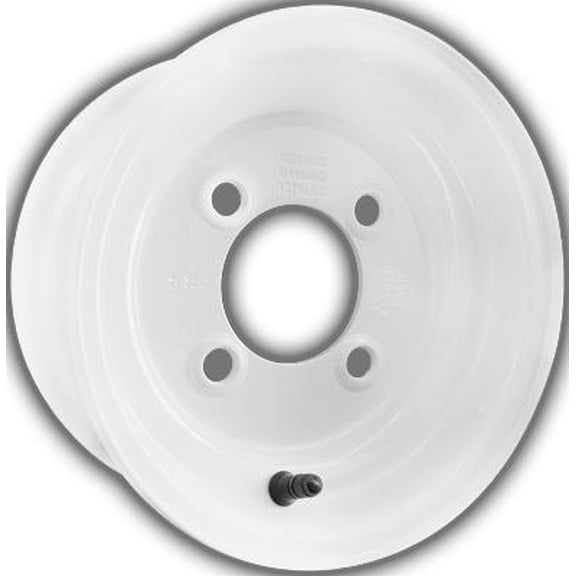
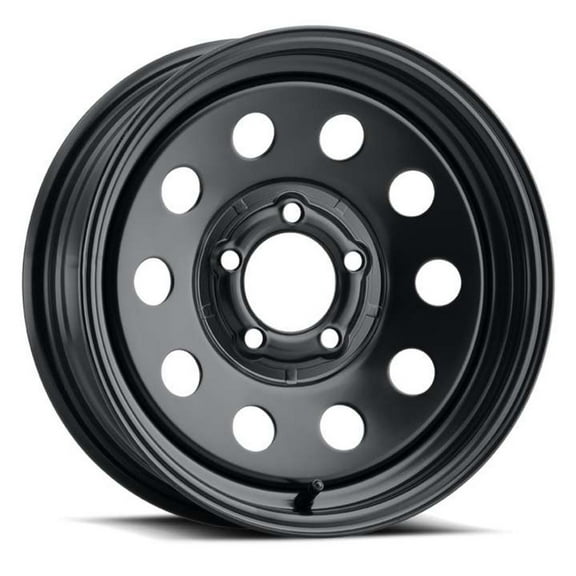
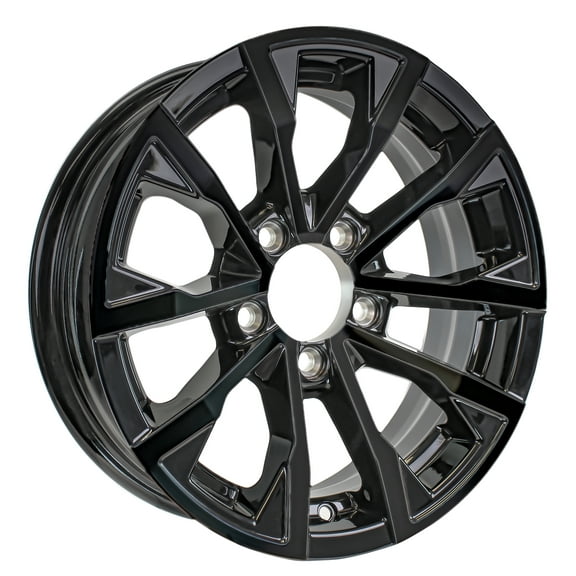
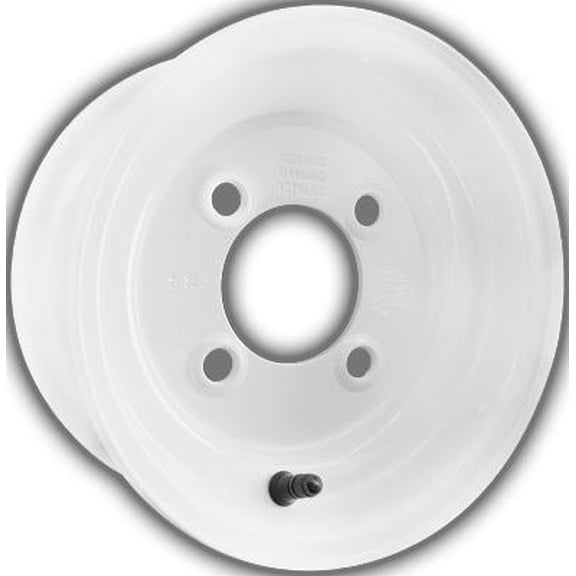
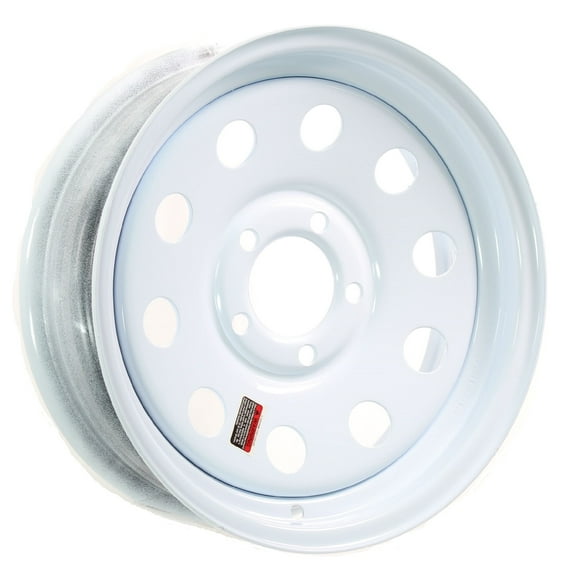
For smaller setups, you may look at 4-lug wheels for light-duty trailers and compact hauling tasks. For common utility use, 5 lug trailer rims often fit many everyday trailer configurations.
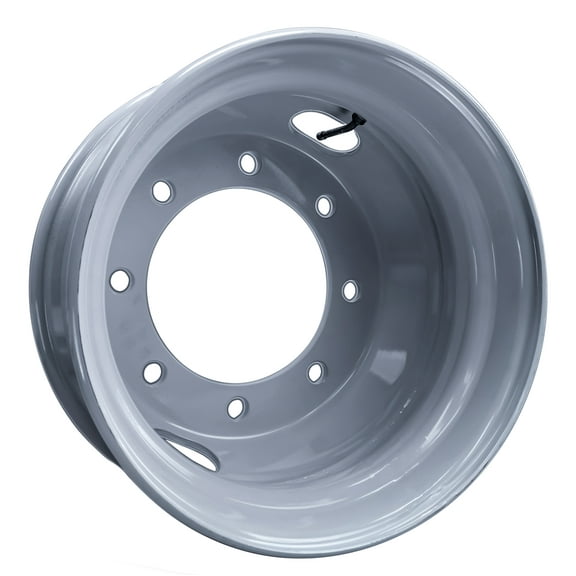
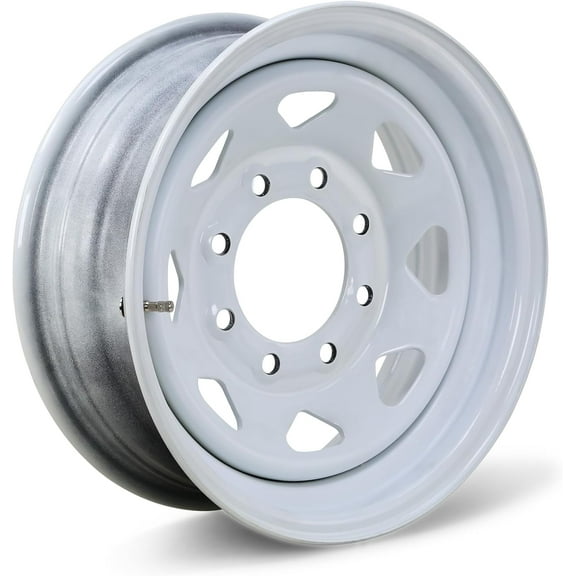
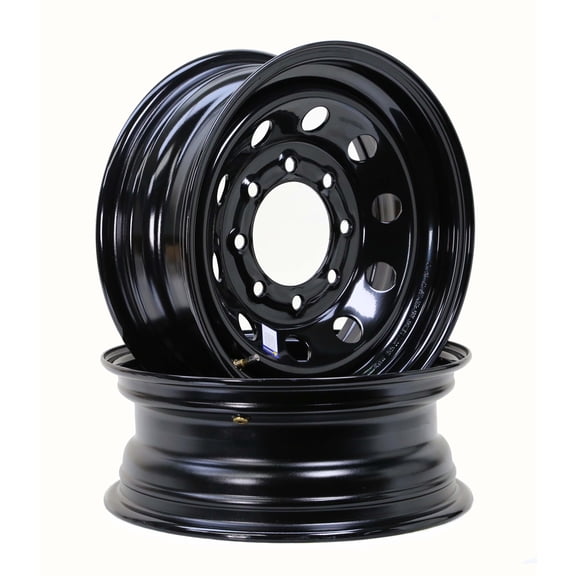
If you haul heavier loads, you may compare 6-lug and 8-lug patterns for larger hubs. You should confirm both lug count and circle measurement before you choose a replacement.
- You can use 4-lug wheels for many compact trailers and lighter cargo setups.
- You can choose 5-lug patterns for many utility trailers and common replacement needs.
- You can consider 6-lug or 8-lug options when your trailer uses larger hubs and higher capacities.
- You should always match the bolt circle diameter to your existing hub measurement.
Comparing trailer wheels by material
You can compare steel trailer wheels and aluminum trailer rims by how and where you tow. You’ll notice each material supports different priorities like appearance, weight, and everyday durability.
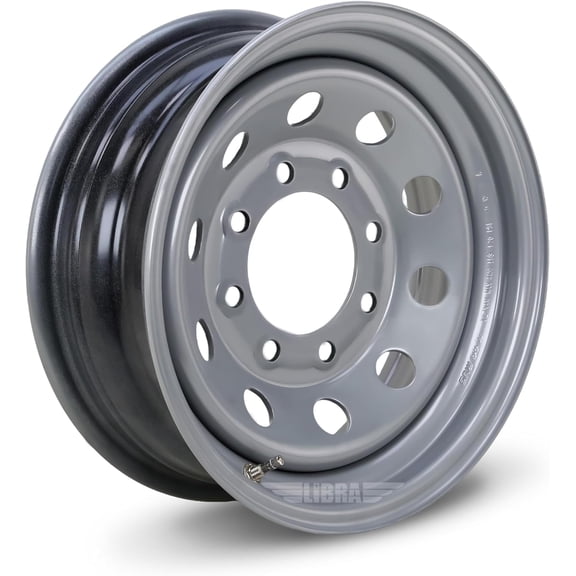
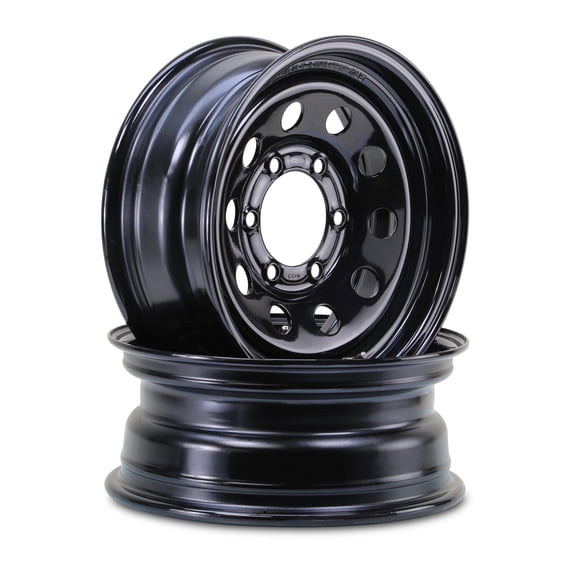
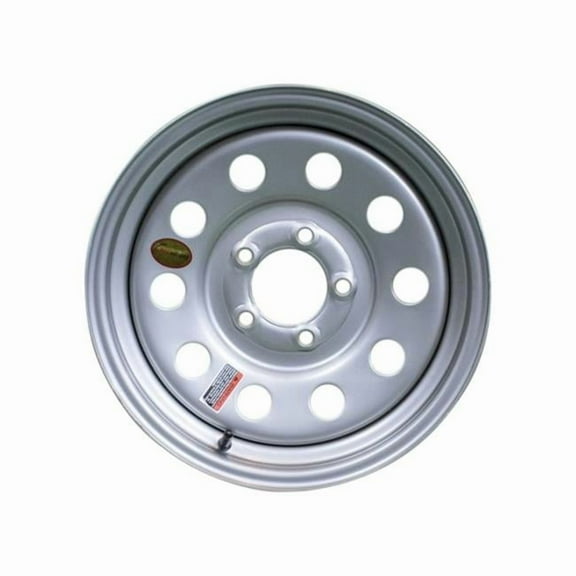
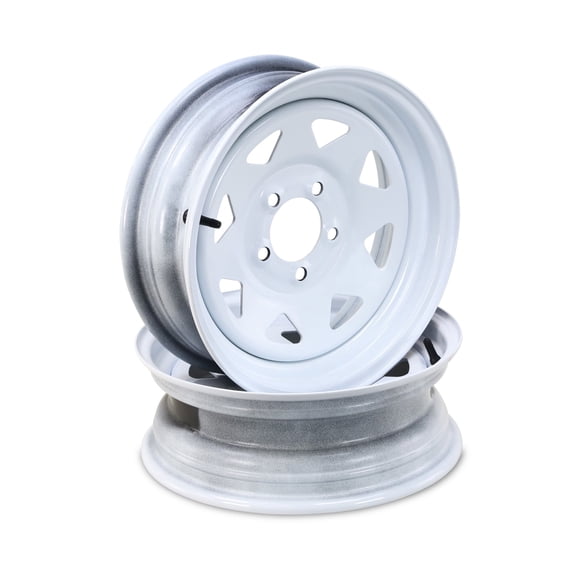
If you want a straightforward work setup, steel trailer wheels can make sense for frequent hauling and rough jobsite use. You may prefer their traditional look for utility trailers and equipment trailers.
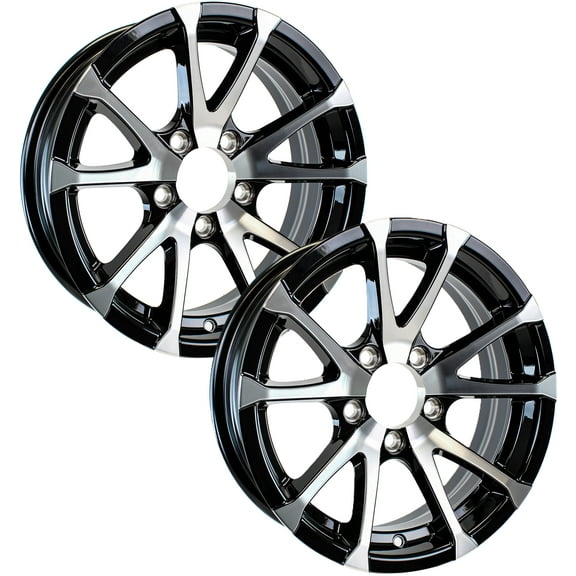
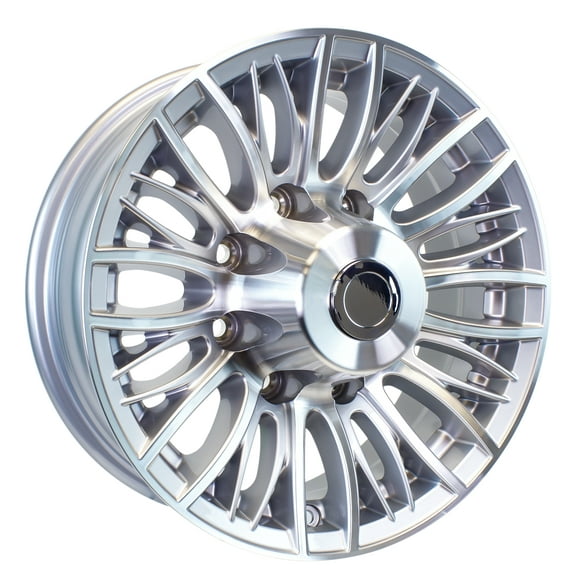
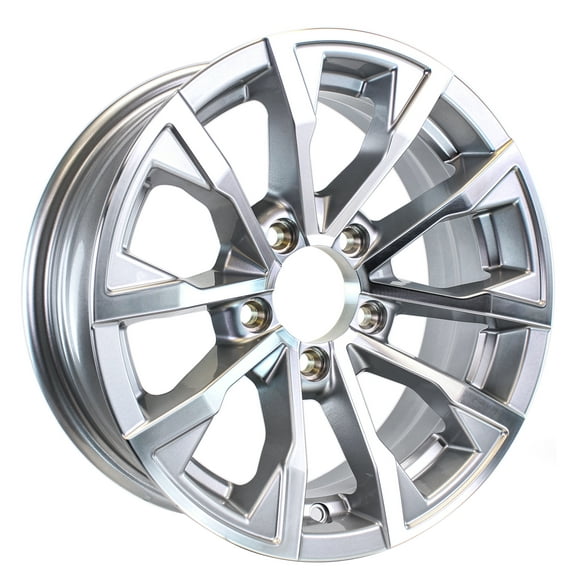
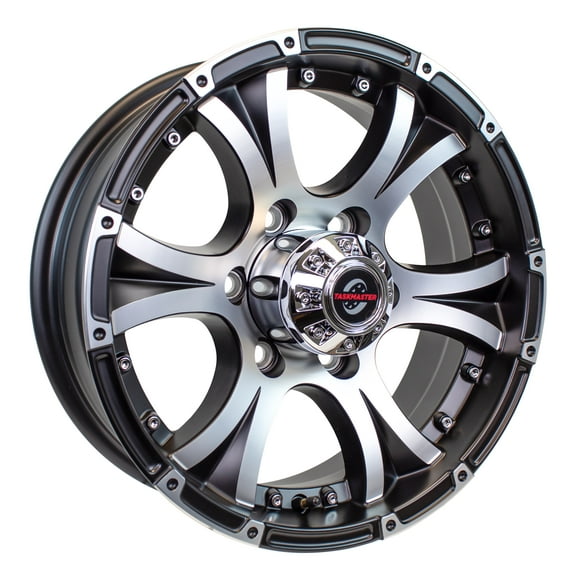
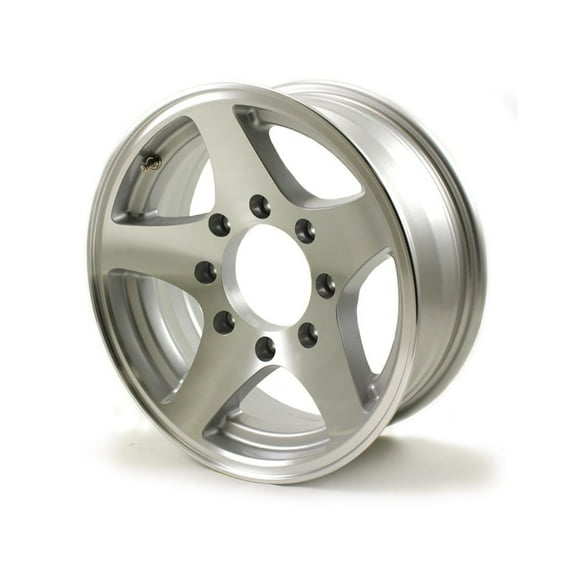
If you want a lighter look, aluminum trailer rims can suit campers, enclosed trailers, and many marine setups. You may also like how they pair with a cleaner, more polished trailer style.
You can also compare alloy options when you want a balance of appearance and towing practicality. You should check finish details and maintenance needs if your trailer sees rain, mud, or boat launches.
Choosing wheel diameter and fit
You should match your wheel diameter to your tire size and trailer setup before anything else. You can shop common sizes like 8 inch, 10 inch, 12 inch, 13 inch, 14 inch, 15 inch, and 16 inch.
Smaller diameters often fit compact trailers, while larger diameters support bigger tire combinations and taller setups. You should also compare rim width and offset because those measurements affect tire fit and clearance.
When you measure, you’ll want to check the diameter across the bead seat, not the outer edge. You should also verify width so your tire mounts correctly and tracks as intended.
If you’re replacing only one wheel, you’ll want the new rim to match your existing setup closely. You can avoid uneven fit by checking size stamps or your trailer documentation first.
Understanding load range and capacity in trailer wheels
You should compare load range carefully because your trailer wheels need to match the demands of your cargo. You’ll often see options aligned with Range B, Range C, Range D, or Range E setups.
Higher load ranges generally suit heavier trailer applications and firmer tire constructions. You should also check the wheel’s stated capacity and the tire’s load rating together.
If you haul landscaping gear, power equipment, or dense materials, you’ll want capacity details that match your routine. If you tow a small camper or utility trailer, you may need a different rating.
You can also review max load and PSI guidance when comparing complete fitment needs. You should keep your wheel, tire, and trailer capacity aligned for a more consistent towing setup.
How to match trailer rims to real towing needs
If you tow a boat trailer, you may prioritize aluminum finishes, correct lug pattern fit, and a diameter that matches your current tires. You’ll want dimensions that simplify replacement before your next launch day.
For utility trailers, you may focus on common trailer wheels with durable finishes and straightforward hub compatibility. You can often narrow choices quickly by bolt pattern, wheel size, and load range.
If you use an enclosed trailer for tools or inventory, you may need a wheel that supports longer highway trips. You should compare offset, diameter, and capacity to keep your setup consistent.
For campers and travel trailers, you may look for a balanced combination of appearance, fit, and load support. You can choose trailer rims that align with your tire size and towing habits.
When you replace older wheels, you should check stud count, bolt circle, rim size, and rating before ordering. You’ll feel more confident when those details match your trailer’s current specifications.
What to look for before you choose trailer rims
You can make a smarter choice when you compare bolt pattern, material, wheel diameter, and load range together. You’ll get a cleaner fit and more reliable compatibility when each measurement lines up.
With trailer-specific sizes, steel and aluminum options, and common lug patterns, you can find the setup that matches your towing routine. You’ll finish with wheels that fit your trailer and support the load you pull.