





Trail Cameras & Game Cameras for Wildlife Monitoring



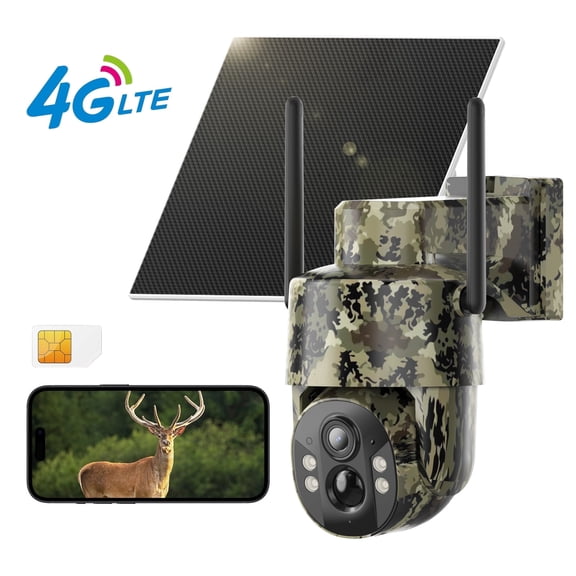

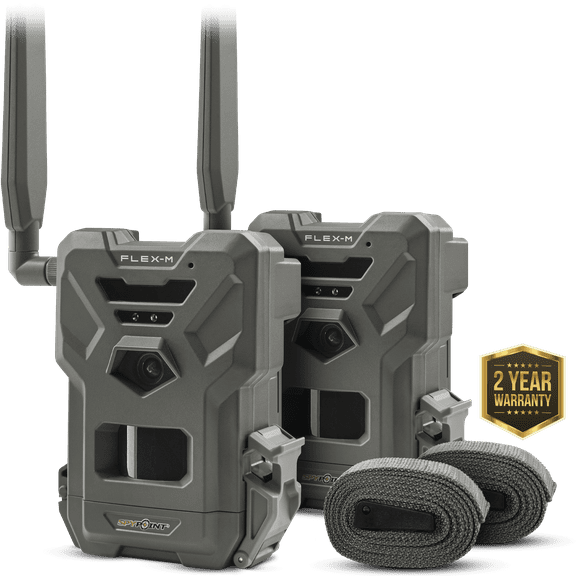
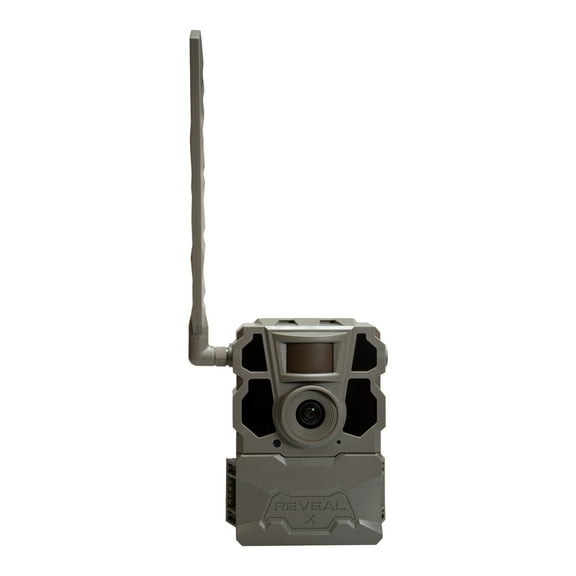

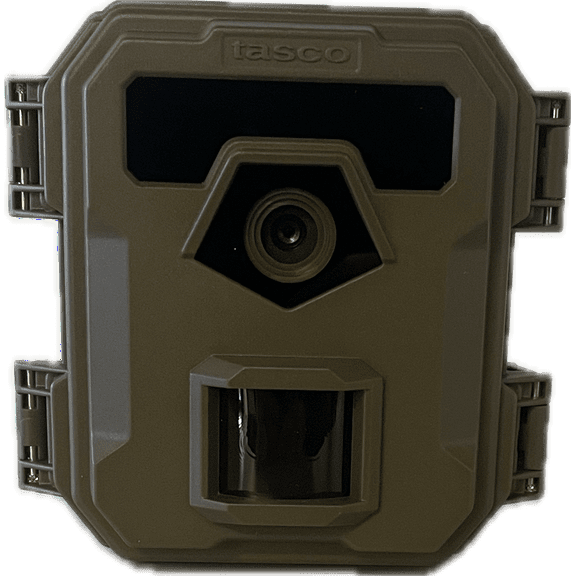
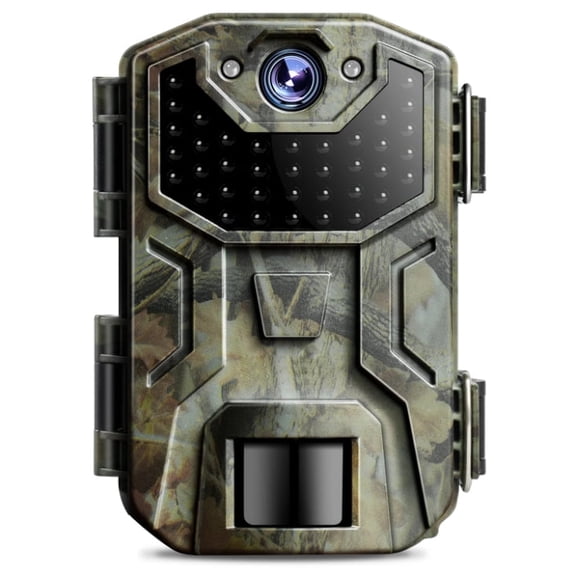

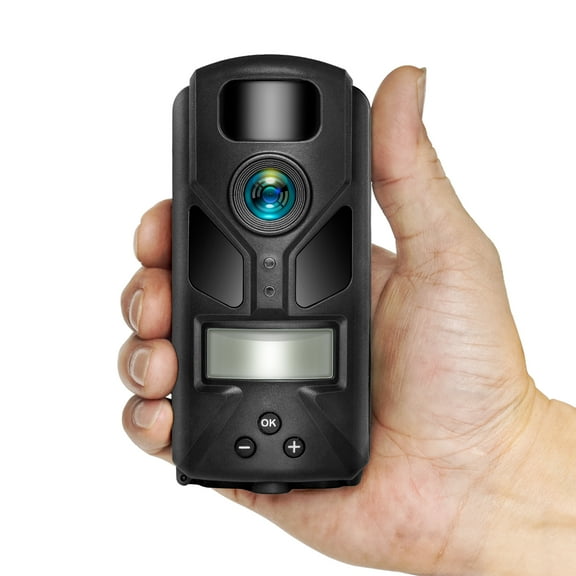


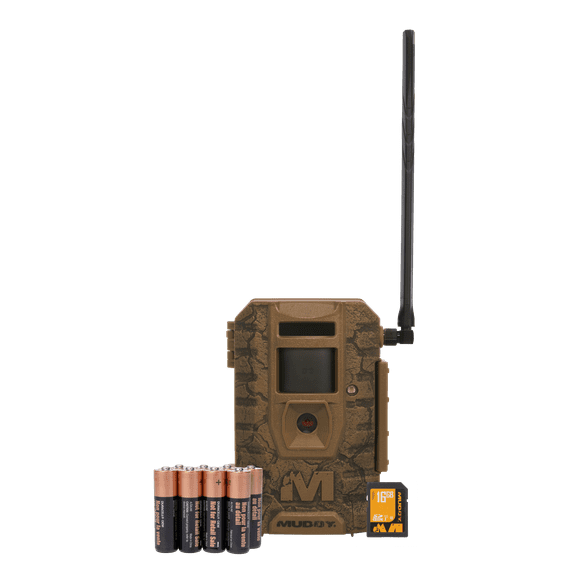


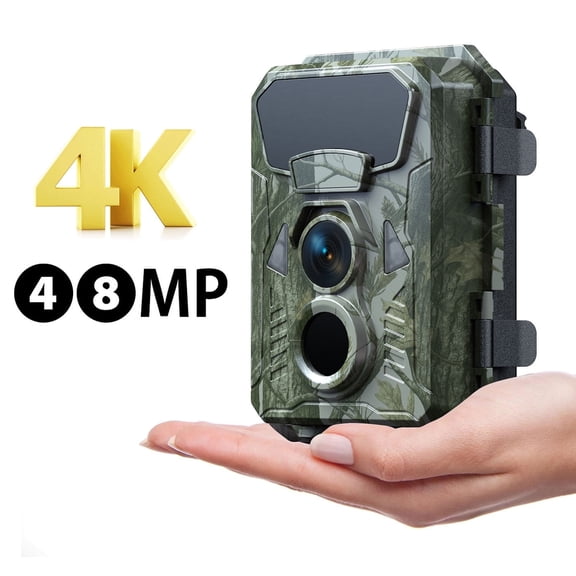















About Trail Cameras & Game Cameras for Wildlife Monitoring - Walmart.com
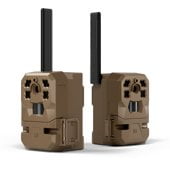
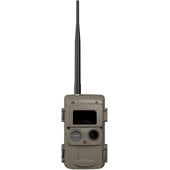
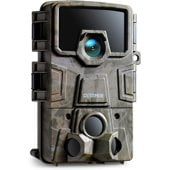
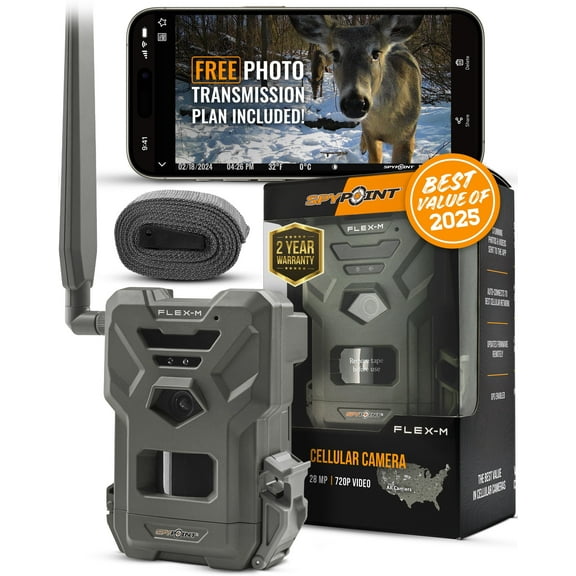
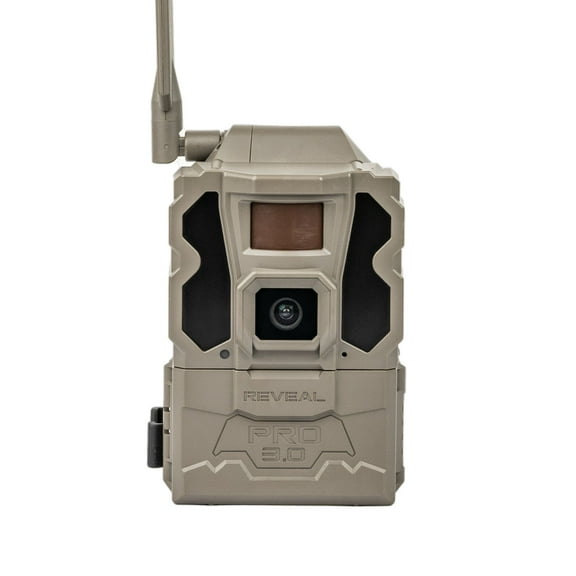
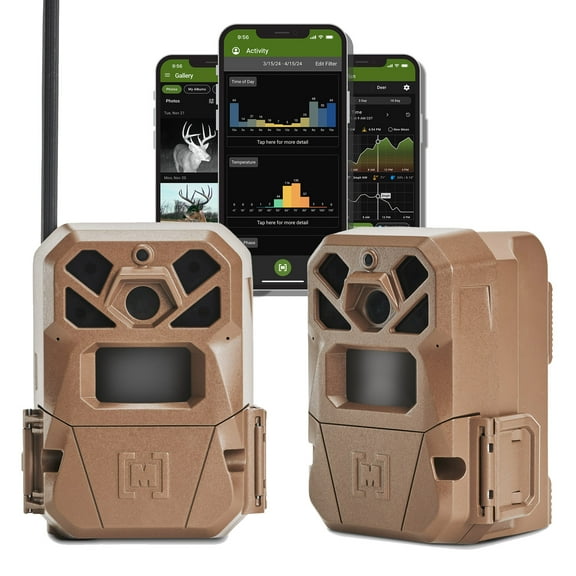
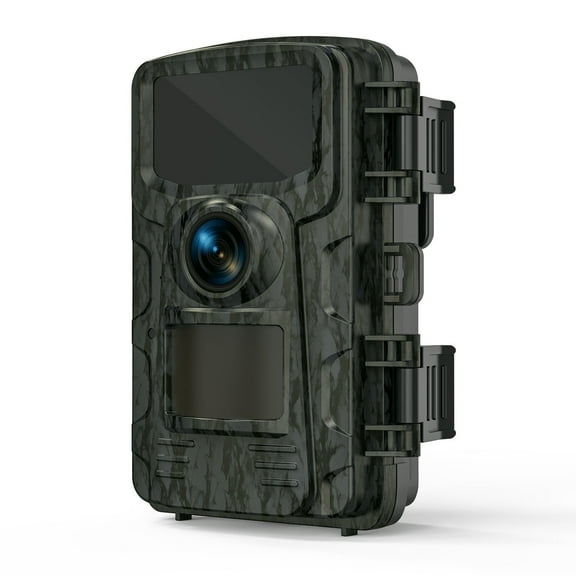
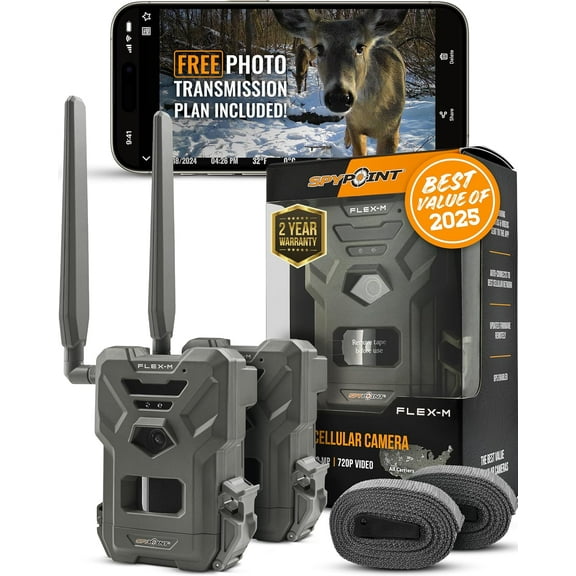
Cellular trail cameras help you monitor game movement and remote property without frequent card checks. You can compare carrier options, trigger speed, and power setups that match long field use.
How to choose cellular trail cameras
When you compare cellular trail cameras, you should start with coverage where you place your camera. You’ll want a setup that sends photos reliably from woods, fields, or gate lines.
Carrier compatibility matters because you need your camera to connect where your signal is strongest. You can choose Verizon, AT&T, Nationwide, or Dual-Carrier models based on your area.
Dual-Carrier and multi-carrier auto-select options can simplify setup in changing terrain. You can appreciate that flexibility when your hunting spots or property lines span different coverage zones.
- You can get image updates without pulling memory cards.
- You can monitor trail patterns, feeders, and remote access points from farther away.
- You can choose power and data settings that fit longer placement times.
- You can match carrier, resolution, and trigger speed to your scouting style.
Choosing wireless trail cameras by carrier and plan
Wireless trail cameras work effectively when you match the device to your local carrier strength. You should check whether Verizon or AT&T coverage is stronger around your stand, lease, or cabin.
Some cellular game cameras use Nationwide coverage plans that support broader travel and mixed terrain. You may prefer that option if you move cameras between farms, trail systems, and remote lots.
Look for cellular bands and multi-carrier auto-select when you want easier network flexibility. You can benefit because the camera can connect through a compatible network without extra guesswork.
Data plan structure also affects your setup choice in practical ways. You should compare how often you want image delivery, because more transmissions can use more plan data.
If you want quick scouting updates, you may choose frequent photo sends and lower file sizes. If you want richer image detail, you can choose larger files and plan accordingly.
What resolution means for cellular game cameras
Resolution affects the balance between image detail and data use. You can compare 16MP, 20MP, 24MP, and 32MP options based on what you want to review remotely.
If you mainly confirm movement timing, you may find lower settings easier on transmission limits. You can still see useful activity snapshots while keeping file sizes more manageable.
If you want antler detail, markings, or clearer property snapshots, you may prefer higher resolution. You should remember that larger image files can use more data when sent over cell service.
Video adds another layer to your decision because clips usually require more data than still photos. You can reduce transmission load by sending images first and storing full video locally.
Trail cameras with cell service often let you adjust image size in the app or menu. You can have more control over how much detail you receive and how often it arrives.
Comparing trigger speed and detection performance
Trigger speed shapes how well you capture fast movement across a trail. You can compare 0.2 second, 0.5 second, and sub-second options for different game paths.
If deer cross a narrow opening quickly, you’ll want a faster response time. You’re more likely to capture the animal in frame before it moves past the lens.
Detection angle and detection zone also influence how much activity your camera notices. You should look for a setup that matches the width of your trail, scrape, or feeder area.
Recovery time matters when multiple animals pass in sequence. You’ll want shorter delays between shots if you monitor active crossings or herd movement.
For gate monitoring or broader property checks, you may prioritize balanced detection coverage over extreme speed. You can choose a setup that supports general outdoor cellular cameras use across changing conditions.
Picking the right power source for longer field use
Power source affects how long your camera stays active between visits. You can choose solar powered, AA battery, or rechargeable lithium setups based on your placement style.
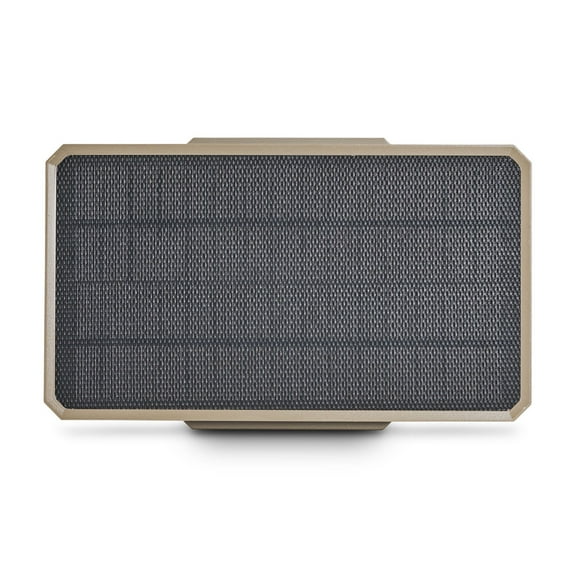
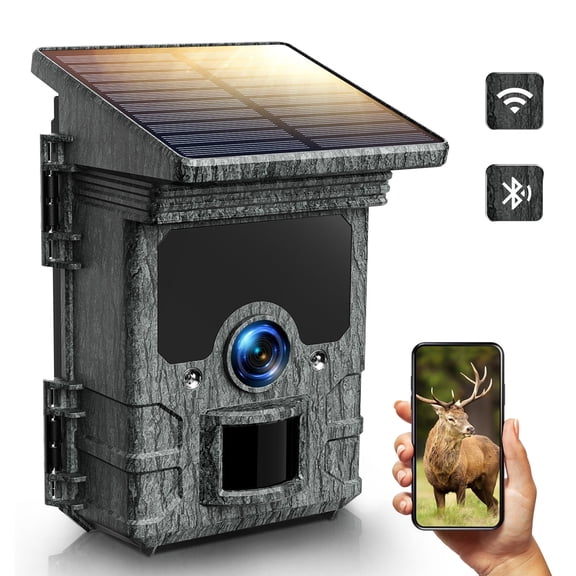
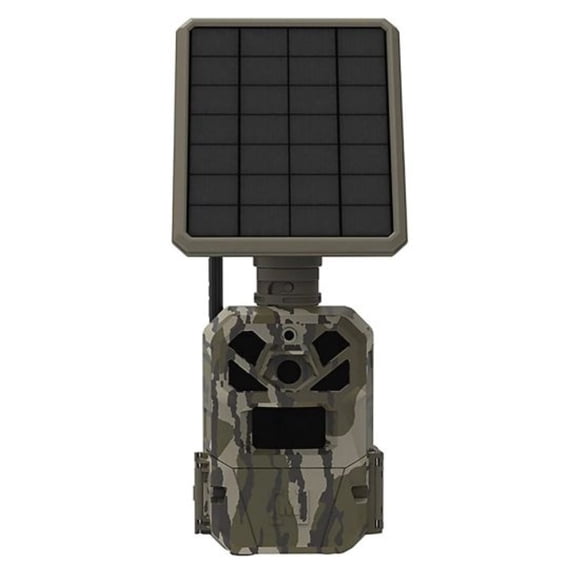
Solar powered options can suit open areas with regular sunlight exposure. You can like that setup when you mount cameras on field edges, food plots, or access roads.
AA battery models can work well when you want familiar replacement options in camp or at home. You can keep spare packs ready for faster swaps during seasonal checks.
Rechargeable lithium options may fit frequent users who rotate several cameras. You can appreciate lighter packs and repeat charging when you maintain multiple placements through the season.
Battery life also connects to how often your camera sends photos and videos. You should expect more transmissions, night captures, and cold weather to affect time in the field.
Matching trail cameras with cell service to real use cases
If you scout hunting routes, you can pair faster trigger speeds with moderate resolution for regular movement updates. You can get timely images without leaning too heavily on data use.
For feeders, scrapes, and mineral sites, you may choose higher resolution and shorter recovery time. You can review repeated visits with more detail during active patterns.
If you monitor remote gates, barns, or vacant land, you may prefer Nationwide or Dual-Carrier coverage. You can have more flexibility when signal strength changes across larger properties.
When you place cameras for months at a time, you should compare solar support and rechargeable lithium options. You can reduce maintenance trips and keep your setup active longer.
Hunting trail cameras also need settings that match your season and terrain. You can fine-tune image size, send frequency, and power choice for more useful scouting results.
With the right carrier match, resolution setting, and power source, you can build a setup that fits your land. You can get more dependable updates from the spots you check frequently.