

Hand Planers & Wood Planing Tools

















About Hand Planers & Wood Planing Tools - Walmart.com
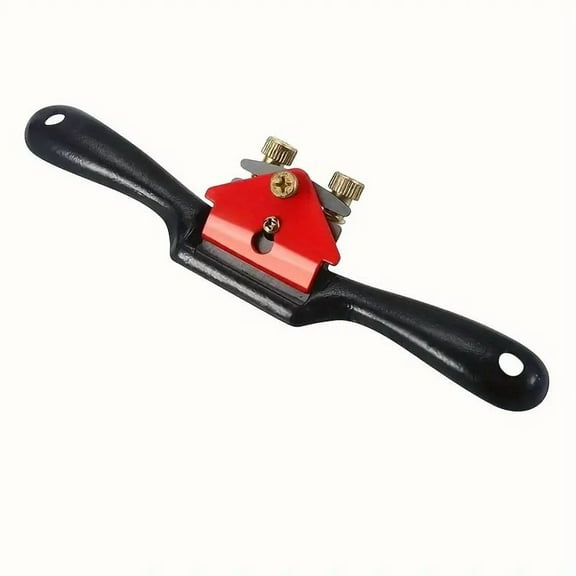
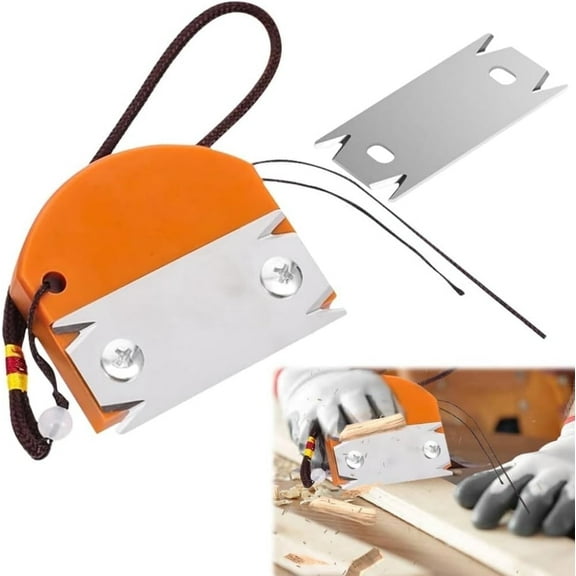
You can compare hand planes by cut style, body material, and adjustment design before you start your next woodworking project. You’ll get more control than powered stock removal, and you can tune the cut for edges, faces, and final smoothing.
If you’re flattening boards, trimming proud joints, or refining end grain, this category gives you practical choices. You can narrow options by plane type, body build, and size so your setup matches your bench work.
Choosing hand planes by plane type
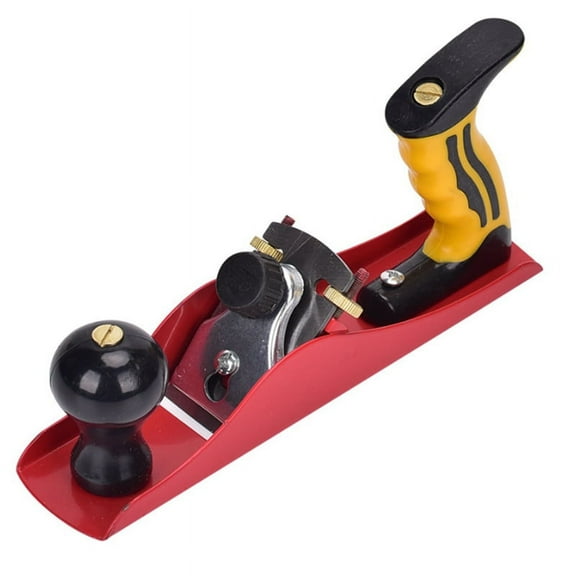
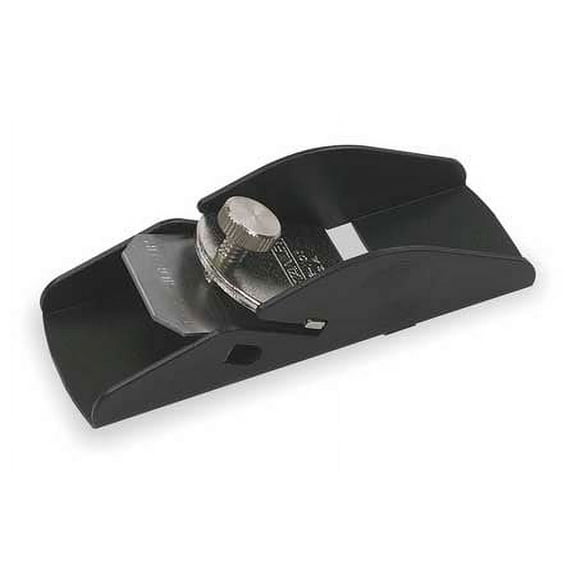
You should start with plane type because each shape handles wood differently. You’ll usually reach for a block plane on end grain, while your bench plane works across longer board faces.
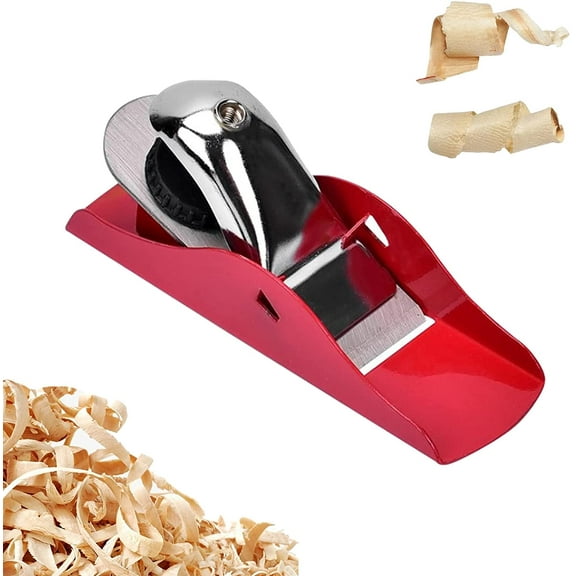
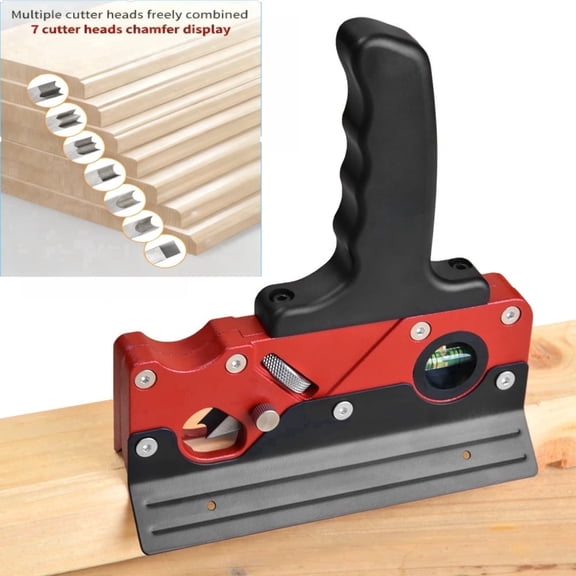
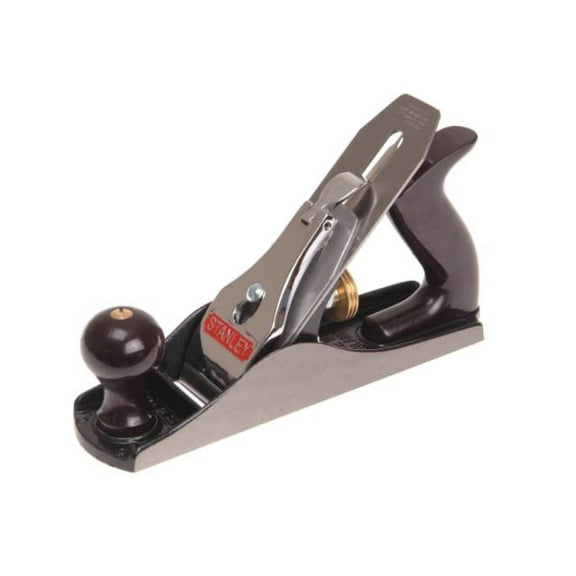
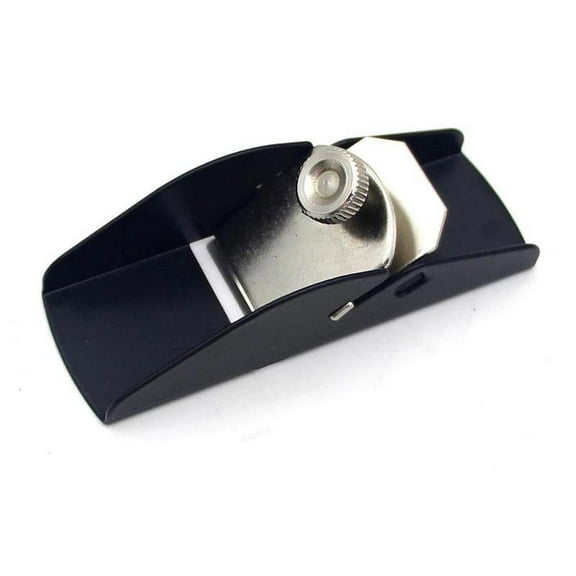
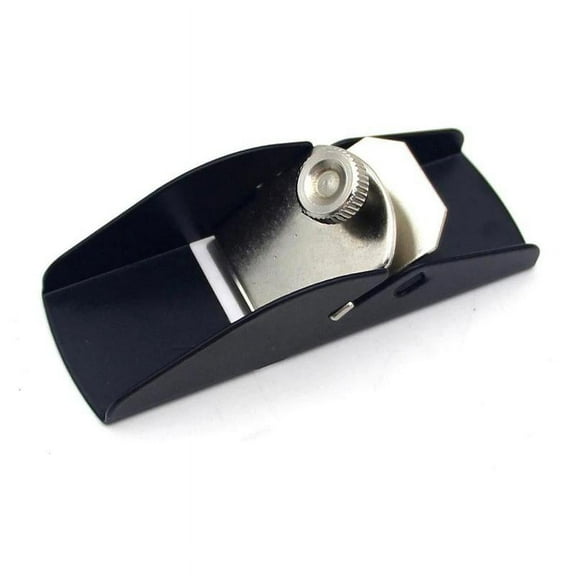
When you compare a block plane with a bench plane, you’re comparing compact control against longer reference length. You can use a smaller tool for chamfers and touch-ups, while you use a longer sole for flatter passes.
A smoothing plane helps you refine a surface after heavier stock removal. You may choose a jack plane when you want one versatile hand plane tool for rougher prep and general shop work.
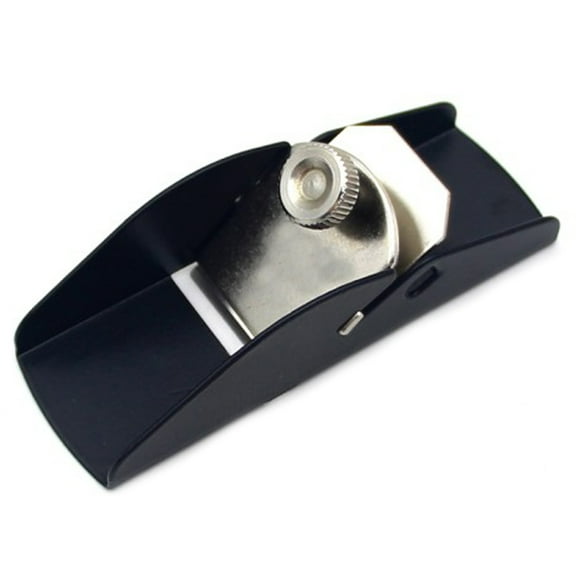
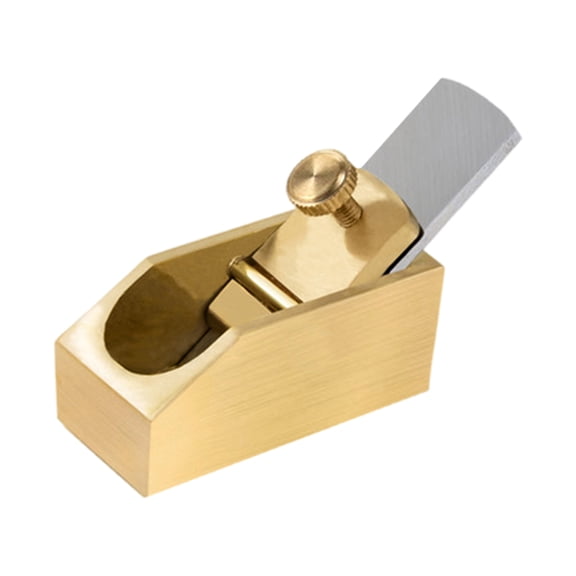
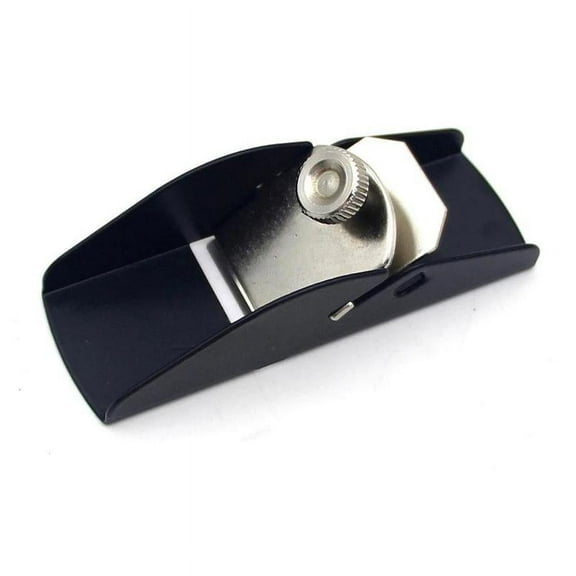
- You can use a block plane for end-grain trimming, edge easing, and quick fit adjustments.
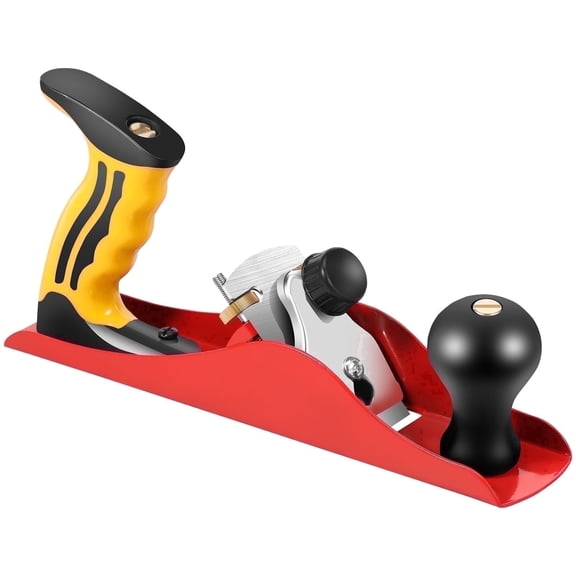
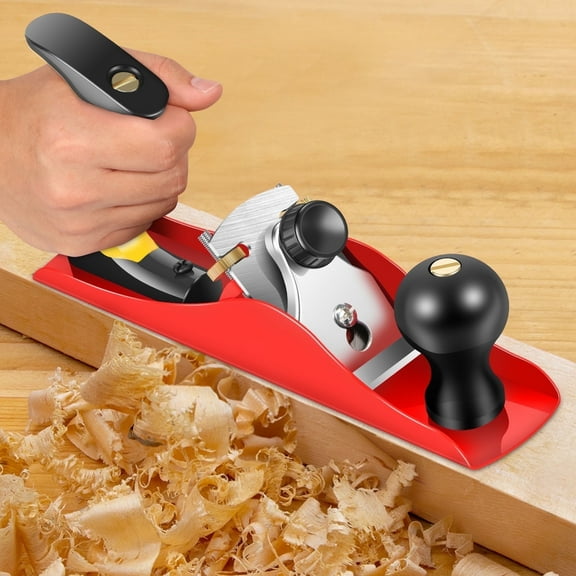
- You can choose a bench plane for flattening faces, straightening edges, and longer guided strokes.
- You can reach for a smoothing plane when you want a cleaner final surface before finish.
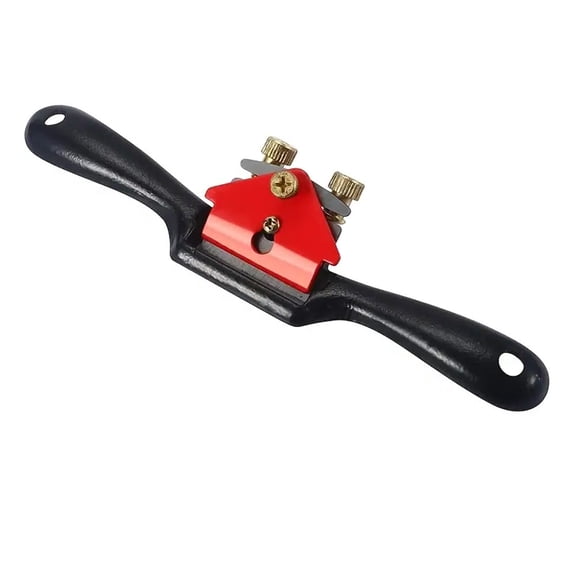
- You can select a jack plane when you want one woodworking hand plane for varied tasks.
Comparing body material in a wood hand plane
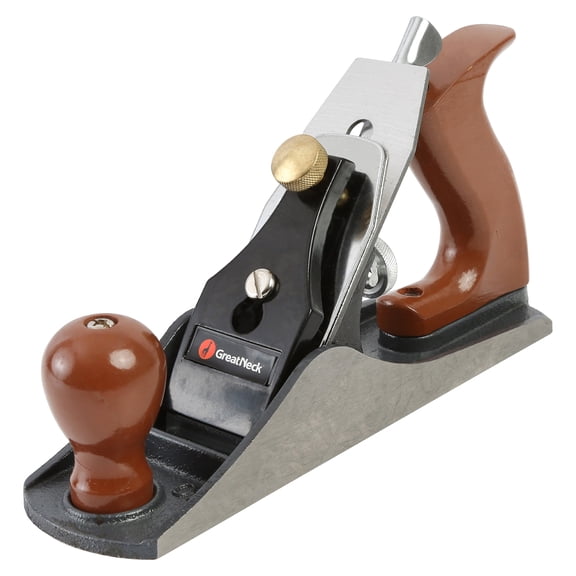
You should also compare body material because weight and glide change how the tool feels in your hands. You’ll notice cast iron adds mass for steady passes, while wood can feel lighter and easier to slide.
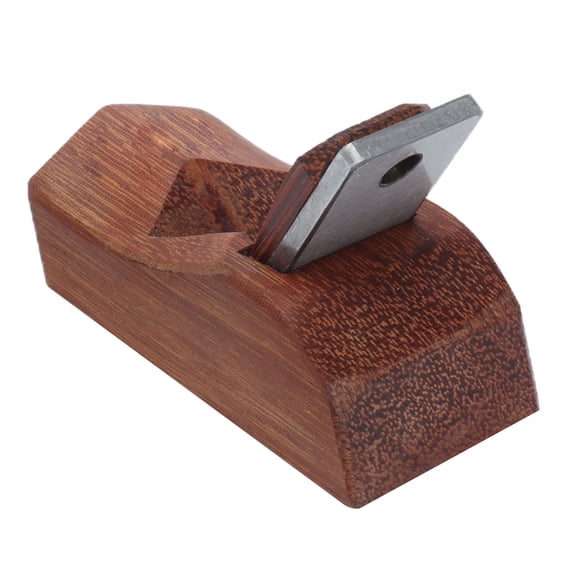
If you want a planted feel on wider boards, you may prefer cast iron or ductile iron. If you want a traditional feel and smoother movement across the workpiece, you may prefer a wood hand plane.
You can use ductile iron when you want durability with a familiar metal-body format. You should also check sole flatness, because a flatter sole helps you keep passes consistent on edges and faces.
How to compare adjustment types
You’ll want an adjustment style that matches how often you fine-tune your cut depth. You can choose screw-adjusted designs for repeatable changes, or you can consider lever-adjusted options for quick shop adjustments.
If you like to tune the mouth opening, you can compare manual mouth adjustment on selected models. You’ll get more control over shaving behavior when you match the opening to rougher or finer passes.
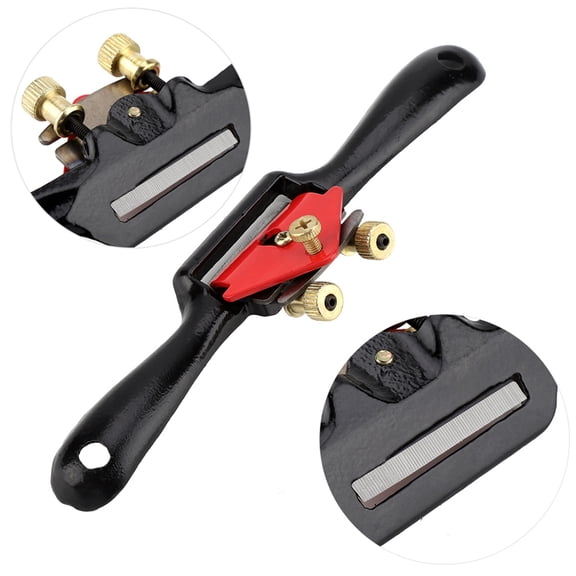
You should also think about blade access because sharpening matters with every manual hand planer. You can work more smoothly when you choose a setup that’s straightforward to remove, hone, and reset.
Picking the right size and number
You can narrow hand planes by size or number to match your workspace and project scale. You may prefer pocket size options for small jobs, while No. 4 and No. 5 sizes suit broader bench tasks.
If you want a familiar finishing format, you can look at a No. 4 for smoothing duties. If you want extra versatility for prep work, you can consider a No. 5 for joint edges and general shaping.
You should measure the workpiece and think about stroke length before you choose. You’ll usually want a compact body for tight areas and a longer body for steadier reference over larger boards.
Using hand planes in real woodworking tasks
You can use these tools for drawer fitting, door edge cleanup, and trimming proud plugs or joints. You’ll also find them useful when sheet goods need light edge work or solid wood needs final refinement.
For furniture work, you may pair a jack plane with a smoothing plane for prep and finish stages. For jobsite punch lists, you may keep a block plane nearby for quick edge tuning and fit corrections.
If you build boxes, frames, or cabinets, you can match a compact plane to smaller parts. If you work on tabletops or longer boards, you can choose bench plane styles that support straighter passes.
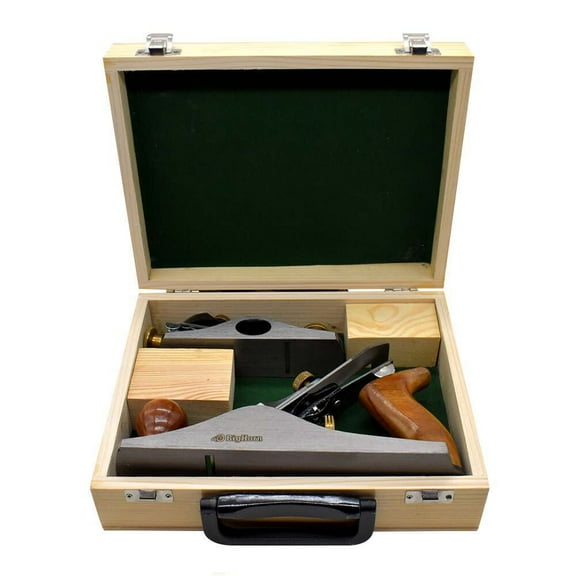
You can also compare related workshop categories when you’re building out your setup. You may want chisels, hand saws, and woodworking accessories nearby so your workflow stays accurate from layout to finish.
What to look for before you choose
You should compare plane type, sole material, blade adjustment, and size before you decide. You’ll make a clearer choice when you match the tool to end grain, face grain, fine smoothing, or general stock prep.
With the right combination, you can get cleaner shavings, steadier control, and a setup that fits your woodworking routine. You’ll finish with a hand tool that suits your bench, your material, and your cut style.